The NFL’s streaming shift is creating new problems for American sports bars, from rising technology costs to buffering risks, confusing platforms, and a weaker Sunday football tradition.
The Sunday Football Setup Americans Know Is Starting to Break

For millions of Americans, Sunday football is not just a game on television. It is a weekly ritual. Friends meet at the same sports bar. Families grab wings after church. Fantasy football groups take over corner tables. Out of state fans look for a screen showing their home team. Bartenders know which regular wants the Cowboys, the Steelers, the Packers, the Eagles, or the Bills.
That simple tradition now faces a messy new problem: the NFL’s growing shift toward streaming. What used to feel easy for bars and restaurants is becoming harder, more expensive, and more confusing. The shift from familiar satellite systems to streaming based access may sound modern, but for many small businesses, it feels like another bill, another headache, and another way game day can go wrong.
Sports Bars May Have to Spend Thousands Just to Keep Showing Games
The first problem is money. Many sports bars were built around a simple setup: several televisions, a reliable commercial TV package, and a system that allowed staff to change channels quickly.
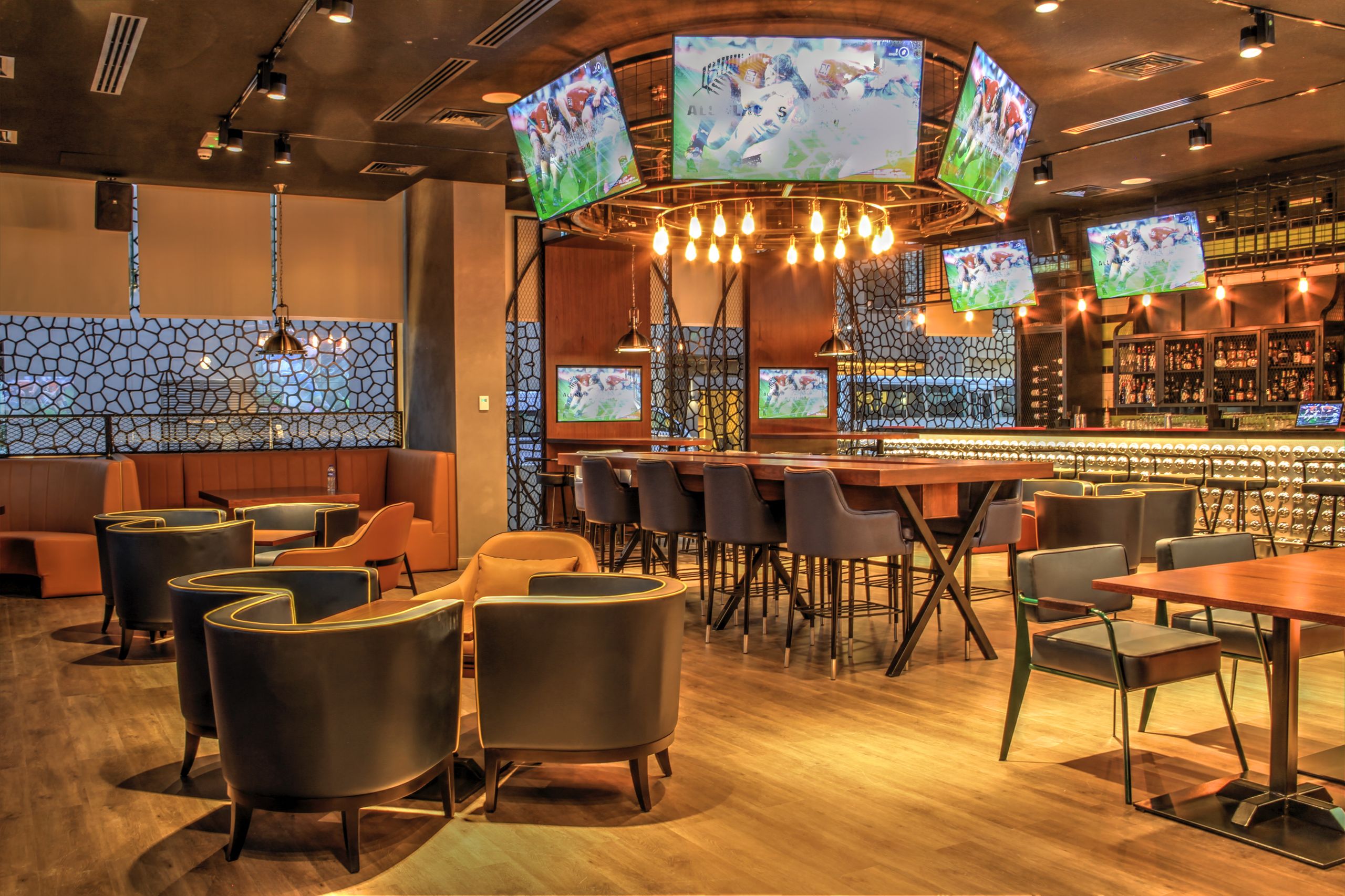
Streaming changes that. A bar with 30 or 40 televisions may need new devices, stronger internet, video switching equipment, wiring upgrades, installation labor, and technical support. That is not the same as plugging a streaming stick into one television at home.
For a small neighborhood bar, this can become a serious financial burden. A five-figure upgrade is not pocket change. It can affect hiring, menu prices, repairs, renovations, and even whether the bar can afford to show every NFL game. When the cost of showing football increases, customers eventually feel it too.
Fans May Pay More for the Same Game-Day Experience
If sports bars have to spend more to carry NFL games, many will try to recover that money somehow. That could mean higher food prices, more expensive drinks, cover charges for major games, reservation fees, or fewer game day specials. The fan who used to stop by for a burger and a beer may suddenly find that Sunday football costs more than it used to.
This is what makes the issue so relatable. Americans are already dealing with high prices almost everywhere. Groceries cost more. Rent costs more. Insurance costs more. Eating out costs more.
Now, even watching football at the local bar could become more expensive because of technological changes happening far above the customer’s head. A streaming shift that begins in a boardroom can end on a menu.
The Buffering Wheel Could Become the New Game Day Villain
There are few things more frustrating than a frozen screen during a big play. At home, buffering is annoying. In a packed sports bar, it is chaos. Imagine a room full of fans watching a fourth quarter drive. The quarterback drops back. The bar gets loud. Then the screen freezes. Nobody knows whether it was a touchdown, interception, sack, or game winning throw.
That is the fear many bar owners have with streaming. Live sports need to be instant, smooth, and reliable. A delayed feed or a buffering screen can ruin the entire atmosphere. Football fans do not want explanations about bandwidth. They do not want to hear that the app crashed. They want the game.
One Bar Could Need Several Platforms to Show One Football Weekend
The modern NFL viewing map is no longer simple. Games can appear across broadcast networks, cable channels, satellite packages, and streaming platforms. Some games are local. Some are national. Some are out of market. Some are exclusive to specific platforms. For a regular viewer, that is confusing enough. For a sports bar, it becomes a weekly puzzle.
A manager may have to know which game is on which service, which subscription is licensed for commercial use, which device controls which screen, and which games customers are legally allowed to watch in the venue. That is not a better fan experience. That is a maze.
The old system was not perfect, but it was easier to understand. The new system may be more modern, but it feels more scattered.
Small Town Bars Could Be Hit Harder Than Big Chains
Large restaurant chains may have the money and corporate support to adjust. They can buy equipment in bulk, hire technical teams, and train staff across many locations. Small town bars do not always have that luxury.
A rural sports bar may have limited internet options. It may not have fiber service. It may not have a local technician who understands complex commercial streaming setups. It may not be able to afford major upgrades before the season starts.
That matters because in many towns, the local bar is more than a business. It is where people gather. It is where fans without expensive home packages go to watch their team. It is where Sundays feel social instead of lonely.
If streaming makes it harder for small bars to show games, the damage is bigger than one lost broadcast. It weakens a piece of local culture.
Staff May Spend More Time Fixing Screens Than Serving Customers
A packed NFL Sunday is already stressful for restaurant workers. Servers are moving fast. Bartenders are handling drink orders. Kitchen staff is buried in wings, fries, burgers, and nachos. Managers are solving problems nonstop.
Now add streaming issues. If a game disappears, customers will not call the streaming company. They will wave down the server. They will complain to the bartender. They will ask the manager to fix it immediately.
That puts more pressure on workers who are already busy. Staff may have to learn new systems, switch between platforms, manage screen assignments, troubleshoot devices, and calm down angry fans. Game day should be about service and atmosphere. It should not turn restaurant workers into emergency tech support.
Bars May Stop Promising Every Game on Every Sunday
For years, one of the biggest selling points of a sports bar was simple: “We have every game.” That promise may become harder to keep. If the cost and complexity of carrying every NFL matchup become too much, some bars may scale back.
They may focus only on local teams. They may show only nationally televised games. They may avoid out of market packages altogether. They may choose not to carry certain streaming exclusive games.
That means fans who follow teams from other states could lose their usual gathering spots. A Dolphins fan in Texas, a Bears fan in Arizona, or a Giants fan in California may have a harder time finding a reliable place to watch.
The NFL has built a national fan base. Streaming fragmentation could make that national fan base feel more divided.
The Best Seats May Go to the Bars With the Biggest Budgets
The streaming shift could quietly create a divide between wealthy, tech ready venues and smaller independent bars. A well funded sports bar with strong internet, modern equipment, and trained staff may become the go to destination.
Meanwhile, older neighborhood bars may struggle to keep up. They may lose customers not because the food is worse, not because the service is worse, and not because the fans stopped coming, but because the technology became too expensive.
That is a brutal reality for small businesses. The streaming era may reward venues that can afford to modernize quickly and punish those that cannot. For fans, that could mean fewer choices. The familiar local bar may no longer be the best place to watch. The game day crowd may shift toward bigger chains and newer venues with deeper pockets.
Sunday Football Could Become Less Social and More Private
The biggest concern is not just cost. It is what this does to the culture of watching football together. Sports bars make football feel communal. Strangers become friends for three hours. Fans celebrate, argue, groan, cheer, and suffer together. The room becomes part of the game.
If more games move behind complicated streaming systems, and fewer bars can carry them smoothly, football may become more private. More fans may stay home. More people may need separate subscriptions. More games may feel locked behind different digital doors.
That may be good for platform revenue, but it is not always good for the fan experience. Football is strongest when it feels shared. A streaming future that leaves local bars behind would make the sport feel smaller, colder, and more expensive.