Phil Hartman made America laugh with the kind of calm precision that never seemed desperate for applause. He did not have to shout over the room, chase the spotlight, or turn every scene into a contest. He could walk into a sketch, raise an eyebrow, change his voice, and suddenly the whole thing worked.
That is why his death still feels so hard to process 28 years later. Hartman was not just another famous face from television. He was one of those rare performers who made other people funnier, made chaotic shows feel steady, and gave audiences the sense that comedy was safest in the hands of someone who knew exactly what he was doing.
On May 28, 1998 in his ranch-styled residency at 5065 Encino Avenue in Encino, California that steady presence vanished in one of Hollywood’s most heartbreaking domestic tragedies. Hartman was found dead inside his Encino home after being shot while he slept. His wife, Brynn Hartman, later died by suicide, leaving behind two young children and a stunned entertainment industry struggling to understand how such a public life of laughter could end in such private horror.
Who was Phil Hartman before the tragedy?
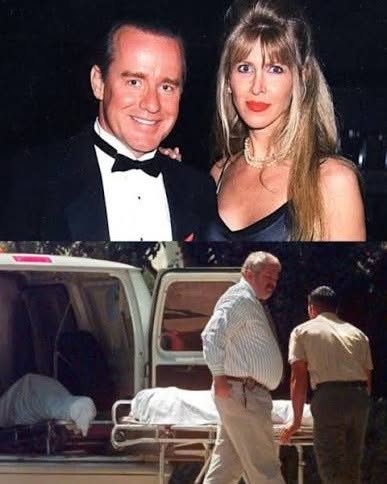
Before his name became tied to one of the most shocking deaths in comedy history, Phil Hartman was a master craftsman. Born in Canada and raised in the United States, he built his career piece by piece, first as a graphic artist, then as a performer, writer, and voice actor. His rise was not built on overnight fame. It came from discipline, timing, and a deep understanding of how comedy works from the inside.
Hartman became a major force on Saturday Night Live after joining the cast in the mid-1980s. At a show famous for big personalities, he stood out by being reliable. He could play presidents, lawyers, announcers, game show hosts, vain celebrities, nervous professionals, and ordinary men hiding ridiculous secrets. He made absurd characters feel strangely believable.
His colleagues famously called him “The Glue” because he held sketches together. That nickname mattered because it described more than talent. It described trust. In live comedy, where timing can collapse in seconds, Hartman gave the performers around him something solid to lean on. He did not just chase laughs. He created the structure that allowed the laughs to land.
How Saturday Night Live made him unforgettable
Hartman’s Saturday Night Live years helped define an era of American sketch comedy. His impressions were sharp without feeling lazy, and his original characters often worked because he played them with total seriousness. He understood that comedy becomes more powerful when the performer acts as if the ridiculous situation is perfectly normal.
His Bill Clinton impression became one of his most recognizable performances, but it was only one part of his range. Hartman could switch from polished politician to clueless spokesman to unhinged authority figure with ease. He gave viewers the sense that he had an entire world of voices stored behind his calm expression.
That quiet command helped set him apart from the louder comedians of his generation. Hartman’s humor often stemmed from a need for control. He did not need chaos around him to be funny. He could create a laugh with a pause, a stiff smile, or a perfectly placed line reading. In a cast full of breakout stars, he became the performer who made everything feel complete.
What happened on the night Phil Hartman died?
The tragedy unfolded inside the Hartman family home in Encino, California, during the early morning hours of May 28, 1998. Reports from the time described a troubled night after tension between Phil and Brynn Hartman. Sometime while he slept, Brynn shot him inside their bedroom.
After the shooting, she reportedly left the home and went to a friend, where she confessed what had happened. She later returned to the house. Police responded, and the couple’s two children were removed from danger. Brynn then took her own life, ending a nightmare that had moved from private crisis to national headline in a matter of hours.
The facts were devastating enough. The emotional impact was even worse because Hartman’s public image had been so warm, steady, and generous. Fans knew him as the calm professional who could make any scene funnier. Suddenly, they were being asked to hold two impossible truths at once: the man who brought laughter into millions of homes had died in a scene of domestic violence, and his children had lost both parents in one morning.
The marriage and family life behind the public image
In the years after the tragedy, reports described the Hartman marriage as strained by emotional conflict, substance abuse concerns, and long-standing tension. From the outside, the family looked like many Hollywood success stories. There was a famous husband, a beautiful home, young children, and a career still moving forward. Inside, the reality was far more fragile.
That contrast is part of why the story continues to grip readers decades later. Celebrity homes can create the illusion of safety. Fame can make private pain look distant, polished, or manageable. Hartman’s death shattered that illusion and reminded the public that a domestic crisis does not always announce itself clearly to outsiders.
Phil and Brynn Hartman’s children, Sean and Birgen, were still young when their parents died. They were reportedly inside the home that night and were found unharmed. After the deaths, they were raised away from the center of Hollywood attention, a choice that likely helped protect them from the worst parts of public fascination.
Why Phil Hartman’s death shocked Hollywood so deeply
Hollywood has seen many sudden losses, but Hartman’s death carried a particular weight because he was known as kind, professional, and deeply dependable. He was not widely seen as reckless or self-destructive. He did not fit the familiar image of a star spiraling in public. His death felt like violence had broken into a place where audiences believed there was safety.
That sense of disbelief was part of the national reaction. Fans were not only mourning an actor. They were mourning the collapse of an image. Hartman represented control, wit, and warmth. The details of his death forced people to confront how little the public can know about what happens inside a private home.
For colleagues, the loss was personal and professional. Hartman was the kind of performer who made shows better by being present. His absence left a clear gap in comedy, especially on NewsRadio and The Simpsons, where his voice and rhythm had become part of both shows’ identities.
The legacy that survived the tragedy
The most powerful thing about Hartman’s legacy is that it has not been erased by the circumstances of his death. The tragedy remains part of his story, but it has not swallowed the work. Viewers still laugh at his sketches. Fans still quote Troy McClure. Comedy writers still study the way he could support a scene without stealing it.
That survival matters. A violent ending can distort how the public remembers a person, especially when the final chapter is so shocking. But Hartman’s career was too rich to be reduced to one morning in 1998. He was a writer, actor, impressionist, voice performer, and ensemble genius. He helped shape modern television comedy in ways that remain visible today.
His posthumous honors also show how deeply the entertainment world continues to value him. A Walk of Fame star cannot undo the loss, but it marks something important. It says the work endured. It says the laughter survived. It says the final headline was not the whole man.