The internet used to feel like a noisy town square, but now it often feels like a panic room. Viral nightmares Americans cannot stop talking about online now shape moods, friendships, family talks, and daily fears. These strange digital scares reveal how easily the screen can turn ordinary life into emotional chaos.
Panic Trends That Spread Faster Than Truth

Every few days, a new fear races across social feeds. People share warnings before they check facts. The panic grows because speed now beats patience online.
This creates a strange cycle for ordinary users. Someone sees a frightening post, feels alarmed, and then shares it to protect others. That one click can push confusion into thousands of homes.
The real danger lies in the emotional rush. Fear makes people react before they think. Once panic spreads, truth struggles to catch up.
Fake Crises That Feel Too Real
Online rumors can turn small events into national anxiety. A blurry video or dramatic caption can make people believe a disaster has arrived. Many Americans now feel forced to judge reality through half-formed posts.
This can affect families in very personal ways. Parents worry about schools, shoppers avoid stores, and neighbors distrust each other. A fake crisis can still create real stress.
The internet rewards urgency, not careful thinking. That makes fake danger feel more powerful than quiet facts. People need calm judgment before they let a viral post shape their day.
Public Shaming That Destroys Private Lives

Social media can turn one mistake into a public storm. A short clip can travel far beyond its original context. People then rush to judge someone they do not truly know.
This nightmare feels especially harsh because it removes mercy. Viewers often forget that a real person sits behind the screen. One viral moment can damage jobs, friendships, and mental peace.
Accountability matters, but mob behavior often goes too far. People can demand better conduct without enjoying someone’s collapse. A healthier internet would leave room for truth and grace.
Relationship Drama Turned Into Entertainment
Private heartbreak now feeds public curiosity. People post breakups, betrayals, family fights, and dating disasters for strangers to dissect. The comment section then becomes a courtroom with no full evidence.
This trend can make real pain look like content. Viewers pick sides, laugh at pain, and turn someone’s emotional mess into a game. That reaction can make cruelty feel normal.
Americans cannot build healthier relationships through constant public judgment. Love needs privacy, patience, and honest conversation. Viral drama rarely teaches those things with care.
Fear-Based Health Claims
Health scares spread online with alarming force. A person can see one dramatic post and suddenly fear food, medicine, sleep habits, or daily products. The fear often arrives before the professional context does.
This nightmare hits people where they feel most vulnerable. Everyone wants to protect their body and their family. That deep concern makes health panic easy to spread.
Wellness content can help when it stays clear and responsible. The problem starts when creators use fear to gain attention. People deserve health guidance that calms, informs, and respects them.
AI Scares That Blur Reality
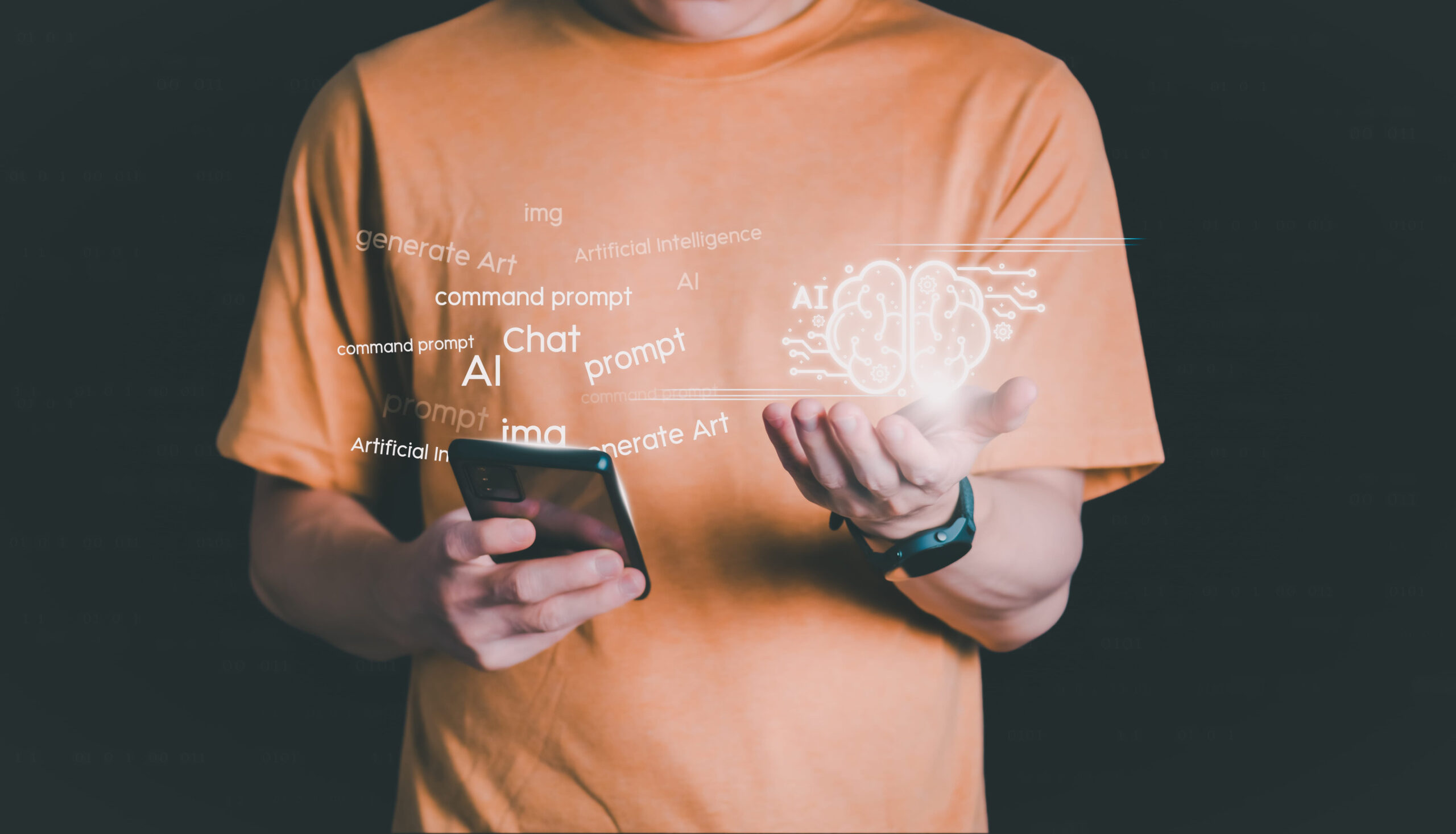
Artificial intelligence now fuels a new kind of digital confusion. Fake images, fake voices, and strange videos can make people question what they see. That uncertainty makes online life feel more unstable.
Many Americans now wonder if anything online looks fully trustworthy. A shocking clip may seem real at first glance. Then doubt creeps in, turning every screen into a guessing game.
This does not mean people should fear every new tool. It means users need sharper habits. Checking sources now matters as much as reading the post itself.
Food Panic That Turns Dinner Into Fear
Food content often starts as helpful advice. Then it can turn into a fear factory. Suddenly, normal groceries look suspicious, and simple meals feel dangerous.
This kind of viral fear can make people anxious about every bite. It can also shame families who eat what they can afford. Not every kitchen choice needs a moral panic.
Food conversations need balance, context, and compassion. People can learn better habits without feeling attacked. A healthier food culture should inform families without turning dinner into dread.
Spiritual Confusion Packaged As Certainty

Spiritual content travels fast because people want peace. Many creators promise answers about purpose, energy, destiny, signs, and personal healing. Some posts comfort people, but others create fresh confusion.
This becomes a nightmare when confidence replaces wisdom. A creator may sound deep while offering shallow advice. Followers may then shape major choices around a thirty-second feeling.
Real spiritual growth needs more than viral certainty. It needs reflection, humility, community, and time. Quick answers can feel powerful, but steady wisdom usually grows quietly.
Conclusion
The internet will always carry strange stories, urgent warnings, and emotional storms. That does not mean every viral scare deserves control over your peace. The smartest readers learn to separate concern from panic.
These viral nightmares show how deeply online culture now touches American life. They affect food choices, relationships, politics, faith, health, and family conversations. They also reveal how hungry people feel for certainty in a confusing world.
Still, Americans do not have to live at the mercy of every frightening post. People can slow down, check facts, protect their attention, and refuse to reward panic. When readers choose wisdom over reaction, the online nightmare loses much of its power.