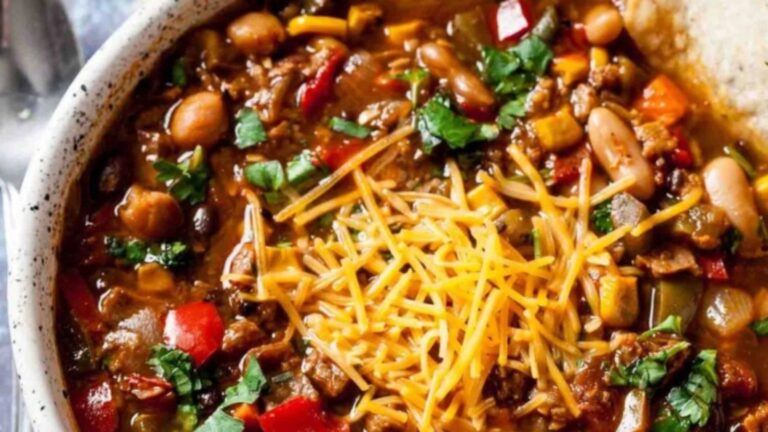
We usually talk about brain health as though it lives inside puzzles, sleep apps, meditation routines, and daily productivity hacks. Food deserves a much bigger seat at the table because the brain depends on steady blood flow, balanced glucose levels, healthy fats, low inflammation, and a strong gut environment to function well every day. The wrong eating pattern does not “destroy” the brain overnight, but repeated exposure to sugar-heavy drinks, processed foods, alcohol, and poor-quality fats can slowly create conditions that make it harder to protect focus, memory, mood, and vascular health.
The strongest brain-friendly diets are usually simple, colorful, and steady. The MIND diet, which blends Mediterranean and DASH-style eating, emphasizes leafy greens, vegetables, berries, nuts, whole grains, beans, fish, poultry, olive oil, and limiting butter, cheese, red meat, fried foods, pastries, and sweets. Research from the National Institute on Aging has linked healthier dietary patterns, such as MIND-style eating, with a reduced risk of cognitive decline, providing clear guidance on what to eat more often and what to reduce.
Fried foods can fuel inflammation and vascular stress.
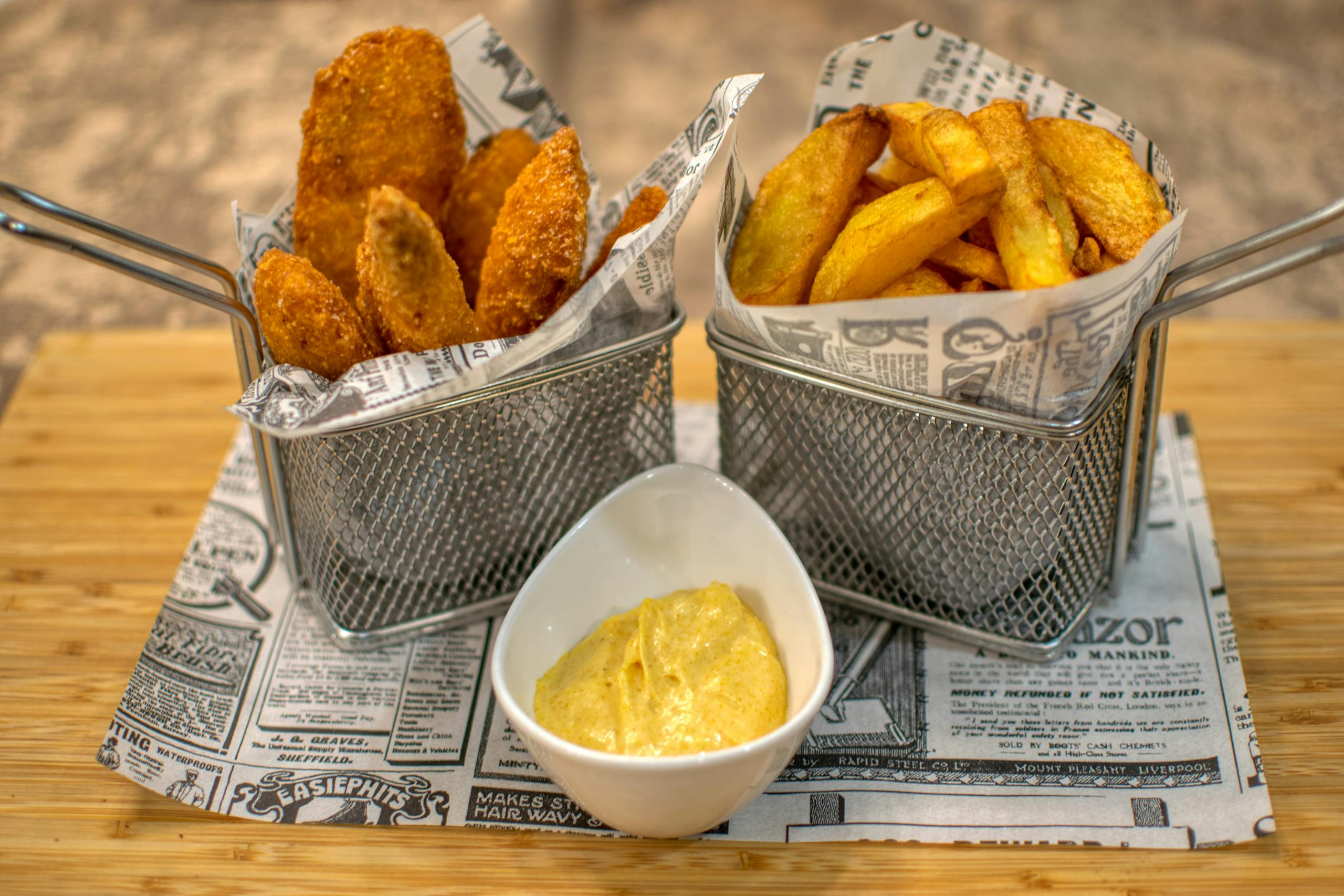
French fries, fried chicken, onion rings, and deep-fried snacks are comfort foods for a reason. They are salty, crunchy, hot, and easy to overeat. The problem is that frequent fried-food intake can bring together several brain-unfriendly forces at once, including refined carbohydrates, excess sodium, oxidized oils, and high caloric density. This combination can affect blood pressure, cholesterol, body weight, and inflammation, all of which influence how well the brain is supplied and protected.
A 2024 American Heart Association review of diet and brain health noted that unhealthy diets high in saturated fat and sugar can trigger brain inflammation and may harm cognition. Fried food is not automatically dangerous in a single serving, but it becomes a problem when it crowds out fish, beans, vegetables, nuts, olive oil, and whole grains. We can keep the flavor by baking potatoes with olive oil, air-frying lightly coated chicken, or choosing grilled options over deep-fried meals.
Sugary sodas can strain brain blood vessels.
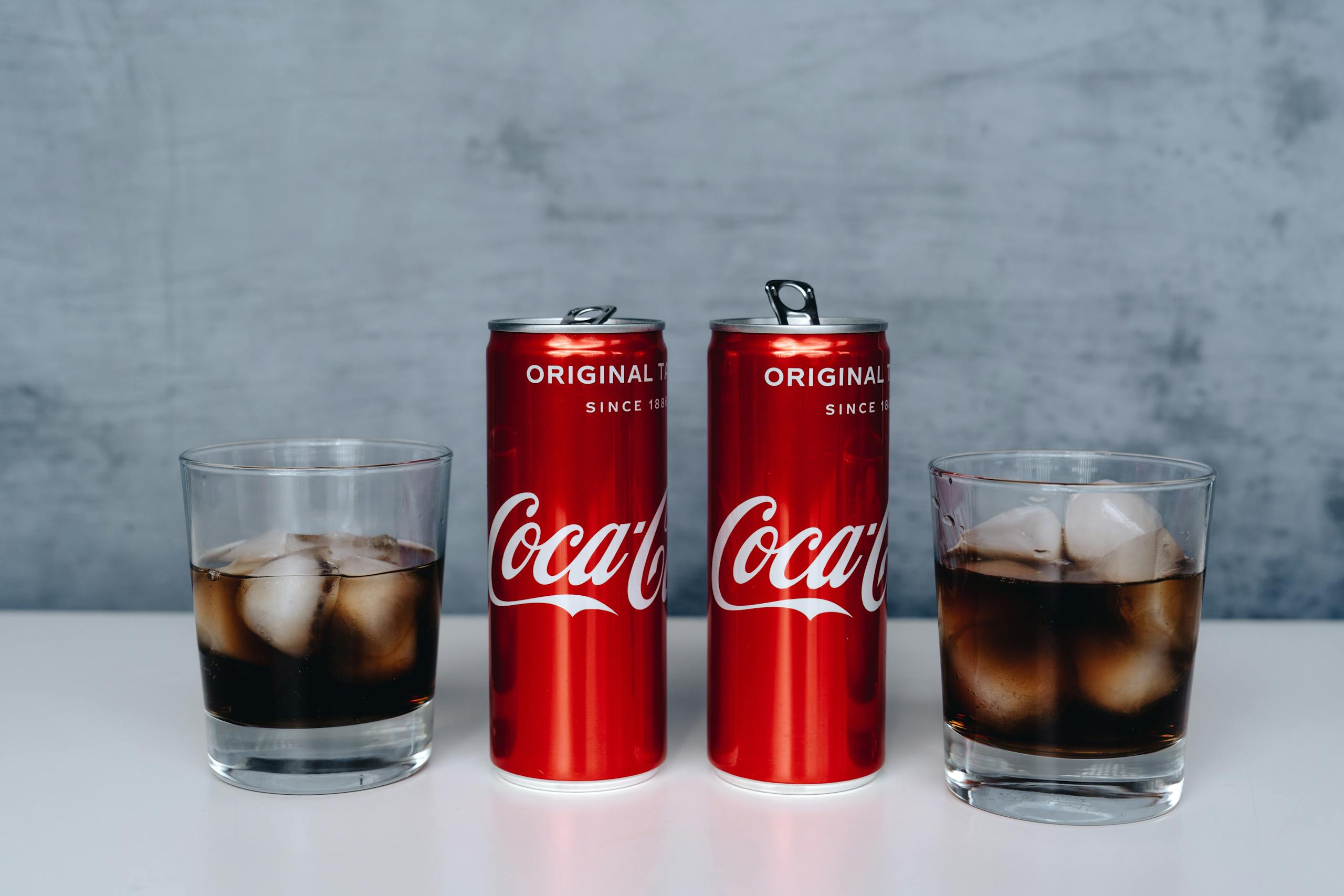
Sugary soda sits near the top of the worst foods for brain health because it delivers a rapid spike in blood sugar without fiber, protein, or other nutrients that slow absorption. That quick surge may feel harmless in the moment, but frequent intake can push the body into repeated glucose spikes and crashes. Over time, those swings can contribute to weight gain, insulin resistance, inflammation, and vascular stress, all of which matter because the brain depends on healthy blood vessels to receive oxygen and fuel.
This is where the brain connection becomes serious. High blood pressure is linked to increased risk of cognitive decline and dementia, and sugary drinks can indirectly feed that risk through poor metabolic health. We should treat soda as an occasional treat rather than a daily hydration habit. A smarter swap is sparkling water with citrus, unsweetened iced tea, or fruit-infused water that gives flavor without turning every drink into dessert.
Processed meats may raise dementia-related concerns.

Processed meats like bacon, hot dogs, pepperoni, salami, sausage, and deli meats are convenient but not ideal for brain health. They often combine high sodium, saturated fat, preservatives, and dense calories in one package. For the brain, that matters because blood pressure and vascular health are closely tied to stroke risk, cognitive decline, and long-term memory protection.
A 2025 Neurology study reported that higher intake of red meat, especially processed red meat, was associated with higher dementia risk and worse cognition. We do not need to turn every sandwich into a moral crisis, but we should make processed meat the occasional add-on, not the daily centerpiece. Better choices include tuna, sardines, grilled chicken, beans, hummus, eggs, or turkey made with lower sodium and minimal additives.
Diet soda and artificial sweeteners deserve caution.
Diet soda looks like the “better” choice because it removes sugar, but it does not automatically become brain food. Non-sugar sweeteners can help some people reduce calorie intake, yet they should not be the foundation of a healthy diet. The World Health Organization advised against using non-sugar sweeteners for weight control or reducing the risk of noncommunicable diseases because long-term benefits are not clear and potential risks remain under review.
For brain health, the concern is less about one can of diet soda and more about the pattern it creates. Some people use diet drinks to keep their sweet palate alive all day, only to crave sweet foods later. Research on artificially sweetened beverages has also linked higher intake with stroke risk in observational studies, although these studies cannot prove direct cause and effect. We should not panic over occasional use, but we should avoid treating “zero sugar” as a free pass for constant consumption.
Ultra-processed snacks can weaken a brain-friendly diet.

Packaged cakes, chips, candy bars, instant pastries, sugary cereals, and many shelf-stable snack foods are engineered to be easy to eat quickly and hard to stop eating. These foods often bring refined flour, added sugar, salt, low-quality fats, flavor enhancers, and low fiber. That mix can crowd out the nutrients the brain actually needs, including omega-3 fats, polyphenols, magnesium, B vitamins, and antioxidants.
Harvard Health reported that higher intake of ultra-processed foods has been linked with a greater risk of cognitive impairment and stroke. A 2022 study in JAMA Neurology also found that limiting ultra-processed food consumption could be associated with reduced cognitive decline in middle-aged and older adults. We should focus less on perfect restriction and more on replacement. A snack plate with nuts, fruit, Greek yogurt, roasted chickpeas, or whole-grain toast gives the brain more useful fuel than a sleeve of cookies eaten on autopilot.
Margarine and hidden trans fats are still worth checking.
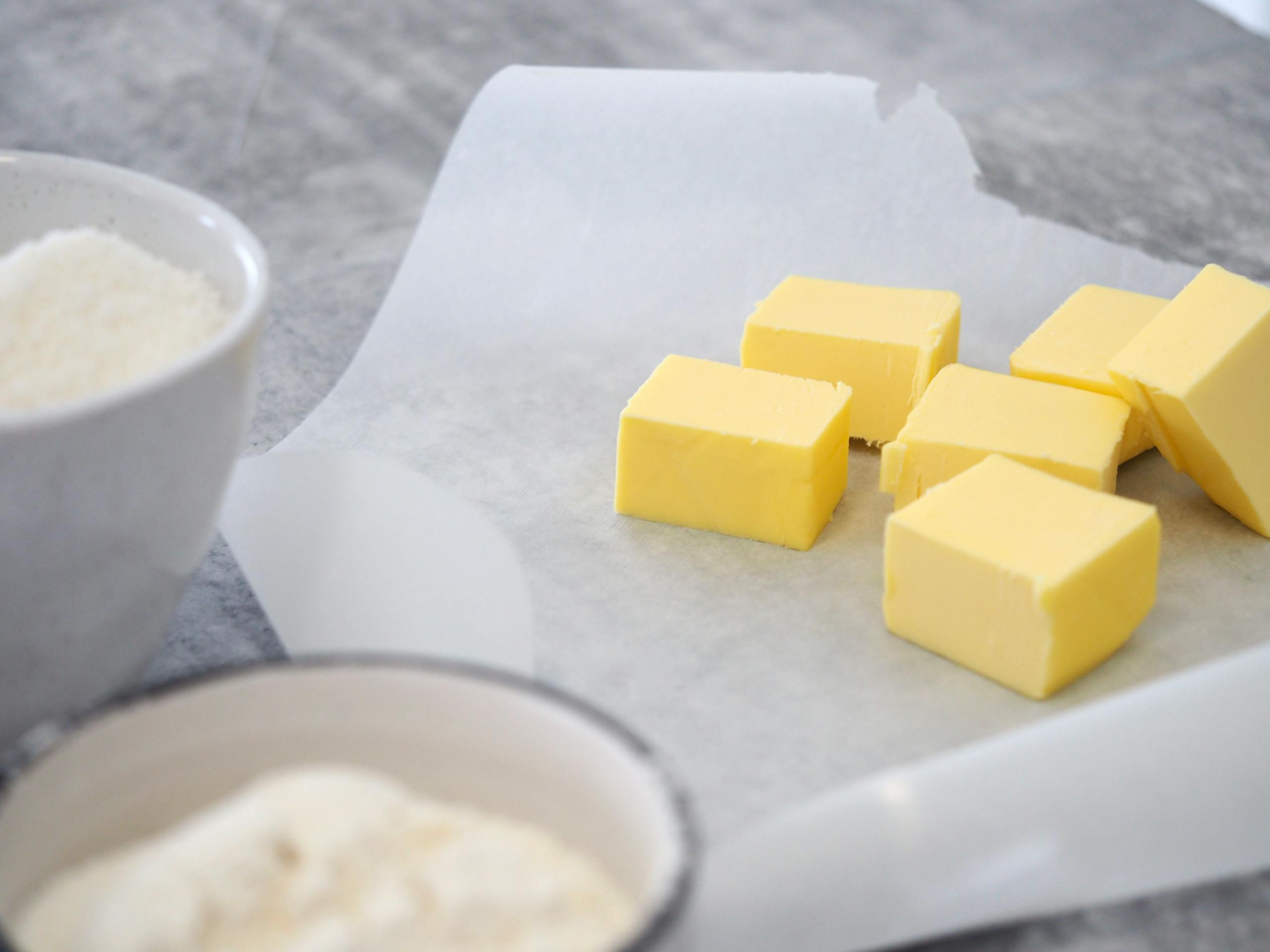
Old-school margarine earned its bad reputation because some versions contained partially hydrogenated oils, the major source of artificial trans fat. The United States has taken strong regulatory action against partially hydrogenated oils, and the FDA confirmed that these oils are no longer generally recognized as safe in food. Even so, label reading still matters because some foods may contain small amounts of trans fat from processing, imported products, or older formulations in certain markets.
Brain health enters the picture through blood vessels and dementia risk. A Neurology study found that higher serum elaidic acid, a marker of industrial trans fat exposure, was a possible risk factor for all-cause dementia and Alzheimer’s disease later in life. We should look for “partially hydrogenated oil” on ingredient lists and choose olive oil, avocado oil, nut butter, or small amounts of real butter instead. The goal is not fear of fat. The goal is better fat.
Alcohol and beer can interfere with memory and brain recovery.
Beer, cocktails, wine, and spirits often appear in social life as harmless routine, but alcohol is not brain-neutral. It affects judgment, sleep quality, coordination, mood, reaction time, and memory in the short term. With repeated heavy use, alcohol can damage the body in ways that directly and indirectly affect the brain, including through liver disease, blood pressure changes, nutritional deficiencies, inflammation, and increased accident risk.
The CDC states that excessive alcohol use can negatively affect health, and public health guidance continues to treat heavy drinking and binge drinking as major risks. Alcohol-related brain impairment can involve problems with memory, planning, thinking, coordination, and new learning. We should be honest about this without being dramatic. The brain sleeps, repairs, stores memories, and regulates mood better when alcohol is limited, especially at night.
Solvent-processed decaf coffee is worth a label check

Decaf coffee is not automatically bad for brain health. In many cases, coffee can fit into a healthy diet, especially when it is unsweetened and not turned into a dessert drink. The concern is mainly with some decaffeination methods that use methylene chloride, a chemical solvent. The FDA allows methylene chloride in decaffeinated coffee within residue limits, and the EPA has taken separate action to restrict many consumer and industrial uses of methylene chloride because of health risks.
This is a good place for nuance. The risk from a cup of decaf coffee is not the same as industrial chemical exposure, and many experts consider regulated residue levels low. Still, people who drink decaf daily may prefer brands labeled Swiss Water Process, water-processed, or carbon dioxide processed. That simple label check gives peace of mind without forcing coffee lovers to give up the ritual.
Cannabis edibles may not be harmless to the brain and blood vessels.
Cannabis-infused gummies, brownies, chocolates, and drinks can look less risky than smoking because they do not involve inhaling smoke. That does not make them automatically safe for everyone. THC affects attention, reaction time, short-term memory, and coordination, and edible products can be especially unpredictable because they take longer to kick in. People may take more before the first dose peaks, which can lead to stronger effects than intended.
Recent cardiovascular research adds another layer of concern. The American Heart Association reported in 2024 that cannabis use, including smoking, eating, or vaping, may raise the risk of heart attack and stroke. NIH coverage of the same large observational study noted that frequent cannabis smoking was associated with a significantly higher risk of heart attack and stroke, although the broader concern also includes non-smoked use. For brain health, we should be especially cautious with frequent use, high-dose products, and use before driving, studying, working, or making important decisions.
What we should eat more often for a sharper brain
The better brain-health strategy is not built around fear. It is built around replacement. When we eat more leafy greens, berries, beans, fish, nuts, whole grains, olive oil, and colorful vegetables, we naturally leave less room for foods that damage brain health over time. The MIND diet gives a practical model because it focuses on everyday foods rather than complicated rules.
We should also remember that brain health is not controlled by diet alone. Sleep, exercise, blood pressure control, diabetes management, social connection, hearing health, mental stimulation, and not smoking all matter. Food still deserves attention because we repeat it every day. A single soda, hot dog, pastry, beer, or basket of fries will not decide the future of the brain. The pattern we repeat for years carries the weight.