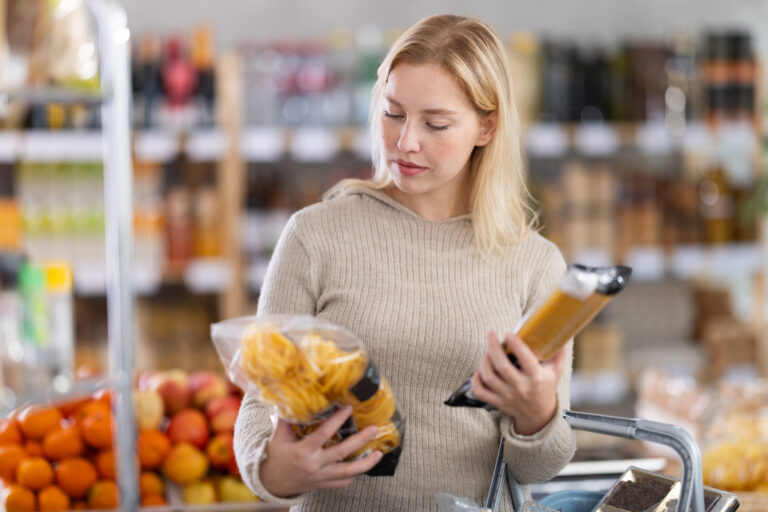
Grocery inflation in the United States may have slowed to around 3% year-over-year in 2026, but the lived reality inside supermarkets tells a different story, because even modest increases layered on top of several years of past food inflation mean households are still operating in a permanently higher price environment where steak, seafood, coffee, snacks, and restaurant meals feel structurally more expensive than they did before 2020, and surveys consistently show that nearly 50% of consumers have changed their food purchasing habits in the last year alone as a direct response to these accumulated costs.
Steak Is Turning Into a “Twice-a-Month Luxury” as Beef Prices Climb Roughly 10%–15%
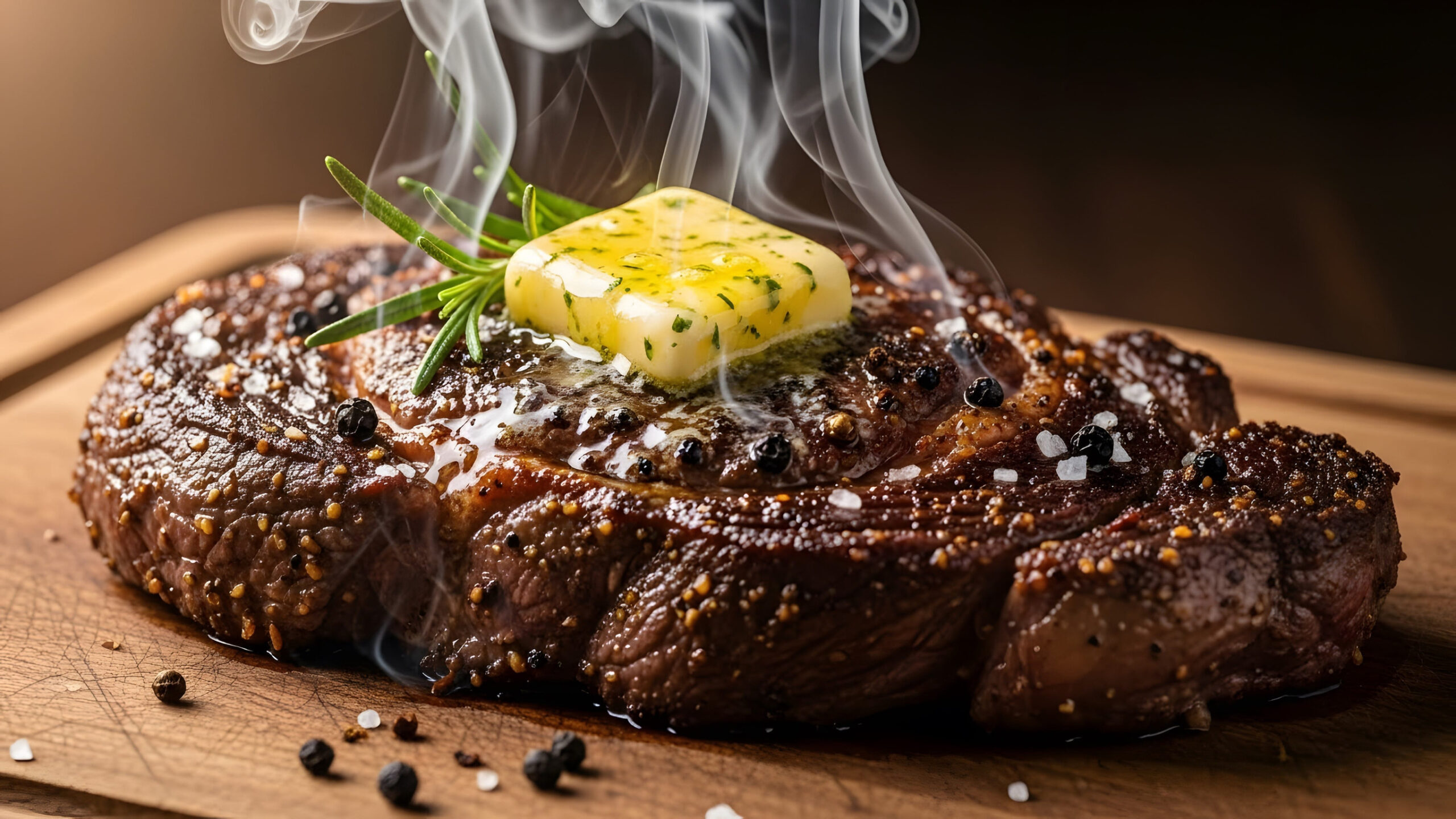
Beef continues to be one of the most inflation-sensitive categories in the U.S. food system, with USDA forecasts pointing toward 10%–12% annual increases in beef and veal prices, and that pressure is visibly reshaping household behavior, because steak dinners that once appeared weekly in many homes are now being reduced to one or two occasions per month, while families increasingly substitute ground beef, chicken, or mixed-protein meals to stretch budgets further, and what makes this shift more significant is not only the price increase itself but the psychological downgrade of steak from a routine protein into a planned “special event” purchase.
Bacon Is Shrinking in Frequency as Packaging Changes and Real Costs Rise 10%–20%
Bacon remains culturally popular, but its role in everyday breakfasts is shrinking as consumers respond to both price increases and subtle packaging changes. According to the U.S. Government Accountability Office, many retail bacon products have experienced shrinkflation in recent years, where package sizes decrease but prices stay the same. As a result, some households are choosing to limit bacon consumption to weekends and are opting for less expensive breakfast options like eggs, potatoes, or sausage, reflecting a growing trend of rationing even small breakfast luxuries.
Eggs Stabilized After Volatility, but Consumer Behavior Changed After 60%+ Price Spikes.
Egg prices have cooled compared to earlier crisis peaks, yet consumer behavior has not fully returned to normal because during supply disruptions eggs surged by more than 60% in some regions, creating a lasting memory of volatility that still influences purchasing decisions today, and even though prices are more stable now, many households continue to buy fewer cartons at a time, avoid egg-heavy recipes, and treat eggs as a monitored item rather than an automatic pantry staple, which demonstrates how inflation shocks can permanently reshape grocery habits even after prices settle.
Seafood Is Moving Into Premium Territory as Costs Rise 8%–14% Across Supply Chains.
According to a report from S&P Global, US shrimp prices have recently increased, with industry sources citing higher freight costs stemming from tensions in the Middle East as a key driver. In many households, this shows how inflation is not eliminating categories but redefining when and how they are consumed.
Crab Legs and Lobster Are Becoming Rare Occasions as Restaurant Prices Hit $30–$80 Per Plate.
Crab legs and lobster have fully transitioned into luxury dining experiences in many U.According to a report from Axios, rising lobster prices in U.S. markets have led to restaurant menu prices for crab legs and lobster entrées frequently reaching between $30 and $80, making dishes like these less common for routine dining and more often reserved for special occasions such as birthdays, holidays, or travel.egular dining culture but instead serve as symbolic “reward meals” that households carefully choose rather than casually order.
Deli Meat Is Losing Its “Quick Lunch” Advantage as Prices Rise 15%–25% Per Pound.
According to USDA data, retail prices for deli meats have increased in recent years, prompting many households to cut back on deli sandwiches and opt for more affordable alternatives such as eggs, tuna, or chicken prepared in bulk. ader trend where convenience is no longer automatically affordable and must now justify its cost against home-prepared alternatives.
Chips, Soda, and Snacks Are Experiencing Shrinkflation Effects of Around 8%–15%
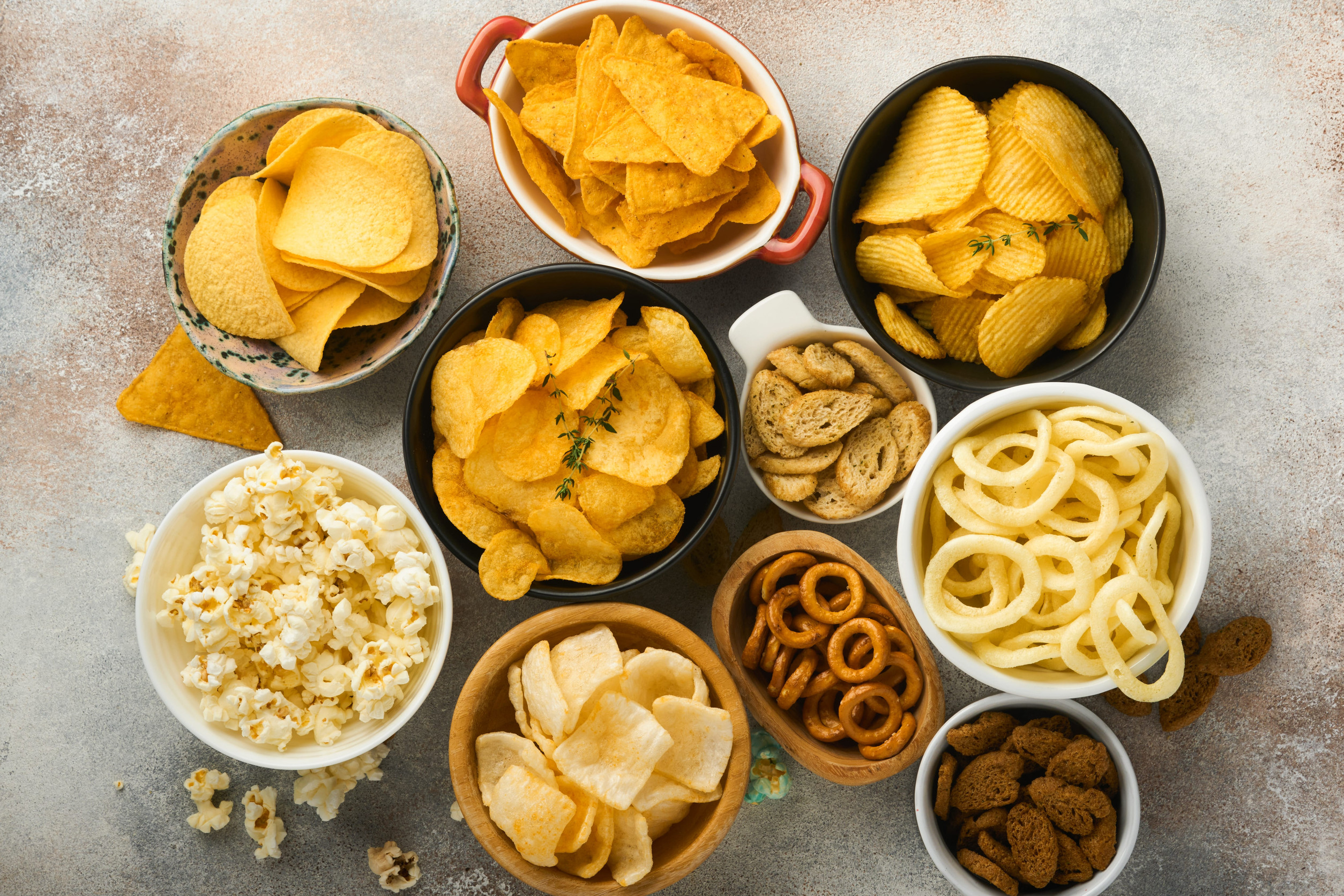
Snack foods remain widely purchased, but by consumers. According to a report from WFSB, shrinkflation is leading American families to pay more at the grocery store while getting less, costing the average family an extra $41 per year. This trend has prompted shoppers to respond by turning to store brands, buying in bulk during promotions, or even cutting back on snack purchases, highlighting how inflation is not just raising prices but also reducing the value people receive from everyday food products.
Orange Juice Has Become a Volatile Breakfast Item With Price Swings Up to 25%
Orange juice has experienced sharp price fluctuations driven by crop disease, weather disruptions, and reduced citrus production, with some retail cycles showing price swings as high as 20%–25%, and this instability has pushed households to downsize packaging, switch to alternative drinks, or eliminate juice from daily breakfasts entirely, meaning a product once considered a basic breakfast staple is now treated as a flexible, non-essential purchase depending on price conditions.
Fast-Food Combo Meals Are Crossing the $10–$15 Threshold Nationwide.
Fast food, long considered the most affordable eating option, has crossed a major psychological pricing line in many cities where combo meals now frequently cost $10 to $15 or more, and when delivery fees, app charges, and tips are included, total meals can exceed $20 per person, leading consumers to increasingly compare fast food with grocery-prepared meals or leftovers, which is fundamentally changing how Americans define “cheap food” in daily life.
Restaurant Burgers and Breakfast Meals Are Up 15%–30% in Many Markets.
Restaurant pricing has absorbed some of the most visible inflation pressure, with burgers and breakfast meals rising roughly 15%–30% depending on location, and what was once a low-cost dining option has shifted into premium territory, especially when add-ons, drinks, and tips are included, causing households to reduce dine-in frequency or shift toward shared meals, which signals a broader recalibration of dining-out culture in the U.S.
Coffee Culture Has Become a Budget Line Item at $120–$250 Per Month Per Person.
According to the National Coffee Association’s 2026 Specialty Coffee Report, specialty coffee has evolved from a minor treat to a more deliberate monthly expense, with daily coffee spending now closely tracked and prompting many consumers to brew at home, limit extras, and cut back on daily purchases. Budgeting.
Fresh Fruit Like Berries and Cherries Is Now 30%+ More Season-Dependent.

According to the USDA Economic Research Service, fresh berries and cherries remain popular among consumers, and while prices do change throughout the year, the data do not indicate that seasonal price fluctuations for these fruits exceed 30 percent between peak and off-season periods. However, ongoing price changes are prompting some households to choose frozen fruit, buy smaller amounts, or become more selective, reflecting how inflation and other market factors are shaping grocery shopping habits.
The Bigger Shift: Americans Are Reclassifying Food Into a New Value System
Across all categories, a consistent pattern is emerging where households are no longer simply reacting to price increases but actively reorganizing food into new behavioral tiers, including everyday staples, sale-dependent purchases, weekend-only treats, and rare luxury foods, and this reclassification means inflation is no longer just an economic statistic but a structural change in how Americans define normal eating, because even as prices stabilize in some areas, the behavioral shift toward substitution, downsizing, and selective consumption has already become embedded in daily life across millions of households.