Israeli Prime Minister Benjamin Netanyahu has pushed back against a U.S.-backed Gaza peace proposal, saying Israel will not withdraw its forces until Hamas is completely and genuinely disarmed. The statement has created new uncertainty around efforts to move the conflict toward a long-term settlement, as disagreements remain over the order of steps required for peace.
Netanyahu’s position centers on one key demand: Hamas must surrender its military capabilities before Israel takes further steps to pull back from Gaza. According to reports, the Israeli leader rejected the idea of what he described as symbolic or incomplete disarmament, arguing that only a full removal of Hamas weapons would satisfy Israel’s security requirements.
The dispute comes after the introduction of a U.S.-backed plan aimed at ending the fighting and creating a framework for Gaza’s future. The proposal reportedly includes Hamas giving up its weapons, the creation of a new governing structure, and a gradual Israeli withdrawal from parts of the territory.
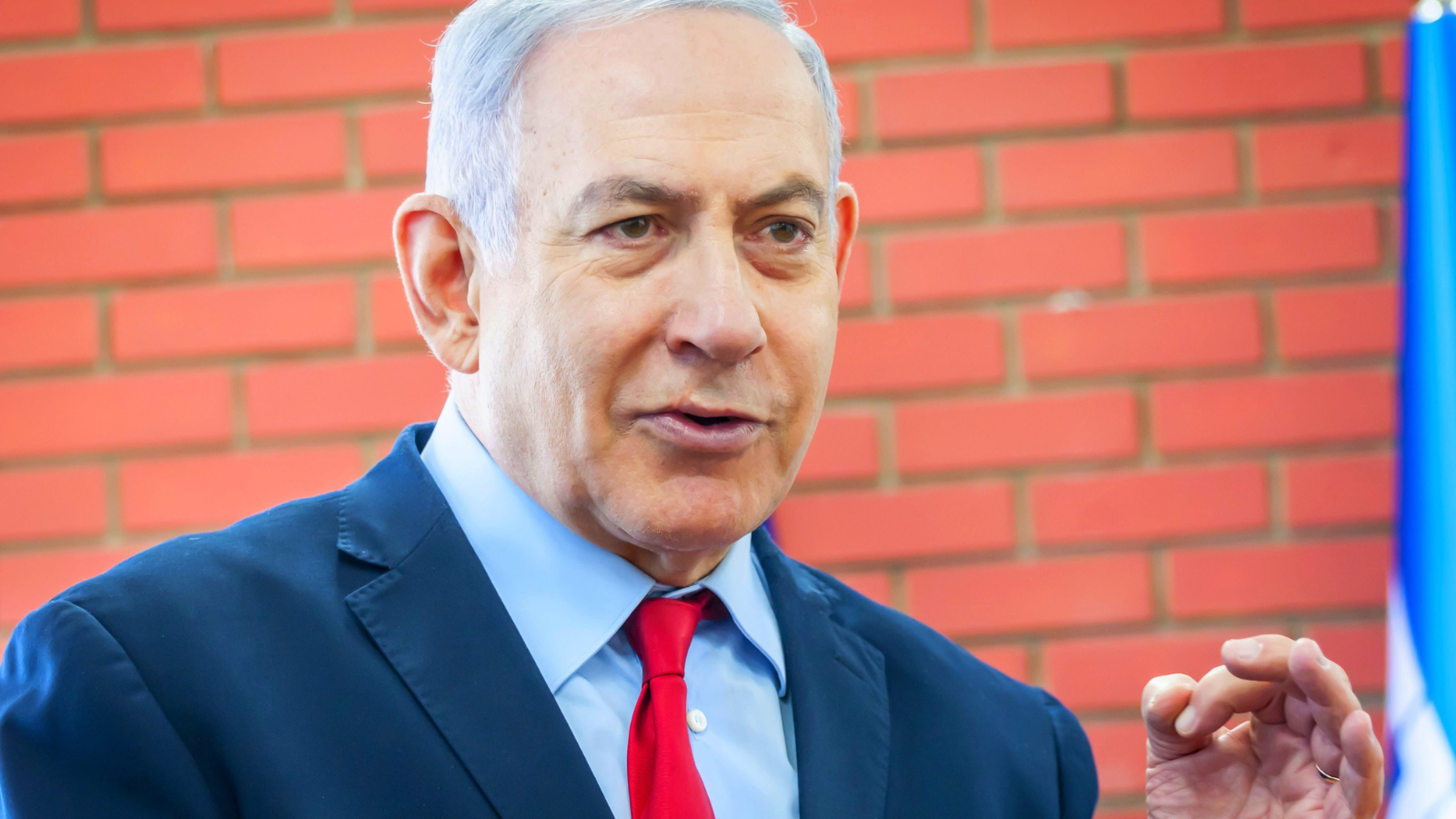
Netanyahu Draws a Hard Line Over Hamas Weapons
romayanu/123rf
Netanyahu’s latest comments highlight one of the biggest obstacles facing peace negotiations: the question of who controls Gaza after the war.
The Israeli government has repeatedly said that Hamas cannot remain a military force in Gaza. Netanyahu has argued that any agreement must prevent the group from rebuilding its armed capabilities or posing another security threat to Israel.
Speaking about the proposed plan, Netanyahu made clear that Israel would not accept what he viewed as an incomplete solution. He said disarmament must include all categories of weapons and not simply a limited reduction in Hamas’s military strength.
The disagreement places the two sides at different starting points. Israel wants security guarantees before withdrawing, while Hamas has linked its cooperation to Israeli military movements and other conditions tied to the agreement.
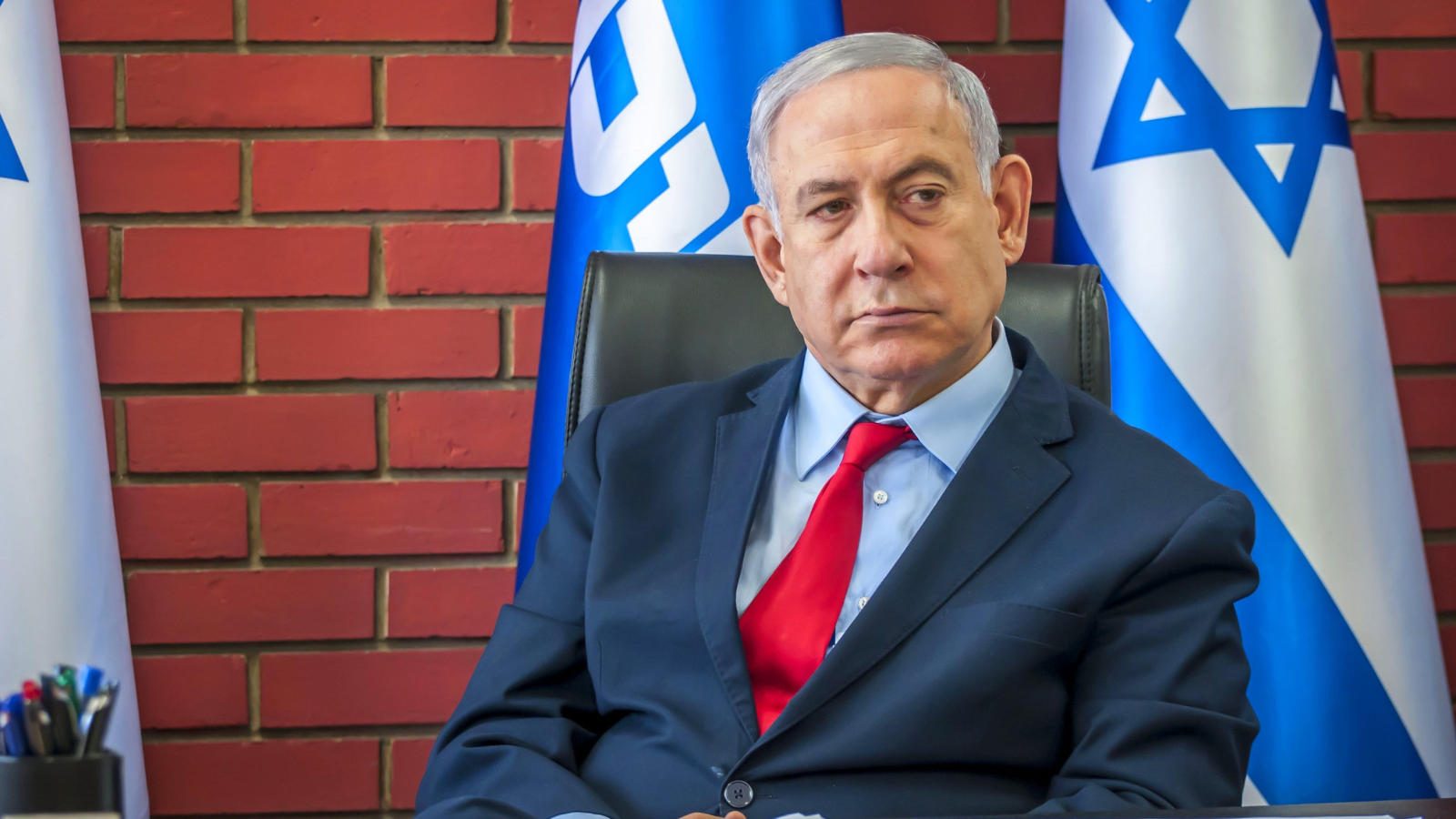
U.S.-Backed Proposal Faces Major Challenges
romayanu/123rf
The peace proposal was developed as part of wider diplomatic efforts to end the Gaza conflict and establish a path toward reconstruction and governance.
Reports indicate that the plan involves a phased process. Under the framework, Hamas would hand over weapons, while Israel would gradually reduce its military presence. A new administration structure for Gaza would also play a role in managing the territory after the conflict.
However, implementing such a plan would require cooperation from both sides, something that has remained difficult throughout the conflict.
Israeli officials have questioned whether Hamas would truly surrender its weapons, while Hamas has demanded guarantees that Israel will follow through with withdrawal commitments. The lack of trust between the two sides remains one of the biggest barriers to progress.
The disagreement also puts pressure on U.S. diplomatic efforts. Washington has attempted to push negotiations forward, but Netanyahu’s rejection shows that major differences remain between Israel’s security demands and the broader peace framework being discussed.
Hamas and Israel Remain Locked Over Next Steps
Hamas has said it remains committed to discussions surrounding the peace roadmap, but the group has called for Israel to take additional steps before moving forward. Those demands reportedly include changes to Israel’s military position and commitments related to the ceasefire process.
Israel, however, argues that past agreements have failed because Hamas has maintained its ability to operate as an armed organization.
For Netanyahu’s government, the central issue is preventing a repeat of previous attacks and ensuring that any future arrangement removes the threat of Hamas rebuilding its military infrastructure.
The disagreement has created a difficult diplomatic situation. Both sides are discussing the possibility of peace, but they disagree on what must happen first.
Israel insists that disarmament must come before withdrawal. Hamas has pushed for Israeli steps before fully committing to the process. That gap has slowed efforts to move from negotiations into actual implementation.
A Peace Deal Still Faces an Uncertain Future
The latest developments show that reaching an agreement will require more than political statements. The biggest questions involve security, governance, and whether both sides believe the other will honor commitments.
For Gaza’s civilians, the uncertainty comes as the region continues to deal with the consequences of prolonged fighting, displacement, and damage to infrastructure. Any future agreement would need to address both security concerns and humanitarian needs.
Netanyahu’s rejection of the current proposal does not necessarily end diplomatic efforts, but it signals that Israel is unwilling to compromise on what it views as a critical security condition.
As negotiations continue, the central question remains the same: can a lasting peace arrangement be created when Israel demands complete disarmament first and Hamas seeks guarantees before giving up its weapons?
For now, that disagreement remains the biggest challenge standing between a proposed peace framework and a final agreement.