The alarm goes off before the house is ready to wake up. A woman checks her phone, sees another bill reminder, replies to a work message, and starts calculating what can wait until the next payday.
By noon, she may have solved three problems nobody noticed, softened two arguments, remembered something everyone else forgot, and still heard someone ask why she seems quiet. That is the strange weight of being expected to function beautifully under pressure.
The things women tolerate often look ordinary from the outside. They show up as unpaid planning, emotional cleanup, interrupted rest, quiet sacrifice, and the kind of patience people mistake for endless strength.
Many women keep going because life does not pause for exhaustion. With everyday stress levels already running high across American households, the small pressures can become the ones that finally feel too heavy.
Being Expected to Remember Everything

Women often tolerate being treated like the family calendar, household search engine, and emotional reminder app. Birthdays, appointments, school forms, medication refills, dinner plans, and missing socks somehow land in their mental inbox.
The exhausting part is not only doing the task. It is carrying the invisible responsibility before anyone else even notices the task exists. After a while, being reliable can start to feel less like a compliment and more like a trap.
Things Women Tolerate When Nobody Notices the Work
A clean kitchen can make a home feel peaceful, but someone had to wipe the counter, empty the trash, plan the groceries, and notice the sponge smelled bad. Women often tolerate the silence around labor that only gets attention when it is not done.
In many marriages where wives and husbands earn similar incomes, wives still spend more time on housework and caregiving. That imbalance can feel especially sharp when everyone enjoys the result, but only one person is expected to manage the process.
Being Called Dramatic for Having a Limit
Women often tolerate being labeled dramatic when they finally react to something they have been quietly managing for months. The breaking point may look sudden to everyone else, but it usually has a long history behind it.
A sharp tone, a closed door, or a sudden refusal may not be an overreaction. It may be the sound of a boundary arriving late. People often notice the reaction more than the repeated disrespect that created it.
Doing the Emotional Cleanup After Conflict

After a family argument, workplace tension, or relationship blowup, women are often expected to smooth the room again. They may soften their words, check on everyone’s feelings, apologize for the tone, and make peace before anyone else has taken responsibility.
This kind of emotional cleanup can become exhausting because it asks women to manage both the hurt and the repair. Being the peacemaker sounds noble until everyone starts depending on one person to keep the whole room from falling apart.
Carrying Childcare Like It Is Automatic
Many women tolerate childcare being treated as an instinct rather than labor. Feeding, bathing, scheduling, comforting, homework help, school emails, doctor visits, and bedtime routines can become so constant that people stop seeing them as work.
Time-use data have shown that among adults in households with young children, women spend more time providing primary childcare than men on an average day. That difference matters because love does not erase fatigue, and devotion does not make constant responsibility weightless.
Smiling Through Workplace Pressure
At work, women often tolerate being expected to be confident but not too assertive, friendly but not too familiar, and ambitious but not too demanding. The rules can feel invisible until they are broken.
A woman may sit through interruptions, vague feedback, extra office housekeeping, or comments about her tone while still trying to protect her paycheck. When rising costs make every job feel more important, swallowing frustration can start to feel like part of the uniform.
Being the Default Caregiver for Everyone
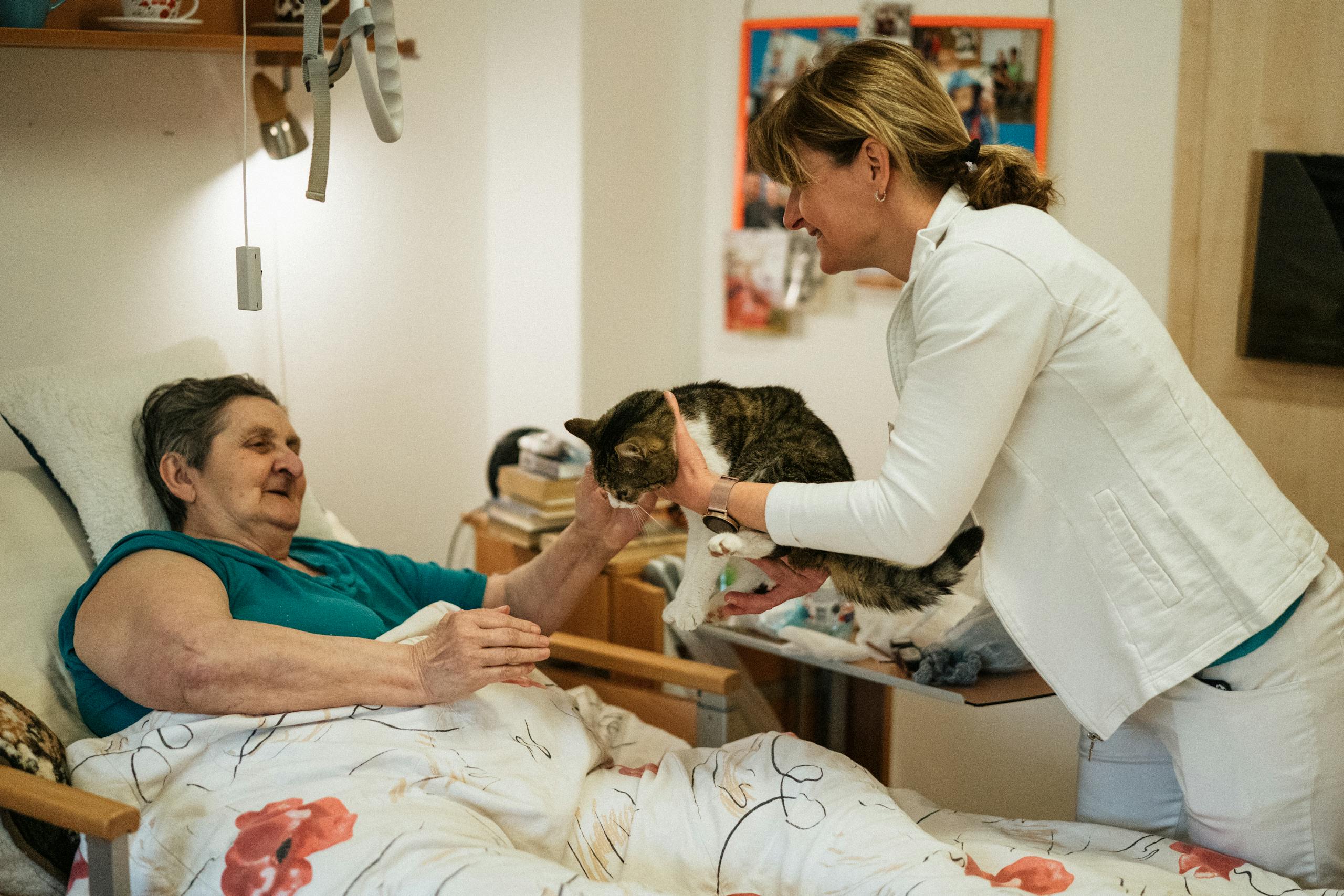
Women often tolerate being the first call when someone is sick, aging, lonely, overwhelmed, or in crisis. They may care for children, partners, parents, siblings, neighbors, and friends, sometimes all in the same season of life.
Caregiving is deeply human, but it can also be financially and emotionally draining. Recent caregiving research found that millions of family caregivers now support loved ones across the country, and that women make up a large share of that unpaid caregiving.
Having Their Rest Treated Like Free Time
Women often tolerate the idea that if they are sitting down, they must be available. Rest gets interrupted by questions, errands, requests, noise, guilt, and the quiet assumption that their pause is less important than someone else’s need.
That wears on the body. Sleep trouble is already common, and recent health data found that women were more likely than men to report sleep trouble most days or every day. When rest keeps being treated as optional, exhaustion becomes a lifestyle rather than a warning.
Being Told to Be Grateful Instead of Honest
Women often tolerate being reminded that others have it worse whenever they speak honestly about being tired. Gratitude has its place, but it should not be used as duct tape over burnout, resentment, or loneliness.
A woman can love her family, appreciate her job, value her home, and still feel stretched thin. Honesty does not cancel gratitude. Sometimes it is the only way to stop pretending that survival is the same thing as peace.
Losing Themselves to Keep Everyone Comfortable

One of the quietest things women tolerate is shrinking their needs so life can keep moving smoothly. They may delay dreams, mute opinions, soften pain, lower expectations, and call it maturity because everyone else seems more comfortable that way.
Human connection matters, but connection should not require self-erasure. Research has linked strong social bonds with better health and well-being, yet real connection should make room for a woman’s truth, not just her usefulness.
Being Praised for Strength Instead of Supported
Women often tolerate being called strong when what they really need is help. The compliment can sound beautiful, but it can also become a way for others to avoid stepping in, sharing the load, or asking what she needs.
Strength should not mean carrying everything quietly until exhaustion becomes normal. A woman can be resilient and still deserve rest, softness, help, apology, and care. If so many things women tolerate are hidden in plain sight, what would change if people stopped praising women for enduring and started helping them breathe?