For many Americans, an RV still evokes images of freedom, open roads, beachside sunsets, and retirement without a strict schedule. But in parts of Florida, that same vehicle is becoming a symbol of something much darker.
For some elderly residents, an RV is no longer a vacation dream; it is the last place they can afford to sleep. Now, local crackdowns on RV living are turning survival into a violation. Cities say they are protecting neighborhoods, utilities, safety, and property standards, but struggling residents see something colder.
They see people with limited money being told that even their backup plan is no longer acceptable.
RVs Are Becoming America’s Last Affordable Shelter
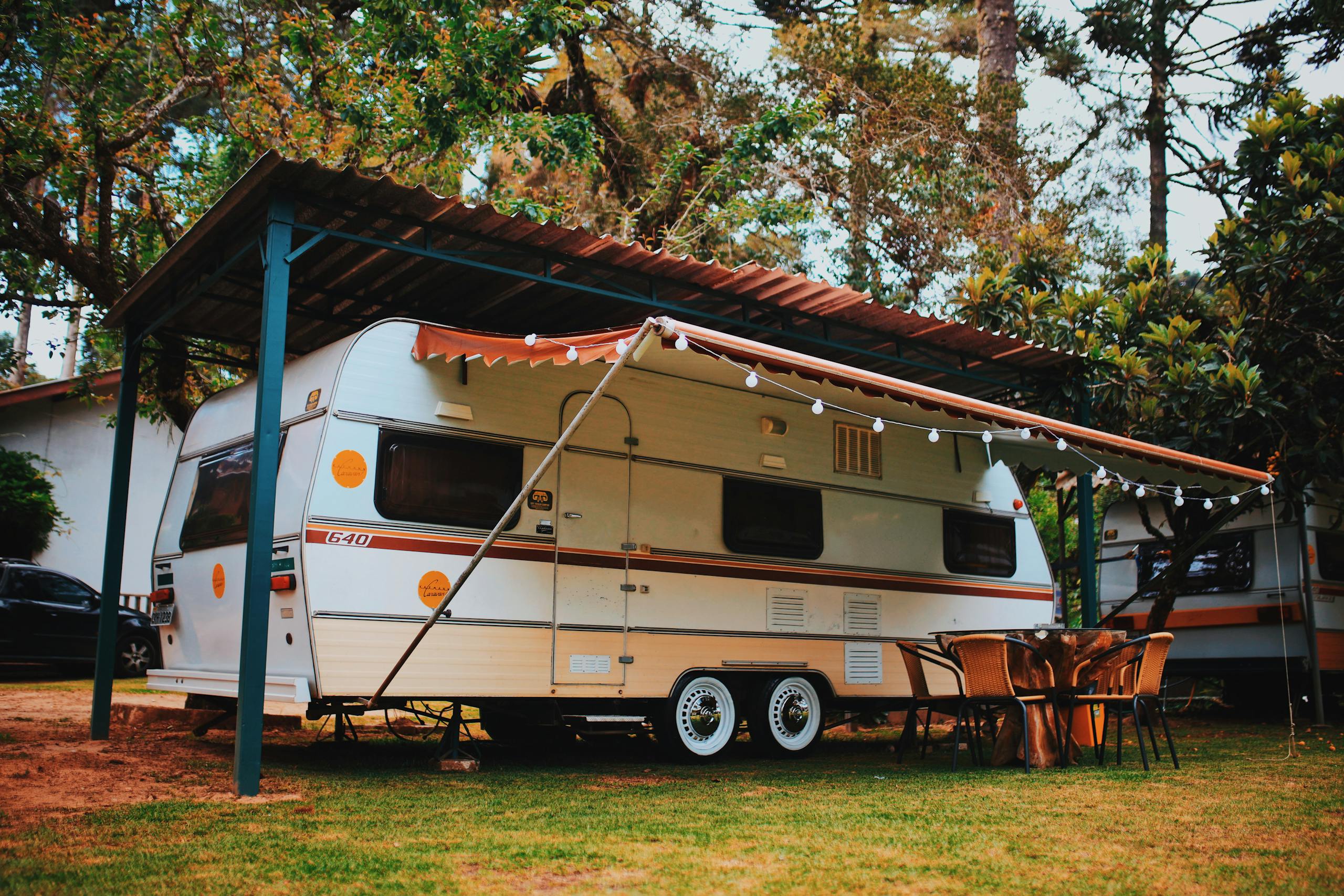
The housing crisis has changed what an RV means. For retirees on fixed incomes, disabled residents, and families squeezed by rising costs, a parked RV can become the only realistic shelter left.
It may not be ideal, but it can offer a bed, a lockable door, and a small measure of privacy. That is why these new restrictions feel so personal. City leaders may describe RV living as a code problem, but many residents experience it as a poverty problem.
When rents rise faster than incomes, people do not choose RV living because it is glamorous; they choose it because the math leaves them with few alternatives.
Florida’s Retirement Dream Is Getting Harder to Believe
Florida has spent decades selling itself as a place where older Americans can slow down, stretch their savings, and enjoy the final chapters of life. That image still exists in glossy ads and real estate brochures, but it does not match reality for everyone.
For many seniors, Florida has become expensive, crowded, and increasingly unforgiving. Insurance costs, rent increases, medical bills, groceries, and utilities can drain a fixed income fast. A senior who once felt financially stable may suddenly find that a modest apartment is out of reach.
When the only affordable option becomes an RV behind a house or on private property, a city crackdown can feel like the final shove.
Cities Say They Are Protecting Neighborhoods
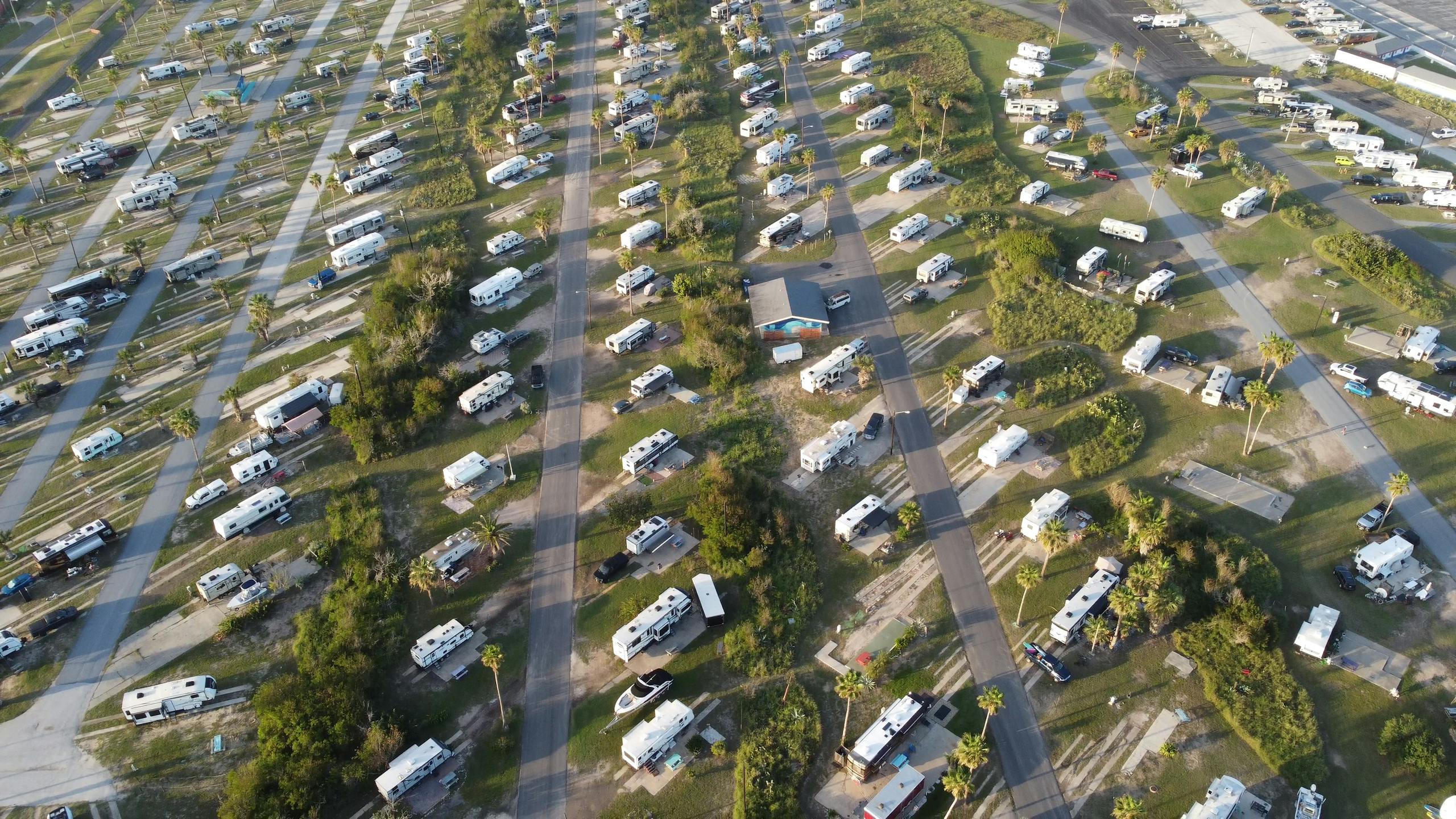
Local officials are not making these rules in a vacuum. Many cities receive complaints about RVs being used as permanent housing, informal rentals, or crowded living spaces. Neighbors may worry about parking congestion, strain on utilities, sanitation problems, fire risks, and the appearance of residential streets.
Those concerns are real, and cities have a duty to keep neighborhoods safe. A poorly connected RV can pose hazards, and illegal rentals can turn quiet blocks into crowded makeshift housing.
The problem comes when every RV resident gets treated like a nuisance, even when some are simply elderly, poor, and trying not to end up homeless.
Private Property No Longer Feels Fully Private
One of the most emotional parts of this debate is the question of private property. Many Americans believe that if someone owns land, they should have reasonable freedom to use it, especially when they are trying to house themselves or a family member.
That belief becomes even stronger when the person involved is elderly or financially vulnerable. But zoning rules often limit what people can do on their own property. A homeowner may own the land and the RV and still face penalties if someone sleeps inside the RV.
To struggling residents, that feels like a painful contradiction: they are told to be self-reliant, then punished when their self-reliance does not fit the city’s preferred image.
Fines Can Make Poverty Even More Expensive
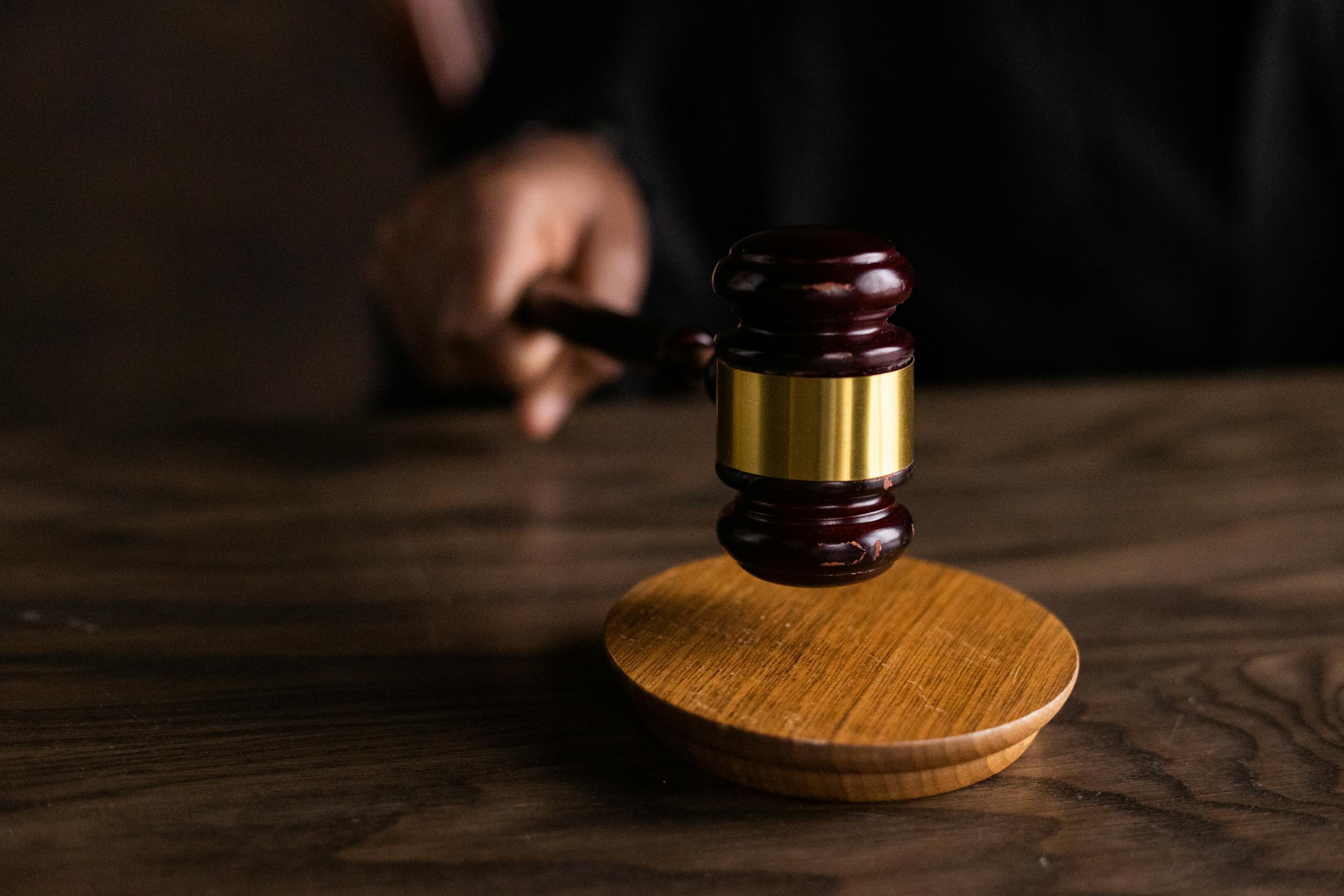
A fine may look like enforcement on paper, but to a poor senior, it can be devastating. Someone who is already choosing RV living probably does not have extra money sitting around for penalties, towing, relocation, or sudden housing costs.
What appears to be a simple code violation to the city can become a financial crisis for the person receiving the notice. This is where enforcement can backfire. A fine does not create an affordable apartment. It does not move someone to a safe senior community.
It simply adds another bill for someone who may already be choosing between food, medicine, and fuel.
The Rules May Push People Into Worse Situations
When cities ban or restrict RV living without offering practical alternatives, the problem does not vanish. People still need somewhere to sleep. Some may move from a private driveway to a parking lot, from a family property to a roadside space, or from a controlled situation into a far more dangerous one.
That is the uncomfortable truth behind many housing crackdowns. The city may become cleaner on the surface, but the human crisis simply moves out of view.
For elderly residents, that move can be dangerous because age, disability, illness, and lack of transportation make sudden displacement even harder to survive.
America Is Running Out of Compassionate Housing Answers
The Florida RV debate reflects a larger American failure. Too many communities are responding to visible poverty with restrictions instead of solutions. They want fewer RVs, fewer tents, fewer people sleeping in vehicles, and fewer signs of hardship, but they are not always building enough affordable places for those people to go.
A more humane approach would separate unsafe abuse from honest survival. Cities could create hardship permits, safe parking programs, temporary RV rules for seniors, clearer utility standards, and stronger links to affordable housing services.
The goal should be safety without cruelty, order without pretending that poverty disappears when it is pushed off one street.
Conclusion

Florida’s RV crackdown is not just a local zoning story. It is a warning about what happens when housing becomes so expensive that even older Americans who have worked for decades are left clinging to their vehicles for shelter.
Cities have every right to protect public safety, but they also have a responsibility to see the people behind the violations. For seniors living in RVs, the question is not about luxury or convenience. It is about survival, dignity, and the fear of having nowhere else to go.
If America keeps treating the last affordable shelter as the problem, it may ignore the deeper crisis staring back from every driveway, parking lot, and roadside where someone is simply trying to make it through the night.