Italy may be famous for pizza, pasta, and gelato, but anyone who has explored the country beyond its tourist restaurants knows there is much more to discover. Every region has its own culinary identity, and some of the most memorable meals come from simple neighborhood trattorias, bustling food markets, and small family-run kitchens.
The country’s food culture is so distinctive that even familiar dishes change dramatically from one city to another. Pasta in Rome differs from Bologna’s, while Naples’ pizza follows traditions that have made the city famous worldwide.
In December 2025, UNESCO added Italian cooking to its Intangible Cultural Heritage list, recognizing the traditions, shared meals, and knowledge passed down through generations.
For travelers who want to experience Italy through its food, five cities stand out. From Bologna’s handmade pasta to Palermo’s unforgettable street food, these destinations offer a delicious introduction to how Italians really eat.
Bologna- The City Where Pasta Is Practically a Religion
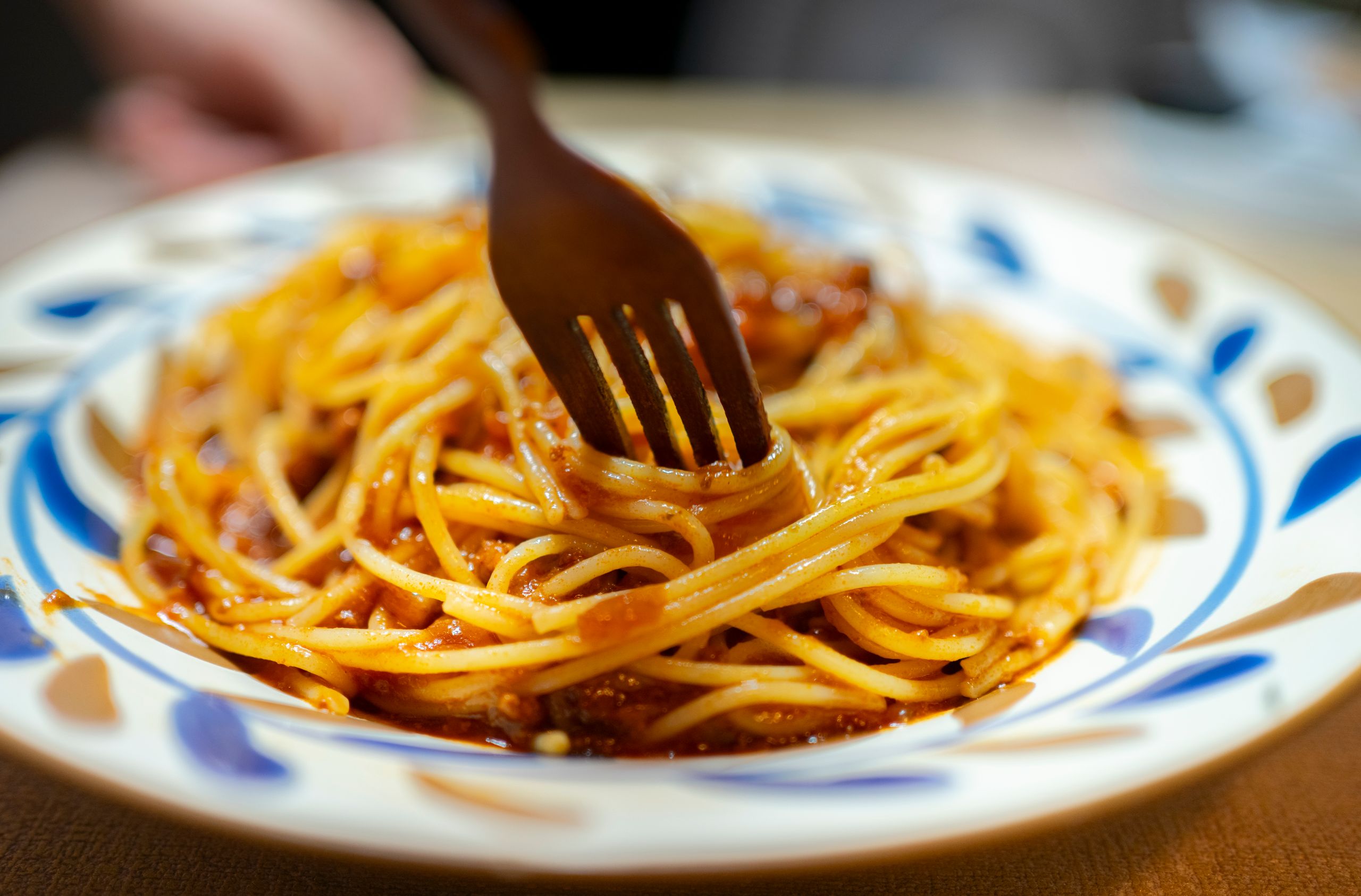
Bologna has earned the nickname La Grassa, meaning “the fat,” thanks to its famously rich culinary traditions. Located in the Emilia-Romagna region, the city is celebrated for fresh pasta, cured meats, and recipes perfected over generations.
While tourists elsewhere might order spaghetti Bolognese, locals in Bologna know that the traditional dish is tagliatelle al ragù.
The pasta consists of long, flat ribbons of fresh egg dough served with a slowly cooked meat sauce. Unlike many international versions, authentic ragù emphasizes meat rather than overwhelming the plate with tomato sauce.
Another specialty worth discovering is tortellini in brodo, tiny stuffed pasta parcels traditionally served in a comforting meat broth.
Mortadella, the city’s famous delicately seasoned cooked sausage, is another local favorite. People commonly serve it in sandwiches or alongside regional breads.
For a true local experience, explore the Quadrilatero market district, where food shops, delicatessens, and traditional eateries celebrate Bologna’s culinary heritage.
A neighborhood trattoria is also a great place to enjoy handmade pasta without the elaborate atmosphere of a fine-dining restaurant.
Must-try specialties: Tagliatelle al ragù, tortellini in brodo, mortadella, lasagne verdi, and crescentine
Naples- The Birthplace of Pizza and a Street Food Paradise
For pizza lovers, visiting Naples is practically a pilgrimage.
The southern Italian city is widely recognized as the birthplace of modern pizza, and its traditional preparation remains an important part of local identity.
Authentic Neapolitan pizza features a soft, slightly chewy crust, a raised outer edge, and a relatively thin center.
The classic Margherita combines tomato, mozzarella, fresh basil, and olive oil. Simple ingredients are transformed by a blazing-hot oven and the skill of experienced pizza makers.
In 2017, UNESCO recognized Neapolitan pizza-making as intangible cultural heritage.
However, Naples offers far more than its signature pizza.
Visitors should try pizza fritta, a fried version commonly filled with ricotta, provola, and pork cracklings.
Another local favorite is the cuoppo, a paper cone filled with assorted fried snacks. Depending on the vendor, it might contain seafood, vegetables, or other savory bites.
If you have a sweet tooth, seek out sfogliatella, a shell-shaped pastry traditionally filled with ricotta, semolina, and candied citrus.
For an authentic experience, wander through Naples’ historic center and stop at small bakeries, pizzerias, and street-food counters.
Specialties not to miss: Pizza Margherita, pizza fritta, cuoppo, frittatina di pasta, and sfogliatella.
In Naples, some of the most satisfying meals can be enjoyed standing at a counter or walking through the city’s lively streets.
3. Rome- Where Traditional Pasta Dishes Steal the Show
attracts visitors with its ancient monuments, magnificent fountains, and historic neighborhoods. But beyond the Colosseum and Vatican City, the city’s food scene centers on some of Italy’s most recognizable pasta dishes.
Roman cuisine is known for bold flavors and recipes that achieve remarkable results with relatively few ingredients.
Carbonara is perhaps the most famous example.
Traditional Roman carbonara combines pasta, eggs, pecorino Romano cheese, guanciale, and black pepper. Contrary to many international versions, authentic carbonara does not require cream.
Another essential dish is cacio e pepe, which translates to “cheese and pepper.”
Made with pasta, pecorino Romano, and black pepper, it demonstrates how careful preparation can turn a handful of ingredients into something extraordinary.
Amatriciana offers another popular choice, combining tomato sauce, guanciale, and pecorino Romano.
Beyond pasta, Rome is famous for supplì, crispy fried rice snacks traditionally containing a tomato-based rice mixture and melted mozzarella.
To experience these dishes in a more local setting, explore traditional eateries in neighborhoods like Testaccio, an area closely tied to Roman food culture.
Don’t miss: carbonara, cacio e pepe, amatriciana, supplì, and carciofi alla romana.
Rome’s official tourism website highlights traditional pasta recipes and locally produced cheeses as key parts of the city’s culinary identity.
Florence- The Best Place to Experience Rustic Tuscan Cooking
Florence is celebrated for Renaissance art and breathtaking architecture, but its culinary traditions deserve just as much attention.
Unlike cities famous for elaborate sauces, Florentine cooking often focuses on rustic ingredients and straightforward preparation.
One of its most celebrated dishes is bistecca alla Fiorentina, a thick, bone-in steak traditionally grilled and served rare.
The dish is closely associated with Tuscany’s cattle-raising traditions and remains a highlight at many traditional restaurants.
But Florence isn’t just about expensive cuts of meat.
Ribollita, a hearty soup made with vegetables, beans, and bread, offers a taste of Tuscany’s resourceful rural cooking.
Another popular specialty is pappa al pomodoro, a thick tomato-and-bread dish that demonstrates how simple ingredients can produce deeply satisfying flavors.
Adventurous eaters should try lampredotto, a traditional sandwich made with slow-cooked cow’s stomach, commonly served with salsa verde.
Lampredotto stands throughout Florence offer visitors a chance to sample a dish with deep local roots.
For another classic taste, try schiacciata, Tuscany’s flatbread, often enjoyed plain or filled as a sandwich.
Specialties not to miss: Bistecca alla Fiorentina, ribollita, pappa al pomodoro, lampredotto, and schiacciata.
Palermo-The Ultimate Destination for Italian Street Food Lovers
Palermo, Sicily’s vibrant capital, offers a distinctly different Italian dining experience.
Its culinary traditions reflect centuries of cultural exchange, particularly influences from Arab, Norman, and Spanish communities.
Rather than centering every meal around a restaurant table, Palermo encourages visitors to explore its busy streets and historic markets.
Among the city’s most recognizable specialties are arancine, golden fried rice balls commonly stuffed with ragù, cheese, or other fillings.
Another local favorite is panelle, thin chickpea-flour fritters often served in a bread roll.
Visitors should also try sfincione, a thick, soft Sicilian-style pizza topped with tomato, onions, cheese, and anchovies.
For those willing to explore something more unusual, pani câ meusa is a traditional sandwich filled with cooked veal spleen.
Palermo’s historic markets, including Ballarò, Capo, and Vucciria, offer lively settings to discover these specialties.
And no food-focused visit would be complete without dessert.
Cannoli, featuring crisp pastry shells filled with sweet ricotta, are among Sicily’s best-known treats.
Don’t miss: arancine, panelle, sfincione, pani câ meusa, and cannoli.
How to Eat Like a Local When Visiting Italy
Experiencing authentic Italian food involves more than ordering famous dishes.
Start by paying attention to regional specialties. A dish that is popular in one city may be uncommon in another, and local menus often reflect ingredients traditionally produced nearby.
Explore food markets, neighborhood bakeries, and smaller trattorias instead of relying solely on restaurants around major tourist attractions.
Seasonal menus also offer opportunities to discover dishes not available year-round.
Most importantly, give yourself time to enjoy the experience.
Italian culinary traditions value shared meals, familiar recipes, and the pleasure of gathering around a table.
Whether you choose handmade pasta in Bologna, pizza in Naples, traditional Roman dishes, Tuscan comfort food, or Palermo’s remarkable street snacks, each city offers something distinctive.
Italy’s greatest culinary secret may be that no single Italian cuisine exists. Countless regional traditions make the discovery of them, one delicious meal at a time, part of the adventure.
Posts You May Like:
6 Incredible Street Food Dishes to Add to Your Bucket List
10 Most Beautiful Cities in the World