Los Angeles is trying to prepare for the world’s biggest sporting stage without breaking one of the industries expected to carry it.
City leaders have delayed the full rollout of the so-called “Olympic Wage,” a plan that would raise pay for covered hotel and airport workers to $30 an hour. The wage was originally tied to the city’s buildup toward the 2028 Summer Olympics, but the final $30 threshold is now pushed to 2030.
The decision has turned a local wage fight into a larger question about what it costs to host global events. Los Angeles wants workers to share in the economic boom expected from the World Cup and Olympics. Hotel owners, however, warn that the higher labor costs could mean fewer jobs, reduced hiring, more automation, and a weaker hospitality sector just as visitors begin arriving.
A Wage Fight Built Around the Olympics
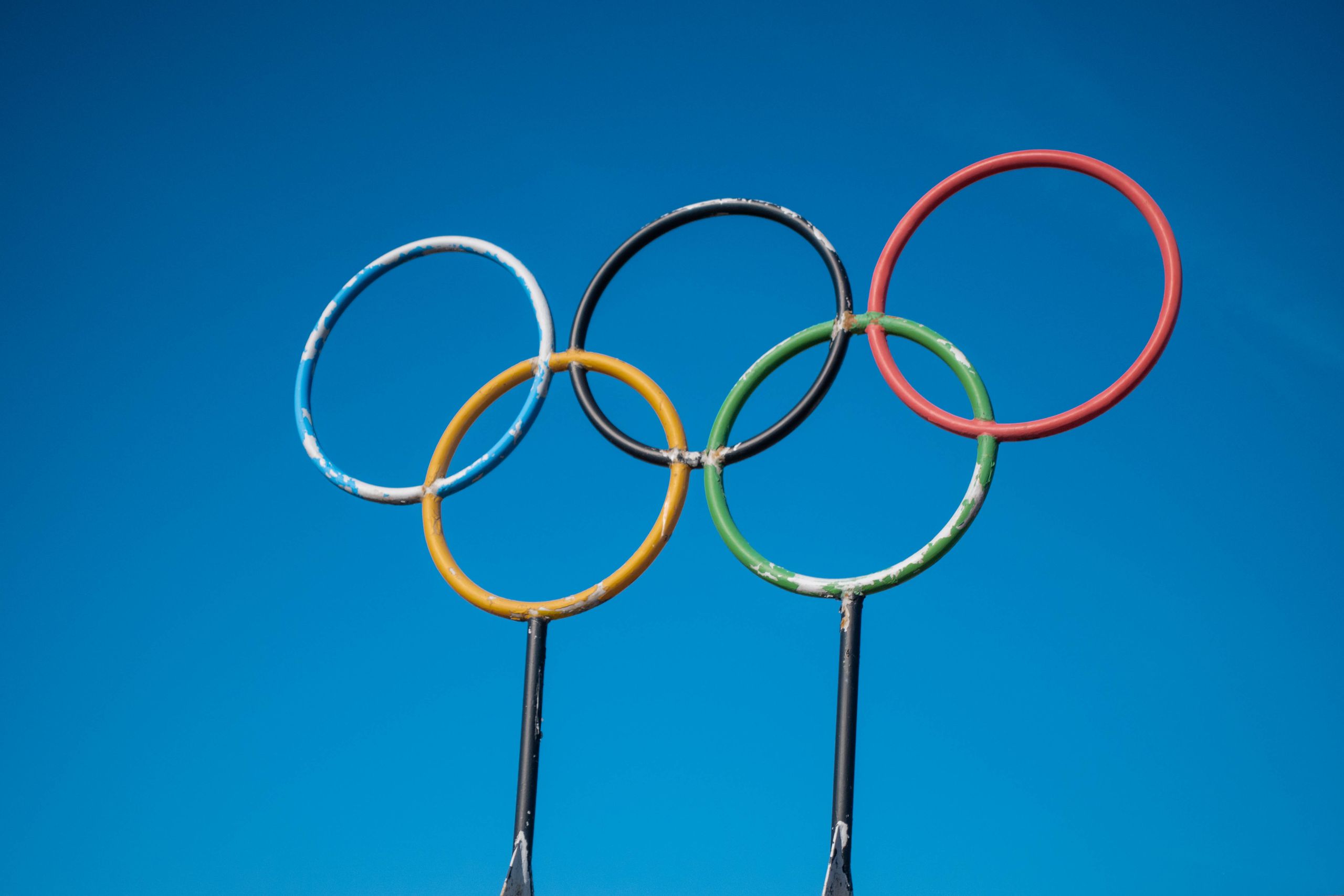
The “Olympic Wage” became political shorthand for a broader argument about who benefits when a city hosts a mega-event.
Supporters argue that hotel housekeepers, airport workers, cooks, dishwashers, and other service employees should not be priced out of the city they help run. Los Angeles is one of the most expensive cities in the United States, and many lower-wage workers already face long commutes, high rent, and unstable schedules.
For labor advocates, the Olympics should not only bring television cameras, packed hotels, and international attention. It should also bring higher wages for the workers who clean rooms, move luggage, serve guests, and keep the tourism engine running.
But hotel owners see the issue differently. They argue that wages cannot rise sharply without consequences, especially in an industry still dealing with higher operating costs, uneven travel recovery, and pressure from short-term rentals, taxes, insurance, and financing costs.
That tension is why the delay matters. Los Angeles did not cancel the wage increase. It slowed the climb.
What Changes Under the New Timeline
The revised schedule still raises wages for covered hotel workers, but it gives employers more time before the full $30 rate arrives.
Under the amended timeline, the wage rises to $25 an hour on July 1, 2026. It then moves to $25.50 in 2027, $28.50 in 2028, $29 in 2029, and finally $30 on Jan. 1, 2030. That means the biggest symbolic number, $30 an hour, will now come after the 2028 Summer Olympics rather than before.
For workers, that delay may feel like a broken promise. Many expected the Olympic spotlight to strengthen their case for better pay before the city’s tourism surge. For hotels, the delay offers breathing room, but not a full escape from the policy.
The core argument remains the same: Can Los Angeles raise wages aggressively without shrinking the number of available hospitality jobs?
Hotels Say the Pressure Is Already Showing
Hotel owners and industry groups have warned that the wage mandate could push some properties to cut staff, freeze hiring, reduce services, or invest more heavily in automation.
That warning lands at a sensitive time. Los Angeles is preparing for the 2026 FIFA World Cup, the 2028 Olympics, and the 2028 Paralympics. Those events are expected to bring major visitor demand, but hotels say short bursts of activity do not automatically solve long-term cost problems.
A sold-out Olympic week may look powerful on paper. But hotels operate year-round. Payroll, maintenance, insurance, utilities, taxes, debt payments, and staffing costs do not disappear after the closing ceremony.
That is the business argument behind the delay. Hotel operators say they need stability before the city enters one of the busiest tourism periods in its history. If costs rise too quickly, they argue, hotels may arrive at the Olympics with thinner staffing, fewer services, and less room to invest in guest experience.
Workers See a Cost-of-Living Crisis
The other side of the debate is just as direct.
For many workers, $22 or $25 an hour in Los Angeles does not stretch far. Rent, food, gas, childcare, and medical costs have changed the meaning of a “good” hourly wage. A number that may sound high in one part of the country can feel barely livable in Southern California.
That is why labor supporters frame the wage increase as basic fairness. Hotels and airlines are expected to benefit from international events. Workers want a share of that benefit before the spotlight moves on.
Their argument is not only about money. It is about dignity, retention, and the right to live near the economy they support.
If Los Angeles wants a polished Olympic image, workers say the city must also look at the people behind that image. A clean hotel room, a smooth airport arrival, and a well-run visitor experience all depend on human labor.
Why the Delay Is Politically Important
The delay shows how hard it is for city leaders to balance labor politics with business pressure.
Los Angeles has long positioned itself as a city willing to push aggressive worker protections. But the Olympic wage debate forced officials to confront a practical problem: a policy can be popular in theory and still create fear in the industries expected to absorb it.
The hotel sector is not just another business category in this debate. It is central to the city’s Olympic readiness. If hotels cut jobs or slow investment, the impact could spill into tourism, tax revenue, visitor experience, and the city’s global image.
At the same time, delaying the wage increase risks angering workers and unions who believe the city is asking them to wait while businesses prepare to profit.
That makes this more than a wage story. It is a powerful story.
The Bigger Question for Other Cities
Los Angeles is not the only city debating how high minimum wages should go in expensive markets. The $30 figure has become part of a broader national conversation in places where housing costs have outpaced wage growth.
Supporters see higher minimum wages as a correction to an economy where full-time work no longer guarantees stability. Opponents see them as a blunt tool that may hurt the very workers they are meant to help if employers respond with layoffs, automation, or reduced hours.
The truth may depend on timing, industry, and local conditions. A wage increase phased in during a strong market can look very different from one imposed on businesses already under pressure.
Los Angeles has now chosen a middle path. It is keeping the wage increase alive, but stretching the timeline past the Olympics.
A Temporary Pause, Not the End of the Fight
The delay gives hotels more time, but it does not end the conflict.
Workers still want higher pay. Hotel owners still warn that the cost structure is dangerous. City leaders still face pressure to prove that the Olympics will benefit residents, not only tourists, sponsors, and developers.
That is what makes the “Olympic Wage” debate so important. It exposes the hidden cost of hosting global events in a city already strained by affordability problems.
Los Angeles wants to welcome the world in 2028. Before it does, it has to answer a harder question at home: who gets to survive the economy built around the Games?
Image suggestion: use a licensed photo of Los Angeles hotel workers, downtown Los Angeles, or the LA Memorial Coliseum/Olympic signage. Caption it clearly, for example: “Los Angeles has delayed the full $30 hotel and airport worker wage until 2030 as the city prepares for the 2028 Summer Olympics.”