Arizona has always had a way of turning overlooked places into expensive conversations. One day, a town feels quiet, roomy, and still within reach. A few years later, the same streets are lined with new restaurants, crowded open houses, higher price tags, and buyers saying the same painful sentence: “We should have bought earlier.”
That is the housing tension building across parts of Arizona right now. The market is not racing everywhere, which makes it easy for buyers to relax. But in certain towns, the pressure is already forming underneath the surface. Jobs are moving in, families are spreading out, retirees are looking for comfort, and remote workers are hunting for space, scenery, and a better daily rhythm.
The smartest buyers are not just watching where prices are high today. They are watching where demand is quietly gathering. These eight Arizona towns could become much harder to afford if buyers wait too long.
Gilbert Is The Family Favorite That Refuses To Cool Off Completely
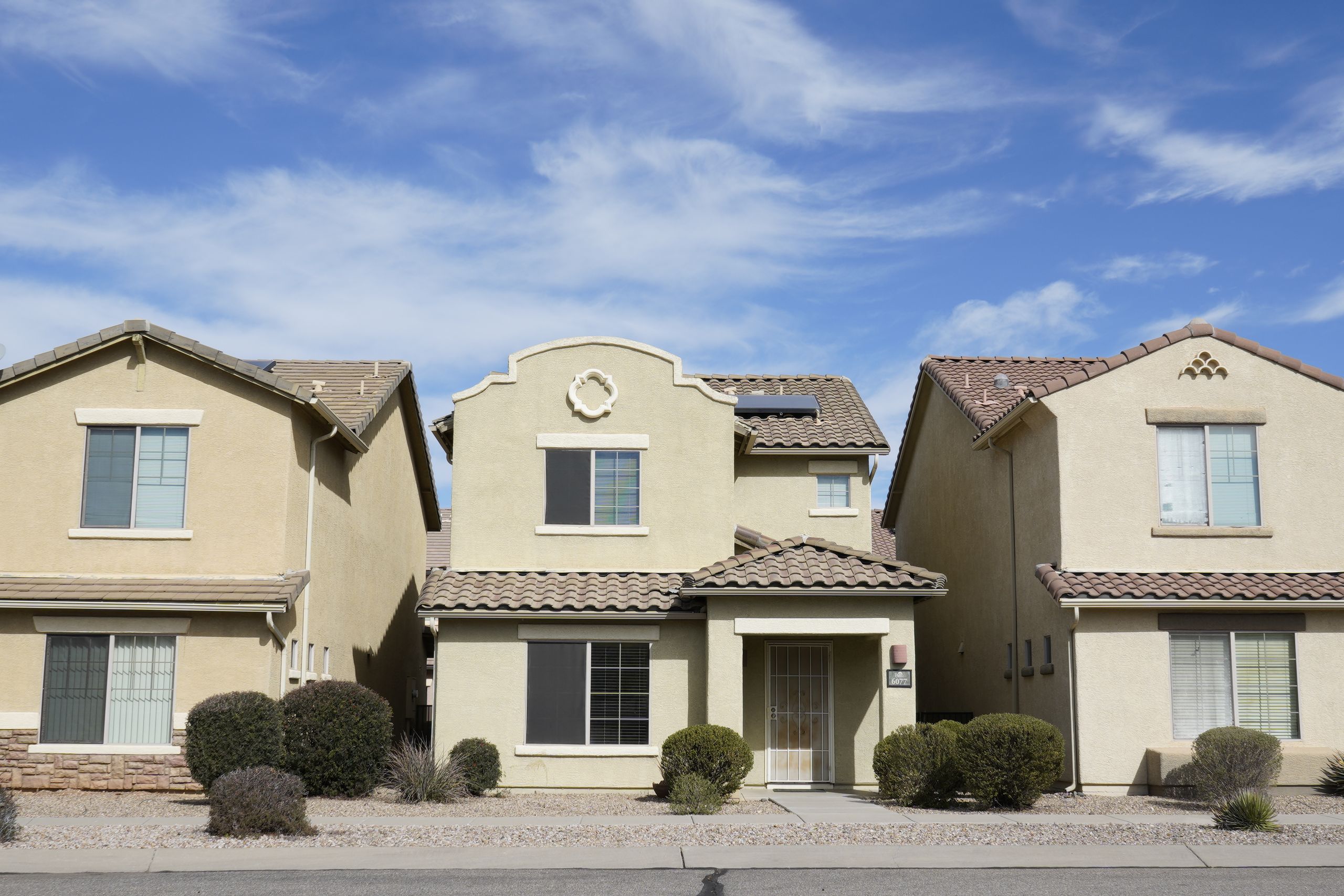
Gilbert no longer feels like a backup plan for people who cannot buy elsewhere. It has become a polished East Valley favorite with strong schools, safe neighborhoods, clean parks, shopping, restaurants, and a family-friendly rhythm that makes daily life easier. That kind of appeal is hard to fake, and it explains why buyers keep circling back even when the wider market slows.
The danger with Gilbert is that many buyers may mistake a calmer market for a weak one. A slower pace does not erase the town’s reputation. Families still want good schools, easy commutes, modern homes, and neighborhoods that feel settled. Gilbert offers all of that without the luxury shock of Scottsdale or Paradise Valley. If mortgage rates ease or buyer confidence returns, this market could tighten quickly again.
Flagstaff Has The One Thing Desert Towns Cannot build
Flagstaff does not have to chase attention the way some fast-growing suburbs do. It already has something rare in Arizona: cool weather, pine trees, mountain air, four seasons, and a lifestyle that feels completely different from the desert floor. Buyers are not simply looking for a house in Flagstaff. They are looking for shade, trails, snow, fresh air, and a slower kind of beauty.
That makes Flagstaff one of Arizona’s most difficult markets to replace. Limited land, university demand, tourism, outdoor recreation, and second-home interest all add pressure. Even when prices pause, the town’s scarcity remains. A buyer who wants Flagstaff’s exact mix of education, scenery, climate, and culture cannot easily find it somewhere nearby at a lower price. That is why waiting here can become expensive fast.
Queen Creek Is The Small-Town Dream Losing Its Secret Status
Queen Creek still sells the feeling that many Arizona families want most: space without isolation. It has newer neighborhoods, family-centered communities, schools, parks, local events, and a calmer pace than many of Phoenix’s older suburbs. Buyers who feel priced out of Gilbert, Chandler, or Mesa often look to Queen Creek, seeing it as one last chance to get more home for the money.
But that is exactly how prices begin to climb. The town’s “better value” reputation can attract demand that slowly erodes the bargain. As more families, professionals, and retirees discover Queen Creek, its small-town charm becomes a bigger selling point. Buyers who wait for the perfect discount may find themselves competing with everyone else who finally noticed the same opportunity.
Paradise Valley Is Protected By Wealth And Scarcity
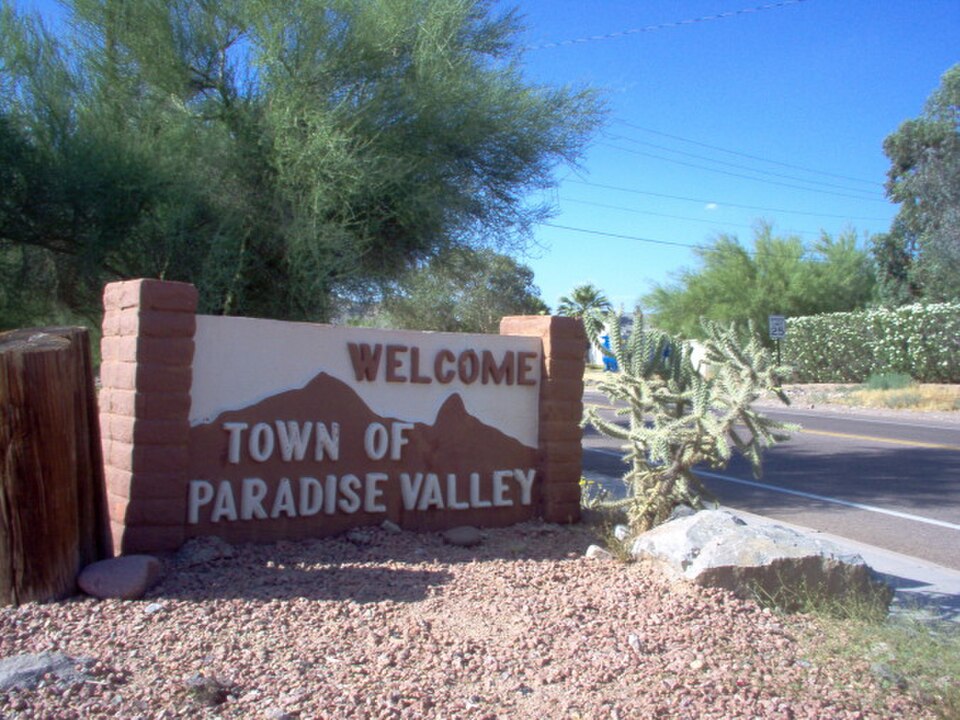
Photo credit:sean horan/wikimedia.org
Paradise Valley is not a normal housing market. It is Arizona’s world of gated estates, mountain views, large lots, resort access, and quiet luxury. Buyers here are not simply shopping for bedrooms and bathrooms. They are buying privacy, prestige, land, and a location between Phoenix and Scottsdale that remains one of the most desirable addresses in the state.
The reason Paradise Valley stays powerful is simple: scarcity does the heavy lifting. There are only so many lots, only so many view properties, and only so many homes with that level of privacy. Even older homes often become tear down opportunities for custom luxury builds. In a town like Paradise Valley, waiting rarely creates huge bargains. More often, it creates a higher entry price.
Goodyear Could Become The West Valley’s Big Surprise
Goodyear may not carry the glamour of Scottsdale or the name recognition of Gilbert, but that is exactly why buyers should pay attention. The West Valley is changing quickly, and Goodyear sits near the center of that growth. New housing, business investment, logistics development, and infrastructure upgrades are making the city more than a commuter suburb.
This is the kind of market where practical demand can become powerful. Buyers want newer homes, more space, access to jobs, and prices that still feel more reasonable than in many East Valley locations. Goodyear offers that mix. As more companies, workers, and families move west, the city’s housing market could gain strength. The buyer who sees Goodyear as “still affordable” today may not feel the same way in a few years.
Chino Valley Offers The Quiet Life Buyers Are Starting To Crave
Chino Valley is not loud, flashy, or trying to look like the next luxury hotspot. That is part of its appeal. It offers buyers open space, a slower pace, and access to northern Arizona living without the higher price tags associated with places like Flagstaff or Sedona. For people tired of traffic, cramped neighborhoods, and rising metro costs, Chino Valley feels like a deep breath.
Its location near Prescott gives it another advantage. Residents can enjoy a quieter lifestyle while still staying close to shopping, health care, services, and recreation. That balance matters more as buyers look beyond crowded suburbs. Chino Valley may not attract every buyer, but it does not need to. It only needs enough people searching for land, calm, and affordability to push demand higher.
Chandler Still Has The Stability Buyers Trust

Chandler is no longer a hidden gem, and that may actually be its strength. It is a proven East Valley city with strong neighborhoods, access to jobs, restaurants, shopping, parks, golf, and a mature suburban feel. Buyers who want convenience without gambling on an untested growth area often put Chandler near the top of their list.
The market’s power comes from usefulness. People can live, work, commute, raise families, and enjoy everyday comfort without constantly having to explain why they chose the city. That kind of stability protects demand. Chandler may not deliver the dramatic bargain some buyers hope for, but strong locations rarely become deeply cheap. If the Arizona market heats up again, Chandler already has the foundation to keep pace.
Show Low Could Become The Mountain Escape More Buyers Want
Show Low offers something that could become more valuable as Arizona’s hotter cities keep growing: cooler air, mountain scenery, forests, trails, and a quieter lifestyle in the White Mountains. It appeals to retirees, remote workers, outdoor lovers, second-home buyers, and families who want nature without paying Flagstaff prices.
The opportunity is that Show Low still feels more approachable than some of Arizona’s better-known mountain markets. That may not last forever. Lifestyle buyers often move in waves, and once people start looking for cooler, scenic, affordable alternatives, smaller mountain towns can tighten quickly. Show Low may seem quiet now, but quiet places can become expensive once enough buyers decide peace is worth paying for.
Why These Arizona Towns Stand Out
These towns do not share a single formula. Gilbert and Chandler are strong because families and professionals trust them. Flagstaff and Show Low stand out because the climate and scenery are becoming more valuable. Queen Creek and Goodyear have growth on their side. Paradise Valley has luxury scarcity. Chino Valley has space and calm at a time when both feel harder to find.
That is what makes Arizona’s housing market so interesting now. The next price pressure may not come from one big statewide boom. It may come from smaller pockets where local demand, lifestyle appeal, job growth, and limited supply all meet. Buyers who only look at today’s median price may miss the deeper story. The real signal is not just what a home costs now. It is why people may want that town more tomorrow.
Conclusion
Arizona is no longer a simple housing market. Some places are cooling, some are holding steady, and some are quietly preparing for another wave of demand. That makes the state tricky for casual buyers but full of opportunities for people who know what to watch for.
Gilbert, Flagstaff, Queen Creek, Paradise Valley, Goodyear, Chino Valley, Chandler, and Show Low each offer a different warning. Some are expensive because they are scarce. Some are growing because jobs and families are arriving. Others are gaining attention because buyers want cooler weather, more land, or a slower life. The common thread is pressure.
Waiting may still make sense in certain markets, but doing so blindly can be costly. In Arizona, the towns that feel reachable today can become tomorrow’s regret. Buyers who study the signals early may have the best chance to move before the crowd catches up.