Ribeye is the steak people buy when they want dinner to feel like an event. It looks rich, cooks beautifully, and carries that deep beef flavor that makes a simple plate feel restaurant-worthy. But here is the uncomfortable truth. A ribeye can go from juicy and unforgettable to chewy, greasy, or flat in just a few wrong moves.
That is why this cut deserves more than a quick toss into a hot pan. Ribeye has natural fat, tenderness, and bold flavor already working in its favor, but those gifts only shine when you choose the right piece, season it well, cook it with patience, and let it rest before slicing. These are the ribeye mistakes that quietly ruin a great steak before anyone takes the first bite.
Choosing Ribeye Without Looking at the Marbling

The first mistake happens before the steak even reaches your kitchen. Many shoppers grab the biggest ribeye in the display case and assume size means quality. It does not. A good ribeye should have fine streaks of fat running through the meat, because that marbling melts as the steak cooks and helps create the juicy, buttery bite people expect from this cut.
That does not mean the steak should look like a slab of pure fat. The best choice usually has even marbling, a fresh red color, and a firm texture. If the fat sits mostly around the edges and the center looks too lean, the steak may cook up drier than expected. Ribeye rewards the buyer who studies the cut for a few seconds before spending the money.
Thinking Every Ribeye Cut Cooks the Same
Boneless ribeye, bone-in ribeye, tomahawk, and Scotch fillet may all come from the same family, but they do not behave exactly the same in the pan or on the grill. A boneless ribeye is easier to handle and cooks more evenly, which makes it a friendly choice for home cooks. A bone-in ribeye brings more drama to the plate and can hold heat differently around the bone.
Tomahawk steak is even more demanding because of its thickness and long bone. It looks impressive, but it needs more control, often with a sear followed by gentler heat to finish the inside. Treating a thick tomahawk like a thin boneless ribeye is how people end up with a burnt crust and a cold center. The cut should guide the cooking method, not the other way around.
Cooking It Straight From the Fridge
A cold ribeye does not cook as evenly as one that has had time to warm slightly before hitting the heat. When the center is icy cold, the outside can brown too fast while the inside lags behind. That is one reason home cooks sometimes get a steak that looks ready on the surface but feels uneven once sliced.
Letting the steak sit for a short time before cooking helps reduce that temperature shock. It also makes seasoning more effective because the surface has time to lose excess chill and moisture. The goal is not to leave meat sitting around carelessly. The goal is to give the steak a smoother path from raw to beautifully seared.
Underseasoning a Thick Cut
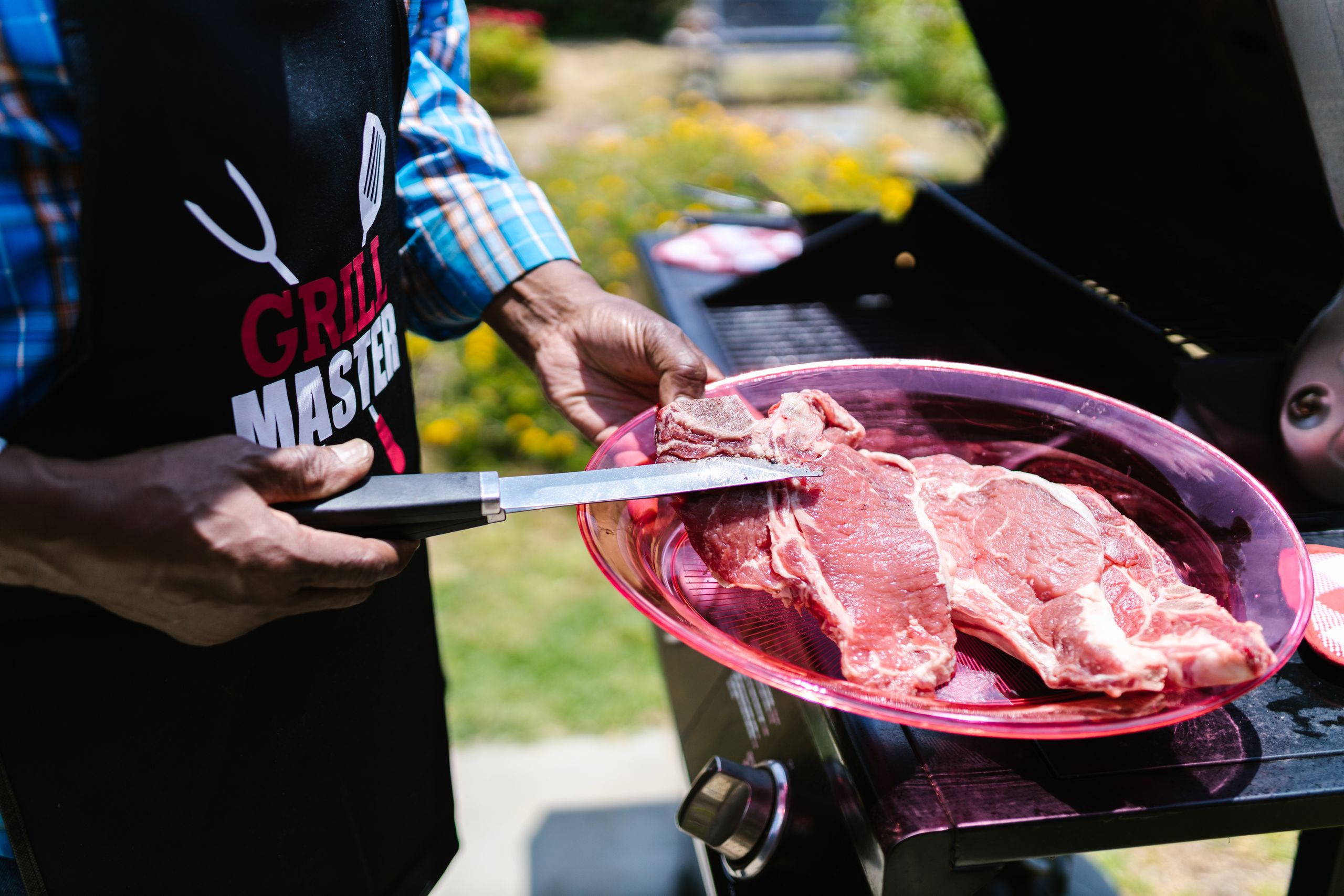
Ribeye has a big personality, and it needs seasoning that can keep up with it. A tiny pinch of salt will disappear on a thick steak, especially once the fat begins to melt and the crust forms. Many disappointing ribeyes taste bland in the middle because the cook seasoned the surface too lightly or added seasoning too late.
Salt is the foundation because it draws out flavor and helps build a better crust. Freshly ground pepper, garlic, smoked paprika, herbs, or a simple butter finish can add more character, but they should support the beef rather than bury it. Ribeye does not need a complicated spice cabinet. It needs confident seasoning and enough time for that seasoning to matter.
Using Weak Heat and Expecting a Steakhouse Crust
A ribeye deserves a strong sear. If the pan or grill is not hot enough, the steak will slowly leak moisture instead offorming that deep brown crustflavor never reaches its full potential. A steakhouse crust does not happen by accident.
A cast-iron skillet, heavy pan, or properly heated grill gives ribeye the contact heat it needs. The steak should sizzle loudly when it lands. That sound indicates the surface is browning rather than steaming. Once the crust forms, the heat can be adjusted depending on thickness, but the first contact matters more than many home cooks realize.
Flipping Too Much Out of Panic
Some cooks treat ribeye like a fragile secret and keep moving it every few seconds. That habit can stop the crust from developing properly. Steak needs contact with the hot surface long enough to brown, and constant movement interrupts that process. A good ribeye does not need nervous attention every moment.
That said, flipping is not the enemy. Panic flipping is the problem. Let the steak sear, check the crust, then turn it with purpose. For thicker cuts, controlled flipping can help with even cooking, but the key is intention. The cook should manage the steak, not hover over it like something is about to explode.
Forgetting That Fat Needs Time to Render

Ribeye is famous for fat, but fat only becomes delicious when it has time to melt and soften. If the steak cooks too quickly on the outside and comes off the heat too soon, the fat can stay rubbery. That makes the steak feel heavy instead of luxurious. The same marbling that makes ribeye special can become a problem when rushed.
This is why thicker ribeyes often benefit from a two-stage approach. Sear the outside, then finish with gentler heat until the inside reaches the right doneness. Some cooks also hold the steak on its fatty edge for a short time to help render the outer fat. That small move can make each bite taste richer and cleaner.
Cutting Into It Too Soon
The hardest part of cooking ribeye may be doing nothing while it rests. The steak smells incredible, the crust looks perfect, and everyone is ready to eat. But slicing too soon sends juices running across the cutting board instead of staying inside the meat. That is one of the fastest ways to turn a promising ribeye into a dry one.
Resting gives the juices time to settle back through the steak. It also allows the heat to finish moving through the center. A short rest can make the difference between a steak that tastes rushed and one that feels balanced. Ribeye is too expensive to ruin in the final minute because impatience won.
Slicing With the Grain
Even a well-cooked ribeye can feel tougher if it is sliced the wrong way. Cutting with the grain leaves long muscle fibers intact, which makes each bite harder to chew. Cutting against the grain shortens those fibers and makes the steak feel more tender. It is a small detail that quickly changes the eating experience.
Before slicing, look at the direction of the lines running through the meat. Then cut across them, not along them. This matters even more when serving ribeye in strips for guests, in sandwiches, in steak bowls, or on family-style platters. The knife can either help the steak shine or undo some of the cook’s best work.
Pairing It With Sides That Fight the Steak

Ribeye is rich, so the sides should balance it rather than compete with it. Heavy sauces, oily sides, and overly rich potatoes can make the whole plate feel too intense. The steak already brings fat, flavor, and drama. It needs support, not a second main character trying to steal the table.
Bright sauces, grilled vegetables, crisp salads, garlic potatoes, mushrooms, asparagus, chimichurri, or peppercorn sauce can all work when used with restraint. The best sides give the palate a break between bites.A great ribeye meal is not just about the steak. It is about building a plate that makes the steak taste even better.
Conclusion
Ribeye is one of the most forgiving premium steaks, but forgiving does not mean impossible to ruin. The cut already brings tenderness, marbling, and bold flavor, so the cook’s job is to protect what is already there. That starts with buying well, seasoning properly, using enough heat, resting the steak, and slicing it with care.
The beauty of ribeye is that it does not demand fancy tricks. It simply asks for attention. Once you understand how the fat, thickness, cut style, and heat work together, the steak becomes far less intimidating. A better ribeye is not about acting like a professional chef. It is about avoiding the small mistakes that make an expensive cut taste ordinary.