McDonald’s built its latest value push around a simple promise: give budget-minded customers more choices for less than $3. That message sounded perfectly timed for millions of Americans who are watching every breakfast stop, every lunch break, and every small drive-thru order with sharper eyes than before.
But the promise is now facing a noisy test online. Some customers say the “Under $3” section inside the McDonald’s app is showing items priced above $3 at certain locations, turning a value campaign into a fresh argument over fast-food affordability.
Screenshots shared by customers clearly show the frustration. Items that were expected to sit below the $3 line reportedly appeared at prices such as $3.19, $3.39, and $3.59, depending on the restaurant. For shoppers already tired of rising menu prices, that difference is not just a few cents. It feels like a broken bargain.
The backlash has grown because the phrase “under $3” carries a direct meaning. Customers do not read it as a loose suggestion, a national average, or a promotional mood. They read it as a price ceiling. When the app appears to place higher-priced items inside that section, the anger becomes easy to understand.
Why the McDonald’s App Is Taking the Heat
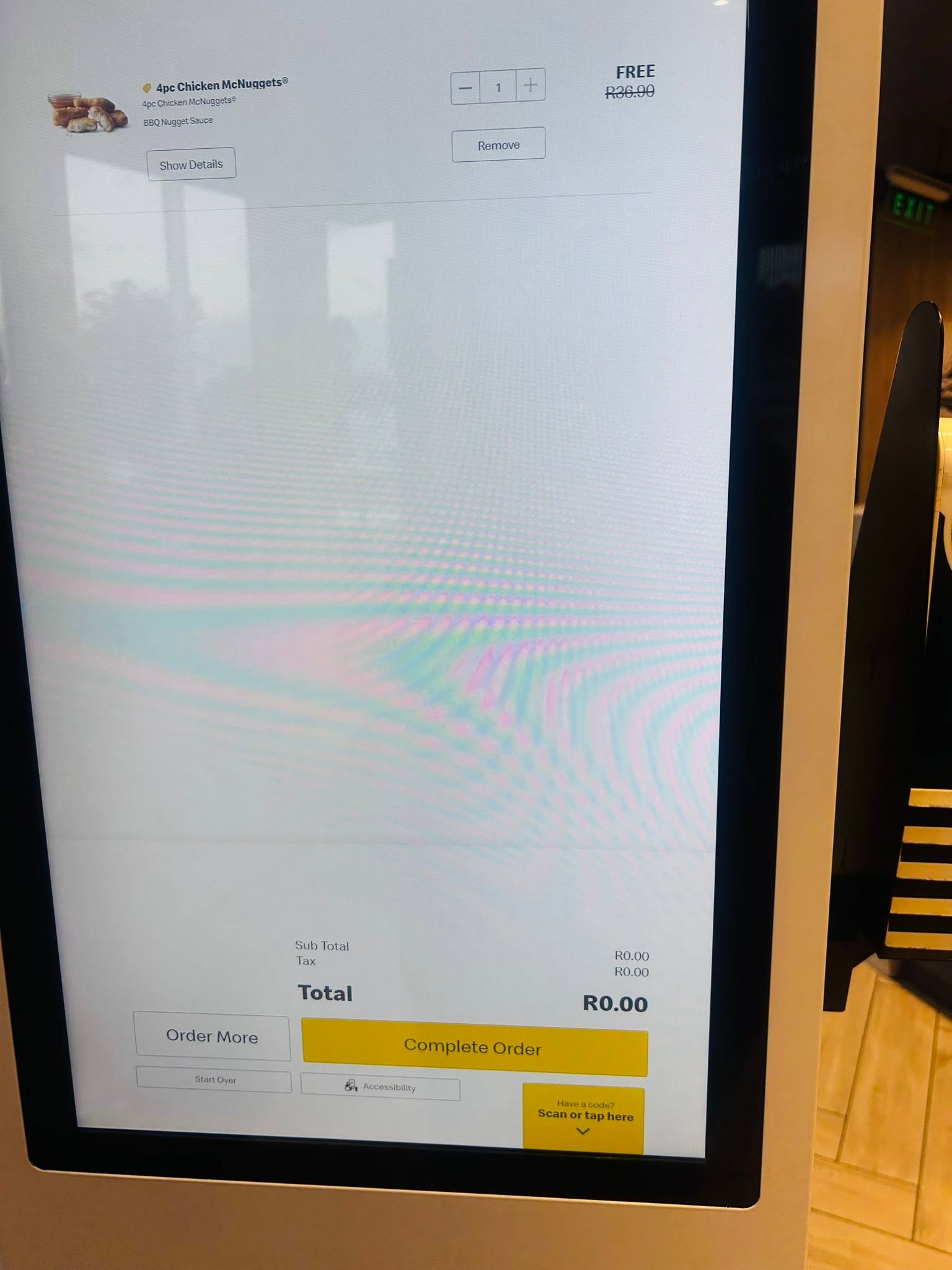
The biggest issue is not only that prices differ. Customers already know restaurant prices can vary by city, franchise, taxes, rent, labor costs, and local operating expenses. The sharper complaint is that the app should be smart enough to match the menu label to the actual local price.
That is why the mobile experience has become central to this story. McDonald’s has spent years training customers to use the app for deals, rewards, ordering, pickup, and loyalty offers. The app is no longer a side feature. It is now part of the restaurant counter.
When a customer opens a section labeled “Under $3,” the app creates an expectation before the customer even clicks. If the listed item then appears above $3, the problem feels personal. The customer feels pulled in by one message and corrected by another.
This is especially damaging in the value category. A premium burger can survive a higher price because customers expect to pay more for size, toppings, or novelty. A value menu does not have that luxury. Its power comes from trust, clarity, and speed.
Customers Are Comparing Today’s Prices With Yesterday’s Deals
The frustration also carries a memory problem for McDonald’s. Many customers remember when certain breakfast items, hash browns, and basic sandwiches felt far cheaper. Those memories may not reflect today’s labor, food, energy, or rent costs, but they strongly shape public reaction.
That is why a hash brown priced above $3 can trigger a stronger response than a more expensive combo meal. Hash browns have long been treated as a small add-on rather than a major purchase. When that item crosses a psychological price line, customers notice.
Fast-food value is emotional because it is tied to habit. A morning biscuit on the way to work, a quick McChicken after school, or a small fries order between errands becomes part of a routine. When the routine suddenly feels expensive, customers react as if something familiar has been taken away.
That is the heart of the backlash. This is not only about McDonald’s. It is about the wider feeling that even the cheapest meals are no longer cheap enough.
The “Under $3” Label Has a Location Problem.
McDonald’s menu prices are not identical across the country. A customer in a lower-cost market may see one price, while a customer in a higher-cost city may see another. Franchise ownership, supply costs, wage rules, state taxes, and local competition can all affect the number on the screen.
That pricing flexibility may make business sense, but it creates a messaging challenge. A national campaign built around a specific number must survive local pricing differences. If it does not, the campaign can look misleading even when the company’s pricing structure is more complicated.
The phrase “participating restaurants” often gives companies room to adjust offers. Customers, however, do not always notice that qualifier. They see the big number first. They remember the promise first. The fine print comes later, often after the frustration has already started.
For McDonald’s, the lesson is clear. A national value menu cannot simply sound affordable. It has to appear affordable on the exact screen where the customer is ordering.
Inflation Makes Every Fast-Food Price Feel Bigger
The backlash is landing at a difficult time for the restaurant industry. Americans have spent years adjusting to higher grocery bills, rent, insurance costs, and service prices. Even when inflation slows, the final price often stays elevated.
That is why a 19-cent or 39-cent difference can become a social media fight. Customers are not judging one menu item in isolation. They are judging it against years of price fatigue.
Limited-service restaurants, including fast-food chains, are still dealing with cost pressures. Labor costs remain a major factor. Packaging costs matter. Rent and utilities matter. Food inputs matter. Technology, delivery partnerships, and app infrastructure also cost money.
Still, customers rarely want a cost breakdown when they are hungry. They want the advertised deal to match the checkout price. That gap between corporate economics and customer expectation is where this story lives.
McValue Was Designed to Win Back Budget Shoppers
The Under $3 Menu is part of McDonald’s wider McValue strategy, which was designed to bring cost-conscious customers back through the door. The menu includes breakfast items, lunch and dinner options, and meal deals designed to make the brand feel more accessible again.
That strategy makes sense. McDonald’s has long depended on the idea that it can serve almost anyone, almost anywhere, at almost any time. A strong value menu protects that identity.
But value is more fragile now. Customers can compare prices instantly. They can screenshot menus, post app errors, and turn one local complaint into a national conversation within hours. A pricing mismatch that once ended at the counter can now travel across the internet.
That means the value menu must perform in two places at once. It must work in the restaurant and online.
A Small Price Gap Can Create a Big Trust Gap
A customer who sees a $3.19 hash brown under an “Under $3” label may not care about the internal reason. The app may be pulling from a preset list of items. The local franchise may have higher prices. The section may have been built nationally while pricing updates happen locally.
None of that changes the customer’s first reaction. The price is above the promise.
That reaction matters because trust is one of the most important currencies in fast food. Customers forgive price increases more easily when the message feels honest. They are less forgiving when the menu label appears to contradict the receipt.
McDonald’s does not need every item to be cheap to win value shoppers. It needs the value items to be clear, consistent, and easy to understand. Confusion creates suspicion, and suspicion weakens the deal.
The Bigger Risk for McDonald’s Is Brand Perception
McDonald’s is not just selling breakfast sandwiches and fries. It is selling familiarity. For decades, the company has benefited from being the quick, predictable, affordable option on the road, near schools, beside highways, and inside busy neighborhoods.
When customers begin describing basic items as overpriced, the brand faces a perception problem. The question becomes bigger than one app section. Customers are starting to ask whether McDonald’s still feels like McDonald’s.
That is a serious issue because fast-food competition is intense. Taco Bell, Wendy’s, Burger King, Subway, convenience stores, grocery-prepared foods, and local restaurants are all competing for the same budget customer. If one chain feels expensive, customers have options.
The value battle is not only about who offers the lowest price. It is about who makes customers feel like they made a smart choice.
McDonald’s Expansion Plans Make the Timing More Important
The controversy comes as McDonald’s continues to aim for massive global growth. The company has discussed plans to reach about 50,000 restaurants by the end of 2027, a target that reflects the brand’s confidence in its long-term demand.
That expansion goal makes the value conversation even more important. A larger restaurant footprint can help McDonald’s reach more customers, but price trust must travel with the brand. Growth works best when customers believe the core promise still holds.
McDonald’s has scale, brand recognition, loyalty data, drive-thru strength, and a powerful app ecosystem. Those advantages are difficult for rivals to match. But scale can also amplify mistakes. If a pricing issue appears in the app, thousands of customers can notice it quickly.
The company’s challenge is not only to grow bigger. It is to make the bigger system feel accurate at the local level.
What Customers Actually Want From the Value Menu
Customers are not asking for luxury. They are asking for clarity. A value menu should answer three simple questions quickly: What can I buy, what does it cost, and will the price stay true at checkout?
If the answer changes by location, the app should reflect that before the customer feels misled. If an item is above $3 locally, it should not sit in an Under $3 section for that customer. If taxes or local charges affect the final bill, the app should make that clear.
This is where McDonald’s can turn a backlash into a fix. The company does not need to abandon local pricing. It needs better filtering, cleaner labeling, and tighter alignment between national marketing and local app menus.
A smarter app experience would protect the campaign. It would also show customers that McDonald’s understands the real complaint.