Violence against women in the United States is not a rare tragedy hiding at the edge of society. It sits inside homes, dating relationships, workplaces, campuses, courtrooms, shelters, hospitals, online spaces, and police reports. We see it in intimate partner violence, sexual assault, stalking, trafficking, reproductive coercion, economic abuse, and homicide. The crisis is deeply personal for survivors, but it is also national in scale, with public health, criminal justice, housing, workplace, and economic consequences.
Violence against women is often imagined as physical assault, but the full picture is wider and more complicated. It includes physical violence, sexual violence, stalking, psychological aggression, threats, humiliation, isolation, surveillance, financial control, reproductive control, technology abuse, and coercive behavior that makes a woman feel trapped. Intimate partner violence can involve current spouses, former spouses, dating partners, or former dating partners, and it may happen once or unfold across years of escalating control.
Domestic Violence Remains the Center of the Crisis
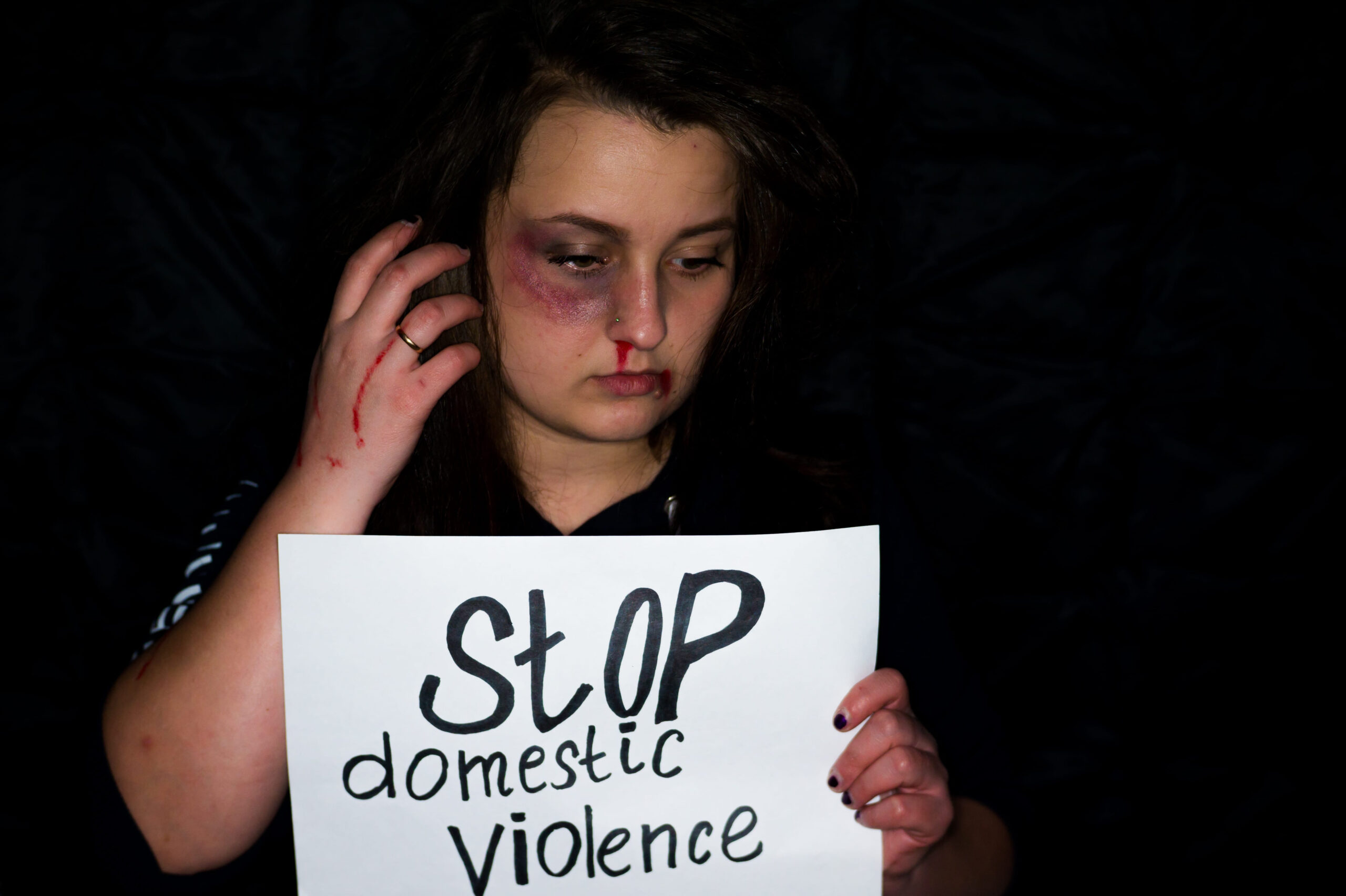
Domestic violence is one of the most persistent forms of violence against women in the United States because it combines emotional attachment, financial dependency, housing insecurity, fear, shame, and danger within the same relationship. A survivor may know the person hurting her, share children with him, depend on him for rent, or fear that leaving will trigger more violence. That is why the question is rarely as simple as why she stayed. The better question is: which systems made leaving so dangerous, expensive, and lonely?
The FBI’s domestic violence special report found that from 2020 through 2024, law enforcement reported more than 11,000 domestic violence murder victims and another 1.1 million domestic violence victims. Nearly 75% of those victims were female. The same report noted that the share of violent crimes occurring within domestic relationships increased over the five-year period studied.
Intimate Partner Violence Often Starts Earlier Than We Admit
Teen dating violence is part of the same national problem. Many adult survivors first experienced violence before they had the language, independence, or support to name it. The CDC reports that about 16 million women and 11 million men said they first experienced intimate partner violence before age 18. That makes prevention in schools, families, youth programs, and digital spaces more than a moral preference. It makes it a safety strategy.
We often teach young people to recognize stranger danger, but many are less prepared to recognize coercive affection. A controlling teenager may demand passwords, punish delayed replies, spread intimate images, shame a partner’s clothing, or treat jealousy as proof of love. Those behaviors may look dramatic or immature at first, but they can become normalized as people grow into adulthood. If we wait until violence becomes severe, we have already missed years of warning signs.
Sexual Violence Is Bigger Than Police Data Shows
Sexual violence is one of the most undercounted forms of violence against women because official crime numbers depend heavily on reporting, definitions, documentation, and survivors’ willingness to enter a stressful system. The National Crime Victimization Survey is important because it measures both crimes reported to police and crimes never reported. Its 2024 report covers nonfatal violent crimes, including rape or sexual assault, robbery, aggravated assault, and simple assault, and it remains one of the main national tools for understanding victimization beyond police records.
The measurement problem matters. A woman may avoid reporting because she fears retaliation, doubts she will be believed, worries about public exposure, depends on the offender financially, distrusts law enforcement, or does not want a long legal process to define the rest of her life. The CDC notes that different national systems measure sexual victimization in different ways, with the NCVS collecting incident details and the National Intimate Partner and Sexual Violence Survey using health-centered, behavior-specific questions that do not require a respondent to label the experience as rape or assault.
Stalking Turns Ordinary Life Into a Map of Fear
Stalking is often minimized because outsiders may see only texts, calls, flowers, social media messages, or repeated appearances. Survivors experience something else. They experience the destruction of normal movement. The grocery store becomes risky. The workplace becomes exposed. A school pickup becomes tense. A new apartment becomes discoverable. A phone becomes both a lifeline and a tracking device.
The CDC identifies stalking as a pattern of repeated unwanted attention and contact that causes fear or concern for safety. Among women in the United States, about 1 in 8 have experienced stalking by an intimate partner. That number matters because stalking is not merely an annoying behavior. It is a warning sign that someone feels entitled to access, attention, and control after being told no.
The Deadliest Risk Often Comes From Someone Close
The public often imagines lethal violence as an attack by a stranger, but women face a severe risk from current or former intimate partners. CDC data from U.S. crime reports suggest that about 1 in 5 homicide victims overall are killed by an intimate partner. For female homicide victims, the danger is even clearer: over half are killed by a current or former male intimate partner.
Firearms make that danger more lethal. Research on intimate partner violence, firearm injuries, and homicide has found that more than half of all intimate partner homicides involve a firearm. A gun can turn a threat into a killing in seconds, and it can also be used without being fired, as a tool of intimidation, hostage control, and psychological terror.
Housing Is One Reason Leaving Can Be Dangerous
Khwanchai Phanthong via Pexels
Leaving abuse often requires more than courage. It requires somewhere to go, money for deposits, transportation, childcare, documents, legal help, privacy, and time away from work. Without those pieces, a survivor may face an impossible choice between staying with an abuser or entering homelessness with children. This is why violence against women is also a housing issue.
The Violence Against Women Act provides housing protections for people applying for or living in federally subsidized housing who have experienced domestic violence, dating violence, sexual assault, or stalking. Those protections can prevent survivors from being denied housing, evicted, or punished because of abuse committed against them. Survivors may also request emergency transfers for safety reasons, and housing providers must protect confidentiality.
Shelters and Services Carry More Weight Than Most People See
Domestic violence programs do quiet, lifesaving work every day. They help survivors find emergency shelter, legal support, transportation, counseling, safety planning, housing advocacy, childcare connections, and court accompaniment. They also answer calls from people who are not ready to leave but need someone to help them think clearly without judgment.
The National Network to End Domestic Violence conducts an annual one-day count of adults and children seeking domestic violence services in the United States. It’s the 20th annual count, conducted on September 10, 2025, that tracks not just who received help, but also service requests that went unmet because programs lacked resources. That gap is where policy failure becomes personal danger. systems.
Human Trafficking Is Violence, Control, and Exploitation
Sex trafficking belongs in any serious discussion of violence against women in the United States. It is not simply movement across borders, and it is not defined by dramatic movie-style kidnapping alone. The FBI defines human trafficking as the use of force, threats, fraud, or coercion to exploit people for labor or services. Sex trafficking occurs when someone is compelled through force, threats, fraud, or coercion to engage in commercial sex acts, and any commercial sex involving a minor is legally considered trafficking regardless of whether force, fraud, or coercion is proven.
Traffickers often use debt, threats, addiction, fake romance, family pressure, immigration fear, violence, and psychological manipulation. A victim may appear to move freely but still be controlled by threats against children, shame, documents, housing, or survival needs. We cannot fight trafficking effectively if we only look for chains and locked doors. The modern version often hides behind phones, hotels, apartments, online ads, fake job offers, and relationships designed to trap.
The Justice System Still Depends Too Much on Survivors Carrying the Burden

The criminal justice system is often built around evidence, testimony, and reporting. Survivors may carry the burden of proving danger while also managing fear, money, children, housing, work, health, and retaliation. A survivor may be asked why she delayed reporting, why she returned, why she communicated with the offender, why she did not fight harder, or why she cannot remember events in a clean timeline. Those questions can turn trauma into suspicion.
A better system understands that trauma affects memory, behavior, timing, and decision-making. It also understands that many survivors are calculating risk, not behaving irrationally. When a woman stays, returns, recants, or hesitates, the question should not be whether she is credible. The question should be: which threat, dependency, fear, or system failure is shaping her choices?
Strong Laws Matter, But Laws Alone Do Not Save Women
The Violence Against Women Act remains one of the most important federal frameworks for responding to domestic violence, dating violence, sexual assault, and stalking. It supports grants, services, legal protections, housing rights, and specialized responses. HUD’s enforcement authority under VAWA housing provisions expanded under the 2022 reauthorization, beginning October 1, 2022, giving survivors stronger federal housing protections in covered programs.
Still, the law is only one layer. A survivor may have legal rights and still be unable to find a shelter bed. She may have a protection order and still face a partner with a gun. She may have the right to emergency transfer and still meet landlords who do not understand VAWA. She may call the police and still fear deportation, job loss, public shame, or losing custody. Real protection requires law, enforcement, funding, housing, healthcare, cultural change, and community accountability working together.
Conclusion
Violence against women in the United States is not one crime, one relationship problem, or one policy failure. It is a layered national crisis built from control, silence, inequality, weak enforcement, housing instability, underfunded services, and cultural habits that still ask survivors to explain their own suffering too neatly. We cannot solve it with awareness alone, and we cannot reduce it to slogans that disappear after one campaign month.