Some political headlines sound so outrageous that Americans stop scrolling just to make sure they read them correctly. Louisiana had one of those moments in 2018, when a bill dealing with animal sexual abuse passed the state Senate 25 to 10, and every senator who voted against it was Republican. The internet reacted quickly. The obvious question was brutal: why would anyone vote against a bestiality ban?
The answer was not flattering, but it was more complicated than the viral jokes made it sound. The fight was not really about lawmakers publicly defending animal sexual abuse. It was about Louisiana’s old “crimes against nature” law, an unconstitutional sodomy provision, conservative suspicion, LGBTQ history, and a bill that tried to pull animal sexual abuse into its own modern criminal statute.
The Vote Looked Awful Because the Headline Was So Simple
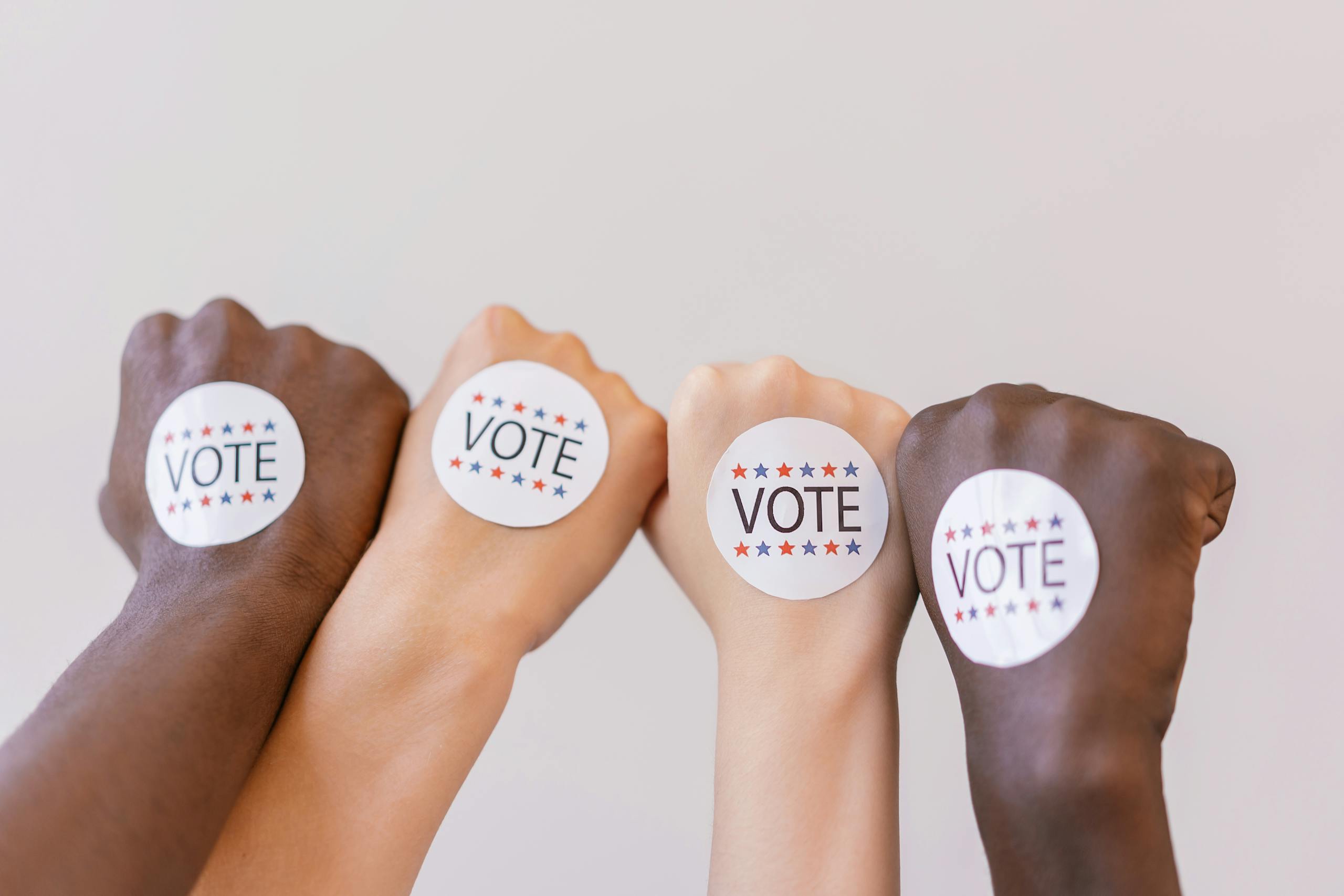
The public saw one clean sentence: 10 Louisiana Republicans voted against a bestiality ban. That was enough to make the story explode. Nobody needed a law degree to understand why the optics were terrible. To most normal readers, the vote looked like a basic moral test, and 10 lawmakers appeared to fail it in front of the entire country.
That is the problem with politics when legal technicalities collide with public outrage. A senator may believe they have a procedural or constitutional reason for voting no, but the headline does not wait for the explanation. Once voters hear “against a bestiality ban,” the damage is already sitting on the porch, waving at the neighbors.
The Bill Was Really About Creating a Cleaner Animal Sexual Abuse Law
The proposal, Senate Bill 236, was designed to create the specific crime of sexual abuse of an animal. That mattered because Louisiana’s existing approach was tied to older “crimes against nature” language, which mixed animal abuse with other sexual conduct in a way that created legal and political baggage.
Supporters wanted a clearer law with more detailed enforcement tools. The final version created a sexual abuse law covering direct contact with animals, trafficking or obtaining animals for that purpose, organizing or observing such acts, permitting them on controlled property, soliciting them, and handling explicit material involving such acts. In normal political life, that should have been easy. But Louisiana’s old statute dragged the bill into a fight about sex, morality, and constitutional history.
The Old Sodomy Law Was Sitting Under the Whole Fight
The real controversy was Louisiana’s old sodomy language. The state had an anti-sodomy provision that had been ruled unconstitutional in the broader aftermath of the U.S. Supreme Court’s 2003 decision on consensual same-sex intimacy, but the language still remained on the books. The proposed animal-abuse law separated animal sexual abuse from that old sodomy provision, which made some conservatives suspicious.
That is where the story gets stranger. Some lawmakers did not want to be seen as helping remove or weaken old anti-sodomy language, even though it was legally unenforceable. So a bill that should have been about protecting animals became a proxy fight over whether Louisiana should quietly clean up laws tied to LGBTQ rights and private sexual conduct.
Some Conservatives Thought the Bill Was a Trick

Some opponents feared the bill was a “Trojan horse.” In their view, separating animal sexual abuse from the old “crimes against nature” statute could open the door to dismantling the anti-sodomy language altogether. That concern made the bill feel less like an animal-protection measure to them and more like a hidden move in a long-running culture war.
The pushback was described as an underhanded move because critics believed the bill would untangle bestiality from Louisiana’s unconstitutional sodomy ban. To many Americans, that explanation only made the vote look worse. It suggested some lawmakers were more worried about preserving symbolic anti-sodomy language than about passing a clean animal-abuse statute without drama.
The Law Already Had Animal-Abuse Language, But Supporters Said It Was Not Enough
One reason opponents pushed back was that they argued animal sexual abuse was already illegal in Louisiana. That was part of their defense after the backlash began. They were not saying the conduct should be allowed. They argued the state already had a law against it and that the new bill was unnecessary or politically loaded.
Supporters saw it differently. They argued the existing law was outdated, too thin, and trapped inside the wrong section of state law. A modern statute could define the offense more clearly, cover related conduct, and impose more effective penalties. In other words, the fight was partly over whether Louisiana needed a cleaner law or whether lawmakers were being asked to touch a politically radioactive statute.
LGBTQ History Made the Vote More Explosive
This story cannot be separated from LGBTQ legal history. Old “crimes against nature” laws were often used to criminalize same-sex intimacy or to carry social stigma against gay people. Even after courts made those laws unenforceable, some states left the language in place, creating a legal ghost that still haunted later debates.
That is why this vote felt bigger than animal abuse. Supporters saw the bill as a chance to modernize the law and remove animal sexual abuse from an unconstitutional framework. Opponents worried about what that separation meant for the old sodomy language. The result was a deeply uncomfortable political spectacle: lawmakers appeared to resist a clean animal-abuse law because of a fight over anti-LGBTQ legal leftovers.
The Internet Reduced the Whole Story to One Ugly Question

Once the vote reached social media, almost nobody cared about Louisiana’s statutory structure. People cared about the headline. Ten Republicans voted against a ban on bestiality. That was short, shocking, and perfectly designed for outrage.
That does not mean the internet got every legal detail right. It often did not. But the basic political problem was real. If a lawmaker’s vote requires a five-minute explanation involving unconstitutional sodomy laws, old criminal statutes, and legislative strategy, they have already lost the public messaging battle.
The story was not just embarrassing because people misunderstood it. It was embarrassing because the explanation still sounded bad.
The Final Vote Shows the First Vote Was Not the Whole Story
The bill did not die after the first Senate vote. It went through the legislative process, moved through the House, returned to the Senate, and was later passed by the Senate 36 to 1 after House amendments. It was signed by the governor and became Act 485, taking effect on May 25, 2018.
That later vote matters because it shows that the early opposition was not the Legislature’s final position. But politics does not always remember the final procedure. It remembers the viral moment. “Bill passed after amendments” is not nearly as memorable as “10 Republicans voted against a bestiality ban.” That is why the story keeps coming back years later.
The Bill Was Stronger Than the Viral Version Suggested
The final law created a more detailed offense than many casual readers realized. It did not simply say “bestiality is banned” and stop there. It defined what sexual abuse of an animal meant, described related acts, included exceptions for veterinary care and accepted animal husbandry, and created penalties.
Those accepted veterinary exceptions mattered because the law had to avoid confusing criminal abuse with legitimate animal care, breeding practices, birthing assistance, or breed-conformation judging. That detail shows the bill was not just a moral slogan. It was a full criminal statute with definitions, penalties, exceptions, and consequences.
The Real Scandal Was the Legal Junk Drawer Louisiana Had Left Behind

The biggest lesson is not only about one vote. It is about what happens when states leave unconstitutional, outdated, morally loaded laws sitting around for years. Those laws become legal junk drawers. They gather old prejudices, political symbolism, and confusion until a future bill opens the drawer and everything spills out.
That is what happened in Louisiana. A bill meant to modernize animal-abuse law got caught in the shadow of a dead sodomy law that some politicians still did not want to let go of symbolically. The result made the state look absurd, but it also exposed a serious problem: bad old laws do not stay harmless just because courts have weakened them. They can still poison future debates.
Conclusion
So why did 10 Louisiana Republicans vote against a bestiality ban? The cleanest answer is this: they were not openly defending animal sexual abuse, but they objected to a bill that separated animal sexual abuse from Louisiana’s old “crimes against nature” statute, because they feared it could weaken or help erase the state’s unconstitutional anti-sodomy language.
That explanation may be more accurate than the viral version, but it is not exactly a political rescue. It still raises an uncomfortable question. Why would lawmakers risk looking like they opposed a modern animal-abuse law just to protect the symbolism of an old sodomy statute that courts had already made unenforceable?
That is why the story still has power. It is shocking on the surface and even stranger underneath. It shows how culture-war politics can twist a bill that should have been simple, how outdated laws can trap lawmakers in ugly debates, and how one vote can become a headline a politician never escapes.