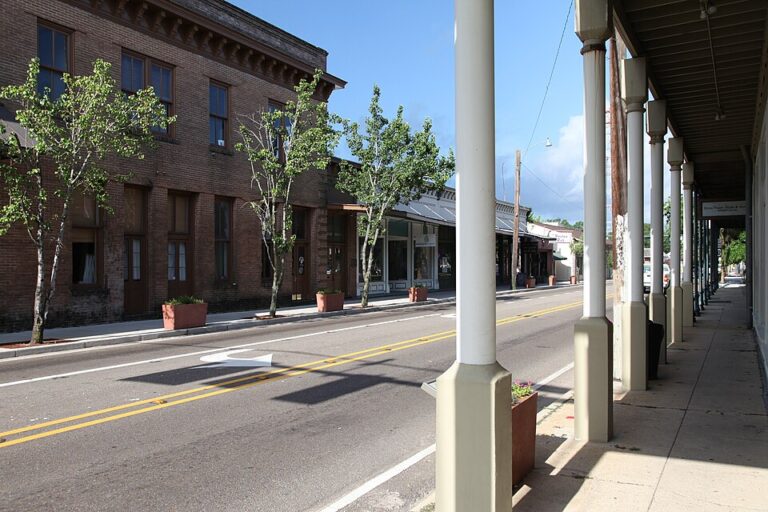
Crime in America does not move evenly across a city map. One block can have porch lights, kids on bikes, and neighbors grilling before Sunday football. A few blocks away, people may be checking over their shoulders at gas stations, avoiding certain corners after dark, and sleeping through sirens because the sound has become too familiar.
That is why neighborhood-level crime matters. Citywide numbers can make a place look safer or more dangerous than it feels on the ground. National crime trends can improve, but that does not erase the burden carried by neighborhoods where robberies, assaults, shootings, auto thefts, and break-ins still shape daily life.
Recent national crime data shows broad crime declines, but the safety gap between neighborhoods remains deeply uneven.
Downtown, Memphis, Tennessee
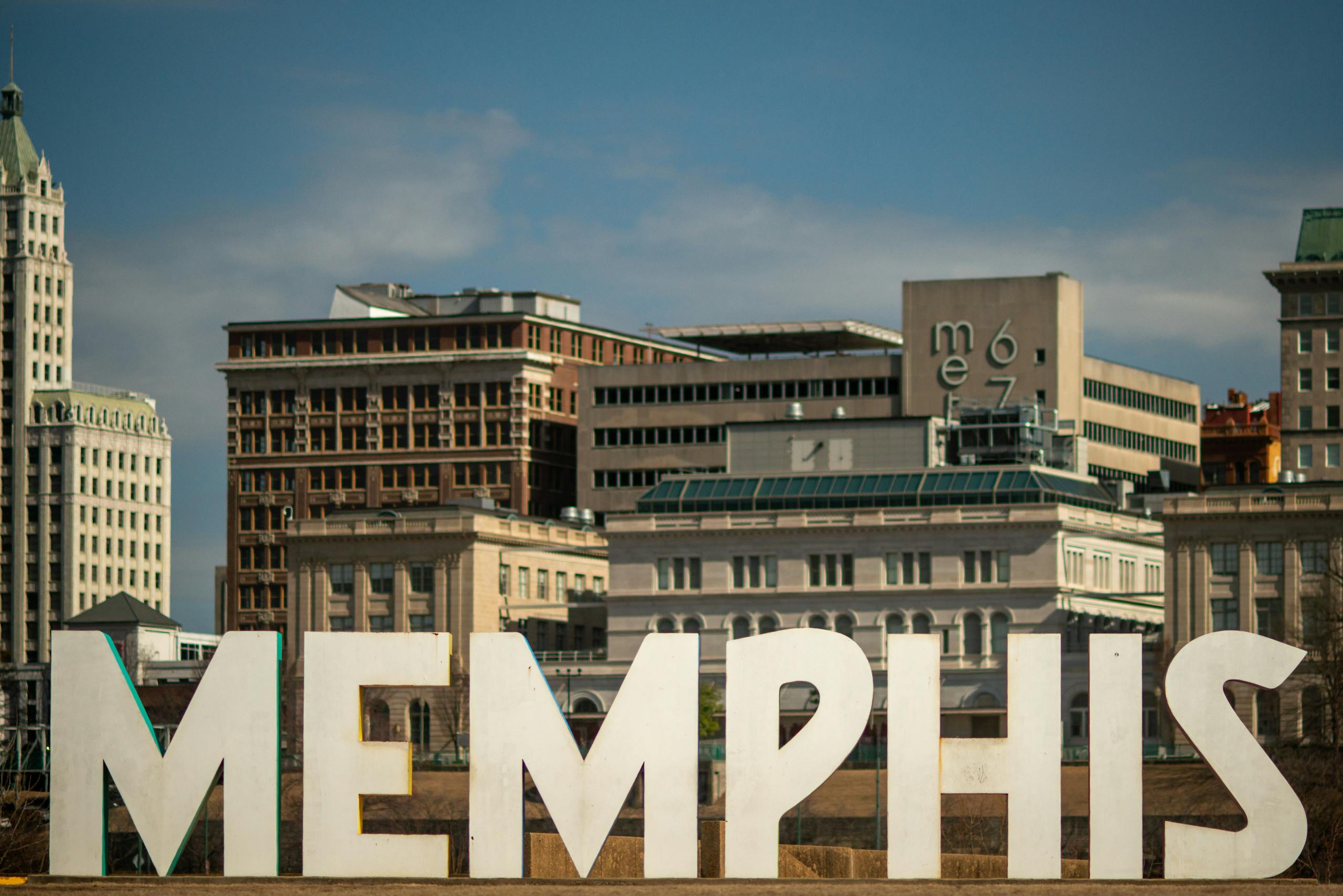
Downtown Memphis carries two realities at once. It has music, restaurants, tourists, Beale Street nightlife, and the kind of cultural energy that makes the city famous. It also sits inside a city that has faced some of the country’s toughest violent-crime challenges among large U.S. cities.
That contrast is what makes the neighborhood so important to discuss carefully. The issue is not that every street is unsafe. The issue is that entertainment zones, late-night crowds, parking areas, and side streets can create safety pressure that visitors and residents need to take seriously. Downtown Memphis remains one of the clearest examples of how American nightlife and crime concerns can coexist.
Parkway Village-Oakhaven, Memphis, Tennessee
Parkway Village-Oakhaven is the kind of neighborhood where crime is not just a statistic. It affects the routes people take, the stores they avoid after dark, and how parents talk to teenagers about coming home. The public-safety concern here is not only violence itself, but the daily caution that grows around it.
A more responsible way to discuss this neighborhood is to connect it to official city-level public-safety tools rather than vague online fear lists. The city’s Memphis safety dashboard gives readers a stronger place to check crime patterns, public-safety data, and local trends. That matters because neighborhoods deserve accuracy, not rumor.
White Haven-Coro Lake, Memphis, Tennessee
White Haven-Coro Lake has families, churches, workers, local pride, and deep community roots. It should never be reduced to crime numbers alone. Still, areas around South and Southwest Memphis often appear in public-safety conversations because residents face real pressure from violence and property crime.
High-crime neighborhoods carry an emotional cost that does not fit neatly into a spreadsheet. People may still love where they live, but they also know which streets feel tense, which stores need caution, and which hours change the mood. White Haven-Coro Lake shows how a neighborhood can be both deeply loved and deeply burdened.
Shelby Forest-Frayser, Memphis, Tennessee
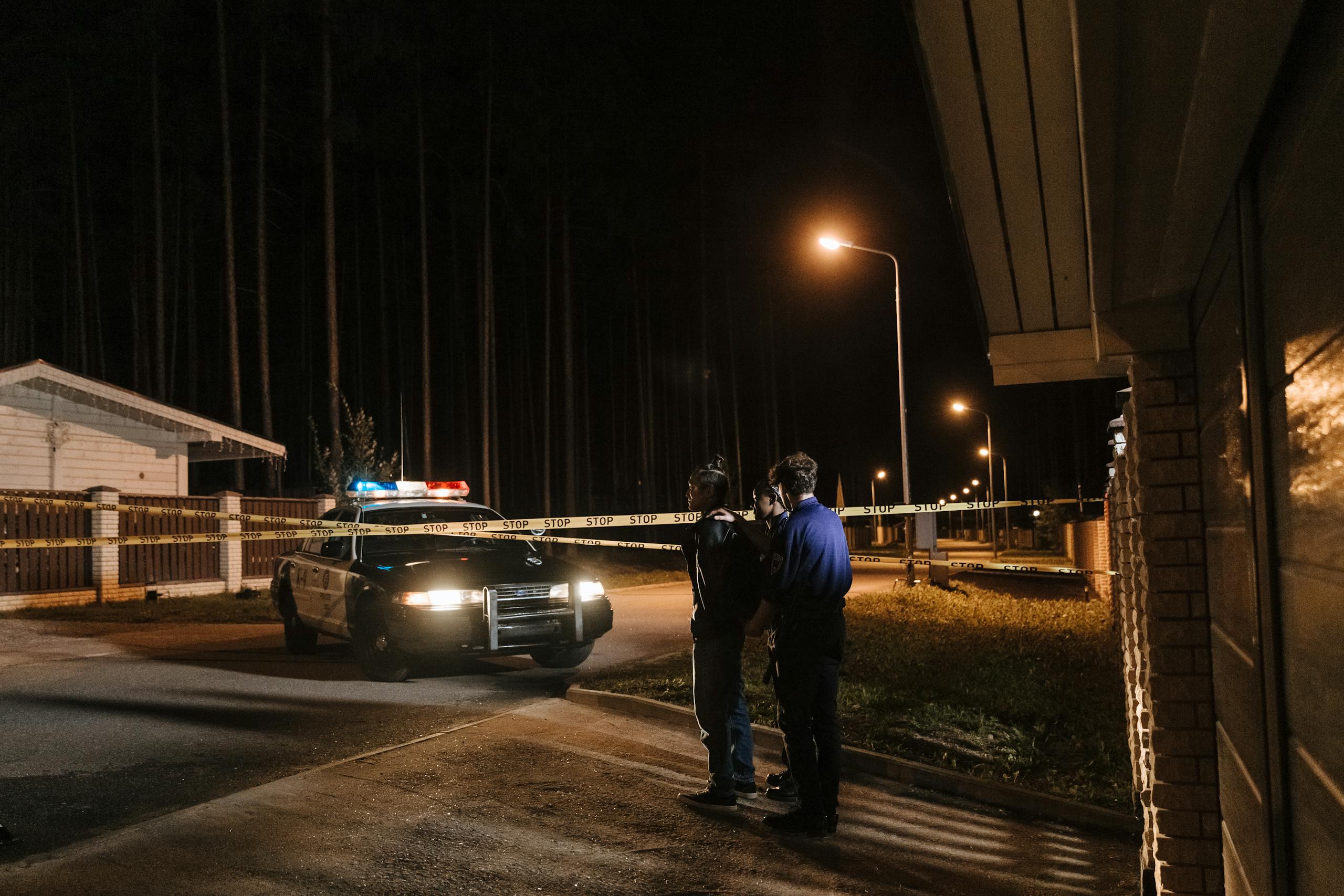
Shelby Forest-Frayser is often discussed through the lens of crime, but people who live there know the story is more complicated. There are longtime residents, community groups, schools, churches, and families who want the neighborhood known for more than its hardest headlines.
Still, crime pressure matters because it changes ordinary life. People lock up differently, drive differently, and think differently about where children play. The damage is not only in what happens. It is also in what people stop doing because they fear what could happen.
Berclair-Highland Heights, Memphis, Tennessee
Berclair-Highland Heights shows how crime pressure can touch a neighborhood even when many residents are simply trying to live normal lives. A single nearby robbery, shooting, or string of car break-ins can change the mood of a block. It can affect where people park, when stores close, and how safe residents feel walking at night.
That is the hidden weight of living in a high-crime area. Even when nothing happens directly to a person, the body remains alert. People notice who is behind them, park under lights, rush children inside, and warn relatives about where not to stop. Crime becomes part of the routine before anyone even calls it that.
Roseland, Chicago, Illinois
Roseland is one of Chicago’s South Side neighborhoods often mentioned in conversations about violence, disinvestment, and public safety. But it is also a real community with families, churches, schools, and residents fighting for a safer future. That balance matters.
Chicago is a city of sharp contrasts. Some neighborhoods feel protected by wealth, foot traffic, private security, and steady investment. Others carry a heavier burden from violence and economic neglect. Public data, such as the Chicago crime dataset, helps show how reported incidents vary across the city rather than treating Chicago as a single crime story.
Washington Park, Chicago, Illinois

Washington Park has history, green space, architecture, and proximity to major institutions, but it has also carried a heavy public-safety burden. That contrast is what makes it one of the more complicated neighborhoods to write about. It is not a “bad place.” It is a place where safety, poverty, investment, policing, and community recovery collide.
For many residents, crime affects small daily decisions. It shapes whether people wait outside for rides, let children walk alone, use public transit late, or feel comfortable crossing certain streets at night. The neighborhood’s challenge is not just reducing police incidents. It is restoring the everyday sense of ease that many Americans take for granted until it disappears.
South of Market, San Francisco, California
South of Market, or SoMa, is not a forgotten pocket of America. It is busy, dense, commercial, tech-adjacent, tourist-facing, and full of offices, apartments, restaurants, transit, hotels, and nightlife. That density creates a different kind of crime story than a quiet residential area.
In SoMa, public safety is tied to street conditions, nightlife, homelessness, commercial activity, transit movement, and the constant flow of workers and visitors. The city’s San Francisco dashboard gives readers a direct way to review crime data by period and category. That kind of source is stronger than relying on viral claims about which neighborhood is “worst.”
Brownsville, Brooklyn, New York
Brownsville has one of New York City’s most recognized crime reputations, but it has also seen serious community and law-enforcement efforts to reduce violence. Any fair article has to hold both truths. The neighborhood has faced real public-safety pressure, and residents are working hard to change the story.
The challenge is that reputation can linger long after progress begins. Even when violence declines, the emotional stain of old headlines does not disappear overnight. Brownsville shows how complicated neighborhood crime can be. There can be real danger, real improvement, and real community strength all at once.
Jeff-Vander-Lou, St. Louis, Missouri

Jeff-Vander-Lou sits in North St. Louis, a part of the city often tied to crime, vacancy, poverty, and long-term disinvestment. That does not define every resident, but it does show why public safety cannot be separated from housing, jobs, schools, street conditions, and basic services.
For residents, the frustration is often deeper than numbers. They want safer blocks, but they also want opportunity. They want fewer violent incidents, but they also want vacant buildings addressed, young people supported, and basic services strengthened. Jeff-Vander-Lou reminds readers that crime is rarely just about bad actors. It often grows in places where systems have failed people for years, then punishes the same residents twice.
Conclusion
The American neighborhoods with the highest crime rates are not just places people should point at from a distance. They are communities where residents still cook dinner, attend church, open stores, raise children, wait for buses, celebrate birthdays, and hope tomorrow feels calmer than yesterday.
Crime numbers matter because they show where fear and violence are hitting hardest, but they do not tell the entire story.
The real issue is not just which neighborhoods are dangerous. It is why some places remain trapped under heavier crime pressure while others recover faster. Safer streets usually require more than arrests. They require jobs, stable housing, reliable policing, youth programs, mental health support, community trust, and investment that does not disappear after the cameras leave.
A crime list can grab attention, but the deeper question should hold it. What would it take for these neighborhoods to become places known less for danger and more for recovery? Until America answers that honestly, the same neighborhoods will keep showing up in the same conversations, and the people who live there will keep carrying a burden no community should have to carry alone.