Some old recipes feel less like meals and more like dares printed on paper. Long before food bloggers, drive thru menus, and TikTok taste tests, home cooks were flipping through sandwich books that treated bread like a testing lab. If an ingredient could be chopped, mashed, soaked, spread, or trapped between two slices, someone somewhere seemed determined to call it lunch.
That is what makes vintage sandwiches so fascinating and slightly terrifying. These recipes came from an era when convenience, scarcity, party hosting, and pure culinary confidence created combinations that would make a modern deli worker pause in silence. Here are the strange old sandwiches that prove history had a very bold stomach.
Pineapple And Tuna Sandwich
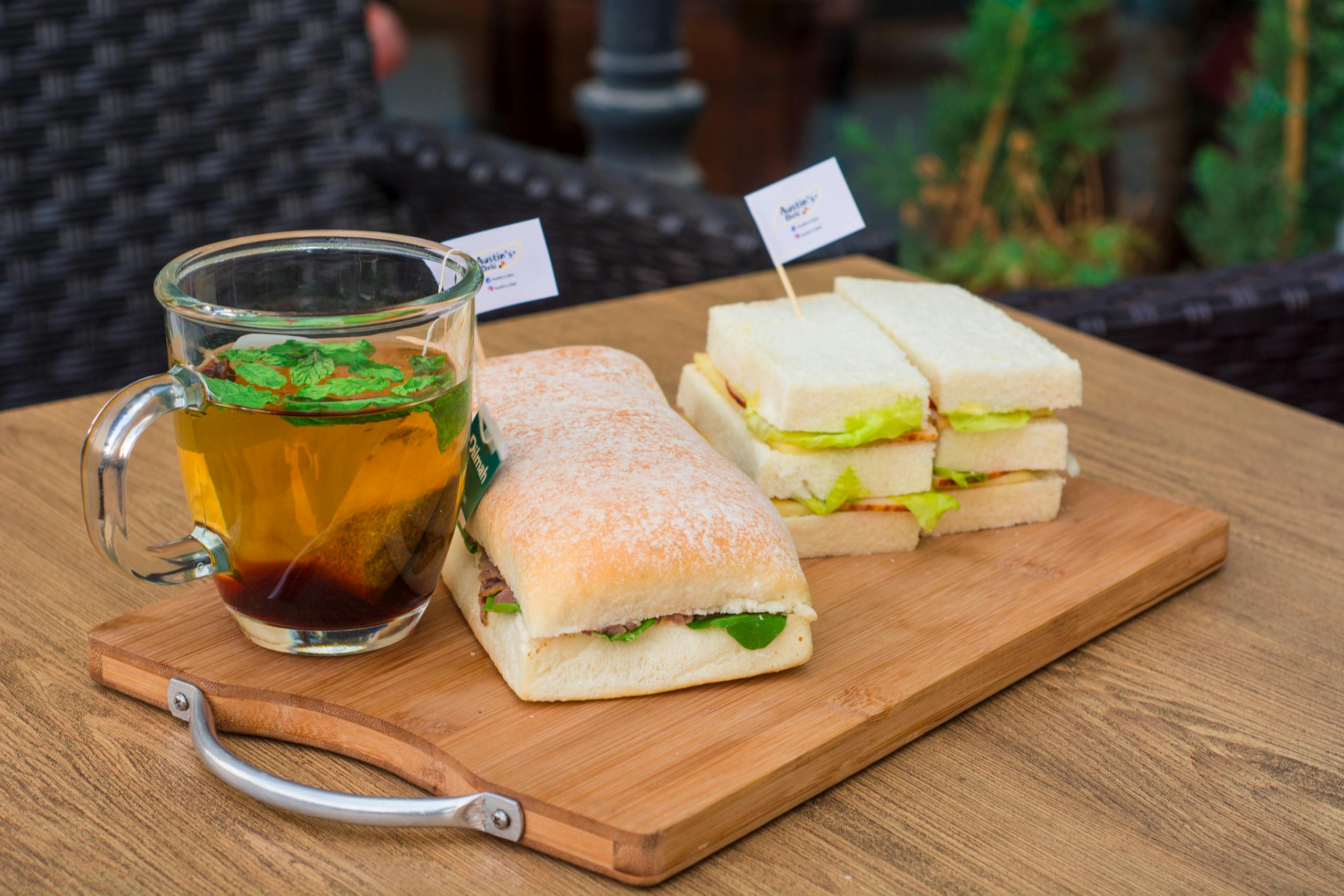
Pineapple and tuna already sound like two ingredients fighting for control of the same plate. Add chopped pickle, French dressing, buttered bread, salt, and pepper, and suddenly the sandwich feels like a vacation snack that got lost near a fish counter.
The strangest part is that the recipe was not framed as a joke. It appeared as a real option for home cooks looking for variety, which tells us something important about the era. Sweet, salty, oily, and tangy were all welcome at the same table, even when they clearly needed separate rooms.
Bacon And Peanut Butter Sandwich
Bacon and peanut butter could almost survive modern judgment because salty and nutty flavors can work together. Then the recipe brings in catsup, and the whole thing starts wobbling like a bad idea at a church potluck.
The bacon was crushed and mixed with catsup before being spread over peanut buttered bread. That means every bite likely moved from smoky to sticky to sweet to greasy in seconds. It sounds less like a sandwich and more like someone cleaned out the pantry during a power outage.
Potato Chip And Olive Sandwich
This one feels oddly close to something a hungry college student might invent at midnight. Buttered bread, crushed potato chips, chopped olives, and sometimes mayonnaise created a sandwich built almost entirely on salt and crunch.
The idea is not completely impossible, but it is still deeply chaotic. Potato chips can add texture to a sandwich, but olives bring such a sharp, briny punch that the bread probably had no chance. It was the kind of meal that sounded simple until your mouth realized it had entered a salt mine.
Cheese And Peanut Butter Sandwich
Cheese and peanut butter are one of those combinations that make people stop reading and stare into the distance. The old recipe mixed cheese with peanut butter, pimento, paprika, and salt, then layered it with white bread and graham bread.
The final presentation was made to look neat and patterned, which almost makes the flavor confusion funnier. It had the energy of a fancy tea sandwich trying to hide a very strange personality. Pretty shapes can do a lot, but they cannot fully rescue cheese and peanut butter from suspicion.
Skyscraper Sandwich
The Skyscraper Sandwich was less a meal and more a construction project. It stacked meats, eggs, cheese, tomatoes, sardines, onions, baked beans, lettuce, sauces, pickles, and whatever else the cook felt brave enough to include.
This sandwich belonged to the Dagwood tradition, where excess was part of the joke and part of the appeal. Still, the ingredient list reads as if several lunches collided on a plate. At some point, a sandwich stops being creative and starts becoming a refrigerator argument.
Cheese And Cornflake Sandwich
Cheese and cornflakes sound like breakfast and lunch being forced into an awkward handshake. The recipe used cream cheese, cornflakes, buttered bread, and a generous amount of confidence.
The crunch may have been the whole point, especially during a period when texture made simple sandwiches feel more interesting. Even so, cornflakes lose their charm quickly once they meet moisture. One minute, they are crisp, and the next, they are a soft cereal memory trapped inside bread.
Banana, Lettuce, And Mayonnaise Sandwich
Banana, lettuce, and mayonnaise may be one of the most alarming vintage sandwich combinations because every ingredient is familiar, yet together they feel wrong. The recipe layered sliced bananas over shredded lettuce mixed with mayonnaise.
This sandwich has the softness of fruit, the wet crunch of lettuce, and the heavy tang of mayonnaise all at once. It feels like a salad that lost its way and took shelter between two slices of stale bread. Some vintage recipes sound strange but manageable; this one sounds like a texture prank.
Goblin Sandwiches
Goblin Sandwiches might have the most dramatic name on the list, and somehow, the ingredients match the chaos. The filling combined Brazil nuts, deviled ham, avocado, Worcestershire sauce, and donuts.
Yes, donuts. Not bread with a slightly sweet flavor, but actual split donuts holding a savory spread. It was created for a Halloween party setting, which makes sense because the sandwich feels like it was designed to haunt guests politely from the buffet table.
Tricolored Sandwiches
The Tricolored Sandwich was not content with being strange in flavor. It also wanted to be strange in structure, appearance, and technique. The recipe involved deviled ham, potted egg, green butter, and aspic jelly.
Aspic was once considered elegant, but to modern eaters, meat based jelly can feel like a culinary warning sign. Dipping sandwiches into setting jelly turns lunch into a science experiment with manners. It may have looked refined on a platter, but it sounds like something that would make guests whisper.
Conclusion
These vintage sandwiches are funny now because they show how fearless old home cooking could be. People were working with what they had, chasing convenience, entertaining guests, stretching ingredients, and following cookbook authors who seemed allergic to boring lunches. Some combinations were creative, some were practical, and some should have remained private thoughts.
Still, there is something charming about the confidence behind them. Modern eaters may laugh at banana with mayonnaise or sardines with popcorn paste, but today’s food trends can be just as strange in their own shiny packaging. History proves one thing clearly: every generation thinks it has taste figured out until the next one opens the cookbook and starts judging.