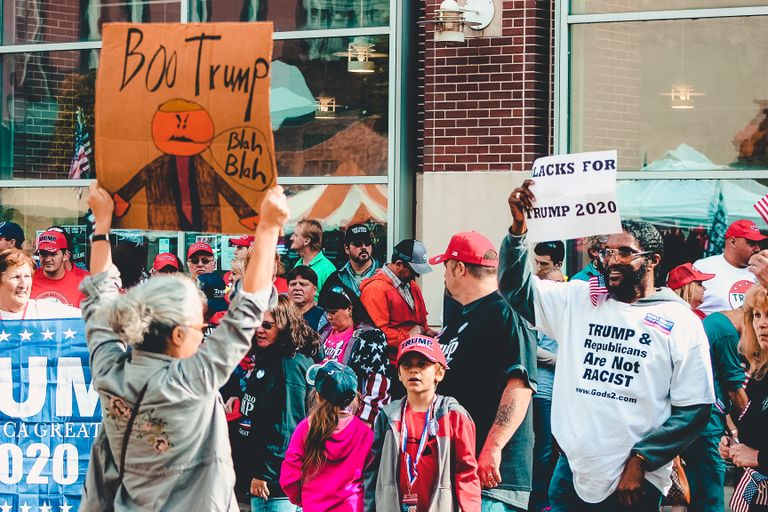
Travel has a way of exposing the little things people never think twice about at home. A phrase that sounds cheerful in the United States can feel cold somewhere else, and a harmless gesture can turn awkward before you even realize what happened. That is why cultural etiquette matters so much, because what feels normal to one person can feel deeply rude to another.
The real surprise is that most of these mistakes do not come from arrogance. They come from habit, speed, and the assumption that friendliness always translates the same way. It does not, and that is exactly what makes this topic so interesting.
Crossing Your Fingers Can Send The Wrong Signal
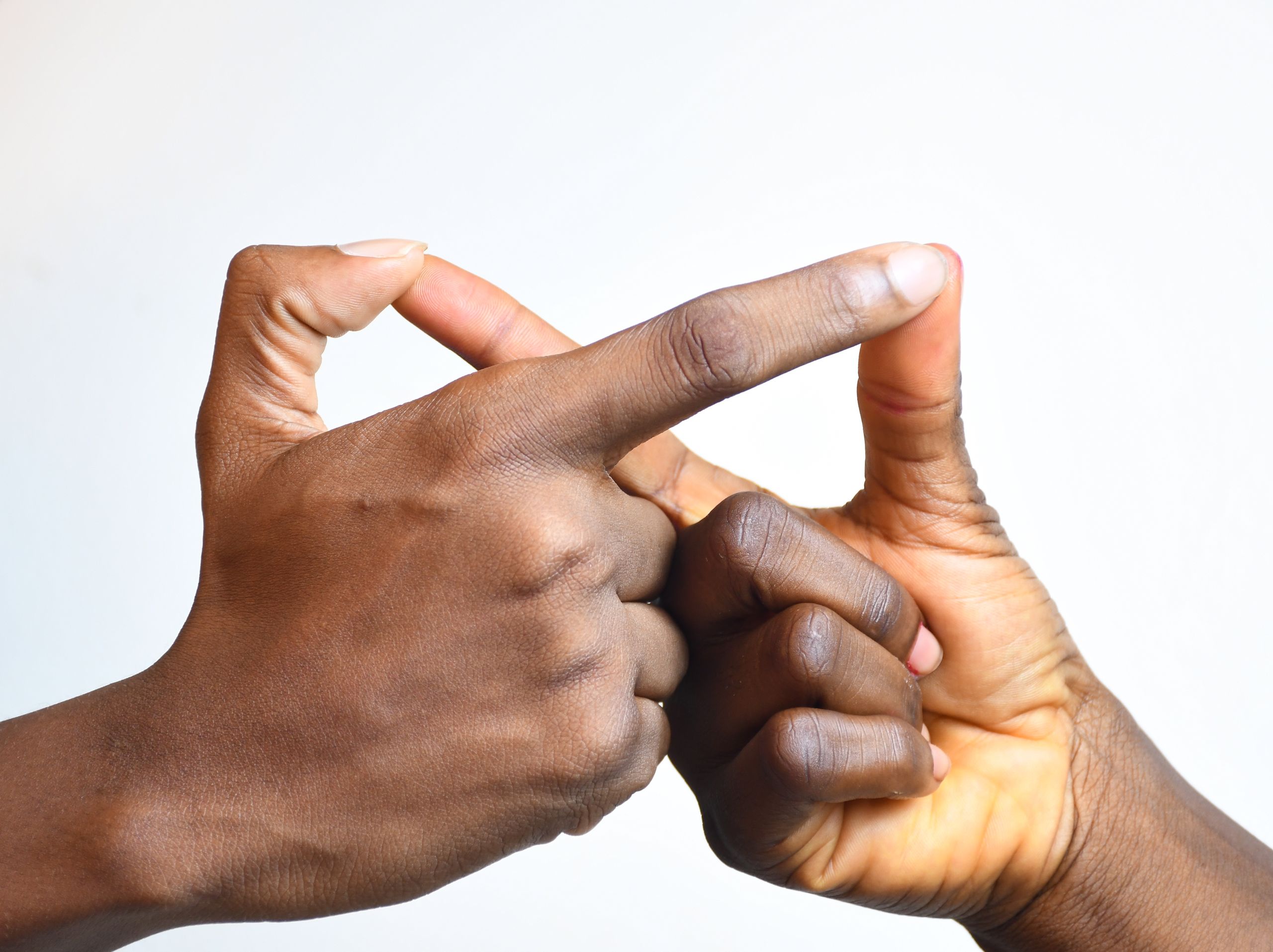
In America, crossing your fingers feels innocent and almost charming. People use it to wish for luck, show hope, or quietly cheer someone on. In another cultural setting, though, that same gesture can take on a crude or offensive meaning, completely changing the mood. That is what makes it such a striking example of travel etiquette gone wrong. A tiny movement of the hand can say something entirely different depending on where you are, and that is a powerful reminder that even the sweetest habits are not always universal.
Opening A Gift Right Away Can Look Too Eager

In the United States, opening a gift the moment it is handed to you is often seen as polite and appreciative. It shows excitement, gratitude, and interest in the gesture. In some other cultures, though, opening a present immediately can feel too eager and a little uncomfortable, as if the focus has shifted from the relationship to the object itself. That contrast makes this one of the most common mistakes abroad. A reaction meant to show joy can accidentally create the impression of impatience, and that is the kind of misunderstanding many travelers never forget.
A Strong Handshake Is Not Always Respectful
Americans are often taught that a firm handshake shows confidence, honesty, and respect. It is treated almost like a social rule, something that separates warmth from weakness. Yet in other parts of the world, that same firm grip can feel aggressive, overly forceful, or strangely formal. This is where cultural etiquette becomes fascinating, because the exact same action can signal trust in one place and discomfort in another. It proves that manners are never just about what you do. They are about what people around you believe that action means.
Sitting In The Back Of A Taxi Can Seem Cold
To many American travelers, getting into the back seat of a taxi feels automatic. It seems practical, private, and completely ordinary, especially when that is what people do at home without a second thought. In some countries, though, choosing the back seat when you are alone can make you seem distant, snobbish, or unwilling to connect. That is such a revealing cultural difference because it turns an everyday habit into a social signal. Something as small as where you sit can shape the ride’s tone and the impression you leave behind.
The Peace Sign Can Turn Rude Fast

The peace sign looks cheerful, casual, and harmless to most Americans. It belongs in selfies, holiday photos, and lighthearted moments, which is why so many people assume it is safe everywhere. The surprise comes when the angle or direction of the hand changes its meaning in another culture. Then a playful pose can become an insult without the person even noticing it. This is one of the strongest examples of how fragile shared meaning really is. A gesture does not convey a single fixed message around the world, and that simple fact can save travelers from real embarrassment.
Showing The Soles Of Your Shoes Can Offend People
Many Americans sit in relaxed positions without much thought. Crossing one leg over the other, stretching out, or leaning back with the soles of the shoes visible can feel casual and comfortable. In other parts of the world, that posture can be interpreted as disrespectful because feet are associated with dirt and lowliness. This habit catches people off guard precisely because it feels so unimportant. Yet body language often speaks louder than words, and a careless posture can quietly communicate disrespect even when no insult was intended at all.
The OK Sign Is Not Always Okay
Few American gestures seem safer than the OK sign. It looks simple, upbeat, and universally understood, which is exactly why travelers use it so casually. The problem is that in other countries, the same sign may carry meanings that are insulting, vulgar, or dismissive, with nothing to do with approval. That is why it makes such a strong final example. It captures the article’s main lesson in one familiar image. The things people trust most are often the things they question least, and that is where cultural mistakes begin.
Conclusion
The smartest travelers are not the loudest or the boldest. They are the ones who notice, listen, and understand that manners do not travel as easily as luggage. A little awareness can protect you from awkward moments, bruised feelings, and misunderstandings that turn a good trip into a tense one.
That is the beauty of learning cultural etiquette. It does not make travel more stressful; it makes it more meaningful. When you respect how other people live, speak, and connect, you stop being just another visitor and become someone people are glad to welcome.