This is not the kind of article anyone reads for fun at midnight with one eye open and the other on Google. Still, some body warnings deserve serious attention. They are the medical version of smoke under a closed door. Maybe it is nothing. Maybe it is not. The smart move is not to stand there debating the smell.
No article can tell a person exactly when death is near. Symptoms can stem from many causes, and only medical professionals can diagnose the cause. But some warning signs are urgent enough that waiting, sleeping it off, or hoping it passes can become dangerous. If any of these symptoms appear suddenly or severely, call emergency services immediately.
Crushing Chest Pain or Heavy Pressure
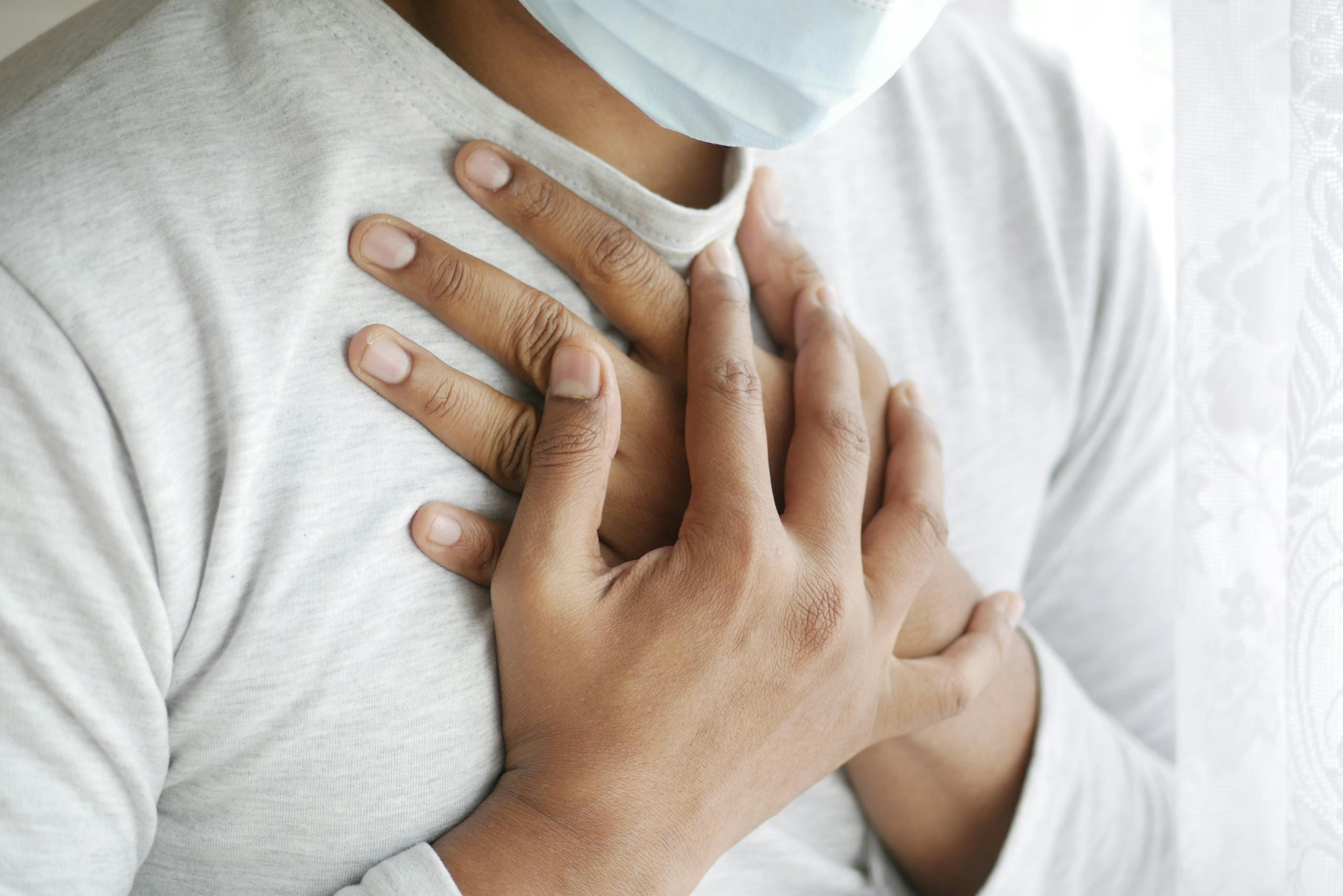
Chest pain is one of those symptoms people love to negotiate with. “Maybe it is heartburn.” “Maybe I slept wrong.” “Maybe it is stress.” Sometimes that may be true, but crushing pressure, squeezing, fullness, or pain in the center of the chest is not something to casually monitor from the couch.
The danger grows when chest discomfort spreads to the arm, jaw, neck, back, or stomach, or when it is accompanied by shortness of breath, cold sweat, nausea, or lightheadedness. The American Heart Association lists these as possible heart attack warning signs, and the safest move is to call emergency help instead of trying to diagnose it at home.
Sudden Trouble Breathing
Few things feel more terrifying than fighting for air. This is not the same as being winded after climbing stairs, rushing through an airport terminal, or carrying groceries from the car in one trip. This is sudden, severe, unexplained breathlessness that makes speaking, walking, or staying calm feel difficult.
Breathing trouble can appear during several emergencies, including heart problems, severe allergic reactions, asthma attacks, pneumonia, shock, or a blood clot in the lung. If someone cannot breathe normally, looks blue or gray, becomes confused, faints, or has chest pain, treat it like an emergency.
Face Drooping, Arm Weakness, or Slurred Speech
A stroke can walk into an ordinary day without knocking. Someone may be making coffee, laughing at dinner, watching TV, or talking on the phone, and suddenly one side of the face droops. One arm becomes weak. Speech turns strange. The person may look confused, unsteady, or unable to understand simple words.
These signs are dangerous because time matters. The CDC lists sudden one-sided weakness, confusion, trouble speaking, vision problems, dizziness, loss of balance, and a sudden severe headache among major stroke warning signs. Do not wait to see if it improves. Call emergency services right away.
Fainting or Not Waking Up Normally

Fainting can happen for less serious reasons, but it can also be the body’s emergency brake. When someone passes out, the brain may not be getting enough blood, oxygen, or glucose. That is not a moment for jokes, guesswork, or “give them a minute” confidence.
It becomes especially serious if the person does not wake quickly, has chest pain, struggles to breathe, turns blue, has a seizure, hits their head, or seems confused afterward. A sudden collapse can point to heart rhythm problems, stroke, internal bleeding, overdose, severe infection, or shock.
Blue Lips, Gray Skin, or Cold Clammy Sweating
The skin can tell a frightening story before the person can explain what is happening. Blue lips, gray-looking skin, cold sweat, clammy hands, or a pale face can mean the body is struggling with oxygen, circulation, or blood pressure.
This is especially concerning when it comes with chest pain, breathing trouble, fainting, confusion, or extreme weakness. Do not treat this like someone “just needs to sit down.” When the body starts looking drained of color, it may be fighting to protect the most important organs.
Swelling of the Throat, Tongue, or Face
A severe allergic reaction can turn frightening fast. One minute, someone is eating, taking medicine, getting stung, or trying a new food. The next minute, the lips, tongue, throat, or face begin to swell, breathing becomes difficult, and the situation stops feeling ordinary.
Other warning signs can include wheezing, hives, vomiting, dizziness, fainting, or a weak, rapid pulse. Mayo Clinic describes anaphylaxis as a severe allergic reaction that can cause shock, a sudden drop in blood pressure, and narrowed airways that block breathing, which makes anaphylaxis a danger sign and an emergency.
If an epinephrine auto-injector is available, use it as directed and call emergency services immediately.
Sudden Confusion or Extreme Sleepiness

Sometimes the scariest warning sign is not pain. It is the moment a person suddenly seems unlike themselves. They may become deeply confused, hard to wake, unusually agitated, unable to stand, unable to answer basic questions, or strangely drowsy at the wrong time.
This can happen with stroke, infection, low blood sugar, overdose, head injury, dehydration, oxygen problems, or organ failure. A sudden change in mental state deserves urgency because the brain is often one of the first places where danger becomes visible.
Sharp Chest Pain With Coughing Blood
A blood clot in the lung can feel like panic, chest pain, or sudden breathlessness, which is why it can be easy to misread. The warning signs may include sharp chest pain that worsens with deep breathing, sudden shortness of breath, a fast heartbeat, dizziness, fainting, or coughing up blood.
This is not a symptom to “keep an eye on” over the weekend. Cleveland Clinic says pulmonary embolism symptoms can include sharp chest pain, sudden shortness of breath, rapid breathing, coughing up blood, pale or bluish skin, dizziness, and fainting, and that people should call emergency services when these symptoms appear.
The Worst Headache of Your Life
A sudden, explosive headache is different from a regular bad headache. People often describe it as the worst headache they have ever felt, like something slammed into the skull without warning. That kind of pain should never be shrugged off.
It becomes even more alarming if it comes with vomiting, fainting, weakness, vision changes, neck stiffness, confusion, seizure, trouble speaking, or loss of balance. A sudden extreme headache can be linked with serious emergencies, including stroke, bleeding around the brain, aneurysm, or infection, so fast medical care matters.
Signs the Body Is Shutting Down in Terminal Illness
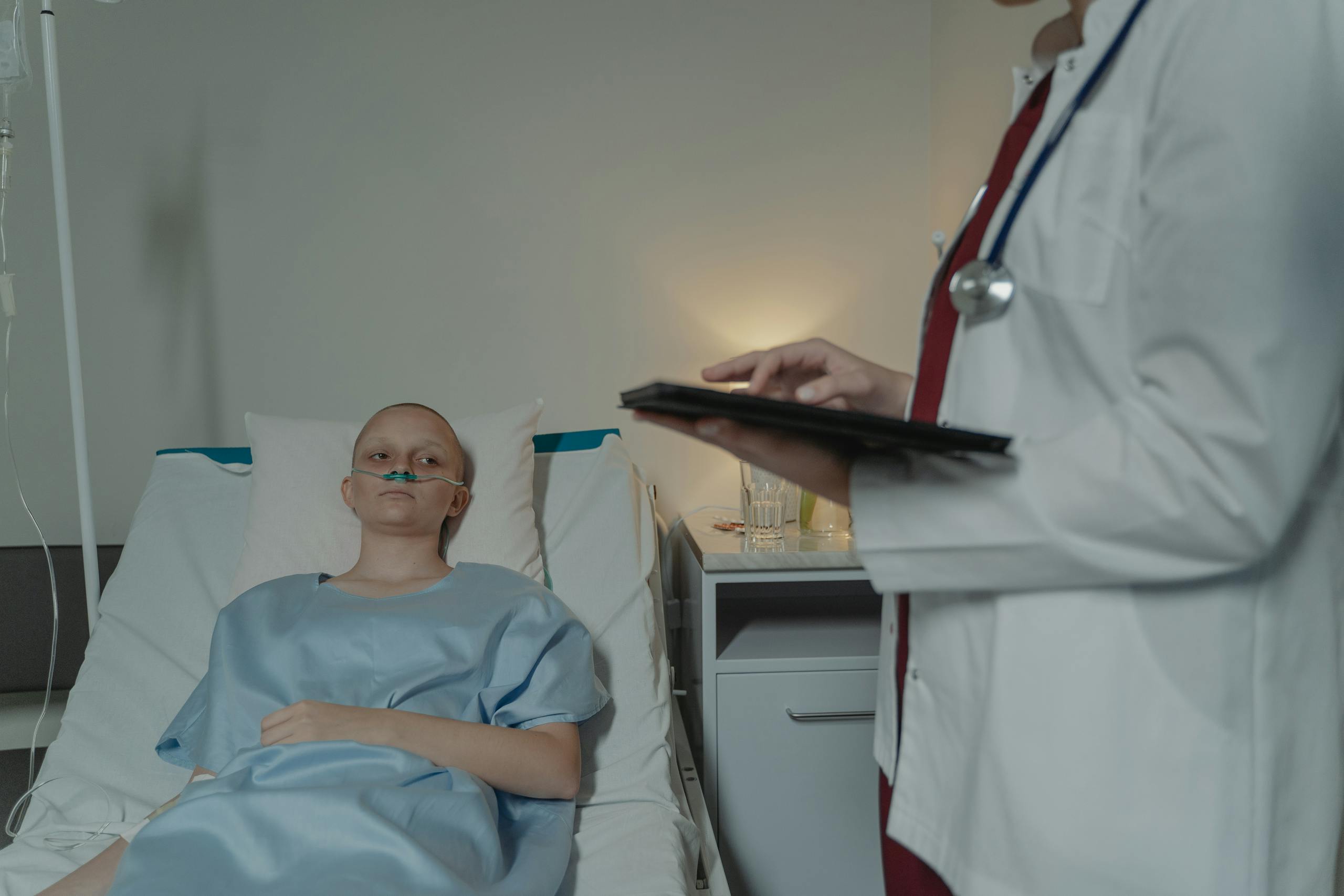
There is a difference between a sudden emergency in a generally healthy person and the final stage of a terminal illness. In someone already near the end of life, the body may begin to slow down in ways that can look frightening but are part of the dying process.
These signs may include sleeping most of the time, eating or drinking very little, irregular breathing, cool hands and feet, mottled skin, confusion, and withdrawing from people. In that situation, the focus may shift from rescue to comfort, dignity, pain control, and family support, depending on the person’s medical condition and care plan.
Conclusion
The body does not always send polite calendar invites before a crisis. Sometimes it sends chest pressure, sudden weakness, blue lips, confusion, fainting, swelling, coughing blood, or a headache that feels completely wrong. Those are not signs to negotiate with.
Call emergency services. Get help fast. Let trained professionals decide what is happening. Many people survive serious medical emergencies because someone nearby acted quickly instead of waiting for the body to scream louder.