Beans don’t usually inspire a waiting list. Concert tickets, sure. A coveted restaurant reservation, absolutely. But dried beans? In a February 2025 interview with KCRW’s Good Food, Rancho Gordo founder Steve Sando reported 26,000 members in his company’s Bean Club, while collaborator Julia Newberry put the waiting list at about 15,000. Those figures describe one specialty seller, not the entire bean market. Still, they make a convincing point: An enthusiastic audience exists for beans that offer something beyond the usual supermarket lineup.
The attraction isn’t simply a prettier bag of groceries. Heirloom varieties introduce home cooks to different textures, distinctive flavors, and cooking broths worth keeping. Think purple Rio Zape beans that Sando describes as having hints of chocolate and coffee, or small King City Pinks that stay intact while developing a creamy interior. Your dependable pintos and black beans are fine, too. This revival invites you to discover what else the bean pot can do.
Why Heirloom Beans Are Getting Their Moment
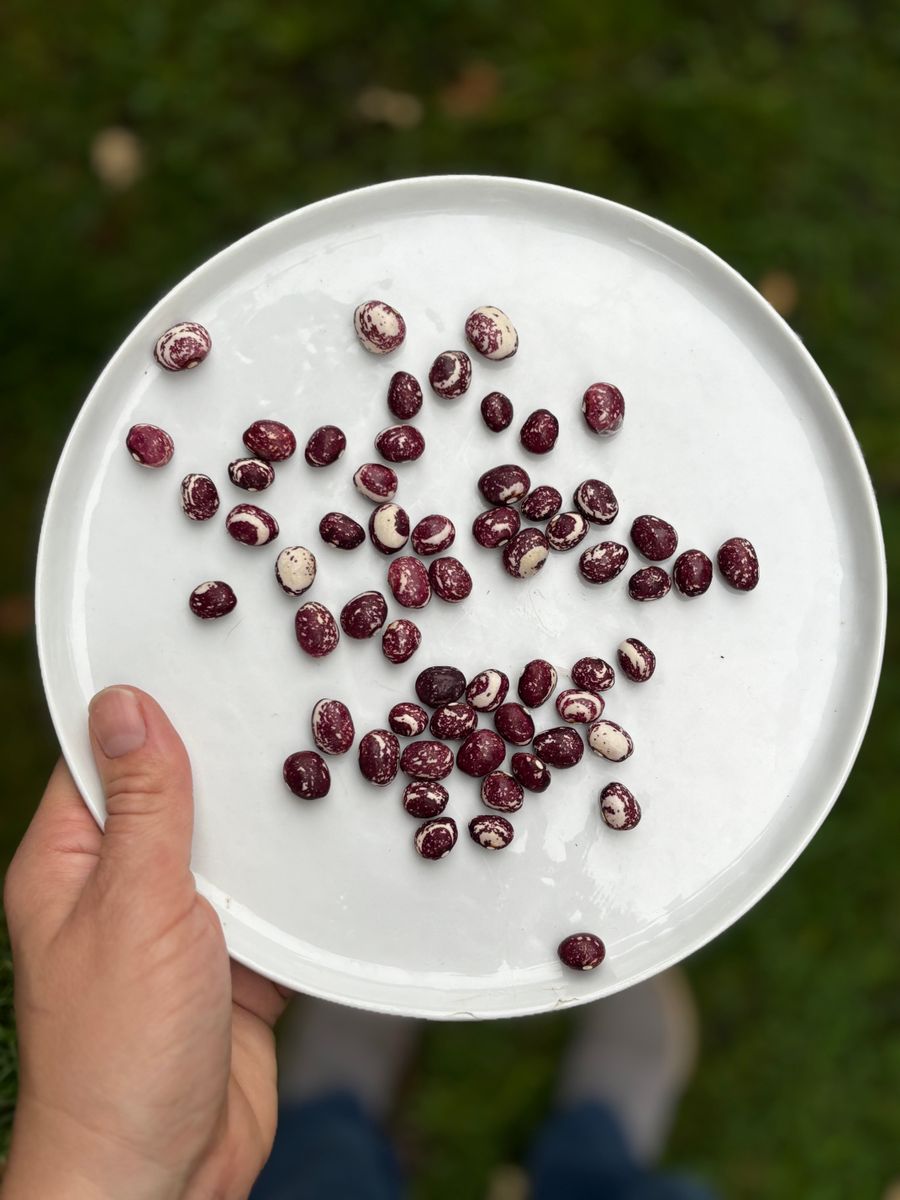
The word heirloom deserves a little unpacking before it becomes another label tossed into the shopping cart. Asked to define heirloom beans by the Crop Trust in January 2025, Sando acknowledged that the term is somewhat imprecise. “Well, I think it’s like the word antique,” he said. His own definition centers on open-pollinated beans that reproduce the same variety when planted. He also emphasizes flavor, contrasting his priorities with production focused on easier planting and harvesting. That is a specialty grower’s perspective, not a guarantee that every heirloom bean tastes better.
Sando’s business began with a home garden and farmers market sales, with beans initially helping fill the gap when his tomatoes weren’t ripening quickly enough. The Crop Trust reports that Rancho Gordo now works with smallholder farmers and promotes heirloom beans indigenous to the Americas, including varieties sourced from Mexico. His cookbook, The Bean Book: 100 Recipes for Cooking with All Kinds of Beans, became a New York Times bestseller in 2024. Together, those developments show how a familiar staple found a fresh audience through cooking, storytelling, and access to more varieties.
Still, this isn’t a story about someone inventing delicious beans. These varieties, and the growers who have maintained them, precede their renewed visibility among U.S. specialty-food shoppers. Rancho Gordo’s work includes partnerships with small Indigenous farmers in Mexico, according to the Crop Trust. That distinction matters: The revival brings existing agricultural and culinary diversity to more kitchens. A colorful bag on a modern pantry shelf represents something older than the latest food obsession.
There’s also no need to turn dinner into a competition between specialty and ordinary beans. Sando explicitly defended commodity production in his Crop Trust interview, calling it “a great source of cheap protein.” His broader point was coexistence, not replacement: “There’s room at the table for everybody.” So keep the canned beans that rescue a busy evening. Exploring an unfamiliar dried variety can be an additional cooking pleasure, not a requirement for making a respectable meal.
The Varieties That Make Dinner More Interesting
Rio Zape offers an approachable starting point for anyone who already likes pintos. In his KCRW interview, Sando described the bean as purple with black spots and praised the dark, flavorful broth it produces. “It’s like the pintos I love but there’s a hint of chocolate and a hint of coffee,” he said. Those are tasting notes, not added ingredients. He also singled it out for refried beans, giving home cooks a familiar dish in which to notice an unfamiliar variety.
For salads, Sando highlighted King City Pinks, describing them as creamy beans that nevertheless hold their shape. He said Santa Maria Pinquitos, another small pink variety he discussed, have an earthier, more herbal character. The useful distinction isn’t merely their appearance before cooking. It’s how the finished beans behave on the plate: A variety that stays intact offers a different experience from one you plan to mash into a spread or simmer into a softer dish.
Chili lovers have options, too. In the same interview, Newberry, Sando’s collaborator on The Bean Book, named Domingo Rojo her favorite. “They stay really firm but they still have this creaminess to them,” she said, adding that their broth works well in chili. She also recommended larger Ayocote beans, noting their firm texture and thick skins. Rather than choosing by color alone, her advice links the bean’s structure to the cooking it must withstand.
Related: Soybeans, Corn, and Wheat Tariffs Could Drop Before Trump and Xi’s September 24 Meeting
How to Cook Them Without Making It Complicated
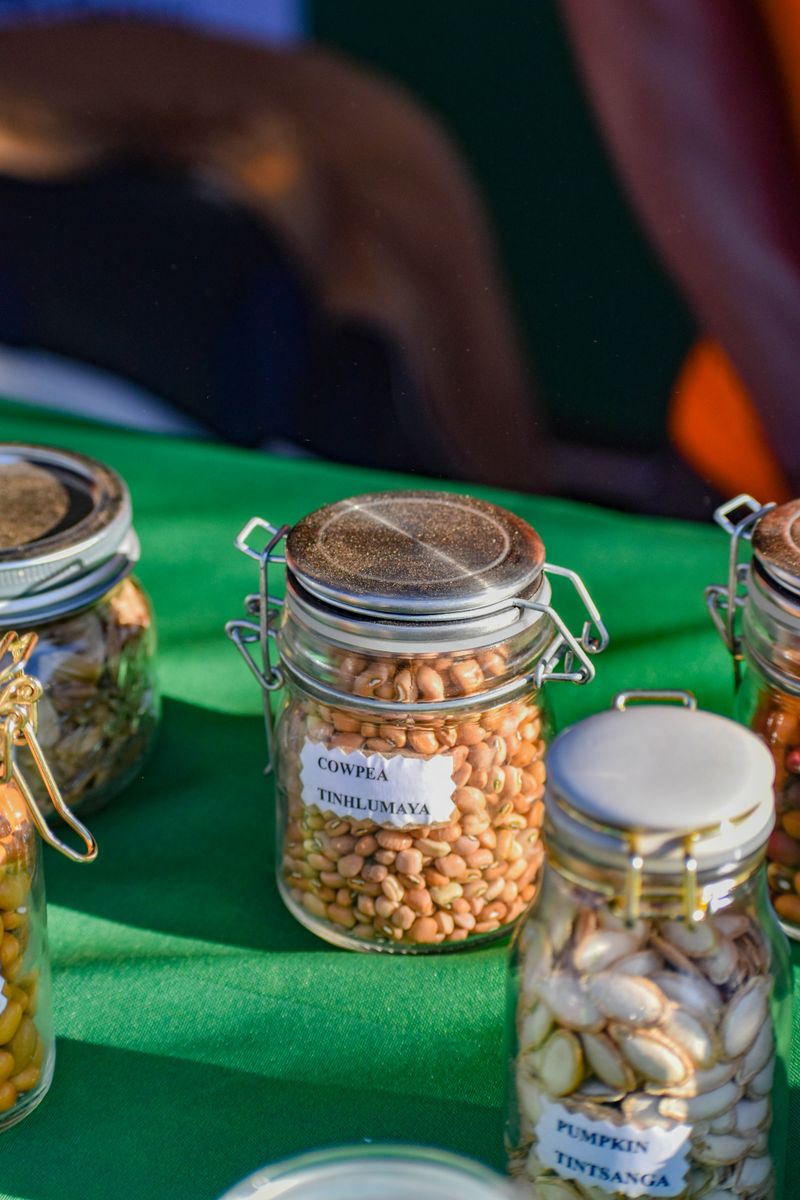
Begin with the unglamorous but important preparation: Sort the dried beans, remove stones or debris, and rinse them. Mayo Clinic Health System explains that presoaking can reduce cooking time, though its general guidance doesn’t require soaking for every variety. For stovetop cooking, bring the beans and water to a boil, then reduce to a covered simmer and keep the beans submerged. Start checking tenderness after an hour; age, size, and variety can stretch cooking time to between one and three hours. Follow the package’s variety-specific directions rather than treating every bean alike.
Keep the seasoning straightforward while you learn what a new variety tastes like. Newberry told KCRW that Rancho Gordo’s basic preparation uses garlic, onion, and Oregano Indio, with bay leaf sometimes replacing the oregano for European-style dishes. There’s also a safety exception worth noting: Kansas State University advises soaking dried red kidney beans for at least five hours, draining them, then boiling them in fresh water for at least 30 minutes. A slow cooker alone may not get hot enough to destroy their naturally occurring toxin.
Once the pot is cooked, you can add elaborate recipes. “For me, my favorite recipe is heirloom beans with some chopped white onion, a squeeze of lemon and a drizzle of olive oil, and that’s heaven,” Sando told the Crop Trust. He also suggested using a batch across green salads, pasta and soup. That’s the practical appeal behind the revival: You can discover a new ingredient without learning an entirely new way to eat. Sometimes dinner’s most interesting upgrade is simply a different bean.
Other Posts You May Like
- Trump Announces He’s Scrapping the 10% Tariff on Irish Whiskey
- Canadian Grocers Are Ditching US Products as Buy Canadian Movement Grows