Parents want to connect with their kids, but the usual “How was school today?” rarely works. It often gets a one-word answer and leaves parents guessing about their child’s day. Shifting to thoughtful, specific questions can spark conversation, teach emotional intelligence, and build resilience. These seven questions transform routine check-ins into moments that promote curiosity, empathy, and a growth mindset.
Explore Mistakes for Growth
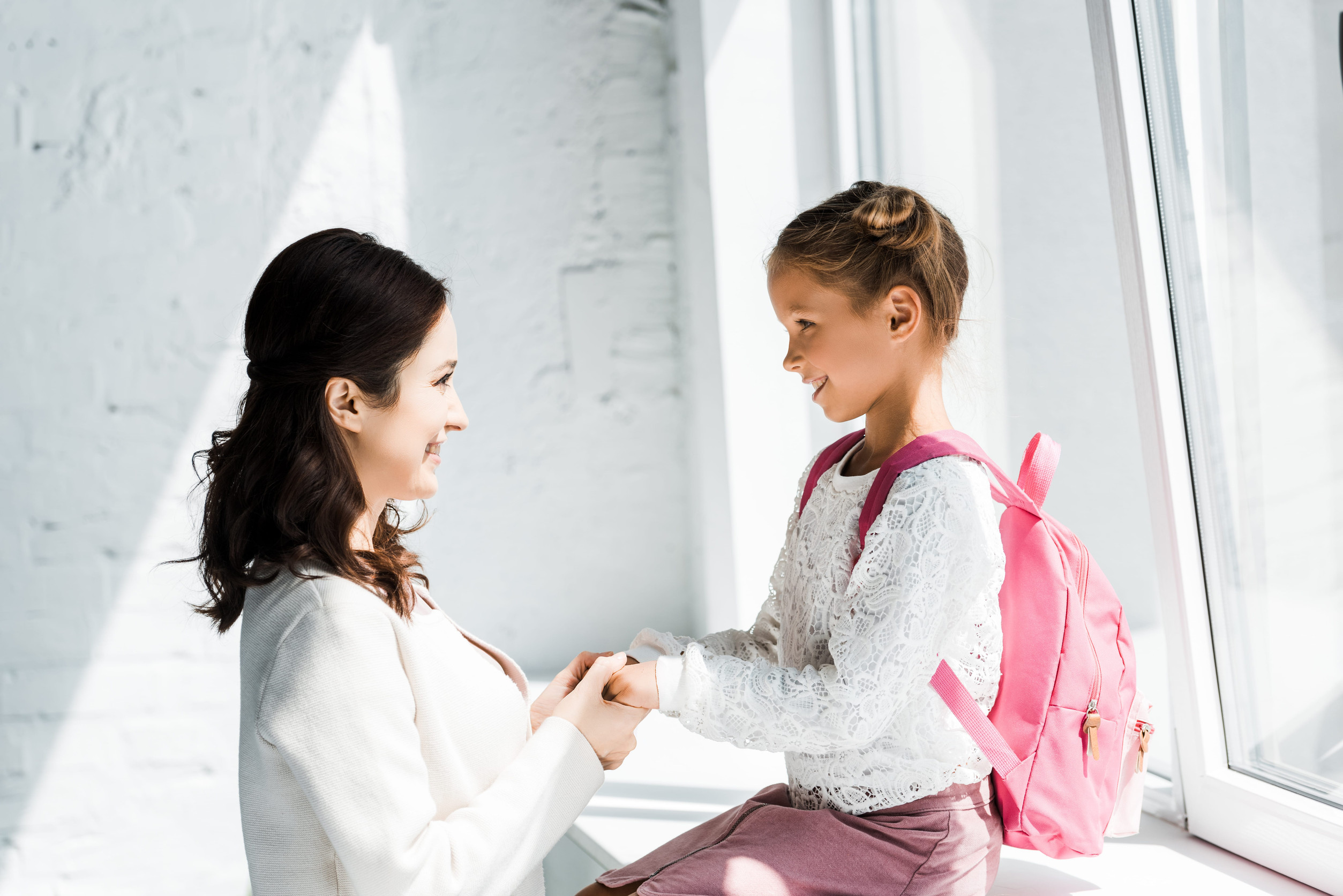
Asking “What’s a mistake you learned from today?” helps kids see failure as an opportunity. It reduces fear of mistakes and normalizes risk-taking. Children might talk about forgetting a library book or struggling with a project, then explain how they’ll do better next time.
Framing it with curiosity, not judgment, invites honesty. This practice teaches problem-solving and resilience, showing kids that errors are part of learning and personal growth rather than a reason for shame.
Identify Ways to Improve the Day
“What’s one thing that would have made today better?” promotes problem-solving and planning. Kids consider small adjustments that could improve experiences, like finishing an art project or organizing homework differently.
Framing it creatively, such as imagining a magic wand to change something, encourages imagination while teaching realistic solutions. This nurtures adaptability, critical thinking, and a proactive approach to daily challenges.
Ask About the Best Part of the Day

Instead of a broad question, try “What was the best part of your day?” This encourages kids to focus on positive moments, boosting gratitude and optimism. Kids may mention playing a favorite game at recess or helping a friend, highlighting what truly matters to them.
Modeling your own response makes it even more effective. For example, say, “The best part of my day was taking a short walk during lunch. What about you?” This opens the door to small but meaningful reflections, turning daily check-ins into optimism-building exercises.
Inspire New Experiences
“What’s something new you’d like to try?” nudges children to explore outside their comfort zones. They don’t need to be perfect at it, just willing to experiment.
Asking about clubs, hobbies, or activities encourages courage and self-discovery. This approach fosters adaptability, creativity, and a mindset open to new challenges.
Highlight Someone They Admire

Asking “Who were you proud of today?” shifts focus to others and builds empathy. Children notice their peers’ efforts, from a friend helping in class to someone showing bravery. It also gives parents insight into relationships and values.
This question encourages reflection on kindness, effort, and social dynamics. Over time, it helps children balance self-awareness with appreciation for the accomplishments and struggles of those around them.
Focus on Interesting Learnings
“What was the most interesting thing you learned today?” shifts the conversation from grades to curiosity. Children might share a surprising fact, a fun story, or a classroom experiment.
This question encourages lifelong learning and intellectual engagement. Parents can follow up with questions to keep curiosity alive, showing that exploration matters more than performance alone.
Ask About Acts of Kindness

“Who did you help today?” teaches children to notice opportunities for prosocial behavior. Even small gestures, like passing out papers or sharing supplies, reinforce empathy and responsibility.
Regular reflection on helpful acts turns kindness into a habit. Children begin to see positive impact as part of their daily lives, building confidence, social awareness, and a sense of contribution.
Conclusion
Replacing “How was school?” with specific questions strengthens parent-child connections while building resilience, empathy, and curiosity. By focusing on highlights, mistakes, relationships, problem-solving, kindness, learning, and new experiences, parents can turn daily conversations into moments of growth.
Key Takeaway: Thoughtful questions spark reflection, encourage learning, and create lasting mental strength.