A man can get a leg cramp at 2 a.m. and suddenly start negotiating with God. He can hit his knee on the coffee table and needs 3 business days to recover emotionally. Yet women go through labor, contractions, pressure, tearing, exhaustion, and recovery, then still hear someone ask, “But what does it actually feel like?”
So let’s make it easier to understand. Childbirth pain is not one simple pain. It is waves of cramping, deep pressure, stretching, back pain, muscle exhaustion, and body-wide intensity. During labor, the cervix has to open until it reaches 10 centimeters dilated, and that process can take hours. These 10 pain comparisons help explain why childbirth deserves serious respect.
Kidney Stones
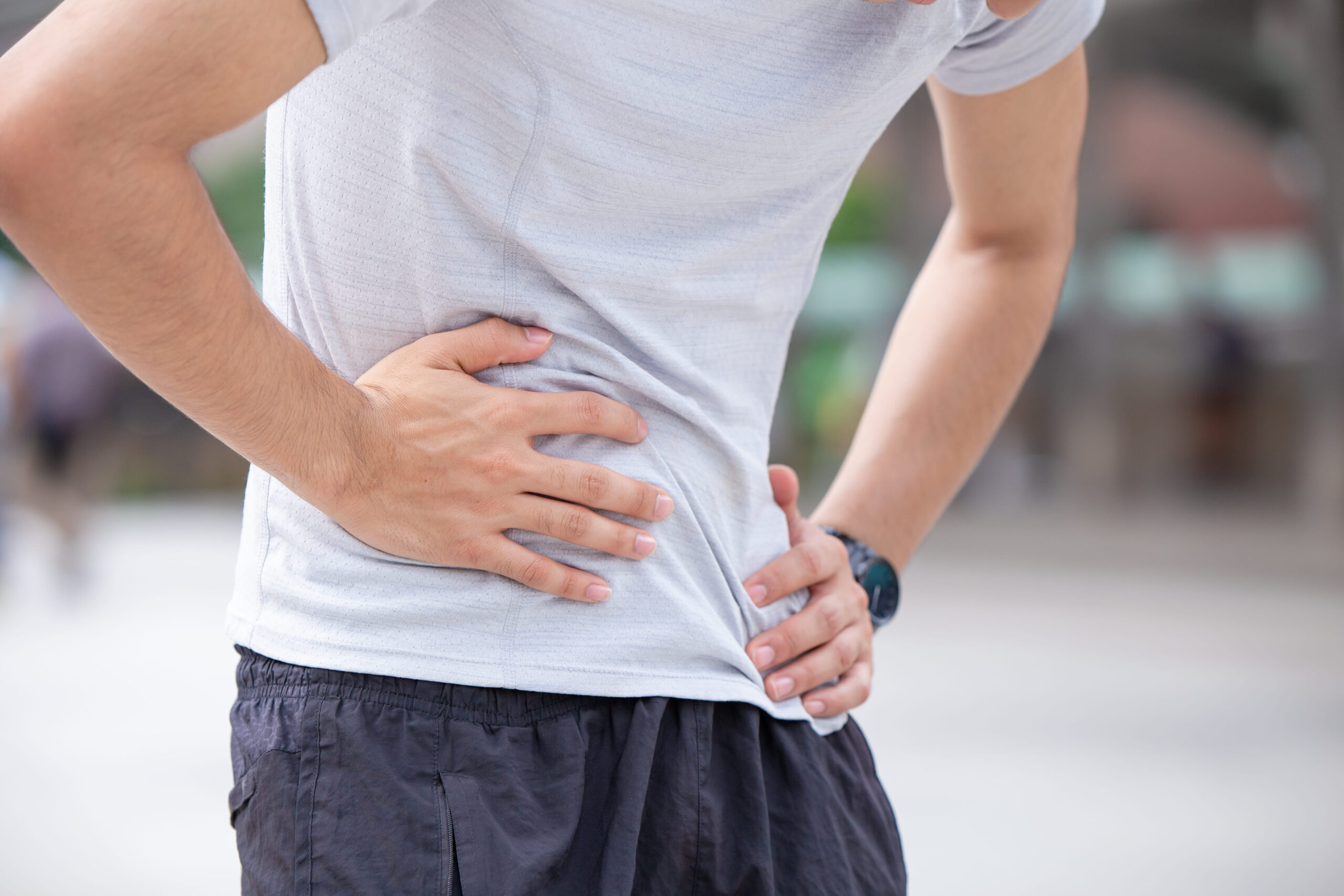
Kidney stone pain may be one of the closest comparisons people use when trying to explain childbirth. It can hit in waves, stab through the side or back, move toward the groin, and make a person sweat, vomit, pace, or curl up. Many men who have had kidney stones describe it as pain that takes over the whole body.
That is why this comparison matters. A study of people who experienced both found that renal colic was rated as the worst pain by many women who had also gone through childbirth, making kidney stone pain one of the few comparisons with real weight behind it. The difference is that childbirth usually adds pressure, stretching, contractions, fear, and exhaustion on top of the pain.
Cluster Headaches
Cluster headaches are not regular headaches. They can feel sharp, burning, or piercing, often around one eye, and the pain can make a person restless enough to pace because sitting still feels impossible. For anyone who has experienced one, the world can shrink to one mission: survive the attack.
That helps explain the mental takeover of childbirth. During hard contractions, a woman may stop talking, stop joking, grip the bed, close her eyes, and focus only on breathing through the next wave. Cluster headaches can last from 15 minutes to 3 hours and often involve sharp burning pain, which makes them a useful comparison for pain that blocks out everything else.
Testicular Torsion
Testicular torsion is the kind of pain many men can understand without needing a long explanation. It can cause sudden, severe pain on one side of the scrotum, swelling, nausea, vomiting, and panic because the body knows something is deeply wrong. It is a medical emergency for a reason.
This does not mean childbirth feels exactly like testicular torsion. The comparison works because both can trigger a whole-body alarm. Labor pain may not be located in the same place, but it can create that same overwhelming sense that the body has taken over. The sudden, severe nature of testicular torsion pain helps men imagine how intense birth pain can become.
Acute Pancreatitis
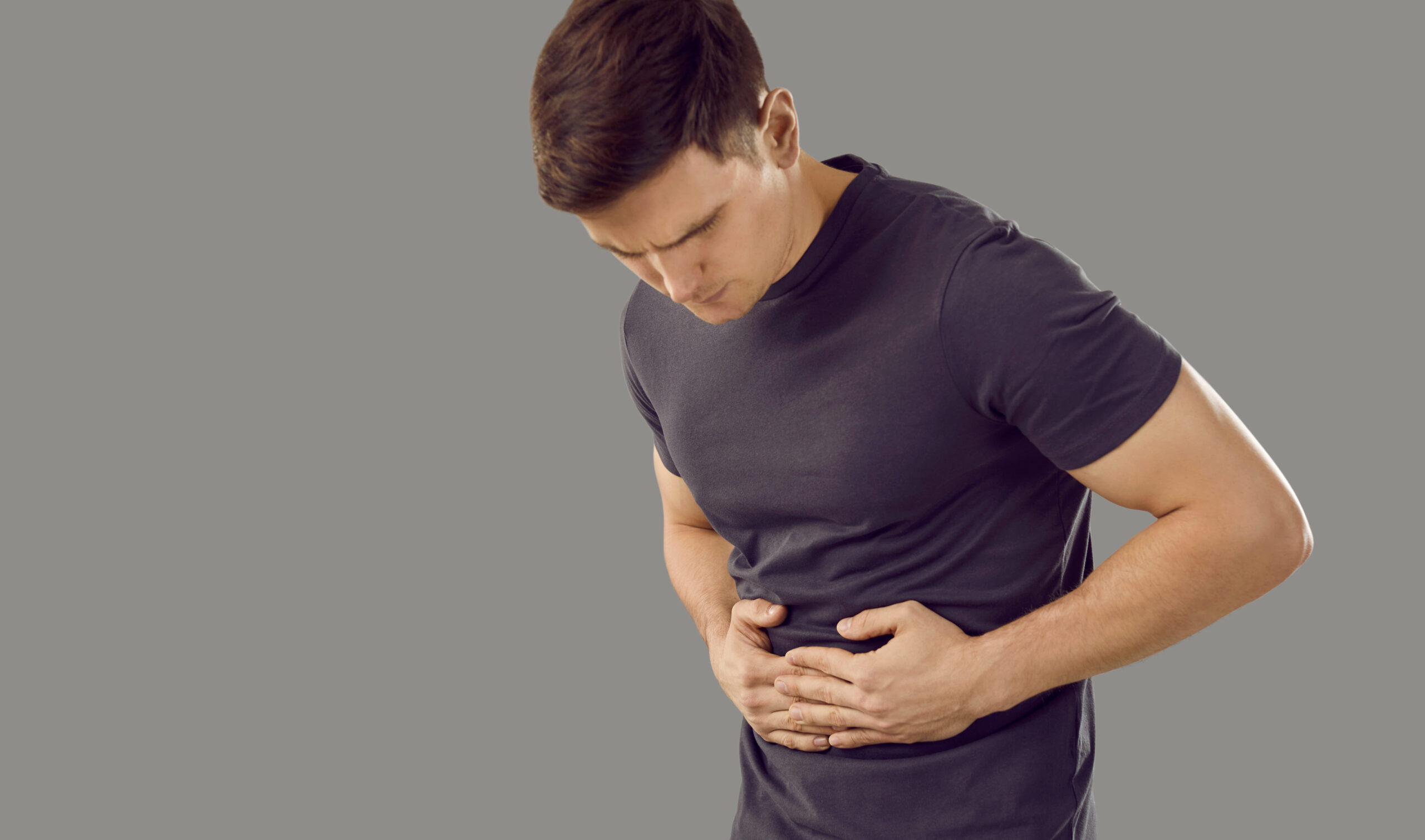
Acute pancreatitis can feel like deep, drilling pain in the upper belly. It can spread to the back, come with nausea, and make simple movement feel like a bad idea. People often describe it as the kind of abdominal pain that refuses to be ignored.
That comparison helps because labor also originates deep within the body. It is not surface-level pain like a cut or bruise. It is internal, muscular, and consuming. Acute pancreatitis pain can range from tolerable to severe and may feel steady, dull, or drilling under the ribs, giving readers a sense of the deep-body intensity that can echo parts of childbirth. Upper abdominal pain gives only one piece of the picture, but it is a powerful piece.
Gallbladder Attack
A gallbladder attack can feel like a sudden storm in the abdomen. The pain often strikes in the upper belly or under the ribs, and it may spread toward the back or shoulder. Many people cannot sit comfortably, relax, or simply “walk it off.”
That wave-like intensity makes it easier to understand labor contractions. Gallstone pain can trigger sudden, intense abdominal pain that usually lasts between 1 and 5 hours, often called biliary colic. Sudden intense pain is the shared idea here. Labor, however, can recur in waves as the cervix dilates and the baby descends.
Severe Burns
A serious burn is one of the clearest examples of pain that can feel hot, raw, and impossible to ignore. The skin is full of nerves, so damage to it can cause sharp, searing, relentless pain. Anyone who has touched a hot pan for half a second knows how fast the body reacts.
Now imagine that intensity stretched into a larger experience. During birth, some women describe a burning sensation during crowning, when the baby’s head stretches the vaginal opening. Severe burns are not the same as birth, but they help explain the “ring of fire” many women describe. Second-degree burns can be red, blistered, swollen, and painful, showing how intense burn-related pain can become when tissue is stretched or damaged.
Sickle Cell Pain Crisis

A sickle cell pain crisis can be sudden, severe, and unpredictable. Pain may hit the chest, back, hands, feet, joints, or other parts of the body because sickled cells block blood flow through small vessels. People who experience it often describe pain that can derail normal life without warning.
This comparison matters because childbirth also demands endurance through pain that can arrive in waves and take over the body. A pain crisis can start suddenly, range from mild to severe, and last for different lengths of time. That unpredictability helps explain why women in labor can feel trapped inside a body even when they cannot pause. The idea of pain throughout the body gives readers a stronger sense of how consuming severe pain can be.
Sciatica From a Herniated Disc
Sciatica can make a person afraid to move. A herniated or bulging disc can press on the sciatic nerve, causing pain that travels from the lower back into the buttocks and down the leg. It can feel sharp, electric, burning, or so deep that standing, sitting, and walking feel like separate problems.
This helps explain back labor. Some women feel contractions more in the lower back, hips, and pelvis than in the belly. Imagine severe sciatic pain returning in waves while the body is also contracting, stretching, and pushing a baby downward. A herniated disc pressing on the sciatic nerve is one common cause of sciatic nerve pain, and that deep back-to-leg intensity helps men picture one part of labor.
Broken Bone Pain
A broken bone is familiar enough to many people. It can cause intense pain, swelling, bruising, tenderness, deformity, and trouble moving the injured area. The body sends a clear message: stop, protect, and do not use this part normally.
Childbirth is different because it is not an injury in the same way. The body is doing what it is designed to do, but that does not make the pain small. A fracture helps explain the intensity of pain that demands full attention. Many fractures are very painful and may prevent movement, which makes broken-bone pain a useful comparison for how labor can suddenly make ordinary movement, speech, and focus difficult.
Abscessed Tooth Pain

An abscessed tooth can humble almost anyone. It may throb, shoot, or radiate into the jaw, ear, or neck, making sleep feel impossible. The pain can become so constant that a person cannot eat, think, or sit still without being reminded of it.
This comparison helps explain the relentless pressure side of childbirth. During pushing, many women describe crushing pressure in the pelvis and rectum, plus stretching and burning that can overpower every other thought. A tooth abscess can cause severe pain that feels shooting, throbbing, or spreading to nearby areas, making it a strong example of radiating pain.
Conclusion
Childbirth pain does not match one single pain perfectly. It can feel like kidney-stone waves, cluster-headache focus, testicular-torsion shock, pancreatitis-level internal pain, gallbladder-attack cramping, burn-like stretching, sickle-cell intensity, sciatica-like back pain, fracture-level attention, and abscess-like pressure, all folded into one physical event.
That does not mean every woman feels all of these at once. Birth varies by body type, baby position, labor duration, pain relief, complications, and support. But the point is simple: childbirth is not “just cramps.” It is one of the most intense pain experiences the human body can face, and women deserve awe, empathy, and respect for going through it.