Pineapple on pizza gets all the attention, but have you ever considered putting pears, potatoes, clams, or even tuna on your next slice?
For years, pizza lovers have debated whether sweet fruit belongs alongside melted cheese and savory toppings. Some defend pineapple without hesitation, while others believe it has no business being anywhere near pizza dough.
But here’s the interesting part: pineapple is hardly the only ingredient that challenges people’s expectations.
Restaurant menus from California to Brooklyn, Connecticut, and even Thailand feature combinations that go well beyond the familiar pepperoni-and-mozzarella formula.
Some rely on sweet-and-savory contrasts. Others explore seafood, herbs, creamy cheeses, or ingredients typically associated with completely different dishes. If you’ve ever wondered why pineapple on pizza inspires such strong opinions, these seven real menu creations might give you something else to debate.
Pear and Gorgonzola Pizza
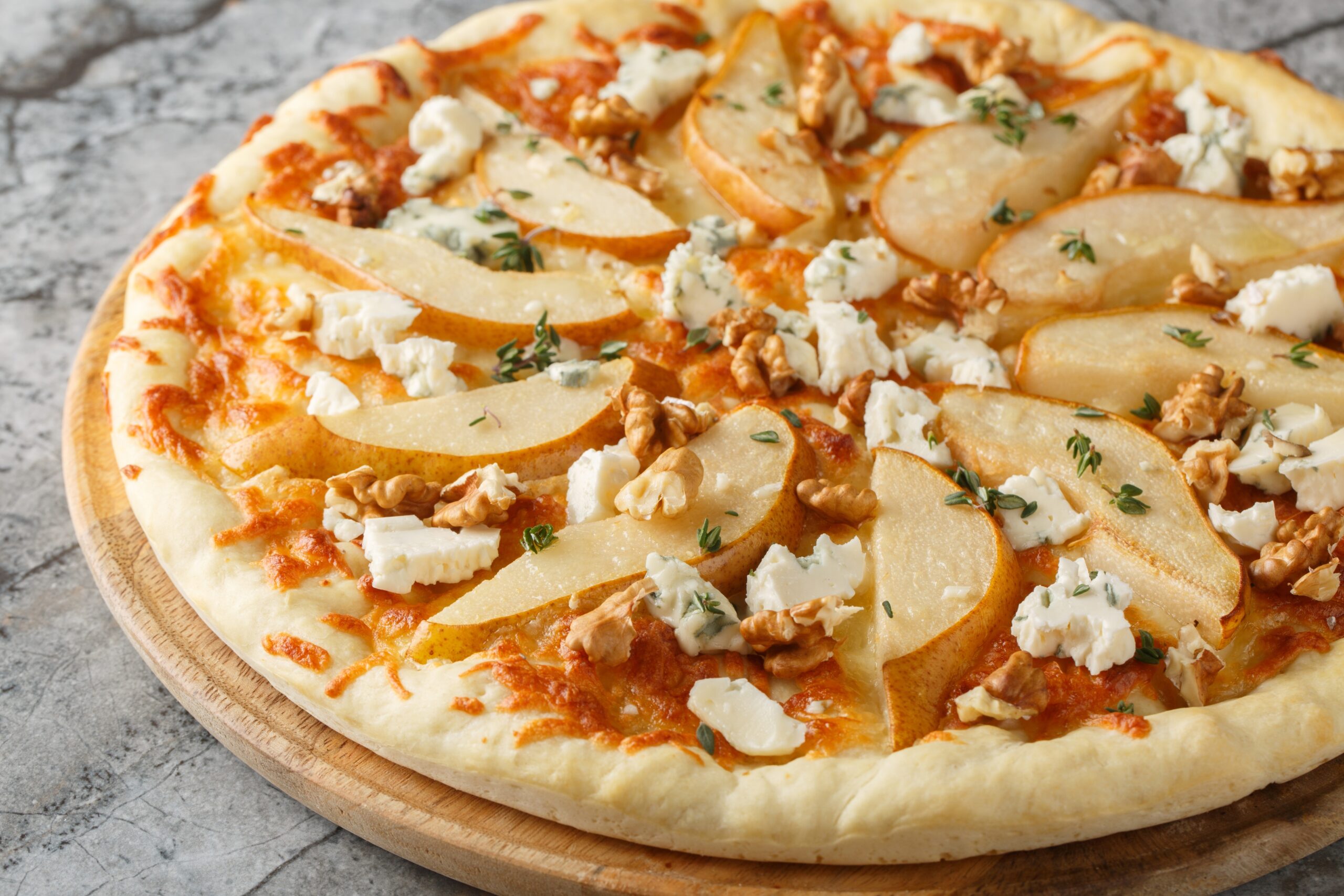
If pineapple doesn’t belong on pizza because it’s fruit, what about pears? At Base Camp Pizza Co. in South Lake Tahoe, California, the Pear & Gorgonzola pizza brings sweet Bosc pears together with Gorgonzola cheese and red onion.
According to the restaurant’s official menu, the toppings sit over a garlic cream sauce, with arugula and balsamic vinaigrette completing the combination. It’s an interesting alternative to the usual fruit-and-ham discussion.
Instead of pairing fruit with a familiar pizza meat, this creation places the sweetness of pears alongside the distinctive flavor of blue cheese. The garlic cream sauce also provides a different foundation from traditional tomato sauce.
For anyone exploring how different ingredients change pizza flavor, this combination shows how much the supporting ingredients matter. Whether pears deserve a permanent place on your pizza is entirely up to your taste buds.
Fresh Figs and Burrata Pizza
This combination makes the fruit-on-pizza debate even more interesting. Rome to Brooklyn Pizza in Greenpoint, Brooklyn, offers a seasonal Fresh Figs & Burrata Pizza. Its published menu lists fresh figs, goat cheese, caramelized onions, burrata, arugula, and reduced balsamic.
That’s quite a departure from the familiar combination of tomato sauce, mozzarella, and pepperoni. The figs introduce sweetness, while the cheeses, onions, and balsamic create a mixture of contrasting flavors.
Burrata adds creaminess, and the arugula adds another layer to the finished pizza. One important detail is that the restaurant calls this a seasonal offering, so availability may change.
Still, it makes a convincing case for experimenting with fruit in savory dishes, even if it doesn’t settle the pineapple debate.
Potato, Rosemary, and Pancetta Pizza
Who decided potatoes couldn’t belong on pizza? At Rome to Brooklyn Pizza, another unusual combination features rosemary potatoes, pancetta, and scamorza, which the restaurant describes as smoked mozzarella. The pizza is finished with Parmigiano Reggiano and extra-virgin olive oil.
This creation takes familiar ingredients and places them in a setting that might surprise anyone accustomed to conventional pizza toppings.
Potatoes provide the main contrast, while rosemary contributes its distinctive herbal flavor.
Pancetta and smoked mozzarella round out the combination. The idea of pairing potatoes and rosemary on pizza isn’t limited to this Brooklyn restaurant. Williams Sonoma’s potato-and-rosemary pizza recipe also documents a related preparation featuring roasted garlic.
For home cooks looking to experiment with pizza toppings, it offers an alternative to the usual meat-and-vegetable combinations. Suddenly, pineapple seems like a fairly ordinary choice.
White Clam Pizza
Forget pineapple for a moment. How do you feel about clams on pizza? Frank Pepe Pizzeria Napoletana in New Haven, Connecticut, lists a White Clam Pizza featuring fresh clams, garlic, oregano, grated Pecorino Romano, and olive oil.
The restaurant’s official menu doesn’t list tomato sauce or mozzarella in the published toppings. That alone makes this pizza different from what many people picture when they hear the word. Instead of a tomato-and-cheese base, the combination brings together seafood, garlic, herbs, and grated cheese.
The restaurant’s New Haven ordering page lists the pizza for dine-in and takeout, not delivery. For anyone who believes pizza must follow a fixed formula, white clam pizza offers another perspective.
It also shows why exploring different pizza styles can be more interesting than arguing over a single topping.
Anchovies, Capers, and Olives
This pizza doesn’t rely on sweetness to make a statement. At Marco’s Restaurant in Pattaya, Thailand, the Napoli pizza features tomato sauce, mozzarella, anchovies, capers, and olives.
The combination appears on the restaurant’s official pizza menu. Unlike the fruit-based pizzas earlier in this list, this one leans heavily toward salty, savory flavors.
Anchovies provide a distinctive seafood taste, while capers and olives contribute their own bold characteristics.
The familiar tomato-and-mozzarella foundation ties everything together. Interestingly, the name Napoli doesn’t always mean exactly the same ingredient combination at every restaurant.
Da Franco’s menu, for example, lists a Napoli pizza with anchovies and oregano, while its Romana version includes capers.
So even when pizzas share familiar names, the toppings may differ. And if pineapple seems controversial, imagine the reactions when someone suggests adding anchovies and capers instead.
Tuna and Onion Pizza
Tuna on pizza might sound unusual, but it’s a documented restaurant combination. Marco’s Restaurant also lists a Tonno & Cipolle pizza featuring tomato sauce, mozzarella, tuna, and onions.
Another restaurant, Da Franco, features the same basic combination under the name Tonno e Cipolle. This pizza takes a different approach from white clam pizza.
Rather than removing the familiar tomato-and-cheese foundation, it adds tuna and onion to that base. The combination is straightforward, with only four ingredients identified on the published menu.
It also demonstrates how seafood can play different roles in pizza recipes, from clams on a white base to anchovies with capers and olives.
Of course, an ingredient’s appearance on a restaurant menu doesn’t mean everyone will enjoy it. But it certainly gives pizza lovers another option to discuss.
Bacon-and-Egg Carbonara Pizza
If eggs can be part of your breakfast, why not your pizza? Marco’s Restaurant offers a Carbonara Pizza featuring a cream base, mozzarella, bacon, Parmigiano, and egg.
According to its official menu, these ingredients come together in a pizza inspired by familiar bacon-and-cheese flavors. The cream base distinguishes it from tomato-based preparations, while the egg makes it particularly interesting.
Another restaurant, Da Franco, lists a different egg-topped creation called Bismark, featuring tomato, mozzarella, egg, and ham.
These are separate preparations, not interchangeable recipes. For home cooks who enjoy making pizza from scratch, the idea is simple: familiar ingredients can create unexpected combinations on pizza dough.
And while the Carbonara Pizza name may sound traditional, this particular topping combination shouldn’t be confused with an authoritative definition of classic pasta carbonara.
Maybe Pineapple Isn’t the Real Debate
Pizza doesn’t have to follow one universal topping formula to be enjoyable. These seven restaurant creations demonstrate just how many directions cooks can take the same basic idea, from pears and blue cheese to potatoes, seafood, and eggs.
Some combinations might become personal favorites. Others might leave you reaching for a familiar cheese or a slice of pepperoni. Neither reaction is wrong.
The next time someone insists pineapple doesn’t belong on pizza, ask whether they’ve ever considered pears, clams, or a fried-egg-inspired topping instead.