Some dinners make you juggle three burners, preheat the oven, and somehow keep a side dish from going cold. This white bean and sausage skillet takes a simpler route: brown the sausage, simmer the beans, wilt the greens, and finish with Parmesan. The Modern Proper’s version serves four and takes 10 minutes of prep plus 20 minutes to cook. It delivers a spoonable, savory dinner without requiring an oven or a separate saucepan for the sauce.
The clever part is what makes it creamy. This recipe uses no heavy cream; instead, it mashes some of the white beans and stirs them into the stock, creating the sauce while leaving the rest whole. Garlic, thyme, lemon juice, and Parmesan round out the skillet, with kale providing the greens. It is comfort food built around a practical technique, rather than a long ingredient list or an afternoon spent hovering over the stove.
The Secret to the Creamy Sauce Is Already in the Can
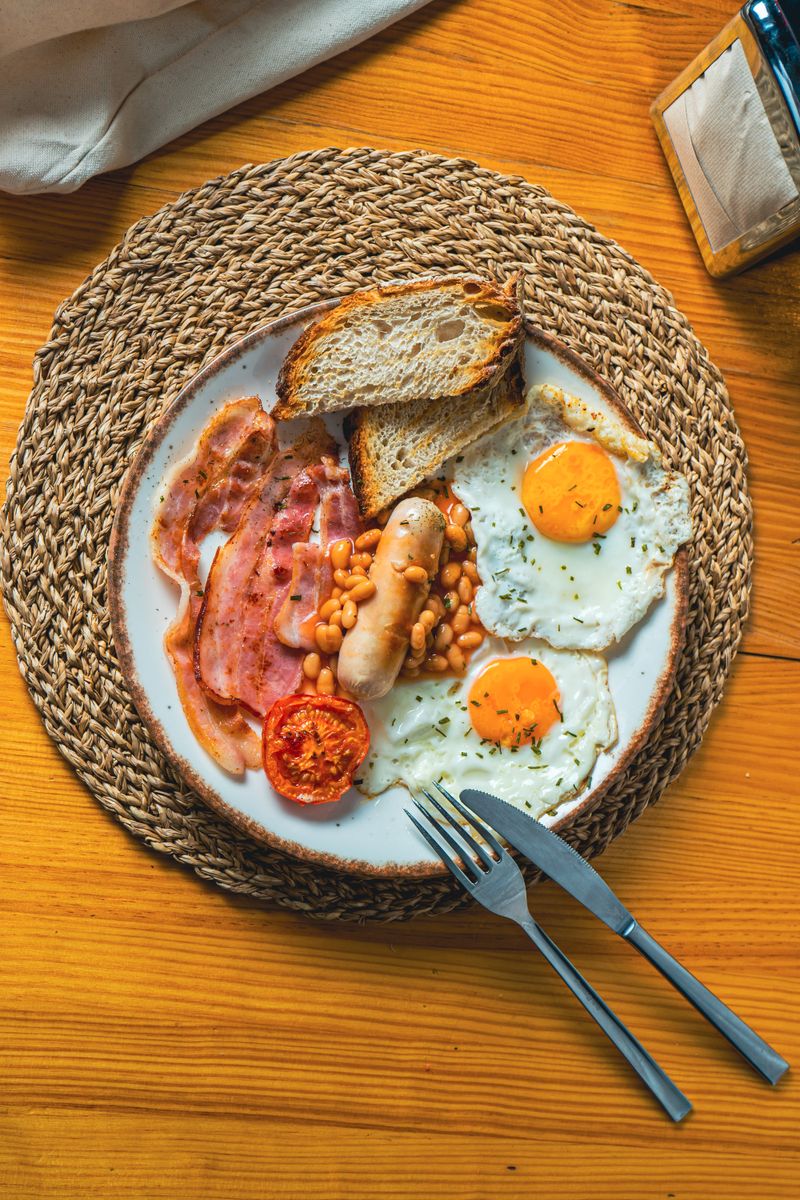
Recipe developers Holly Erickson and Natalie Mortimer, the authors behind The Modern Proper’s version, describe the bean-mashing step with appropriate enthusiasm: “It’s lazy and magical all at once.” Their introduction explains that smashing only some of the beans creates the desired consistency without turning the entire dinner into a purée. The published recipe makes the process especially clear: two-thirds of the beans go into the skillet whole, while the remaining third is mashed separately. That gives the finished dish both a creamy base and recognizable beans to scoop onto your spoon.
The sausage supplies another distinct texture, but the type matters. The authors specify precooked sausage in their recipe guidance, with smoked sausage or cooked Italian sausage among the options. Browning the slices comes first, then letting them rest briefly while the beans and sauce come together. As Erickson and Mortimer explain, browning “will help keep it from losing all of its texture when you braise it later,” giving this first step a purpose beyond making the kitchen smell promising.
You also have some flexibility at the bean aisle. The recipe calls for great northern beans, butter beans, or cannellini beans, using two 15-ounce cans, drained and rinsed. Canned beans keep this version on schedule because you skip soaking and cooking dried beans. A skillet and a fork do the sauce-making work, so you won’t need to wash a blender afterward, though you will need a small bowl and a plate along the way.
Related: How Families Celebrated Thanksgiving in the 1950s
How to Make the Skillet, From First Sizzle to Final Stir
Gather 12 to 14 ounces of precooked sausage, sliced into quarter-inch rounds; 2 tablespoons extra-virgin olive oil; 3 minced garlic cloves; and 2 cans of white beans. You will also need 1½ cups chicken stock, ½ teaspoon kosher salt, ¼ teaspoon black pepper, and 1 teaspoon fresh thyme, minced. For the finish, prepare about 3 packed cups of stemmed, torn curly kale, 1 tablespoon fresh lemon juice, and ½ cup freshly grated Parmesan. Serve with extra Parmesan, red pepper flakes, and crusty bread.
Heat the olive oil in a 12-inch skillet over medium-high heat, then add the sliced sausage once the oil is glistening. Cook for about four to five minutes, turning to brown on both sides, then transfer to a plate. Add the garlic to the same skillet and cook for about 30 seconds, just until fragrant.That short garlic step comes before the liquid, so keep the beans and stock nearby rather than starting another kitchen project mid-sauté.
Add two-thirds of the beans and 1 cup of the stock, leaving the remaining ½ cup aside to adjust the sauce later. Stir in the salt, pepper, and thyme, then bring the mixture to a simmer over medium heat. Meanwhile, mash the remaining beans in a bowl with a fork until they form a thick paste. Stir the paste into the skillet and simmer for 2 to 3 minutes, until the beans are heated through and the stock is bubbling.
Now add the kale, lower the heat to medium-low, and stir frequently for about two minutes. The recipe’s cues matter more than the clock: the greens should wilt,the liquid should reduce slightly, and the sauce should become creamy. Stir in the Parmesan and lemon juice, then return the browned sausage and heat it through. If the mixture needs loosening, add the reserved stock a little at a time; finish by tasting and adjusting the seasoning before serving.
Keep the Shortcuts and Know Where They Stop

Precooked sausage is the important shortcut, not a detail to gloss over. Erickson and Mortimer explicitly advise cooking raw sausage first if that is what you have, rather than treating a few minutes of browning as an equivalent step. Federal food-safety guidance calls for raw ground pork or beef sausage to reach 160°F, while ground poultry sausage needs to reach 165°F. Use a food thermometer to check, and remember that starting with raw sausage changes what you need for this quick skillet.
There is room to adjust the greens without turning dinner into an entirely different project. In the recipe’s questions section, The Modern Proper confirms that spinach can replace kale and that frozen kale is also an option. Those are supported substitutions, but the published two-minute wilting instruction is written for the fresh kale in the ingredient list. Follow the condition of the greens and sauce rather than assuming that every substitution will behave the same way on the same schedule.
Serve the skillet in bowls with extra Parmesan and, if you want a little heat, red pepper flakes. Crusty bread is the recipe’s suggested companion for scooping up the sauce, not another dish you must cook to complete dinner. If there are leftovers, refrigerate them promptly in shallow containers within two hours, use them within three to four days, and reheat to 165°F. The result is a dinner with a clear beginning, a creamy finish, and no unnecessary performance in between, just beans, sausage, and a skillet doing their jobs.
Other Stories You Might Like
- 8 TV Theme Songs Every Boomer Can Still Sing by Heart
- 7 Things Smart Women Do in Relationships That Others Rarely Notice
- 9 Things That Happen When Grandparents Live Nearby, According to Research