New York’s black-and-white cookie is more than a bakery treat because it connects immigrant baking traditions, neighborhood food counters and one remarkably memorable television moment. Its two-tone surface is instantly recognizable, but its history is less neatly divided. Competing origin stories, differences between bakery versions and a famous Seinfeld scene have all helped turn a simple-looking sweet into a symbol of the city.
Even a small identity crisis lurks beneath the icing: the classic black-and-white is closer to cake than to a crisp cookie. Food writer William Grimes described it as a “drop cake” in a 1998 New York Times article, a distinction later explored by longtime New York restaurant critic Robert Sietsema. That tender base is part of its appeal, and a useful reminder that a familiar name does not always tell the whole story.
The History Is Not Quite as Neat as the Icing
One of the strongest family accounts leads to Glaser’s Bake Shop in Manhattan’s Yorkville neighborhood. Bavarian immigrants John and Justine Glaser opened the bakery in 1902, and their grandson Herb Glaser said the black-and-white was among its original recipes. That testimony ties the pastry to a specific immigrant business. It does not, however, conclusively establish that the Glasers invented every element of the dessert or that no similar pastry existed elsewhere.
Another frequently cited branch of the story involves upstate New York’s half-moon cookie, particularly the version associated with Hemstrought’s Bakery in Utica. Half-moons share the split chocolate-and-vanilla appearance, but commonly feature a cake base topped with fluffy frosting. New York City’s familiar black-and-white more often carries a smoother fondant coating. They are closely related in appearance, yet treating the names as interchangeable can obscure meaningful differences in texture and preparation.
The connection between those traditions remains unresolved. Sietsema questioned the assumption that Manhattan’s version simply descended from Utica’s, pointing to the Glaser family’s early date. He also suggested that cake-like cookies might connect to older New York baking traditions, but presented that as a possibility rather than documentary proof. The responsible conclusion is less tidy than a single-inventor story: several related traditions exist, and their precise relationship is uncertain.
Glaser’s itself closed in 2018, after more than a century in business, but the pastry’s association with the bakery remains part of its history. That distinction matters when reading older food guides: a glowing account of its counter is historical reporting, not a current recommendation to visit. The black-and-white outlasted that particular storefront, carrying a piece of its neighborhood’s baking story into a much wider world.
Related; 10 Things Grandkids Remember About Grandpa Long After He’s Gone
A Simple Design Leaves Plenty of Room for Personality
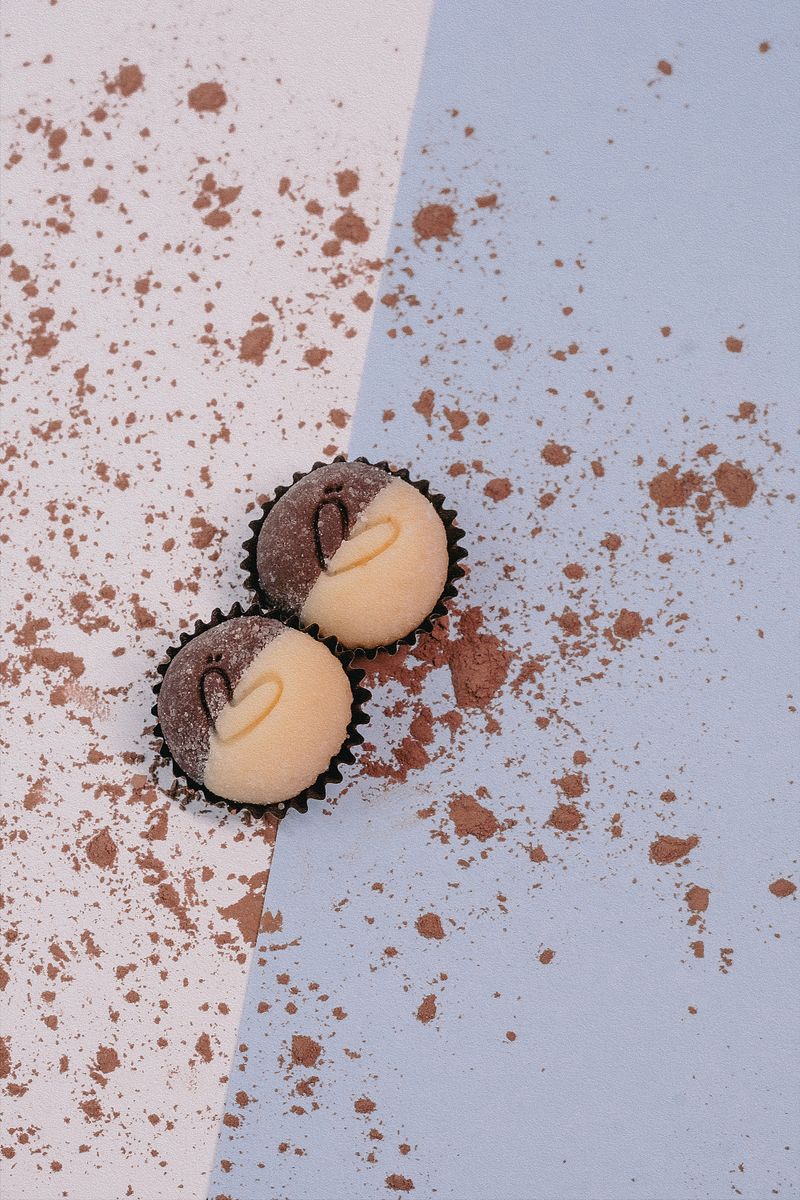
The familiar format is a flattened dome of fine-textured cake, coated on one side with chocolate and the other with vanilla. Its appeal partly lies in that uncomplicated choice: you get both flavors in one pastry. But the execution can vary considerably. Some versions emphasize soft cake and fluffy frosting; others use a firmer coating. The recognizable division stays in place even when the bite underneath changes.
Sietsema’s 2014 survey captured that variety across New York bakeries, bagel shops and delis. He found miniature versions, heart-shaped versions and even a custard-filled interpretation at the Donut Pub. His descriptions are a snapshot of what those businesses sold then, not a verified inventory for today. Still, the range shows that bakers could reinterpret the black-and-white, rather than treat it as a single standardized product.
That same survey also showed the pastry’s place beyond dedicated bakeries. Some bagel shops sold versions made elsewhere, while others made their own. This distribution helps explain its everyday cultural reach: encountering a black-and-white did not necessarily require a special dessert outing. It could be waiting beside a breakfast order or behind a neighborhood counter, recognizable without an elaborate explanation of its ingredients or ancestry.
Even the supposed distinction between black-and-whites and half-moons has exceptions. Sietsema described Glaser’s version as having fluffy frosting and being closer to an upstate half-moon than the usual shorthand might suggest. That is a useful caution against turning regional food descriptions into rigid laws. The categories help explain general differences, but individual bakeries can blur the boundaries, and sometimes customers cherish that blur.
Then Seinfeld Gave the Cookie a Second Identity
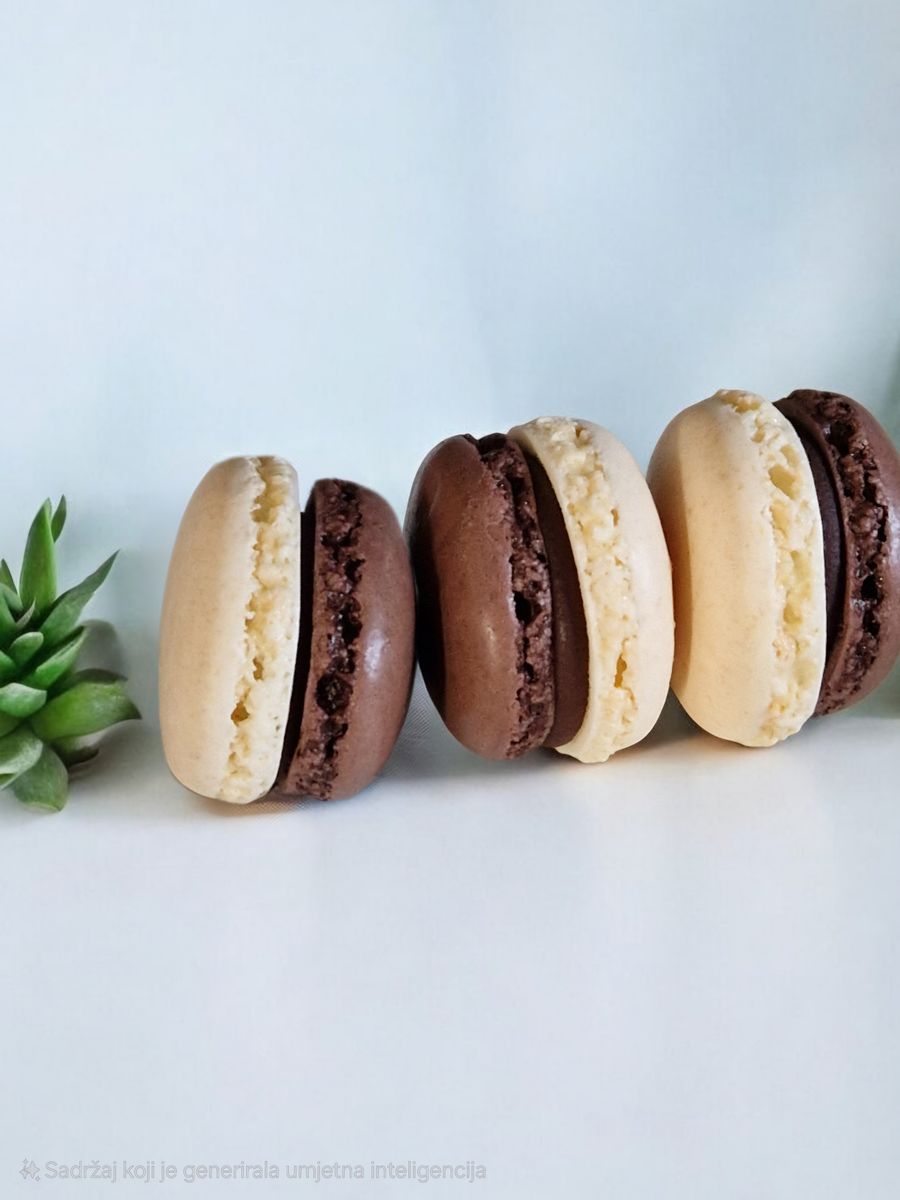
The decisive pop-culture moment arrived in Seinfeld’s 1994 episode “The Dinner Party.” In a bakery, Jerry holds up the pastry and tells Elaine, “I love the black and white, two races of flavor living side by side in harmony.” The scene makes the cookie into a comic metaphor for coexistence. A fictional character speaks, not a historian explaining the pastry’s original meaning.
Jerry then turns eating technique into social philosophy: “The key to eating the black-and-white cookie, Elaine, is that you want to get some black and some white in each bite.” His famous instruction to “look to the cookie” gave the dessert a line audiences could repeat long after the bakery scene ended. The joke attached a new meaning to a pastry that already had decades of local history.
Television did not invent the black-and-white’s New York identity, but it helped make that identity legible to people who had never bought one in the city. A dessert with a disputed past now had an unmistakable screen association: a New York-set sitcom, a bakery counter and an absurdly ambitious lesson drawn from icing. Its symbolism became part of the experience, sitting alongside the cake and the two flavors.
That is why the black-and-white remains more interesting than its ingredient list alone suggests. It can represent an immigrant family’s bakery, the ordinary pleasure of a neighborhood purchase or a television joke that refuses to age quietly. Its history isn’t perfectly symmetrical, and its recipes aren’t identical. The clean line down the middle is simply the most visible part of a much more layered New York story.
Other Post You Might Also Like
.11 Habits That Make Your Grandkids Avoid Calling You
.How to Comfort a Child After a Grandparent Dies