New York’s decision to bar fired prison guards from working for state agencies has become more than a prison labor story. It now feels like a warning about government power, workplace punishment, and what happens when public workers are blamed after a system breaks down.
Americans can relate to this because many workers know what it feels like to be pushed too far by bad conditions, then punished when the pressure finally explodes.
The punishment looks bigger than the offense.
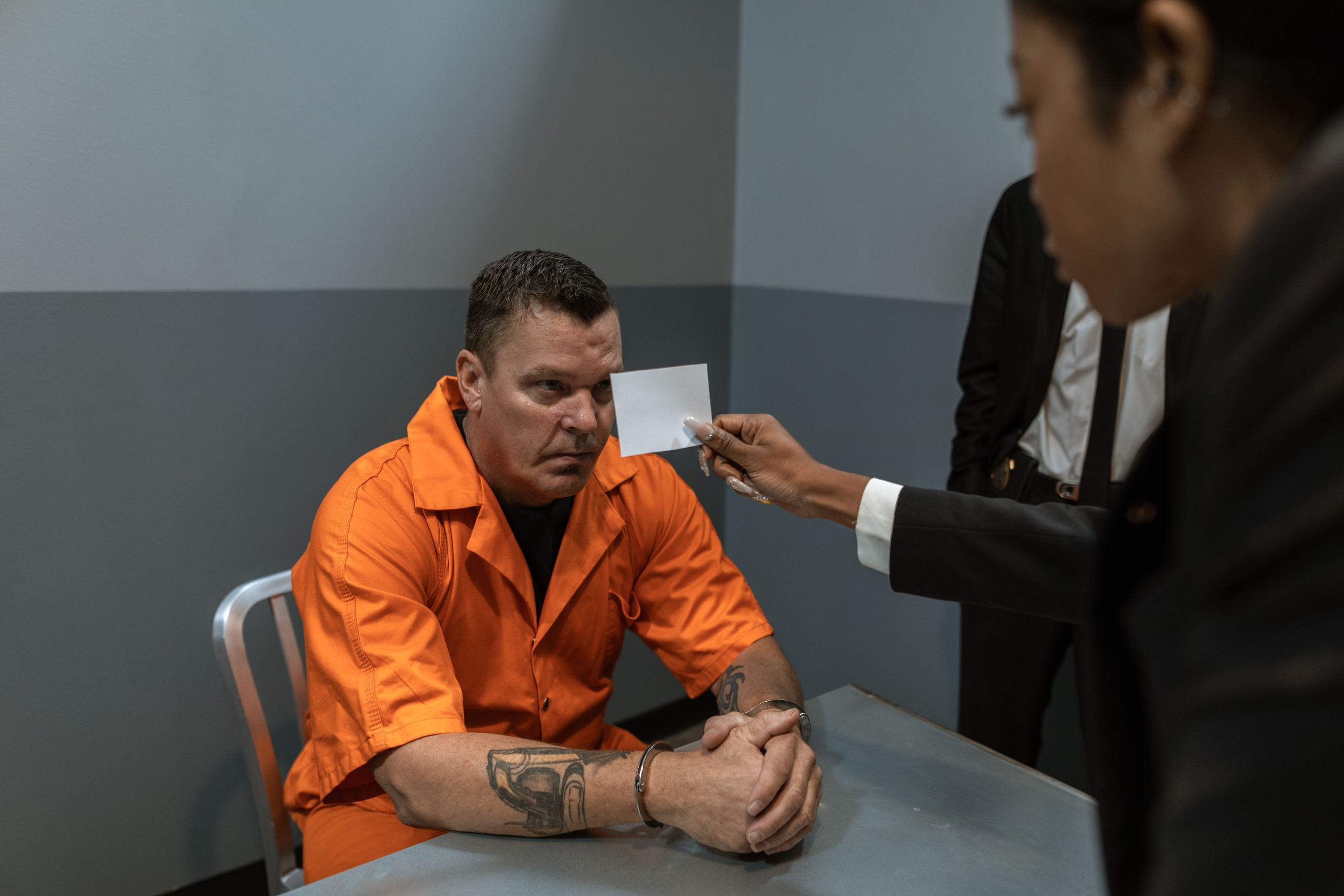
The fired correction officers did not just lose their prison jobs. The state order blocked them from future work with New York State agencies, which made the punishment feel much larger than ordinary discipline.
That is why many critics saw the move as extreme. Losing one job is already serious, but being blocked from a whole lane of public employment can feel like a career-ending penalty.
The prison strike exposed a broken workplace.
The strike did not happen in a perfect system. Correction officers had raised concerns about staffing shortages, unsafe conditions, forced overtime, and pressure inside prisons.
That does not make an illegal strike acceptable, but it does show that the state had deeper problems. Many Americans understand this pattern because broken workplaces often blame workers after ignoring warnings for years.
The government made an example out of workers.
The ban sent a clear message. If public workers walk out during a crisis, the state can punish them hard enough to damage their future careers.
That message may sound tough, but it can also feel dangerous. Americans should worry when government discipline starts looking like public humiliation instead of fair accountability.
The order raised serious second chance questions.

New York often supports second chances for people trying to rebuild their lives. That made this ban controversial because fired correction officers were treated as if they should never return to state service.
Critics argued that the state cannot praise second chances in one situation and deny them completely in another. Accountability matters, but permanent punishment should not become the first answer.
A blanket ban ignores individual circumstances.
Not every fired officer had the same role in the strike. Some may have led it, some may have followed others, and some may have had different personal or workplace pressures.
A fair system should look at individual facts. A blanket ban treats everyone the same, which can make government action look careless and cold.
Local governments got pulled into Albany’s fight.
County jails also need trained workers. Some local officials believed fired state correction officers could help fill staffing gaps in local facilities.
That created another problem. If a county sheriff wants to review and hire someone, state leaders should be careful about blocking that decision from above.
Public safety became a political weapon.

Supporters of the ban argued that prison workers cannot abandon essential jobs without consequences. That is a serious point because prisons depend on order and safety.
Opponents argued that public safety also depends on staffing, morale, and trained workers. If the state removes thousands of experienced workers from public service, it may create new safety problems while trying to solve the old ones.
Firing workers does not fix a prison crisis.
The state may have ended the strike through discipline, but that does not mean the prison system is fixed. Staffing shortages, overtime, safety fears, and low morale can still remain after the firings.
That is the mistake many institutions make. They punish the visible crisis but avoid repairing the conditions that caused it.
The ban feels relatable because many Americans fear unfair job punishment.
Most Americans are not prison guards, but many understand workplace fear. They know what it feels like to worry that one mistake, one conflict, or one bad moment could ruin their career.
That is why this story reaches beyond New York. It speaks to a bigger fear that powerful employers and government agencies can punish workers too harshly when things go wrong.
New York still owes the public a real prison reform plan.
The biggest question is still unanswered. Why did the prison system become so fragile that a strike caused such a major emergency?
New York needs more than firings and bans. It needs better staffing, safer prisons, stronger leadership, fair discipline, and a serious plan to prevent another crisis.
New York’s fired prison guard ban should worry American workers because it shows how quickly workplace discipline can become career destruction. Correction officers who joined an illegal strike should face consequences, but punishment should still be fair, targeted, and connected to real reform.
The deeper issue is not only what the officers did. It is also what the state failed to fix before the crisis exploded. If New York wants safer prisons, it cannot simply ban workers and call that leadership. It must repair the broken system that pushed the conflict to the edge in the first place.