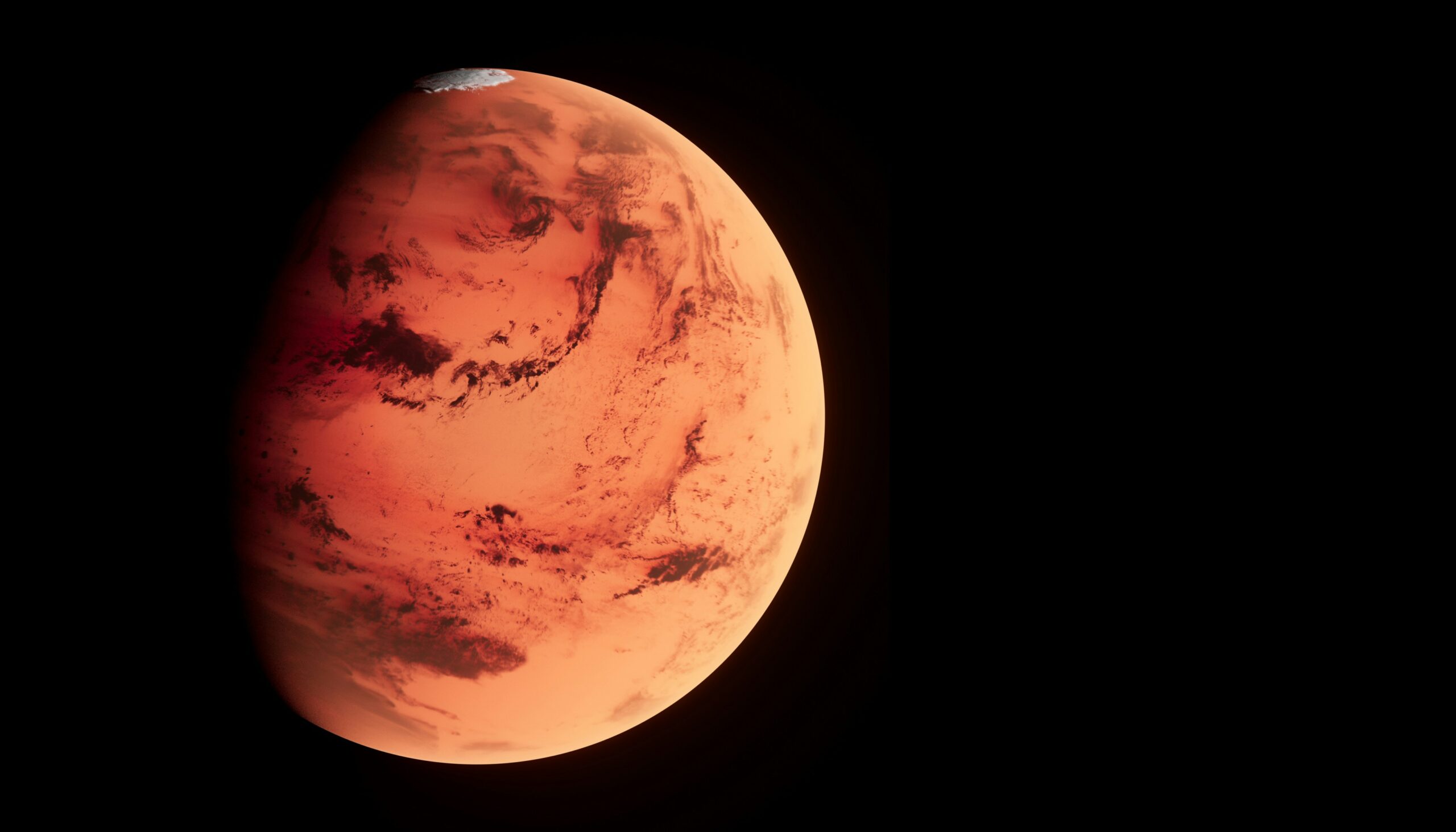
Mars may look like a distant red dot in the night sky, but the planet hides a host of strange and unsettling realities. Its beauty is deceptive; beneath the rust-colored surface lie extremes that would shock any Earth-bound observer. From colossal volcanoes to deadly dust storms, the Red Planet’s secrets reveal a world that is both fascinating and unforgiving. Learning the true nature of Mars challenges our assumptions about space, survival, and what it would take to live there.
These eight truths expose how Mars is far stranger and harsher than science fiction movies suggest, offering both caution and awe for explorers.
The Volcano That Could Swallow Continents
Olympus Mons isn’t just a big mountain; it’s the tallest volcano in the entire solar system, nearly three times the height of Everest. Its massive size and dormant state reveal a planet once geologically explosive. Standing on its slopes would feel alien, and its sheer scale demonstrates that Mars’ surface is shaped by forces far more extreme than anything on Earth. This isn’t just impressive; it’s a reminder of the planet’s raw and potentially dangerous geological past.
Rust Gives Mars Its Deadly Glow
Mars’ iconic red hue comes from iron oxide, or rust, that blankets the planet. This is more than cosmetic oxidation; it hints at ancient interactions with water, suggesting the landscape may harbor chemical hazards beneath the surface. The pervasive rust dust can get into equipment, machinery, and lungs, making even simple exploration tricky. Mars’ signature color is both its most famous feature and a subtle warning about the planet’s harsh environmental conditions.
Martian Seasons Last Almost Twice as Long
Mars tilts similarly to Earth, so it experiences seasons, but with a year lasting 687 Earth days, summers and winters stretch for months. Temperature extremes fluctuate widely, challenging both human and robotic visitors. This extended seasonal cycle affects ice cap growth, dust storms, and surface conditions, making timing exploration and survival strategies far more complicated than anticipated. Mars’ slow, punishing seasons remind us how alien its climate is compared to our familiar world.
Dust Storms That Can Swallow the Planet
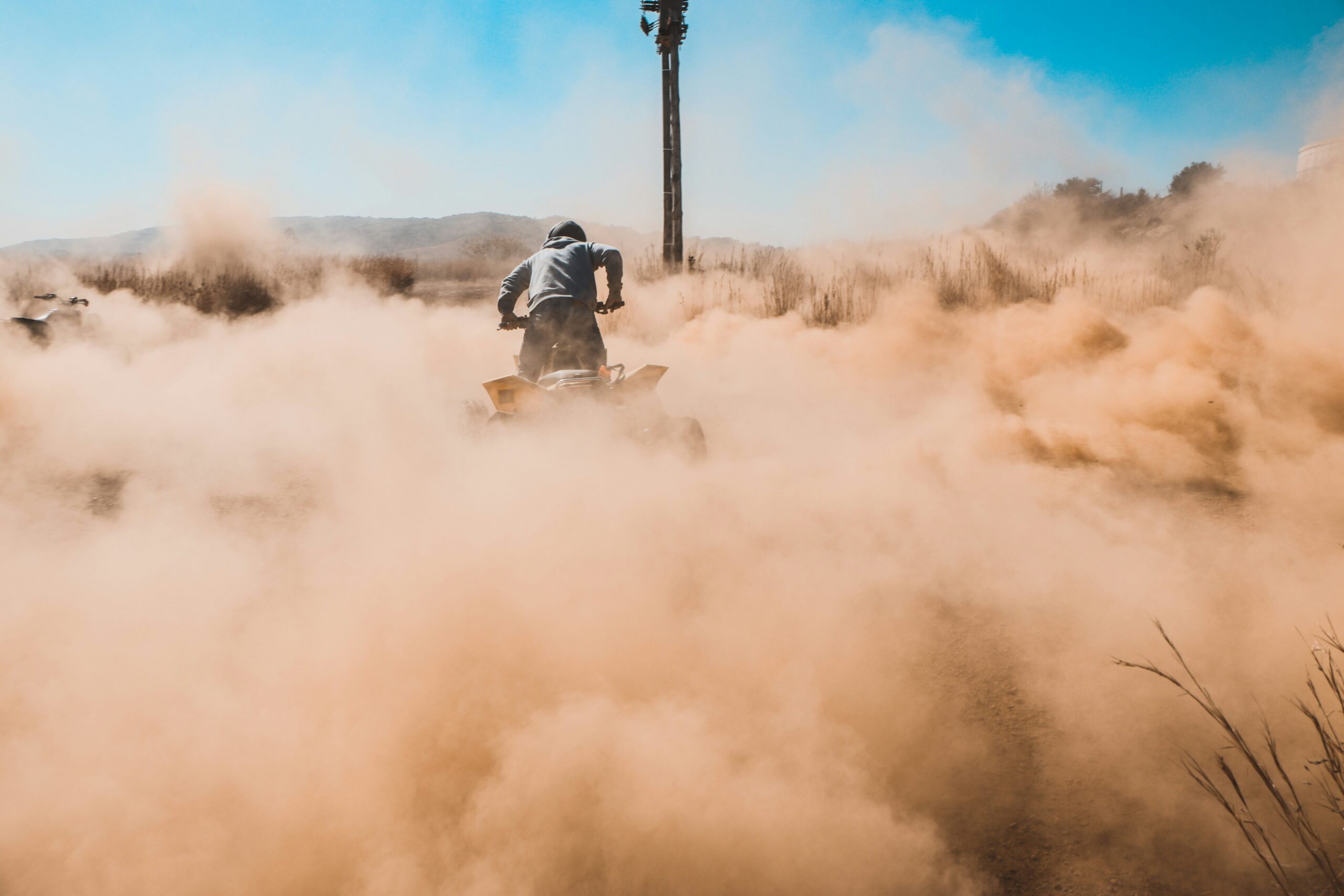
Unlike anything on Earth, Martian dust storms can engulf the entire planet for weeks or months. These storms block sunlight, strain solar-powered equipment, and create unpredictable hazards for surface missions. Even experienced rovers struggle during these storms, which can disrupt communications and navigation. Mars’ skies are deceptive; beneath the tranquil red appearance lies a planet where storms can literally cover everything in suffocating dust.
Devon Janse van Rensburg / unsplash
Water Exists Only in Fragments and Ice
While Mars shows evidence of ancient rivers and lakes, liquid water is almost nonexistent on the surface today. Frozen reservoirs and occasional briny flows are fragile and scattered. For any explorer, this scarcity is deadly: surviving without reliable water sources requires technology and careful planning. Mars’ parched landscape is not just inhospitable; it constantly reminds visitors that survival is far from simple.
Its Moons Are Small and Hazardous
Mars’ moons, Phobos and Deimos, look tiny and harmless but pose unique challenges. Phobos orbits extremely close and may eventually break apart, creating debris hazards. Deimos, though more distant, is irregular and heavily cratered, resembling captured asteroids more than natural satellites. These moons’ unpredictability adds danger to any Martian mission, from orbiting spacecraft to potential landing operations.
Gravity That Weakens the Body
Mars’ gravity is only 38% of Earth’s, which sounds appealing for jumping higher, but it has serious long-term consequences. Muscle atrophy, bone loss, and cardiovascular strain all increase over time. Human bodies evolved for Earth’s gravity, so living on Mars would require constant countermeasures. The low gravity is deceptive: it’s not just a minor inconvenience but a silent, ongoing threat to health.
The Atmosphere Is Almost Deadly
Mars’ atmosphere is thin and mostly carbon dioxide, incapable of sustaining human life without protection. Surface pressure is less than 1% of Earth’s, making breathing impossible and heat retention minimal. Combined with radiation exposure from the lack of a magnetic field, the atmosphere alone turns Mars into a lethal environment. The Red Planet’s air is both alluring in science fiction and outright hostile in reality.

Conclusion
Mars captivates imagination but punishes assumptions. From giant volcanoes to thin air, extreme dust is threatening Earth’s safety. Mars is a world of awe and risk, where beauty conceals brutality, storms, and deadly moons. The Red Planet is stranger and harsher than most realize. These eight truths demonstrate why colonization or casual exploration is far from simple. Understanding Mars’ dangers is essential for science, exploration, and anyone dreaming of life.