Exploring food is a journey where the unexpected often delivers the most memorable experiences. Some dishes are labeled strange or off-putting at first glance, yet they offer a taste that defies initial judgment.
Culinary adventurers know that venturing beyond the familiar can reveal textures, flavors, and combinations that are genuinely delightful.
Across the globe, “weird” foods challenge our preconceptions, yet reward curiosity with rich nutrition, surprising versatility, and unforgettable taste experiences.
From pickled seafood to insects and organ meats, what may appear shocking in one culture is celebrated in another.
Many of these foods combine unusual ingredients or preparation methods that highlight contrasts in taste and texture, making them both nutritious and highly enjoyable.
These ten foods are perfect examples of how unconventional choices can broaden palates and offer dishes that are as rewarding to eat as they are conversation-starting.
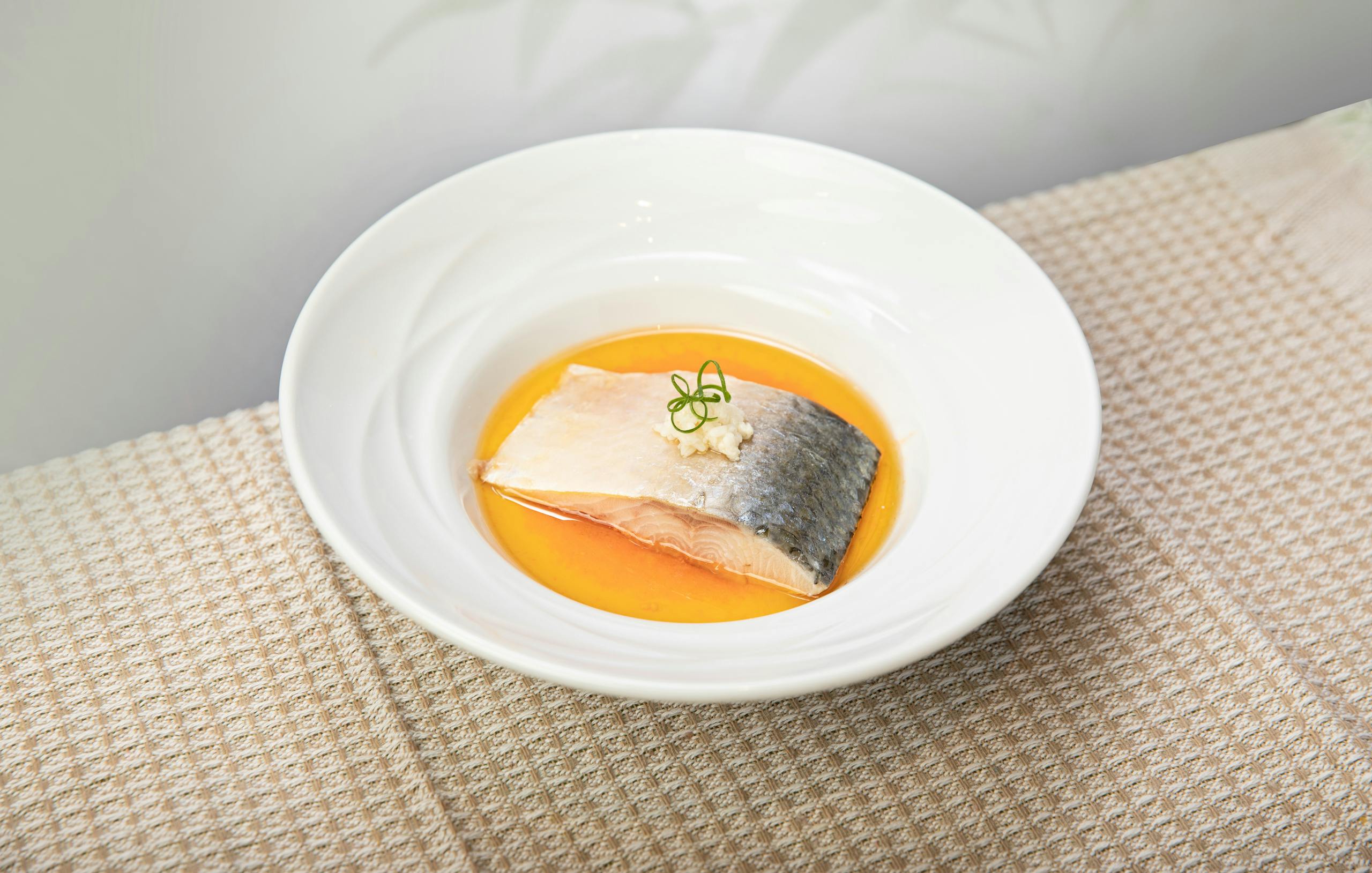
Pickled Herring in Creamy Onions
Pickled herring might look intimidating in its jar, often layered with sour cream and onions, yet it delivers a bright, tangy flavor with a surprisingly smooth texture.
This Northern European classic is rich in omega-3 fatty acids and provides a protein-packed snack or appetizer. A piece of herring on a crisp water cracker balances the creamy and savory components, offering a nuanced experience far from ordinary fish dishes.
The fermentation and pickling process not only preserves the fish but also enhances its flavor depth, producing a subtly sweet, tangy bite that contrasts with the creamy sauce.
Even for skeptics, this dish demonstrates how traditional preservation methods can transform simple ingredients into a gourmet experience that’s both healthy and indulgent.
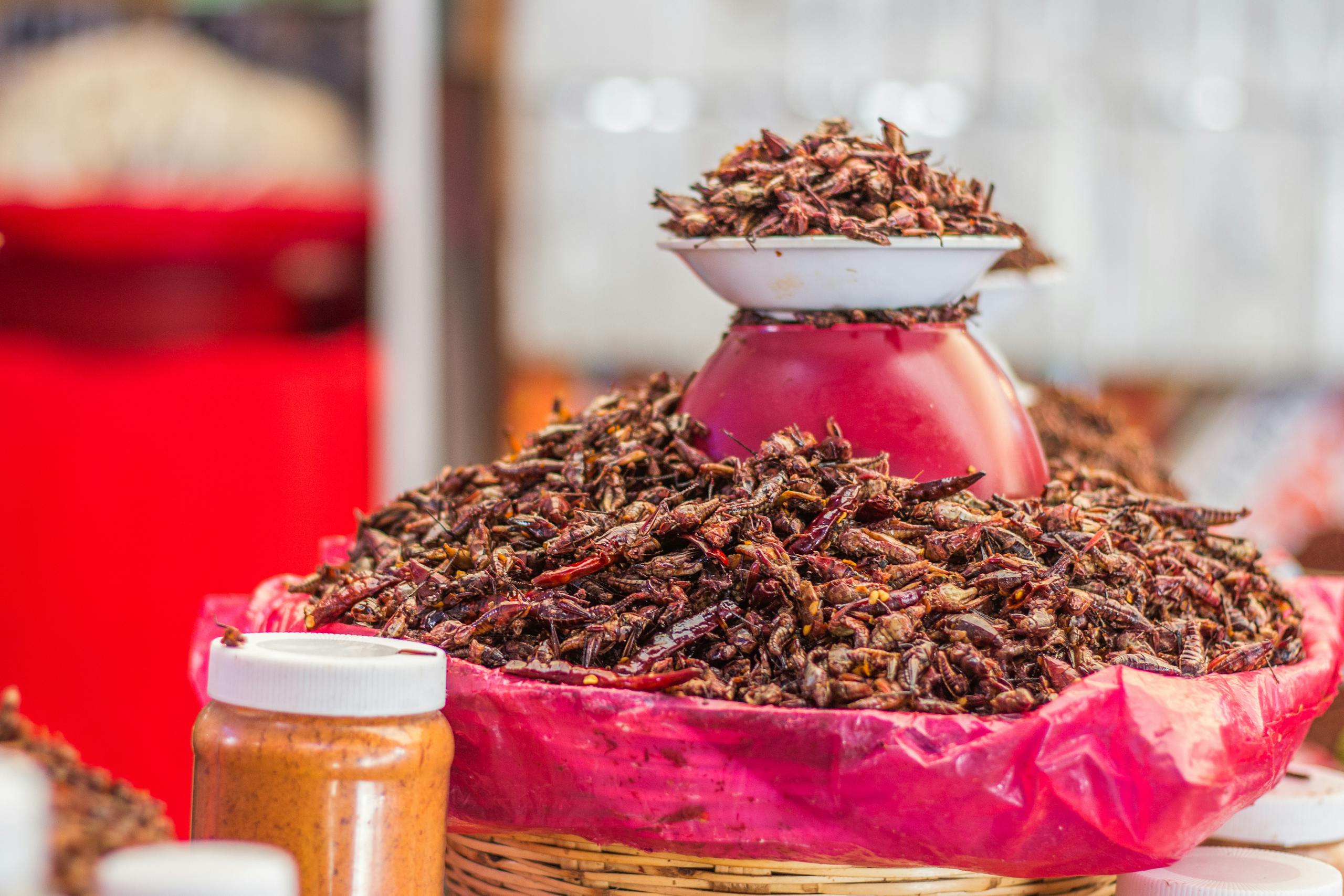
Fried Grasshoppers (Chapulines)
Chapulines, fried grasshoppers seasoned with lime and chili, are a staple in Oaxaca, Mexico, and offer a high-protein, low-impact alternative to conventional meat.
Crunchy and zesty, these insects deliver a nutty flavor that pairs exceptionally with tortillas or tacos.
Unlike traditional meat production, grasshopper farming is environmentally sustainable, requiring minimal water and producing negligible greenhouse gases.
Beyond tacos, chapulines can elevate dishes like Oaxacan-style tlayudas or even infused snacks, providing a savory punch while introducing diners to an unexpected culinary tradition.
Their appeal lies in both texture and cultural significance, offering adventurous eaters a chance to taste heritage in every bite.
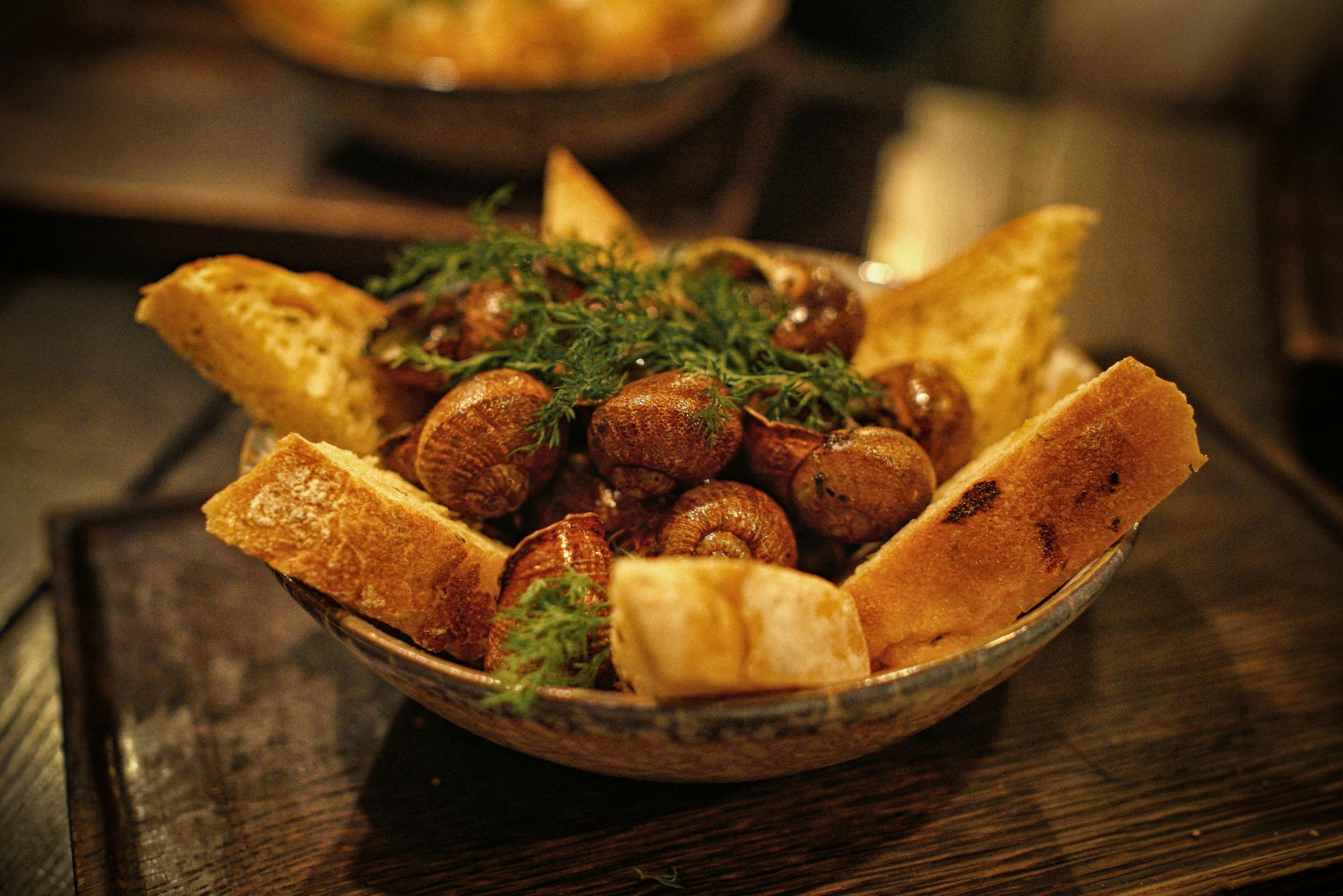
Escargot with Garlic Butter
Escargot, or edible snails, are a French delicacy that combines subtle chewiness with rich, garlicky butter. Though their appearance may intimidate some, the flavor is delicate, earthy, and deeply satisfying.
Escargot offers an excellent source of protein and essential minerals, making it a gourmet snack or starter that pairs beautifully with crusty bread to soak up the buttery sauce.
Preparation is key: chefs often cook snails with herbs and butter, creating a succulent, melt-in-your-mouth experience that transforms an unusual ingredient into a refined, indulgent dish.
The pairing of texture and aromatic seasoning is what makes escargot a surprising delight for those willing to try.
Dandelion Greens and Roots
Often dismissed as a common weed, dandelion offers edible leaves, flowers, and roots packed with vitamins A, C, E, and folate. Young leaves sautéed with lemon and garlic create a flavorful side, reminiscent of arugula or beet greens.
Dandelion roots can also be roasted for a caffeine-free coffee alternative, while the flowers can be used to craft dandelion wine, demonstrating the plant’s versatile culinary potential.
Historically, dandelions were a staple in European diets and herbal medicine. Modern foraging and grocery sourcing allow this once-overlooked plant to shine as a bitter, slightly nutty complement to salads, sautés, and even teas, proving that familiar weeds can transform into gourmet experiences.

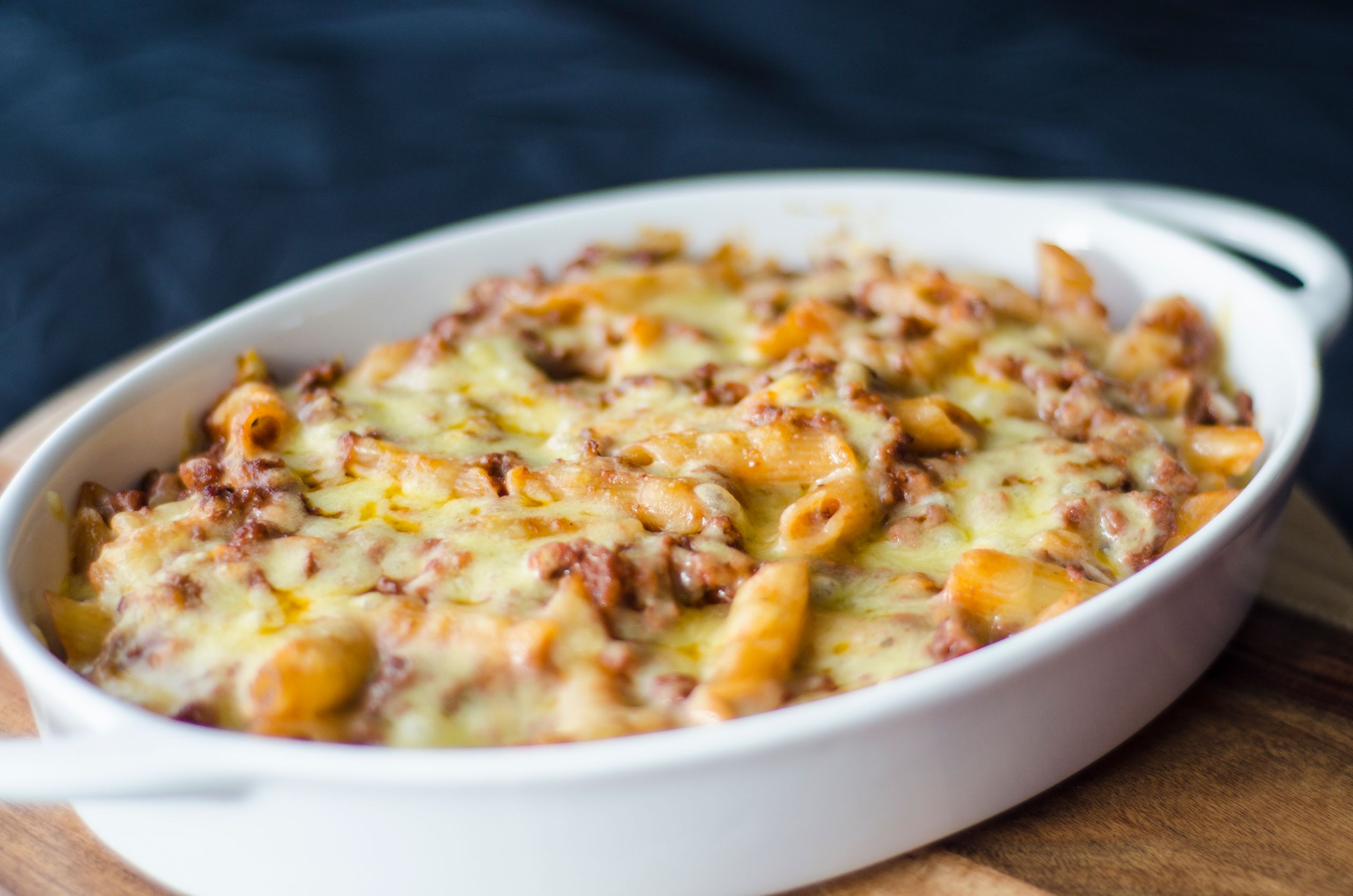
Nixon’s Macaroni-Ketchup-Cottage Cheese Mix
What seems like an odd combination of macaroni, ketchup, and cottage cheese was reportedly a favorite of President Nixon. Tangy, creamy, and comforting, this mix provides a quick, filling meal that balances carbohydrates and protein with a playful burst of flavor.
It’s an example of how unconventional pairings can be surprisingly appetizing, especially for home-cooked, budget-conscious meals.
The dish highlights a principle often overlooked in gastronomy: combining contrasting textures and flavors can elevate otherwise basic ingredients.
The creamy cheese, acidic ketchup, and tender pasta meld into a hearty, nostalgic dish that, though unusual, proves immensely satisfying.
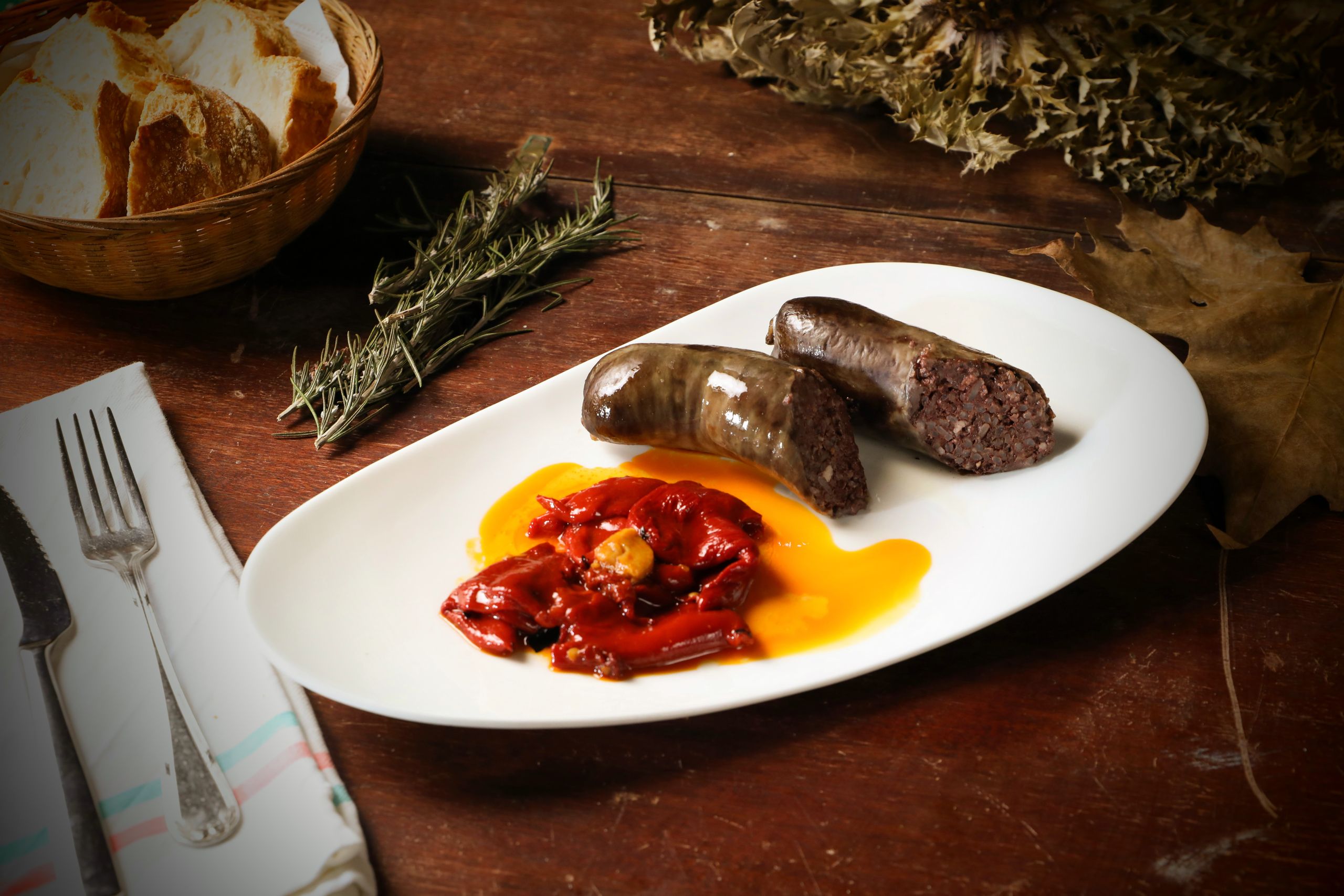
Blood Sausage (Black Pudding)
Blood sausage, or black pudding, turns the use of animal blood into a savory, nutrient-dense delicacy. Typically mixed with oats or barley and encased, it offers high protein and iron content while delivering a rich, earthy flavor.
Served alongside full breakfasts or pan-fried slices, blood sausage adds an unexpected depth, far from conventional sausage flavors. Contrary to its intimidating appearance, the texture is firm but yielding, and the seasoning enhances the natural richness.
Dipping it in brown sauce or pairing it with hearty sides creates a balanced, surprisingly delectable experience that appeals to adventurous palates.
Chicken Liver Pâté
Chicken liver pâté offers a creamy, luxurious alternative to more controversial foie gras. Rich in iron and protein, it provides a spreadable texture perfect for hors d’oeuvres.
The liver’s natural metallic notes are tempered by butter, herbs, and sometimes a splash of wine, resulting in a refined flavor profile that elevates simple bread into a gourmet experience.
This dish demonstrates how organ meats, often overlooked in modern diets, can be transformed into sophisticated, delicious culinary offerings. Its creamy consistency and complex flavor make it ideal for entertaining, providing a taste of classic European gastronomy.

Kishke (Stuffed Derma)
Kishke, or stuffed derma, is a traditional Ashkenazi Jewish delicacy made from cow or sheep intestine filled with schmaltz, matzo meal, onions, and spices.
Despite its intimidating name, the flavor is rich and comforting, offering a dense, savory experience reminiscent of well-seasoned sausage. It’s commonly featured in cholent or enjoyed pan-fried for a crisp exterior and soft interior.
The appeal of kishke lies in its historical roots and hearty taste, combining textures and flavors that are both nostalgic and satisfying. Its preparation celebrates resourceful cooking, transforming every ingredient into a cohesive and flavorful dish.
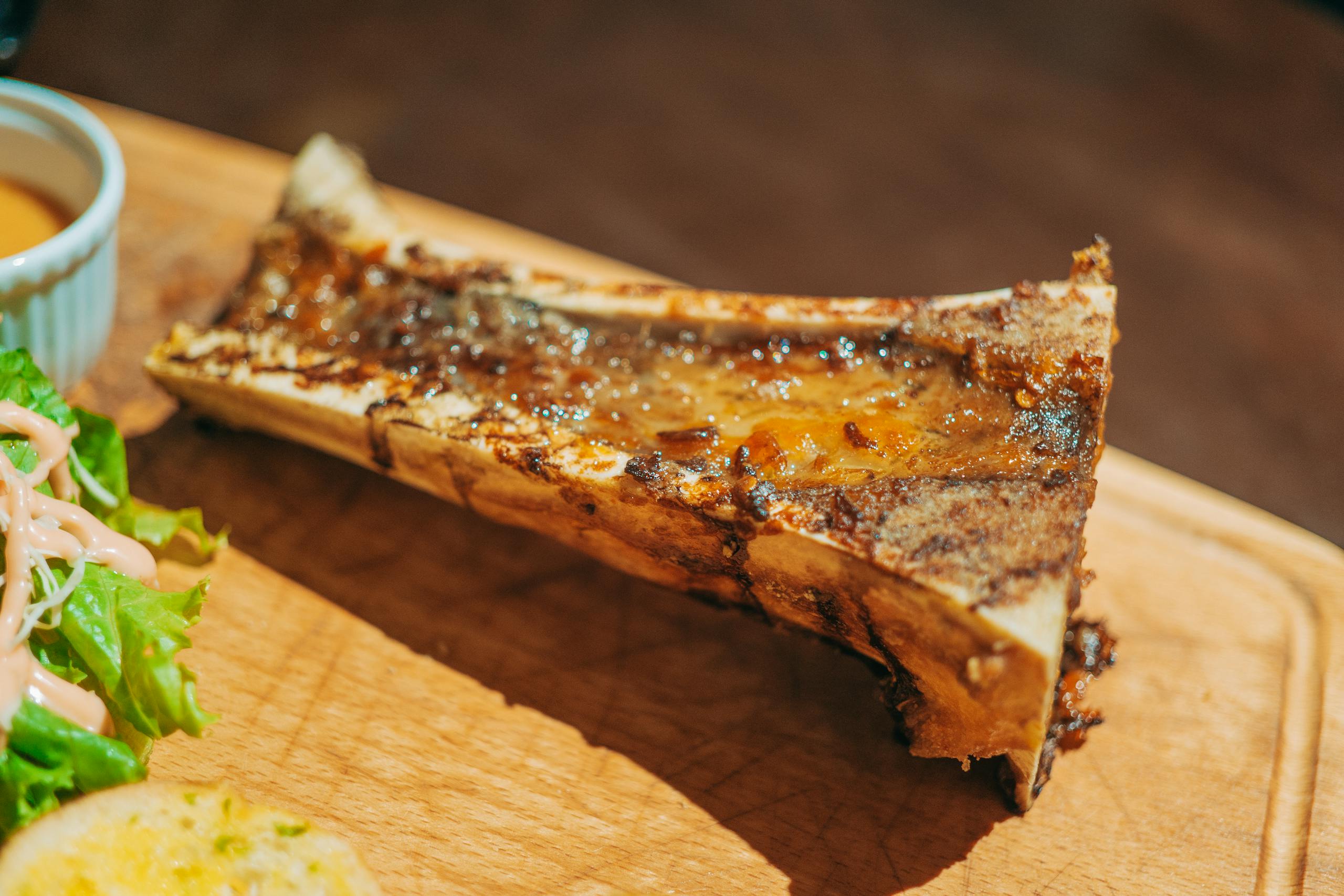
Roasted Bone Marrow
Bone marrow, roasted until soft and nutty, is rich in collagen, vitamin B12, and protein. When served with toasted bread, its buttery texture and deep flavor become a luxurious appetizer.
While it may seem unconventional, the marrow offers a savory richness akin to the best cuts of meat, appealing to chefs and home cooks seeking bold, nutrient-dense dishes.
The preparation is straightforward: roasting opens the bones and enhances the marrow’s natural nutty flavor. Seasoned with herbs, salt, and pepper, it transforms into an indulgent experience that combines decadence with rustic simplicity, perfect for adventurous palates.
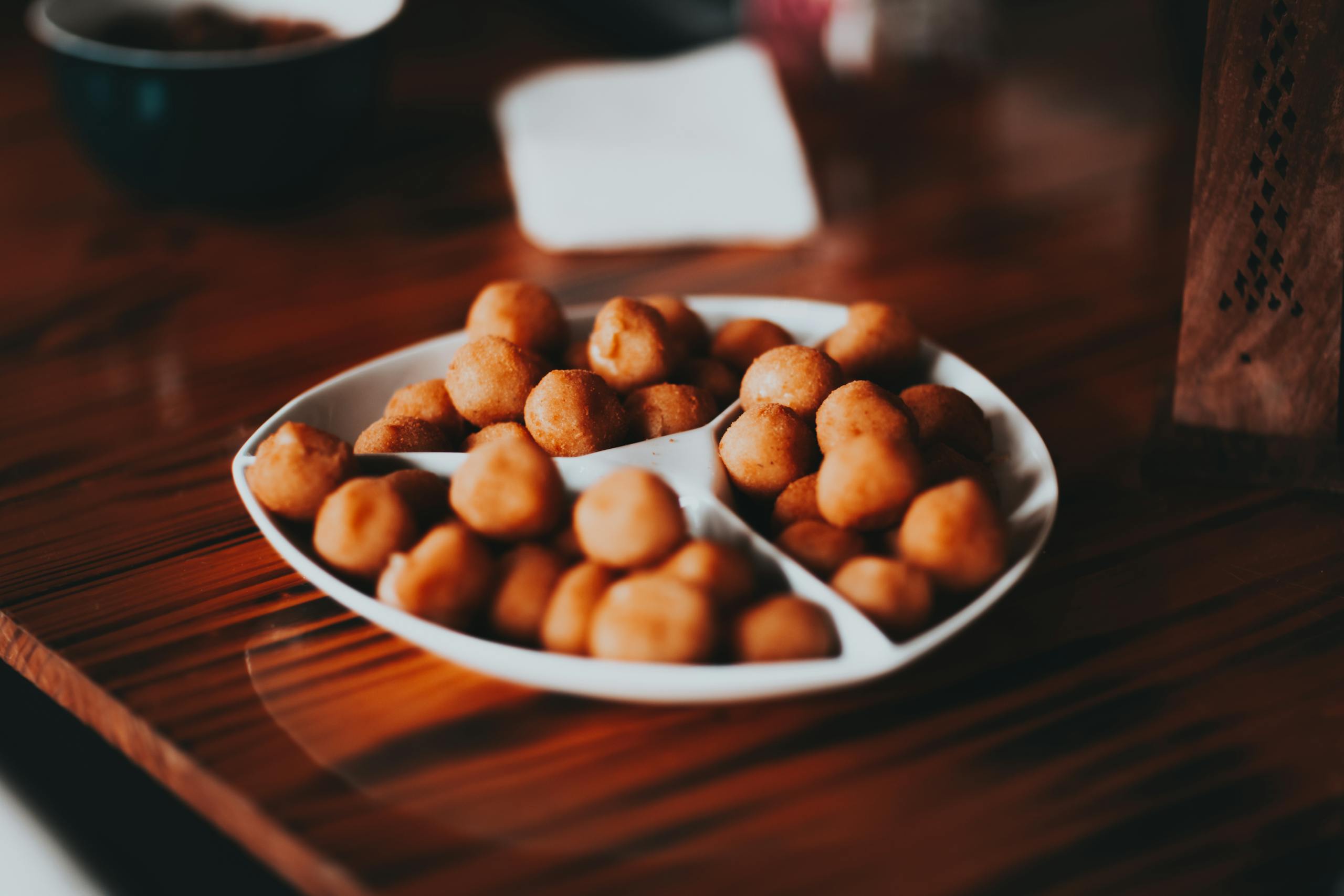
Rocky Mountain Oysters
Rocky Mountain oysters, made from bull or sheep testicles, are deep-fried to create a crispy exterior with a tender, meaty center. Often served with sauces or as part of festival fare, they are a protein-rich snack with a unique flavor profile that’s mild, nutty, and surprisingly palatable.
Festivals in Montana and other regions celebrate this dish, turning an unusual cut into a culinary tradition.
The cooking method enhances texture while maintaining a subtle taste, proving that even the most unconventional ingredients can be transformed into sought-after delicacies. They embody the adventurous spirit of American gastronomy, encouraging diners to embrace bold choices.
Conclusion
These ten foods show that the most shocking dishes often deliver the greatest rewards. By setting aside preconceived notions, diners discover textures, flavors, and traditions that enrich both palate and perspective, proving that adventurous eating can lead to unforgettable culinary moments.