Fame can look golden from the outside, but children born near it often describe something far less glamorous. Cameras, public judgment, paparazzi, fan attention, family branding, and constant comparison can turn ordinary childhood moments into public property. For some celebrity children, the hardest part was not money, access, or opportunity. It was trying to become its own person while the world already had a story written for it.
Dan Levy Felt Exposed By His Father’s Fame
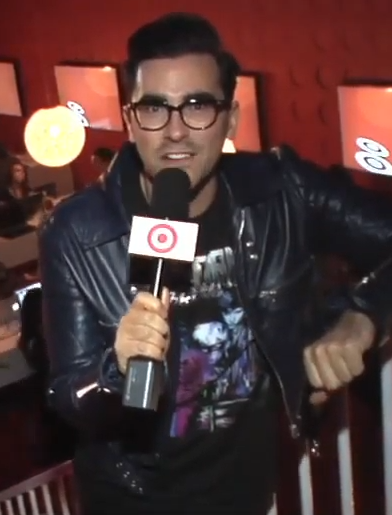
Dan Levy grew up as the son of Eugene Levy, one of comedy’s most recognizable faces. As a child, that attention did not feel exciting to him. He has spoken about feeling deeply uncomfortable when strangers stared at his family in public places, especially during a period when he was still figuring out his identity.
That discomfort affected his relationship with his father for years. Dan avoided restaurants, baseball games, and outings where too many eyes might follow them. His story shows how celebrity attention can become emotionally heavy for a child who wants privacy more than applause.
Aimée Osbourne Chose Privacy Over Reality TV
Aimée Osbourne made one of the clearest choices among celebrity children. When her family became the center of MTV’s The Osbournes, she refused to participate. She valued privacy and did not want her teenage years turned into entertainment.
Her decision was so serious that she moved out at 16 while the show was being filmed. That choice came with family heartbreak, but it also protected her from becoming a reality TV character before she fully understood herself. For Aimée, fame was not a family business she wanted to inherit.
Willow Smith Said Growing Up Famous Felt Terrible
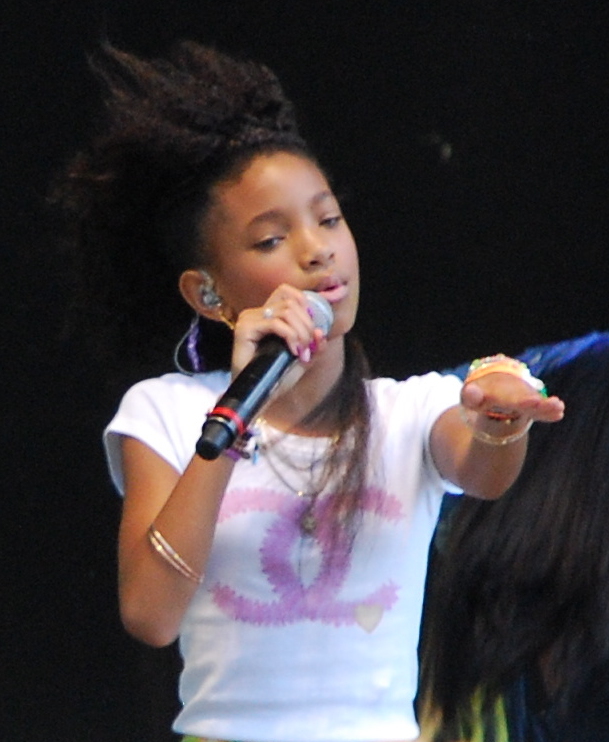
Willow Smith was born into one of Hollywood’s most famous families, and then became famous herself as a child. She has described the experience of growing up under public attention as painful because strangers felt entitled to know her life.
Her point was simple and sharp. Children of celebrities cannot change their parents, their faces, or the attention attached to their names. That lack of control can create pressure long before a young person has the emotional tools to handle it.
Chelsea Clinton Learned How Cruel Public Comedy Can Be

Chelsea Clinton spent her teenage years in the White House, which meant her awkward stages were treated like national material. She has said that being mocked as a child by professional comedians changed how she viewed comedy.
The sting came from knowing adults had gathered, written jokes, and decided it was acceptable to ridicule a child. Her story stands out because it shows that fame not only affects Hollywood families. Political fame can be just as invasive when the child becomes a symbol instead of a person.
Brody Jenner Felt Abandoned During Reality TV Fame
Brody Jenner has spoken openly about feeling abandoned when Caitlyn Jenner became part of a new, highly televised family world. His pain was not just about cameras. It was about distance, absence, and the feeling that public family life replaced private family connection.
He later said a sincere apology from Caitlyn meant a great deal to him. His experience shows that celebrity families can look close on screen while carrying complicated emotional gaps behind the scenes.
Rumer Willis Struggled With Public Comparison
Rumer Willis grew up with Bruce Willis and Demi Moore as parents, which brought constant comparison. Public comments about her appearance hurt her deeply, especially because people compared her to her mother’s famous beauty.
She has said those insults once made her think about changing her face or body. Her story exposes one of the cruelest parts of fame for celebrity children. They can be judged against impossible beauty standards before they have even had time to grow into themselves.
Jennifer Aniston Felt She Was Not The “Model Child”
Jennifer Aniston grew up with actor parents, including a mother who had worked as a model. She later connected her own family experience to the mother-daughter tension in Dumplin’, explaining that her mother cared deeply about presentation and appearance.
That pressure left Aniston feeling unseen in important ways. Her story is less about paparazzi and more about the emotional weight that can come with growing up in the shadow of image-conscious fame. Sometimes the spotlight enters the home before the cameras do.
Dakota Johnson Found Hollywood Attention Frightening
Dakota Johnson grew up around major Hollywood names, including Melanie Griffith, Don Johnson, and Antonio Banderas. She has described parts of that upbringing as frightening because public attention could become aggressive and invasive.
Her experience reminds us that fame is not always distant admiration. For a child, it can mean strangers approaching too closely, paparazzi interrupting ordinary routines, and privacy becoming fragile. Even with privilege, the loss of normal childhood space can leave a mark.
Chet Hanks Felt Judged Before People Knew Him
Chet Hanks has described the strange burden of being famous by association. As Tom Hanks and Rita Wilson’s son, he felt people judged him before he had done anything of his own.
That created insecurity, shame, and resentment. His story captures the trap many celebrity children face. They receive attention they did not choose, then get criticized for having advantages they did not ask for.
Celebrity Children Often Pay For Fame They Did Not Choose
The stories are different, but the pattern is clear. Some celebrity children resented cameras. Some hated public comparison. Others struggled with family distance, tabloid attention, or the pressure to perform happiness for the outside world.
Fame can bring opportunity, but it can also steal ordinary privacy. For children, that trade is especially unfair because they rarely get to choose it. Behind every famous last name, there may be a young person trying to separate love from image, family from brand, and identity from public expectation.
Conclusion
Celebrity childhood is often sold as a dream, but many famous children describe it as a complicated emotional inheritance. The name opens doors, yet it can also invite strangers, cameras, jokes, assumptions, and pressure before a child has a say.
These stories do not erase privilege, but they make the picture more honest. Growing up famous can mean growing up watched, compared, and misunderstood. For many celebrity kids, the real victory is not becoming famous on their own.