A candy craving should never end in a family crisis, but that is exactly why this story has people talking. What started as one mother entering her adult daughter’s room, reportedly to look for sweets, quickly turned into a much bigger argument about privacy, control, and the dangerous phrase many grown children know all too well: “my house, my rules.”
The daughter, a 28-year-old woman, said her mother entered her bedroom without permission and later defended the move, arguing that the daughter still lived under her roof. That small detail is what gives the story its sting.
This is not really about candy. It is about what happens when parents forget that an adult child living at home is still an adult.
The candy was never the real issue.

On the surface, this sounds almost silly. A mother wanted candy, checked her daughter’s room, and got caught crossing a line. But the reason people react strongly to stories like this is simple: tiny violations often reveal bigger patterns.
A bedroom is one of the few private spaces a person can hold onto when they live with family. For an adult child, that door becomes more than wood and hinges. It becomes a quiet sign that they still have some ownership over their lives, even if the house does not belong to them.
Living at home does not erase adulthood.
More young adults are staying with parents longer because rent, food, debt, and wages have made independence harder to reach. That does not mean adulthood gets paused at the front door.
A grown daughter does not become a teenager again just because she is saving money under her mother’s roof. This is where many family fights begin.
Parents may still see the child they raised. The adult child sees bills, work, stress, goals, and the slow climb toward independence. When those two views collide, even something as small as entering a room can feel like a power struggle.
“My house, my rules” can become a weapon.
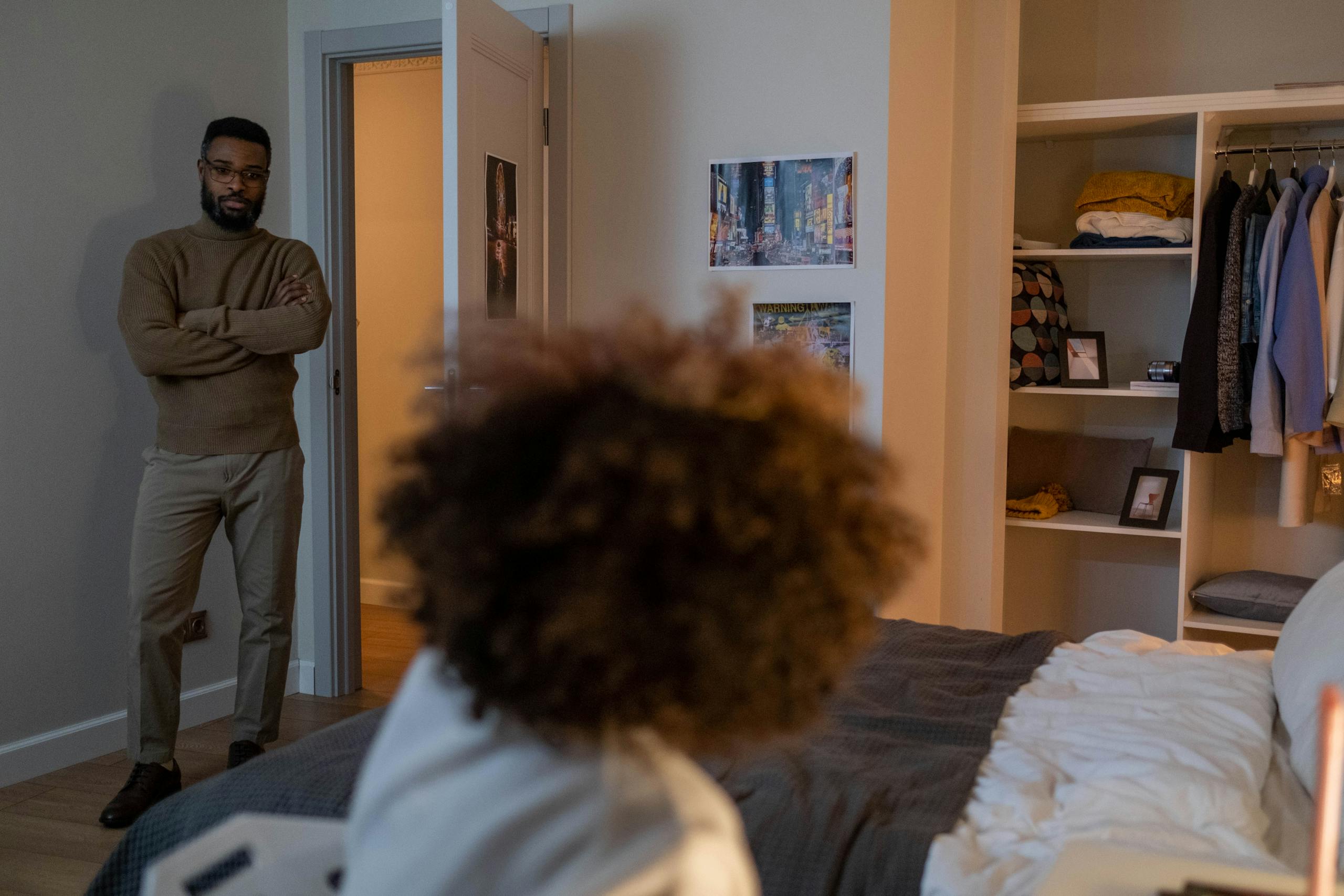
Every household needs rules. Nobody wants chaos, dirty dishes, unpaid bills, or people treating a family home like a hotel. But “my house, my rules” becomes harmful when it stops being about shared respect and starts being used to excuse control.
A parent can set expectations about chores, rent, guests, quiet hours, and safety. That is fair. What is harder to defend is the idea that owning a house automatically confers ownership of another adult’s private space, belongings, or emotional boundaries.
Privacy is not the same as secrecy.
Some parents hear the word privacy and immediately think something suspicious must be happening. That reaction can create more distance than the privacy itself.
Adults need private space because they are people, not because they are hiding something dangerous. Privacy can mean a closed door, a journal, a phone, a drawer, a conversation, or a snack stash nobody else gets to raid. It is not an attack on the family.
It is part of becoming a full person with thoughts, habits, and belongings that do not require parental approval every minute of the day.
The apology matters less than the excuse.
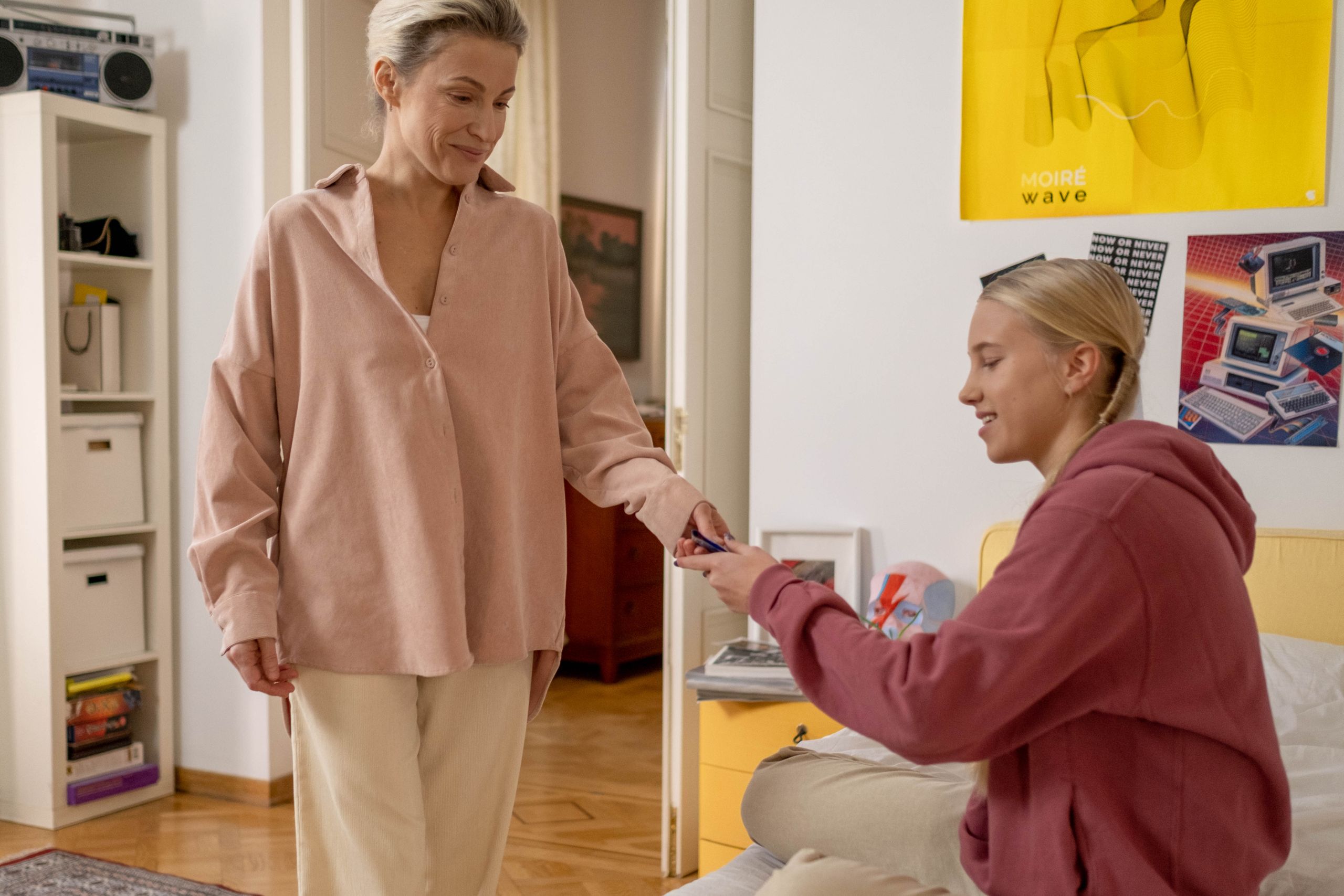
In many family conflicts, the first mistake hurts. The excuse that follows hurts even more. If the mother had simply said she was wrong, the story might have ended with an awkward conversation and a new rule about staying out of the room.
Instead, defending the behavior because it happened inside her house shifted the issue. That kind of justification tells the daughter that the same thing could happen again. A real apology repairs trust.
A half-apology with a built-in excuse keeps the door open for the next violation.
Adult children remember repeated disrespect.
Parents sometimes underestimate how long these moments stay with their grown children. A single incident may seem small to the parent, but to the adult child, it can add to a long mental file of times when their boundaries were brushed aside.
That is why comment sections around stories like this often become so emotional. Readers do not just see candy. They remember diaries being read, phones being checked, drawers being opened, relationships being judged, and private choices being treated like family property.
Respect works both ways under one roof.

This story also has a fair second layer. Adult children living at home do have responsibilities. They should contribute where possible, communicate clearly, respect shared spaces, and understand that a parent’s home is still a parent’s home.
But respect cannot be demanded in only one direction. A grown child can follow household expectations and still deserve privacy. A parent can be generous with shelter and still be wrong for entering a private room without permission. Both truths can sit in the same room.
The real question is trust.
The hardest part of this story is not the candy. It is what the daughter now believes about her room, her belongings, and her mother’s judgment. Once trust is cracked, even a closed door can stop feeling safe.
A healthier version of this conflict would sound simple: ask before entering, replace what you take, admit when you cross a line, and stop using love as a reason to ignore consent. Families do not stay close because nobody has boundaries.
They stay close because everybody learns which lines matter.
Why this story hit a nerve

The reason this candy-room drama spread is that it taps into a modern family pressure point. Many adults are living at home longer, but the emotional rules inside those homes have not always caught up. Parents may think they are still managing a child.
Adult children may feel trapped between gratitude and resentment. That tension can turn ordinary moments into loaded ones. A snack, a room, a door, or a missing piece of candy suddenly becomes a symbol of something much deeper.
The daughter’s frustration makes sense because she was not just reacting to someone taking candy. She was reacting to the message behind it.
Conclusion
This story is a reminder that privacy does not become optional just because family is involved. Living together can be loving, practical, and financially necessary, but it still needs clear rules that protect everyone’s dignity.
Parents who want close relationships with adult children have to adjust the role they play. They can guide, support, and set household expectations, but control is not the same as care. Sometimes the fastest way to lose access to someone’s life is to act like you have the right to every corner of it.
The candy may have started the argument, but the locked-room feeling is what people will remember.