A sweeping Russian aerial assault on Ukraine’s largest cities has triggered renewed legal scrutiny and international outrage, after missiles and drones killed civilians, injured children, and set fire to one of Eastern Orthodox Christianity’s most sacred monuments inside Kyiv.
Ukrainian officials say the scale, targets, and consequences of the attack raise serious questions about violations of international humanitarian law, as emergency services continue documenting damage across residential districts, cultural heritage sites, and civilian infrastructure.
Massive Drone-and-Missile Strike Leaves 11 Dead and Dozens Injured
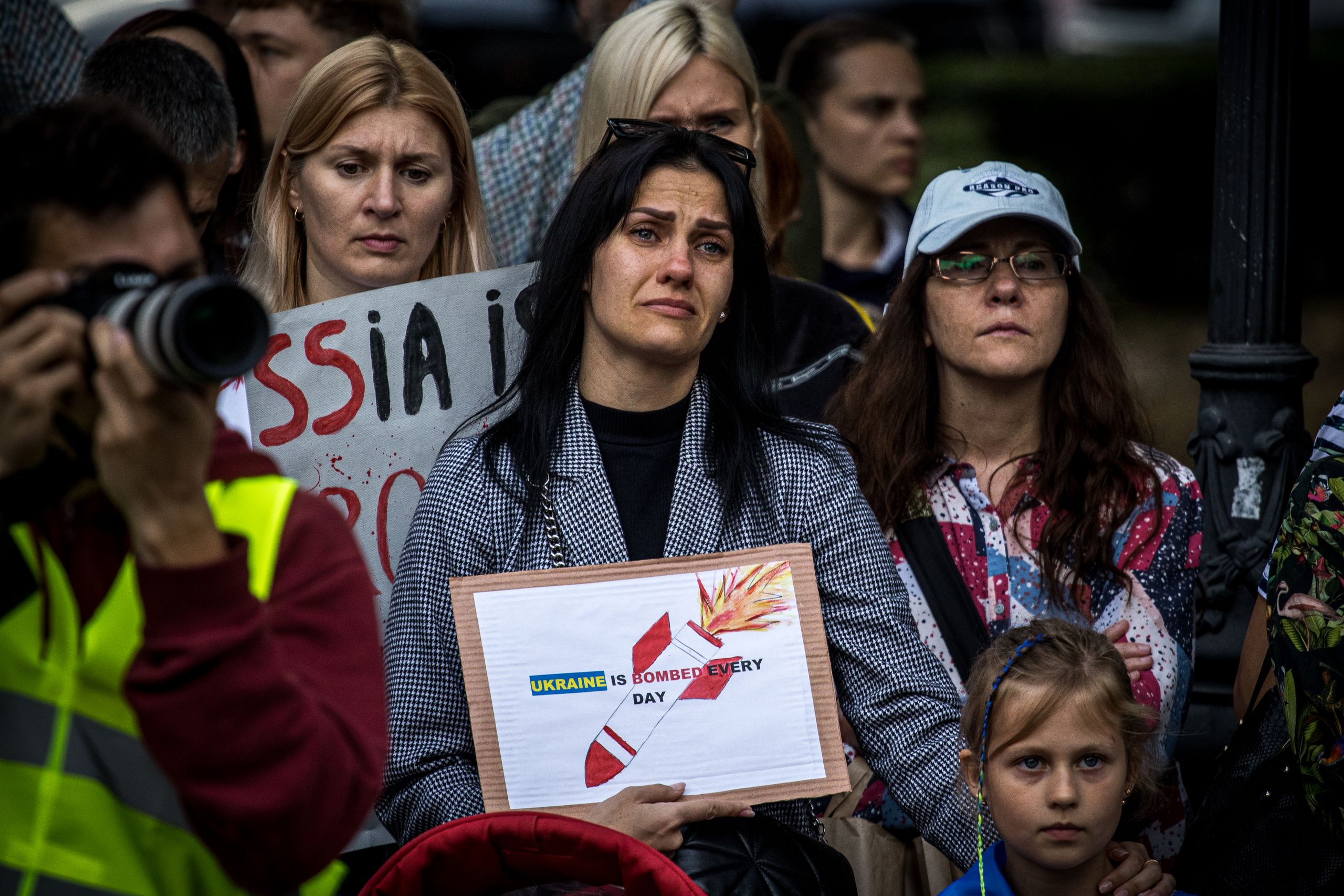
Ukraine’s government reported that at least 11 civilians and emergency responders were killed and more than 50 people were wounded after Russia launched a coordinated barrage of 70 missiles and 611 drones across multiple regions.
The attacks struck Kyiv, Kharkiv, and Dnipro, overwhelming air-defense systems and sending residents into underground shelters as waves of explosions lit up the night sky.
Among the wounded were children, and among the dead were rescue workers responding to earlier strikes an outcome Ukrainian officials say intensifies scrutiny of whether civilian protection rules under the Geneva Conventions were violated.
Kyiv Residential Districts Hit as Apartment Blocks and Markets Burn
In the capital, Kyiv, multiple residential districts were hit in rapid succession. Officials confirmed strikes on high-rise apartment buildings, local markets, and grocery stores, leaving neighborhoods engulfed in smoke and fire.
In the Shevchenkivskyi district, several impacts were recorded within a 30-minute window, including damage to a 25-story residential tower. In the Obolonskyi district, a nine-story apartment block was directly struck.
City authorities said the pattern of repeated impacts on densely populated areas is being documented as part of ongoing investigations into potential unlawful targeting of civilian infrastructure.
Kyiv-Pechersk Lavra Cathedral Fire Escalates Cultural Destruction Claims
The most symbolically significant damage occurred at the historic Kyiv-Pechersk Lavra, where the Dormition Cathedral caught fire during the assault.
The monastery complex, founded in the 11th century and recognized as a UNESCO World Heritage site has long been considered one of the most important spiritual centers in Eastern Orthodox Christianity. Smoke rising above its golden domes became one of the defining images of the overnight attack.
Ukrainian religious leaders described the strike as an assault not only on infrastructure, but on sacred heritage. Emergency crews battled flames around the cathedral roof while trying to prevent structural collapse and protect centuries-old religious artifacts.
Legal Pressure Builds: Ukraine Calls Attack a Potential War Crime
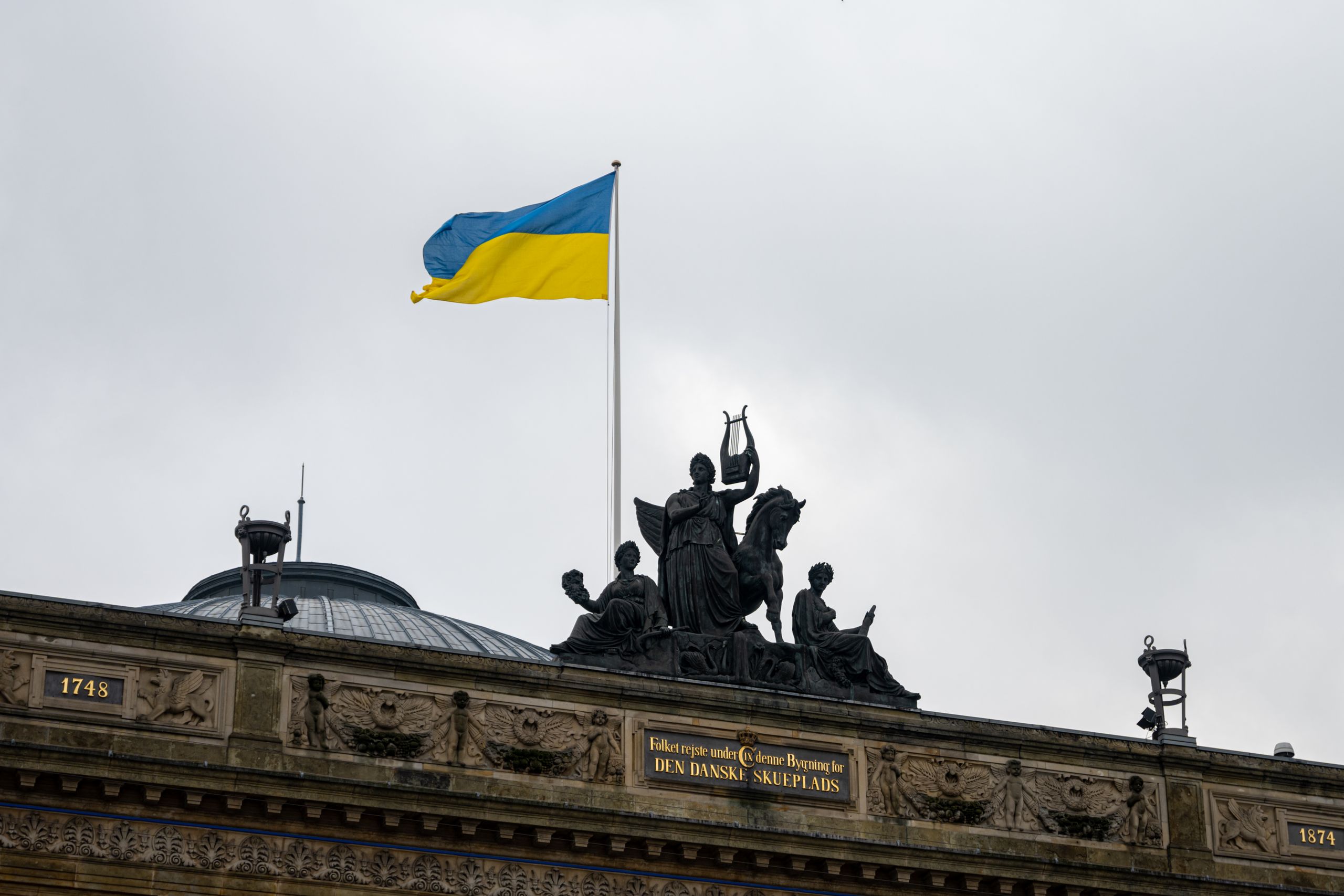
Ukrainian officials, including President Volodymyr Zelenskyy, have framed the attack as part of a broader pattern of strikes on civilian areas and cultural sites that may meet the threshold of war crimes under international law.
Authorities point to three key concerns:
- Repeated strikes on residential buildings
- Damage to protected cultural and religious heritage sites
- Civilian and emergency worker casualties during response operations
International law experts note that while military targets can be lawful during armed conflict, deliberate or indiscriminate attacks on civilians or protected heritage sites may constitute violations of the Geneva Conventions and Hague Convention protections for cultural property.
Russia has denied targeting civilians, stating that its strikes focused on military-industrial facilities. Those claims have not been independently verified.
Air Defense Intercepts Hundreds of Targets but Cannot Prevent Damage.
Ukraine’s air force said it intercepted or disrupted approximately 632 aerial threats, including missiles and drones, demonstrating the intensity of the attack and the scale of defensive operations.
Despite these interceptions, multiple projectiles reached urban centers, causing destruction across at least 40 impact zones nationwide. Debris from intercepted drones also caused secondary fires in several districts.
The attack highlights a growing legal and military dilemma: even partially successful interception still results in civilian casualties when attacks are launched on a massive scale.
Russia Claims Military Targets, Ukraine Documents Civilian Impact
Russia’s Defense Ministry stated the strikes were aimed at Ukrainian military-industrial facilities, including alleged drone and missile production sites.
It also claimed that a workshop within Kyiv’s Dovzhenko film studio complex and other industrial facilities were targeted.
Ukraine disputes this framing, stating that the majority of impacts occurred in civilian zones and that cultural and residential damage far outweighs any verified military gain.
Investigators in Kyiv are now collecting evidence, including crater analysis, drone fragments, and satellite imagery, to determine strike accuracy and intent.
Children Among the Injured as Rescue Crews Face Secondary Strikes
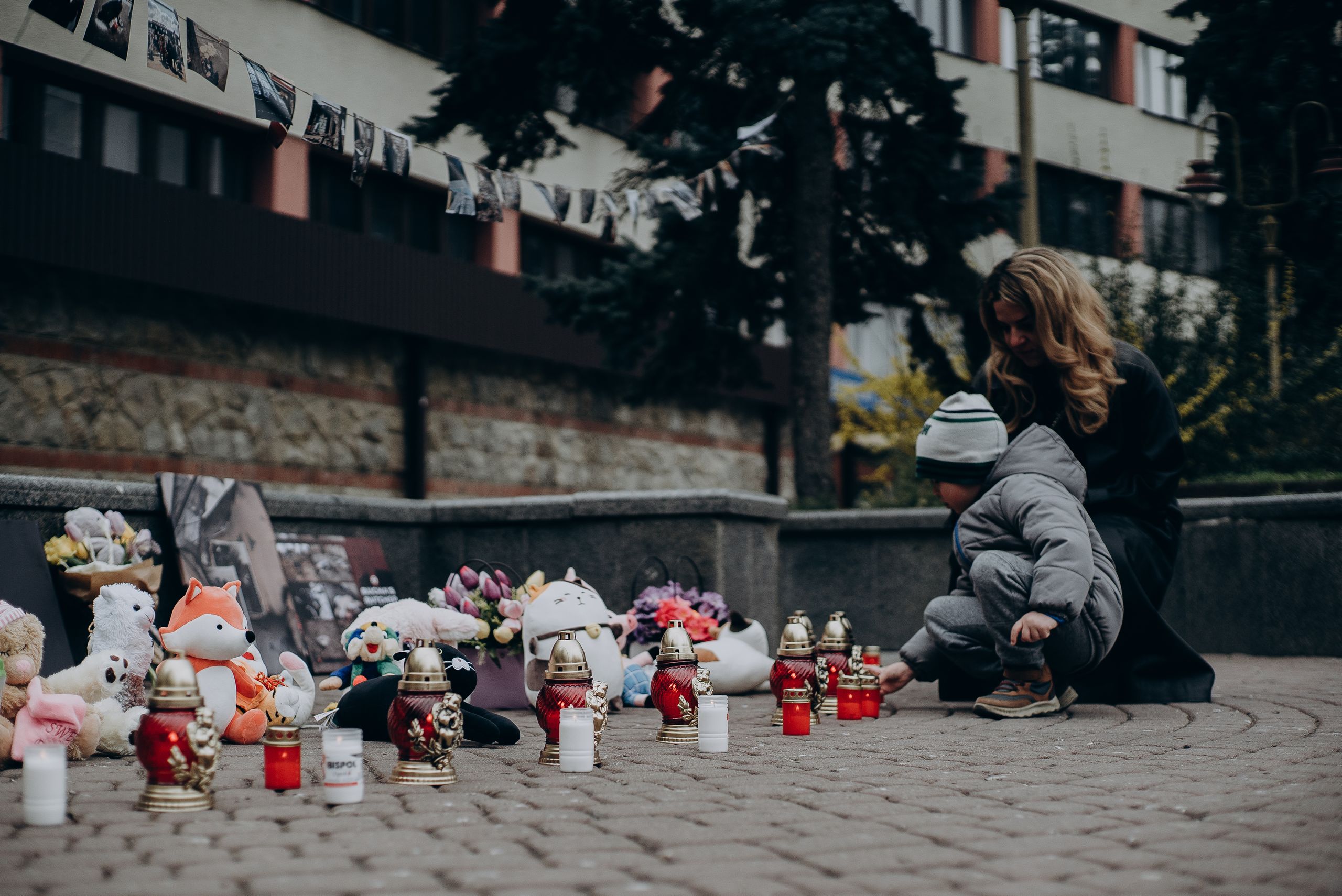
Emergency officials confirmed that children aged five and six were among those wounded in Kyiv, adding to growing concern about the vulnerability of civilians during high-density drone attacks.
Rescue workers responding to initial strikes were also caught in subsequent explosions in some districts, a pattern Ukrainian authorities say complicates emergency response and increases fatality risks.
Firefighters worked through the night to extinguish fires in apartment blocks, commercial buildings, and religious sites while maintaining evacuation corridors for residents trapped in damaged structures.
International Reaction and G7 Pressure Intensifies
The timing of the assault just ahead of high-level diplomatic discussions involving the Group of Seven has increased pressure on Western governments to expand military aid, particularly air-defense systems.
Ukrainian officials are calling for:
- Expanded Patriot missile deployments
- Increased interceptor ammunition supplies
- Stronger sanctions on Russia’s defense sector
- Accelerated delivery of long-range air-defense systems
French officials compared the destruction of the Lavra cathedral to a symbolic attack on Notre Dame in Paris, underscoring the cultural significance of the damage beyond Ukraine.
Diplomatic Tensions and ICC Legal Context
The attack also unfolds amid ongoing geopolitical friction involving leaders of Russia, Ukraine, and the United States, following recent diplomatic calls and proposed meeting formats at international summits.
Russian President Vladimir Putin remains subject to an International Criminal Court (ICC) arrest warrant related to the alleged wartime deportation of Ukrainian children, complicating potential summit diplomacy in ICC member states.
Legal experts note that any future accountability process for wartime conduct in Ukraine is likely to involve layered proceedings across national and international jurisdictions.
The Legal and Human Cost of a Single Night
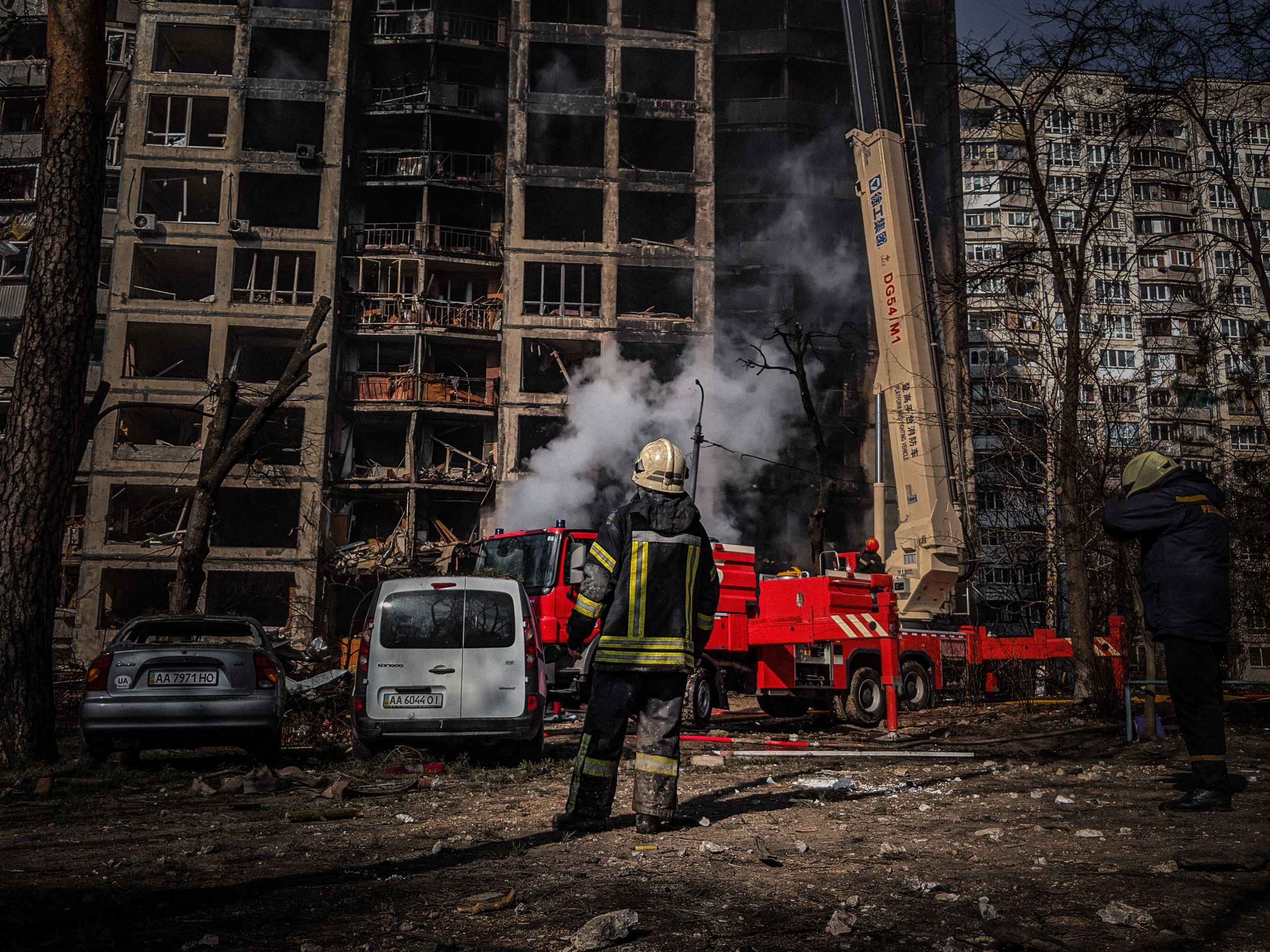
As daylight returned to Kyiv, the scale of destruction became clearer: burned residential towers, shattered storefronts, damaged heritage structures, and grieving families searching for missing relatives.
For Ukrainian officials, the focus is now dual: immediate humanitarian response and long-term legal documentation of the strike pattern.
For international observers, the attack raises a central question of modern warfare: when civilian infrastructure, emergency responders, and cultural heritage sites are repeatedly damaged in mass aerial assaults, where does strategy end, and criminal liability begin?
Final Assessment: A War Increasingly Defined by Accountability Questions
The overnight barrage marks more than another escalation in Ukraine’s ongoing war. It has intensified scrutiny over the legality of targeting patterns, the protection of cultural heritage under fire, and the limits of modern air warfare.
Whether investigated as war crimes, classified as military strategy, or debated in diplomatic forums, the destruction at Kyiv-Pechersk Lavra and the civilian toll across Ukrainian cities have already reshaped international attention.
The evidence being gathered in Kyiv will likely extend far beyond this single attack—feeding into a broader legal and historical record of a war where the battlefield increasingly includes homes, hospitals, and centuries-old sacred sites.