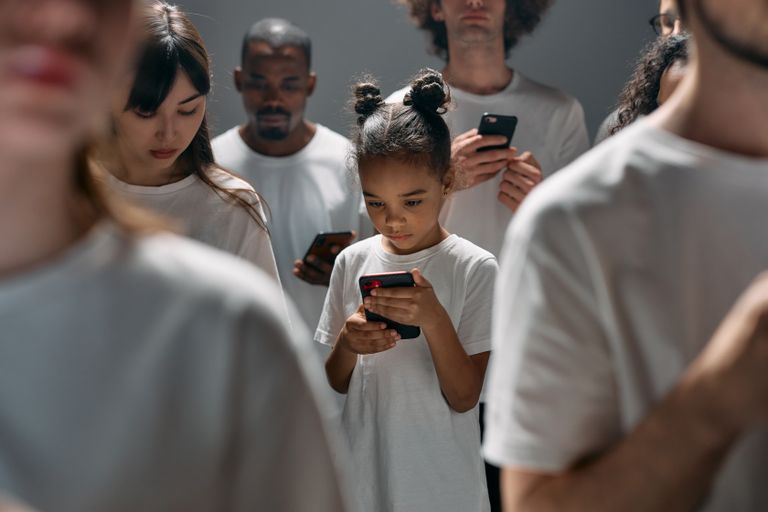
Faith in America can feel like a family dinner where everyone smiles, passes the potatoes, and quietly avoids the topic burning a hole through the table. The brutal truths Americans avoid saying about faith are not always about belief itself, but about fear, pride, money, politics, loneliness, and the messy ways people search for meaning. So let us talk about the uncomfortable parts that many people whisper about but rarely say out loud.
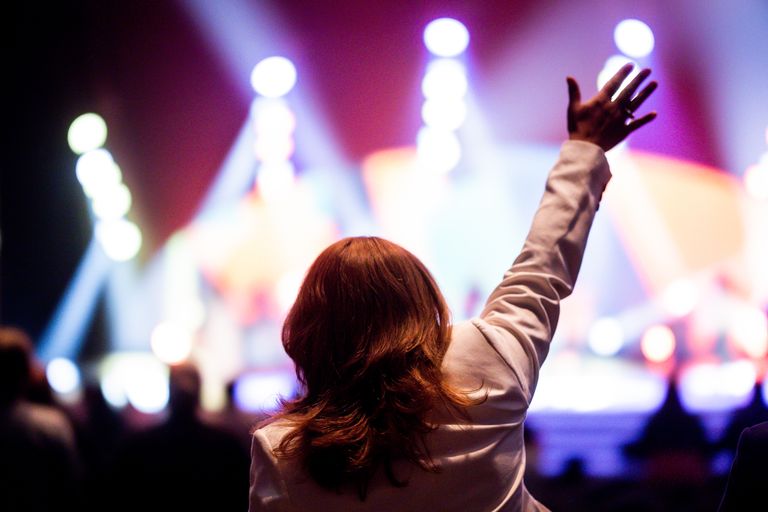
For many Americans, faith still shapes holidays, weddings, grief, parenting, charity, politics, and the way people explain pain. Yet the room feels different now, because more people question what they inherited, and fewer people pretend church attendance fixes everything. That does not mean faith has vanished, but it does mean the old script no longer works for everyone.
Faith Can Become Identity Before It Becomes Conviction
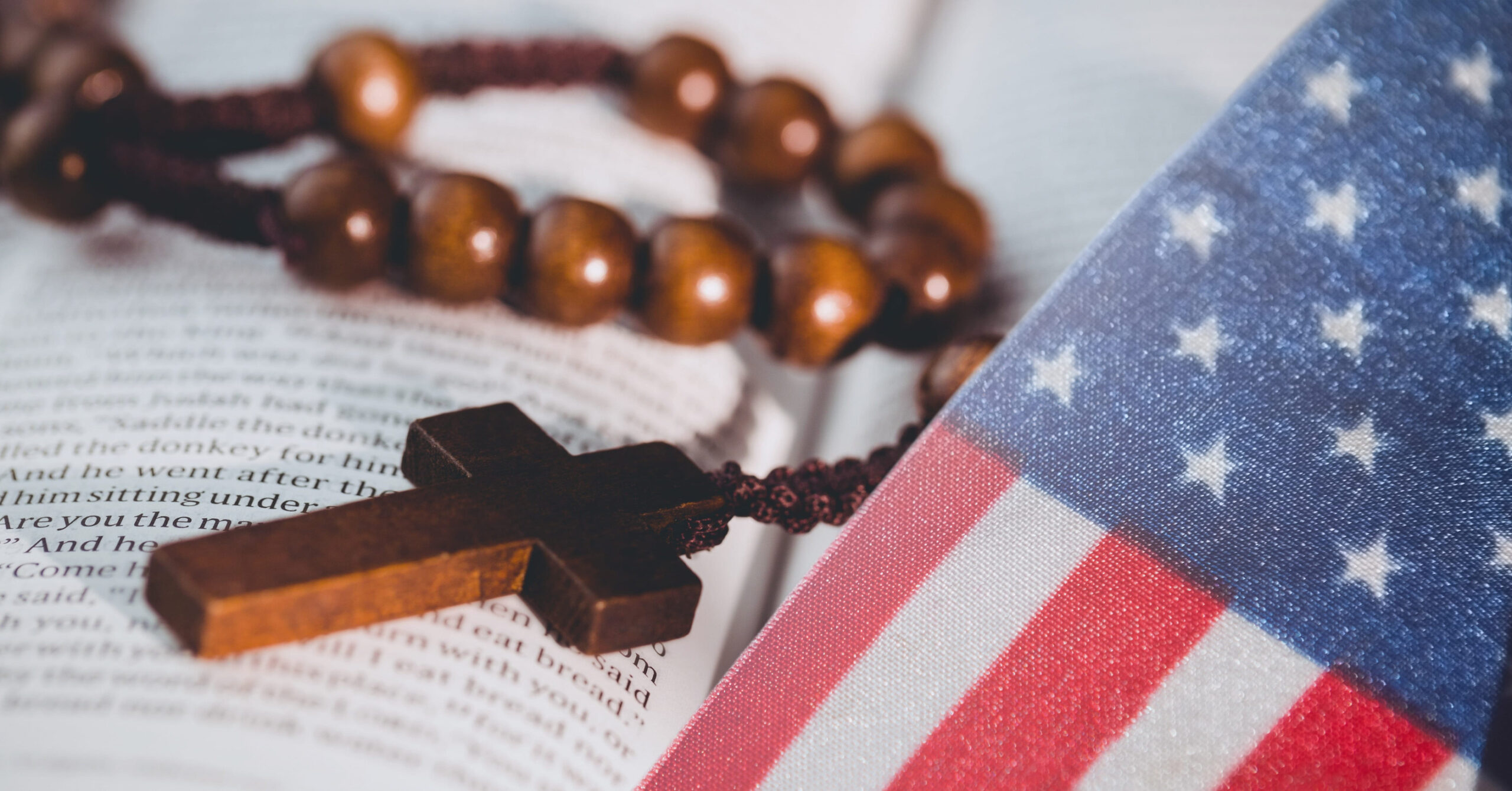
Many people inherit faith before they understand it. They learn the songs, the rituals, the family expectations, and the polite answers before they ask hard questions. Is that belief, or is that family branding with better snacks?
This truth feels harsh because identity gives people comfort. A person may defend a label with passion even when their daily choices barely reflect it. IMO, that gap is where the awkward silence begins.
Faith becomes stronger when people choose it with honesty. It becomes weaker when people use it like a membership card. The real question is simple: do you believe it, or do you just belong to it?
Some People Use Religion To Avoid Real Growth
Faith can heal, guide, and steady a person during hard seasons. Yet some people use it to dodge therapy, accountability, apology, and emotional maturity. Prayer matters, but it should not become a hiding place from basic personal work.
We have all met someone who can quote scripture but cannot say sorry. That kind of faith looks shiny in public and exhausting at home. Why do people praise spiritual language when the behavior behind it feels so cold?
Real faith should make people more honest, not more slippery. It should push people toward repair, courage, and humility. If it becomes a costume for avoiding growth, the costume needs a return label.
Politics Has Made Faith Feel Like A Team Sport
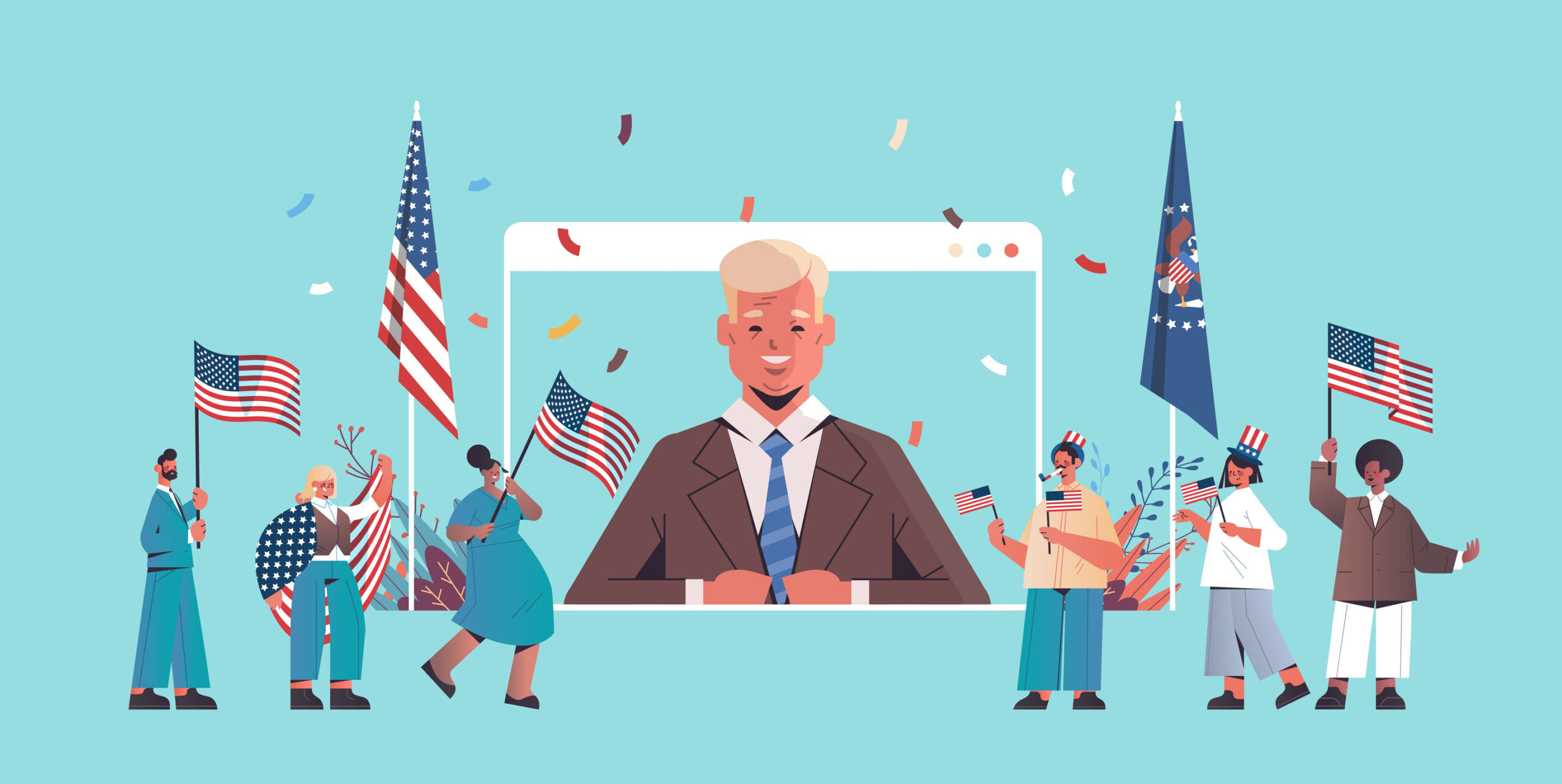
Faith used to sound like worship, service, mercy, and personal conviction. Now it often sounds like campaign language with a choir robe tossed over it. That shift makes many Americans wonder where the spiritual part went.
People on every side feel this tension. Some worry that faith has become too political, while others think politics must reflect moral values. Fair enough, but what happens when winning becomes louder than compassion?
This is one of the brutal truths about faith Americans avoid saying because it cuts across families and communities. Nobody wants to admit their sacred language may have become a weapon. Yet if faith cannot survive disagreement, how deep was it?
Many Americans Are Spiritually Tired
Some people are not rejecting faith because they hate God. They are tired of scandal, judgment, pressure, hypocrisy, and the emotional labor of pretending everything is fine. FYI, exhaustion can look a lot like rebellion from a distance.
Spiritual fatigue grows when people feel unseen inside the places meant to care for them. They may still believe, still pray, and still crave meaning. They simply stop trusting the systems that once claimed to guide them.
That is why shame rarely brings people back. Listening does more than lectures, and kindness reaches farther than guilt. A tired soul does not need a sermon first; it needs a safe chair.
Church Hurt Is More Common Than People Admit
Many Americans carry pain from religious spaces but struggle to name it. They remember harsh judgment, public embarrassment, exclusion, manipulation, or silence when they needed protection. That pain does not vanish because someone says people are imperfect.
Of course, people are imperfect because humanity apparently missed the memo on flawless behavior. Still, that line can become a cheap escape when leaders refuse responsibility. Should wounded people really have to smile while others rush past the damage?
Healing starts when communities stop defending image over people. Apologies must become more than soft words after loud harm. Faith grows healthier when truth receives the same welcome as praise.
Money And Faith Create An Awkward Tension
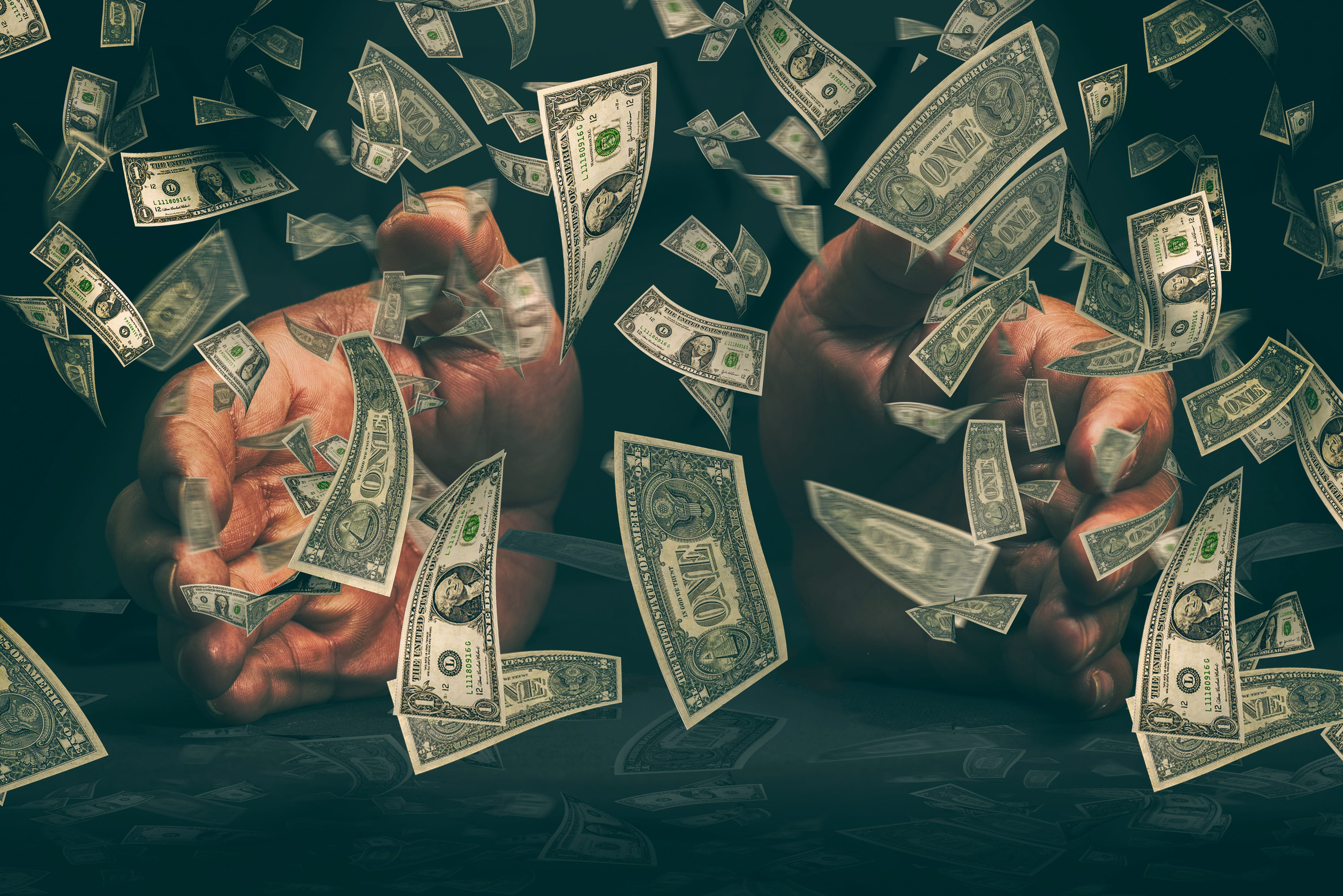
Money inside faith communities can inspire generosity, charity, and real help for struggling families. It can also create suspicion when people see luxury, pressure, secrecy, or uneven care. Nobody enjoys asking where the money goes, but many people quietly wonder.
This tension hits harder when ordinary members sacrifice from tight budgets. They may give with sincere hearts while still needing groceries, rent help, or medical support. Is it wrong to ask for transparency when trust is on the line?
Healthy faith communities should not fear honest questions about money. Clear giving, open stewardship, and visible service build confidence. When money becomes mysterious, people start filling the silence with doubt.
Doubt Is Treated Like Betrayal Too Often
Doubt does not always mean someone has lost faith. Sometimes it means they are paying attention. A person can believe deeply and still wrestle with pain, science, injustice, unanswered prayers, and confusing teachings.
Many communities panic when people ask hard questions. They treat curiosity like a danger rather than seeing it as part of growth. That response can push thoughtful people away faster than doubt itself.
Faith that cannot face questions becomes fragile. Strong belief does not need fear to protect it. The strongest spiritual spaces make room for honest wrestling without handing out shame as a party favor.
Faith Still Matters Even When Institutions Struggle
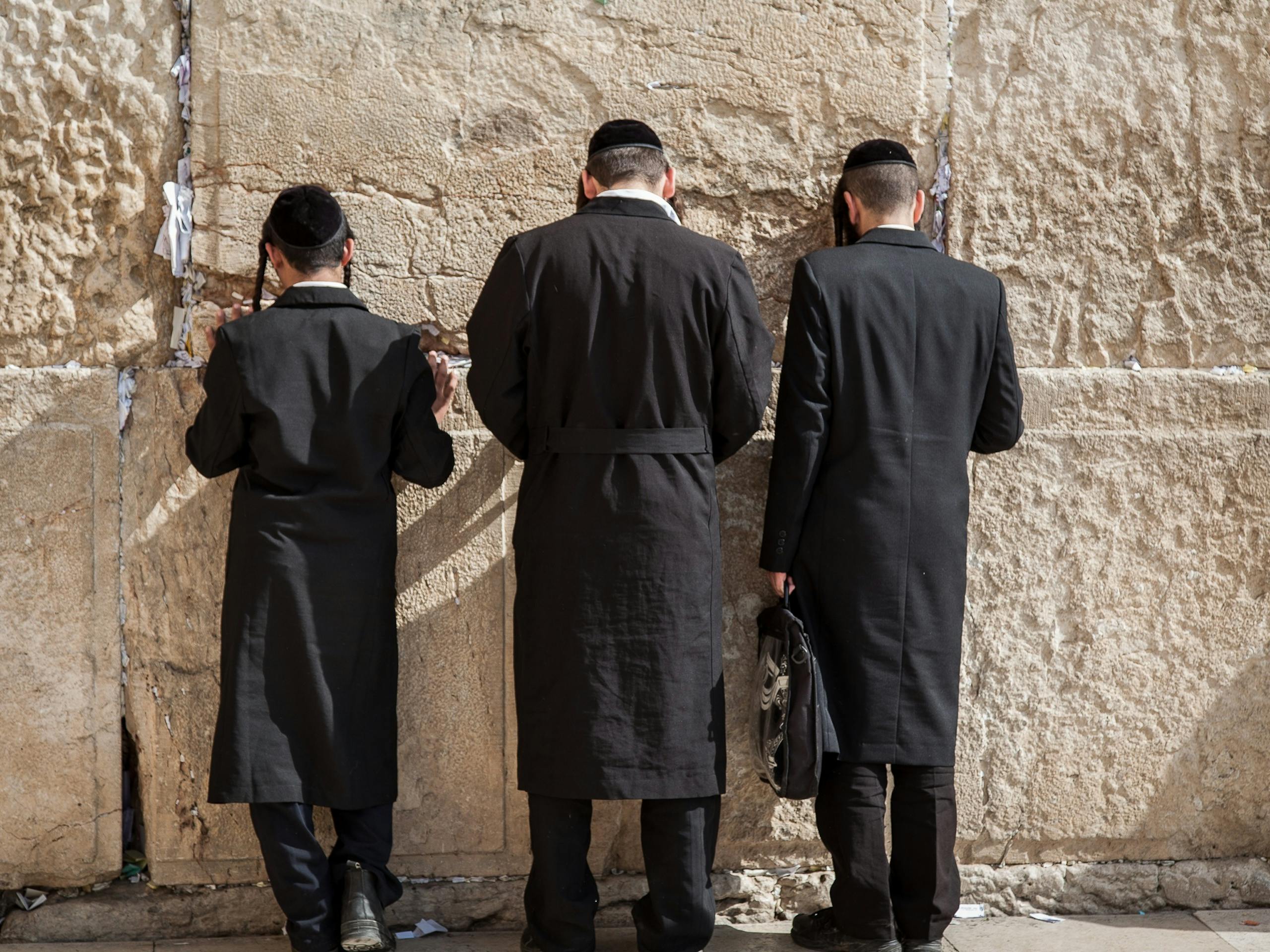
For all the criticism, faith still carries many Americans through grief, addiction, illness, loneliness, and loss. It gives language to hope when life feels brutally unfair. It also inspires service that reaches people long before politics or public systems arrive.
This matters because the story is not only decline, scandal, or division. Many people still find deep comfort in prayer, community, worship, sacred texts, and quiet acts of care. The problem is not faith itself, but what people sometimes build around it.
So maybe the better question is not whether faith is dying. Maybe the better question is whether Americans can make faith honest again. That means less performance, less fear, and more courage where it counts.
Conclusion
The brutal truths about faith Americans avoid saying are uncomfortable because they touch the private corners of public life. They challenge family traditions, political habits, church cultures, and personal identity. They also remind us that faith can be both beautiful and complicated.
America does not need a colder conversation about belief. It needs a braver one. People should be able to question, grieve, return, leave, doubt, heal, and believe without being treated like a threat.
Faith becomes more powerful when people stop polishing it for appearances. It becomes more human when communities tell the truth about pain, money, politics, doubt, and spiritual exhaustion. And maybe that is the real lesson, because a faith that fears honesty is already standing on shaky ground.