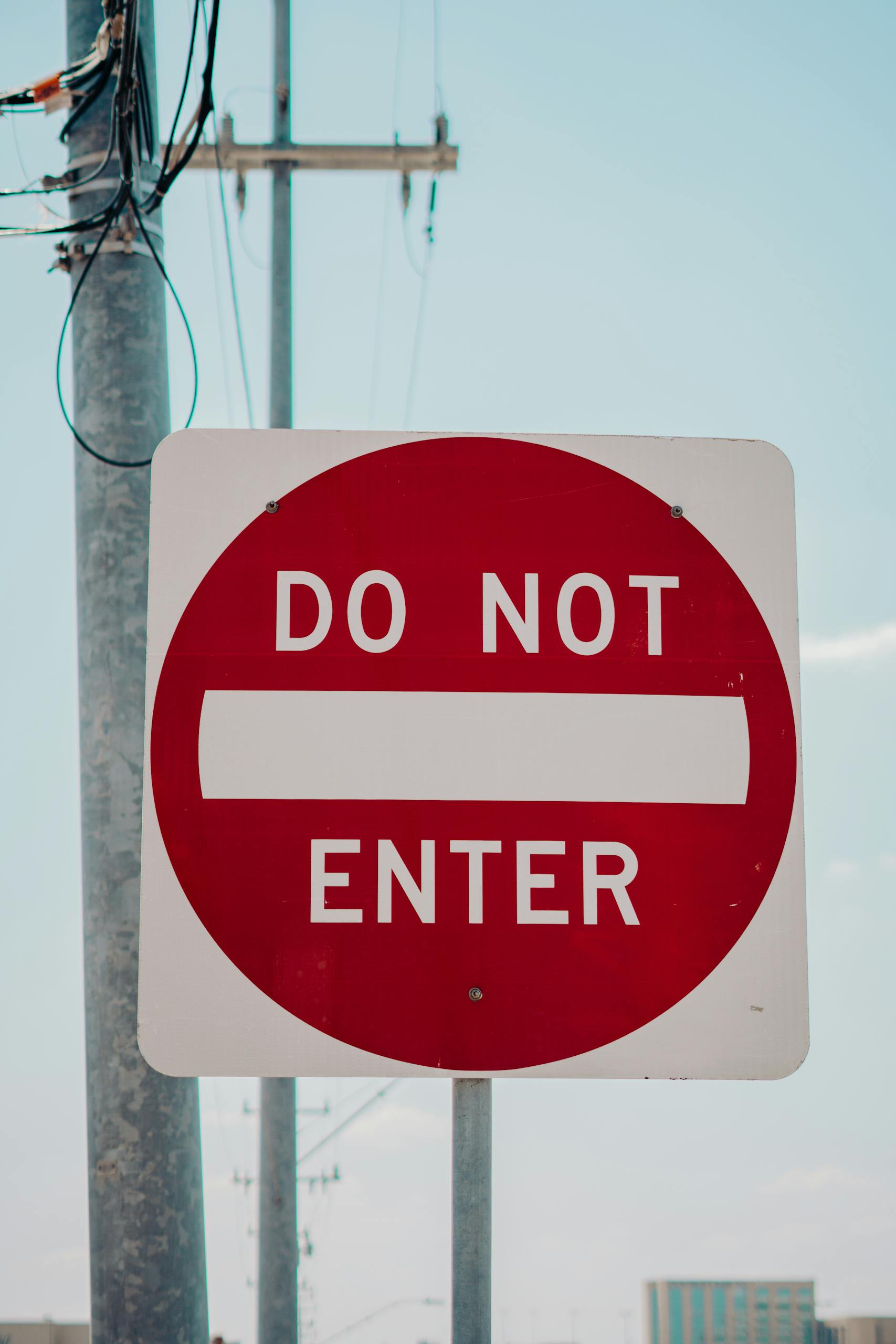
Travel can make the world feel wide open, but some destinations come with risks too severe to treat like ordinary adventure. A cheap flight, a dramatic landscape, or a bucket list dream means very little when airports close, embassies reduce services, roads become unsafe, or foreign visitors become targets. That is why U.S. Do Not Travel warnings deserve more than a casual glance before anyone books a trip.
We are looking at countries where the U.S. State Department has issued its highest warning level, usually because of active conflict, violent unrest, terrorism, kidnapping, wrongful detention, severe crime, or collapsed emergency services. These are not places where travelers should rely on optimism, social media travel clips, or a friend who visited years ago. Conditions can shift fast, and in many Level 4 destinations, the U.S. government may have limited ability to help citizens leave safely.
What a U.S. Level 4 Do Not Travel Warning Means
A Level 4 Do Not Travel warning is the strongest public warning the U.S. government gives to American travelers. It signals that the risks are serious enough that ordinary precautions, travel insurance, careful planning, and local guides may not be enough to keep visitors safe. The dangers can include war, terrorism, kidnapping, civil unrest, violent crime, health emergencies, landmines, wrongful detention, and unstable transportation routes.
Travel advisories are practical risk notices based on security conditions, embassy capacity, local law enforcement limits, and the ability to help U.S. citizens in a crisis. A country can still have deep culture, history, beauty, and generous people, yet remain unsafe for nonessential travel because the broader security situation has broken down.
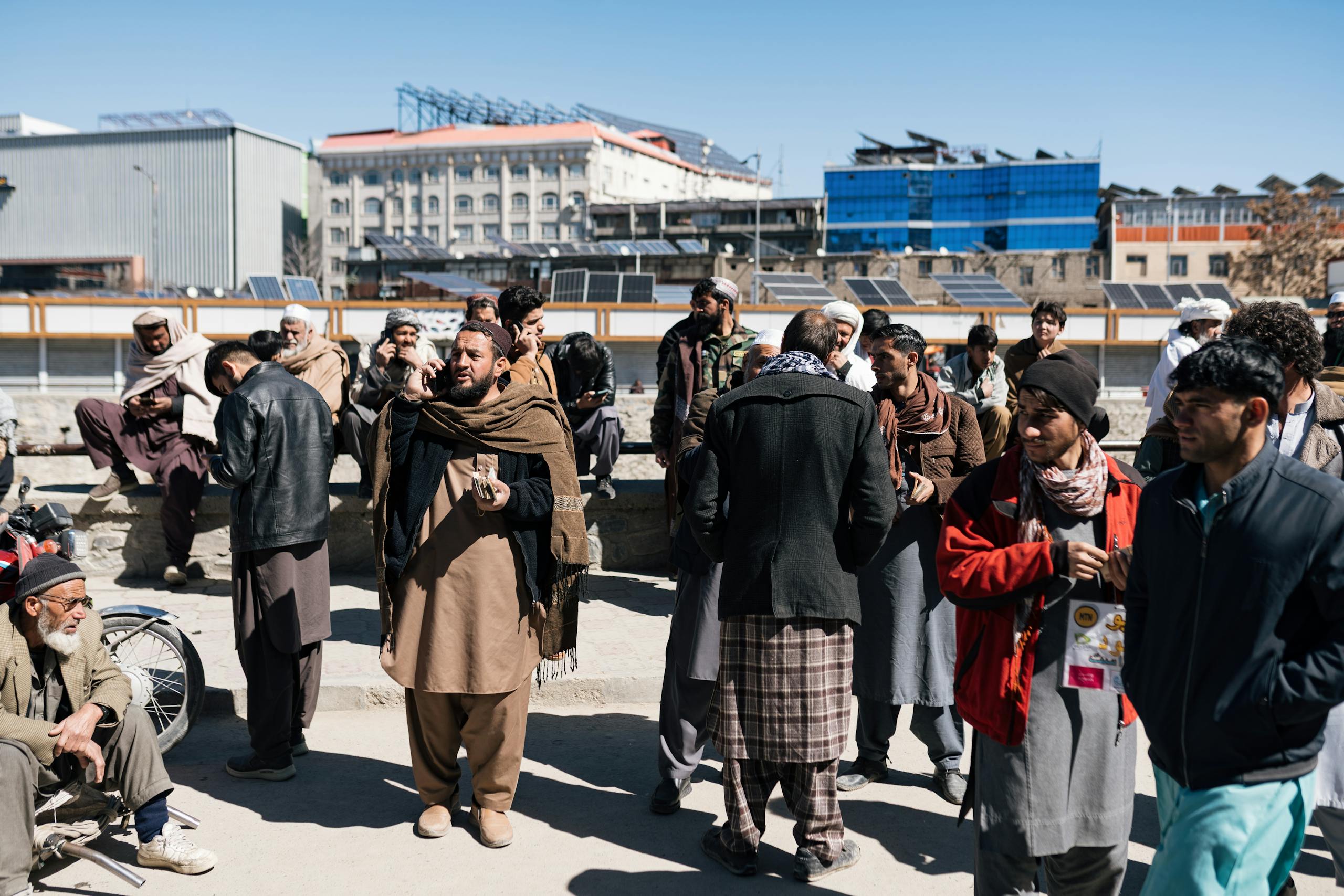
Afghanistan Remains One of the Most Dangerous Destinations for Americans
Afghanistan remains under a Do Not Travel warning because the risks reach far beyond ordinary street crime or political tension. Travelers can face terrorism, armed conflict, kidnapping, wrongful detention, civil unrest, health risks, and natural disaster challenges. For Americans, the security environment is especially complicated because diplomatic access is limited and the Taliban controls the country.
Even experienced travelers should avoid treating Afghanistan as a rugged adventure destination. Movement between cities can be unpredictable, medical care may be limited, and detention risk can become serious without warning. Admiration for the landscape and history cannot outweigh the current life-threatening dangers.
Haiti’s Crisis Makes Normal Travel Extremely Unsafe
Haiti’s warning reflects a country struggling under gang violence, kidnapping, civil unrest, weak public services, and limited emergency response. Roads can become dangerous quickly, and control of neighborhoods or transport corridors may change with little notice. The biggest danger is not one isolated problem, but the way crime, instability, fuel shortages, disrupted healthcare, and political tension can collide.
Haiti has a rich culture, resilient communities, beautiful coastlines, and a powerful history. Still, admiration does not erase the danger facing visitors. When gangs influence movement, basic services strain under pressure, and emergency help may be difficult to access, a vacation plan can become a survival problem within hours.

Iran Carries Serious Risks for U.S. Citizens
Iran is culturally extraordinary, with ancient cities, poetic traditions, architecture, food, and landscapes. The problem for Americans is the government risk environment, especially the danger of wrongful detention, political tension, terrorism concerns, unrest, and limited consular support. A trip that looks fascinating on paper can quickly become legally and diplomatically complicated.
Travel risk in Iran is not only about personal behavior. Even careful visitors can face suspicion because of nationality, profession, dual citizenship, public speech, online activity, or perceived political connections. For U.S. citizens, the stakes are too high to treat Iran like a standard cultural destination.

Russia Is No Longer a Routine European Trip for Americans
Russia once sat comfortably on many American travel wish lists, especially for Moscow, Saint Petersburg, art museums, imperial architecture, ballet, and winter scenery. That picture has changed sharply because of the war in Ukraine, terrorism concerns, unrest, wrongful detention risks, and strained U.S.-Russia relations. A destination that once felt challenging but manageable now carries serious personal and legal risk for American travelers.
Even major cities are not automatically safer because hotels, airports, and tourist infrastructure exist. The deeper issue is the possibility of detention, sudden law-enforcement attention, restricted movement, disrupted flights, and a limited U.S. ability to intervene during a crisis.

Ukraine Remains Unsafe Because of Ongoing War
Ukraine has drawn global sympathy and admiration because of its resilience, culture, and resistance during Russia’s invasion. Yet the country remains under a Do Not Travel warning due to ongoing conflict, which poses risks that no tourist itinerary can fully mitigate. Missile strikes, drone attacks, air raid alerts, damaged infrastructure, landmines, power disruptions, and restricted transportation can all affect civilian areas.
Even people with good intentions can place themselves and others at risk when evacuation routes narrow, hospitals become overwhelmed, or local authorities must divert attention to foreign visitors in danger.

Yemen’s Conflict Has Shattered Safe Travel Conditions
Yemen remains one of the clearest examples of why Level 4 warnings exist. Years of conflict have damaged infrastructure, weakened healthcare access, disrupted food security, and created a dangerous operating environment for locals and foreigners. Risks include terrorism, kidnapping, unrest, crime, health emergencies, and unpredictable armed activity.
Yemen has extraordinary architecture, old cities, mountains, coastlines, coffee history, and a deep cultural heritage. Yet for travelers, those attractions cannot outweigh the danger of being caught between armed groups, facing medical emergencies without reliable care, or becoming trapped during renewed fighting.

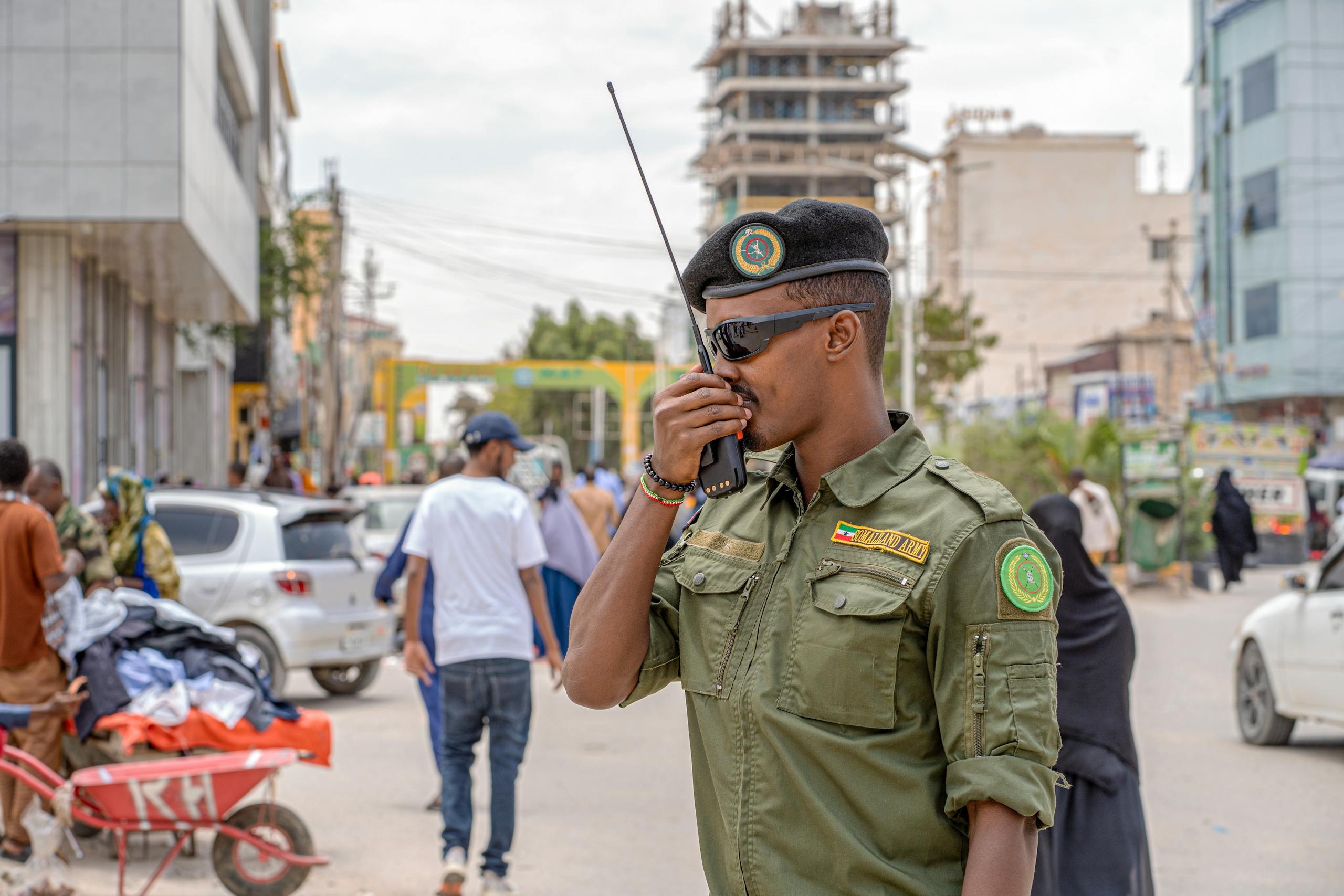
Somalia’s Security Risks Remain Severe
Somalia carries a Do Not Travel warning because of terrorism, kidnapping, crime, civil unrest, health concerns, and limited emergency support. The threat environment can be severe even in areas that appear calm for short periods. Hotels, airports, government buildings, and places associated with foreigners can become targets, which makes ordinary travel planning far more dangerous.
Somalia has a long coastline, a rich history of trade, powerful poetic traditions, and a young population working to build stability under extremely difficult conditions. Still, the security threats remain too serious for casual or independent travel by Americans.
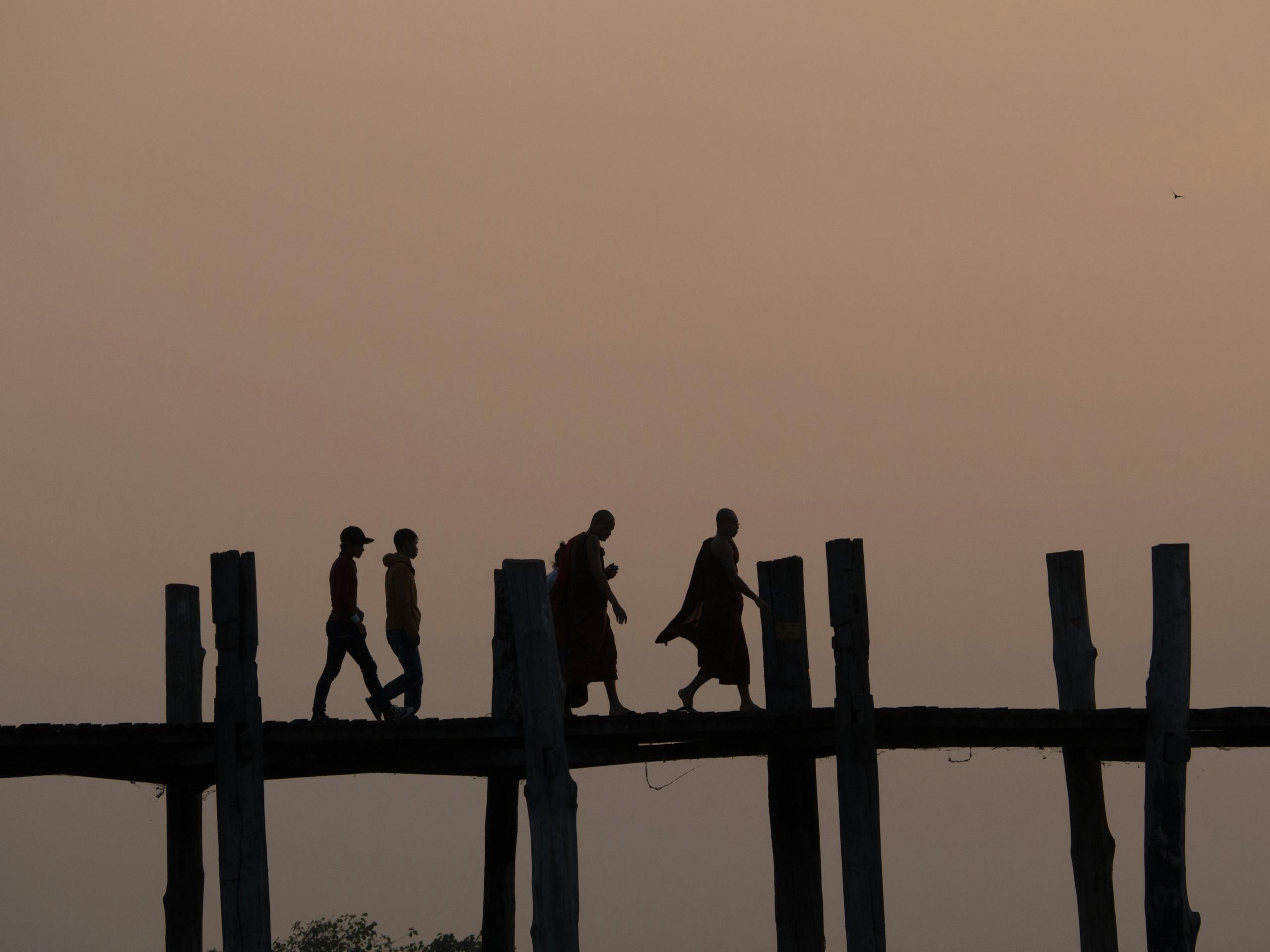
Myanmar Faces Widespread Instability After the Military Takeover
Myanmar remains under a Do Not Travel warning because of unrest, crime, health risks, and broader instability following the military takeover. Armed conflict, civil resistance, military operations, checkpoints, internet restrictions, and unpredictable enforcement can affect movement across the country. Even areas that once drew visitors for temples, river journeys, and cultural tourism can become risky.
Myanmar was once promoted as an emerging Southeast Asian destination, but the current environment is not comparable to a standard trip through Thailand, Vietnam, or Cambodia. When conflict and military control shape daily life, tourists can face risks that beautiful photos do not show.
Sudan’s War Has Made Travel Extremely Dangerous
Sudan is under a Do Not Travel warning because of unrest, crime, kidnapping, terrorism, landmines, and health threats. Active conflict affects roads, airports, hospitals, communications, and access to basic supplies. Travelers face dangerous conditions across multiple regions, not just isolated areas.
Sudan has remarkable historical and cultural depth, including ancient Nubian sites and desert landscapes. That heritage deserves attention, but the current security environment makes travel unsafe. Even well-planned travel can collapse quickly in a country with ongoing conflict and limited services.
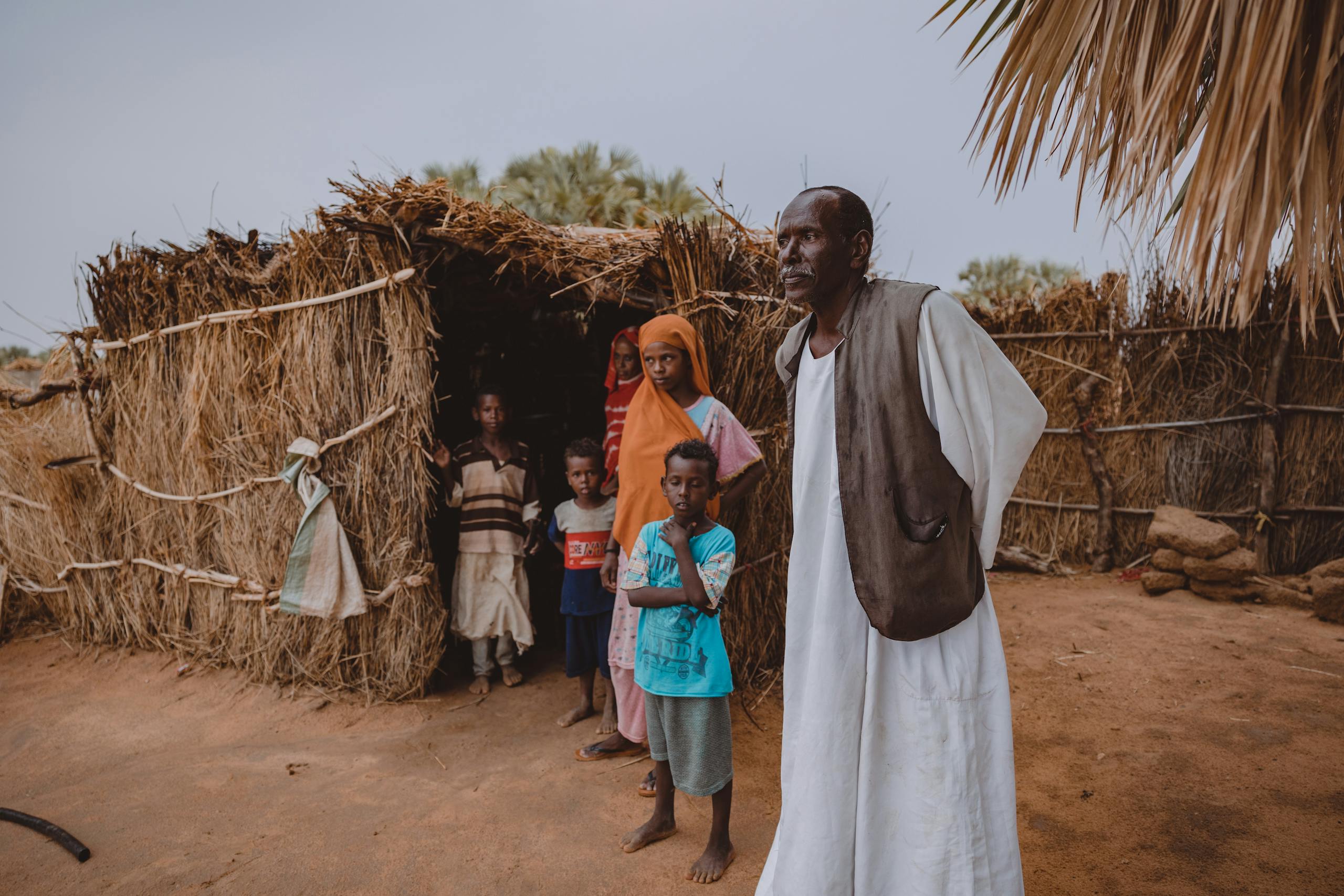
South Sudan Remains Too Unstable for Safe Travel
South Sudan’s post-independence years have been shaped by conflict, political tension, crime, displacement, health challenges, and dangerous road conditions. The U.S. warning reflects risks including unrest, kidnapping, crime, health threats, and landmines. Those dangers make movement outside secure compounds especially hazardous.
Even necessary travel requires serious security planning, reliable local coordination, emergency evacuation options, and constant monitoring. For ordinary travelers, South Sudan is not a destination to test personal courage.
Why Venezuela Needs a Separate Note
Venezuela carries serious warnings because of crime, health concerns, kidnapping, terrorism, and high-risk areas. Some areas inside Venezuela carry stronger warnings, including border and remote regions where crime, kidnapping, and terrorism risks are elevated. The current U.S. advisory lists Venezuela nationally as Reconsider Travel rather than a full countrywide Level 4 Do Not Travel destination.
Venezuela remains a high-risk destination for American travelers, but precise warnings matter for accuracy. Strong travel writing should inform readers without exaggerating or underplaying danger.

How Travelers Should Use U.S. Travel Warnings Before Booking
Check official advisories before booking, again before departure, and during the trip if conditions are unstable. A country’s warning level can change after elections, attacks, protests, disease outbreaks, natural disasters, border clashes, or embassy staffing changes. Travelers should read the details behind the warning to understand whether the concern is terrorism, crime, kidnapping, health, wrongful detention, unrest, or another danger.
Compare advisories with embassy alerts, local news, airline updates, insurance exclusions, and evacuation options. Standard travel insurance may not cover war zones or places under government warnings. A cheap fare can become expensive if flights are canceled, borders close, hospitals run short of supplies, or travelers need emergency evacuation.
Conclusion
The strongest U.S. travel warnings are not designed to frighten people away from the world. They exist because some destinations are facing conditions where ordinary travel planning is not enough to protect visitors. Afghanistan, Haiti, Iran, Russia, Ukraine, Yemen, Somalia, Myanmar, Sudan, and South Sudan all show how quickly beauty, history, and culture can be overshadowed by war, unrest, crime, terrorism, kidnapping, detention risks, and broken emergency systems.
We can still care about these countries, learn about their people, support responsible humanitarian efforts, and hope for safer days ahead. What we should not do is turn a Level 4 warning into a personal challenge. When the official message is Do Not Travel, the smartest trip is often the one we postpone.