President Donald Trump is turning to military veterans for help reshaping an industry that keeps American stores stocked, farms operating and factories supplied.
The White House’s Freedom Haulers initiative aims to move more former service members into commercial trucking while federal agencies remove drivers and training schools that officials say fail safety, licensing or English proficiency requirements. The plan combines veteran employment with Trump’s broader crackdown on improperly issued commercial driver’s licenses, commonly known as CDLs.
The Department of Transportation first announced Freedom Haulers on July 24. Trump, Transportation Secretary Sean Duffy, Veterans Affairs Secretary Doug Collins and Acting Labor Secretary Keith Sonderling were expected to formally promote the campaign at a White House event on July 30.
From military convoys to America’s highways

Freedom Haulers rests on a simple idea: service members who can safely operate heavy military vehicles may already possess many of the skills trucking companies need.
Under the initiative, the administration plans to extend the period in which eligible veterans can seek an expedited CDL from 12 months after leaving active duty to 24 months. The extension gives former service members more time to convert relevant military experience into civilian qualifications.
Veterans without experience driving comparable military vehicles would still need CDL training. Those with qualifying heavy vehicle experience may apply for a Federal Motor Carrier Safety Administration waiver that allows states to skip a redundant road skills test. Indiana and Wyoming are also expected to join FMCSA’s Even Exchange program, according to Fox News, making it easier for qualified military drivers to transfer their experience into civilian licenses.
The campaign will use radio advertisements, digital promotions and an online portal connecting veterans with training programs, federal resources and participating employers. The Transportation Department says eligible veterans who served for at least 36 months can often use Department of Veterans Affairs education benefits to cover the full cost of approved CDL training at colleges or technical schools.
Werner Enterprises, a major trucking company based in Omaha, Nebraska, is expected to announce plans to hire 1,400 veteran drivers as part of the effort. That commitment gives Freedom Haulers something many workforce campaigns lack at launch: actual jobs waiting at the end of the training pipeline.
“Trucking requires the precision, independence, and discipline that they forged in the military,” Duffy said when announcing the campaign.
A recruitment drive paired with a sweeping crackdown
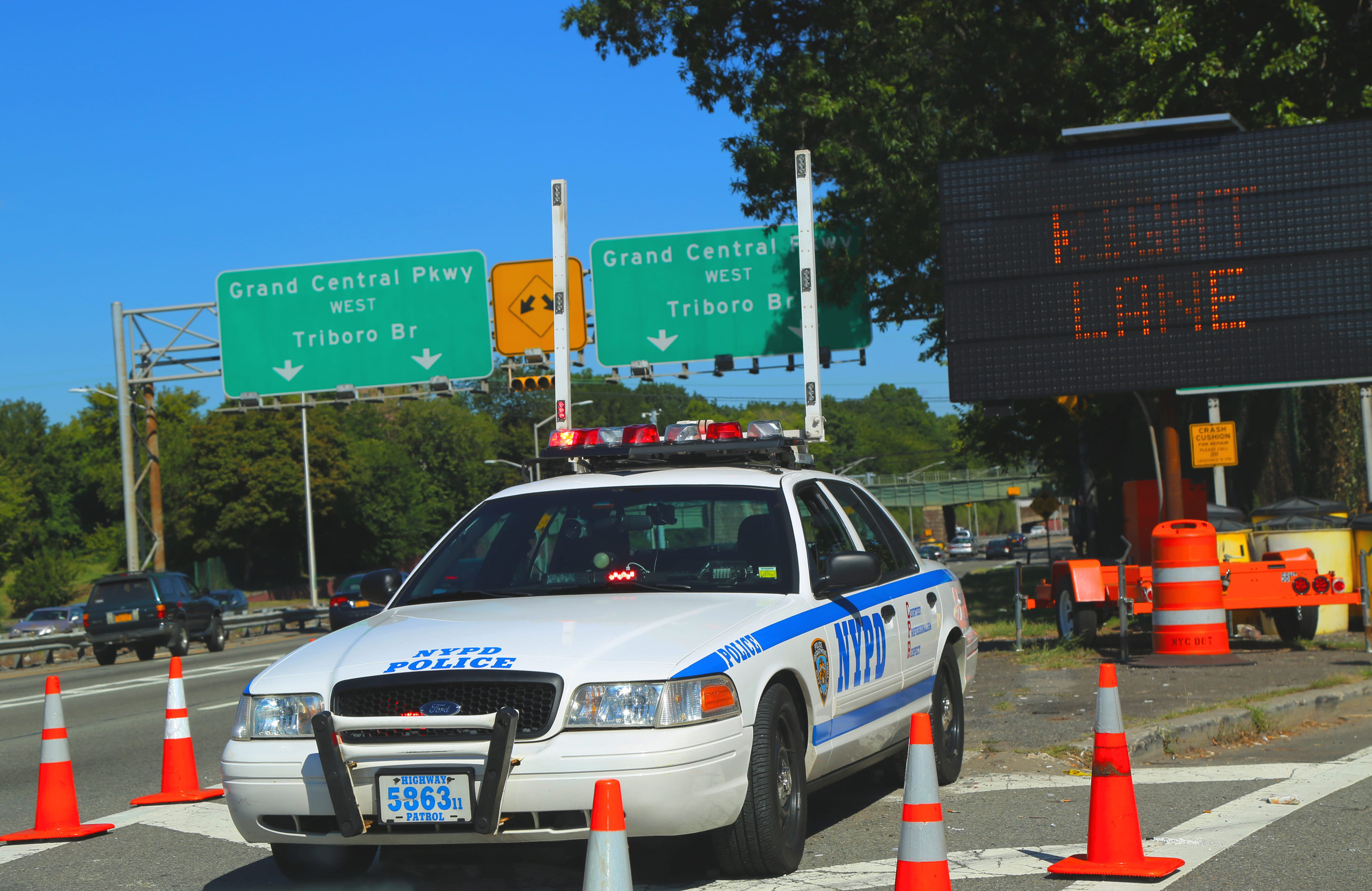
The patriotic hiring pitch represents only one side of the administration’s trucking agenda. The other involves removing drivers, licenses and schools that federal officials consider unsafe or noncompliant.
The Transportation Department says enforcement officers have taken more than 24,000 commercial drivers out of service for failing federal English language proficiency standards. Officials also say states have canceled more than 28,000 non-domiciled CDLs that were improperly issued to foreign drivers. Those figures come from the administration and describe separate enforcement actions, not 52,000 permanent license revocations.
Federal law requires interstate commercial drivers to speak and read enough English to respond to officials, complete records, and understand highway signs. Under guidance updated in April 2026, inspectors begin roadside examinations in English and may conduct an interview and traffic sign assessment when they suspect a driver cannot meet the standard. A driver who fails can be placed out of service until the problem is corrected.
That requirement applies to all covered interstate commercial drivers, regardless of nationality or immigration status. Separately, the administration’s February 2026 rule tightened access to non-domiciled CDLs, limiting eligibility to certain H-2A, H-2B and E-2 visa holders who complete additional verification.
The federal government is also targeting the institutions that train drivers. In July, FMCSA identified about 75 entry-level driver training schools suspected of falsifying records, providing improper certifications or failing to train students adequately. Homeland Security Investigations joined the probe, while DOT reported removing more than 9,500 training providers from the federal registry.
The road ahead will test more than patriotic messaging
The White House presents Freedom Haulers as a way to improve safety, reward veterans and reinforce supply chains at the same time.
The administration also cites research suggesting veterans may perform especially well behind the wheel. A 2016 Omnitracs analysis found veteran drivers recorded 42 percent fewer accidents while driving 98 percent more miles than nonveteran drivers in the study. However, those figures come from an older private sector analysis, not a new nationwide federal safety study.
Trucking can offer solid earnings, but the work also brings long hours, extended periods away from home and demanding safety responsibilities. Bureau of Labor Statistics data show heavy and tractor-trailer truck drivers working in truck transportation earned a median annual wage of $60,320 in 2025. The broader truck transportation industry employed roughly 1.47 million workers in June 2026.
Freedom Haulers therefore faces a practical test. Recruiting veterans through patriotic advertising may attract attention, but long-term success will depend on training quality, employer participation, pay, working conditions, and whether veterans remain in the industry after receiving their licenses.
The initiative nevertheless gives the administration a powerful political narrative. Trump can argue that his government is removing improperly licensed drivers while replacing lost capacity with Americans who already served their country.
For veterans seeking a civilian mission, trucking may provide that opportunity. For the White House, the open road has become the latest stage for a larger promise: tighter enforcement, safer highways and more American workers in the driver’s seat.