Added sugar does not always arrive looking dangerous. Sometimes it hides inside a “healthy” snack bar, a flavored yogurt, a bottled drink, or a sauce you barely think about. The problem is that your brain can start treating these sweet hits like tiny rewards, then ask for them again when you feel tired, bored, stressed, or low.
Cutting added sugar can feel uncomfortable at first because it touches more than taste. It can expose habits, cravings, emotional eating, late-night snacking, and the quiet sugar crashes many people mistake for normal fatigue. This listicle breaks down the ugly side of added sugar in a clear, creative, SEO-friendly way.
It Can Turn Cravings Into a Daily Argument
Added sugar can train your brain to expect a quick reward whenever your day gets heavy. That is why one cookie can turn into three, and one sweet drink can become a daily ritual you defend like a family tradition. When you cut it back, cravings may shout louder at first because the brain misses its fast comfort button. The ugly part is realizing the craving is not always hunger. Sometimes it is boredom, stress, tiredness, or a habit that has learned how to dress itself up as a need.
It Can Hide Inside Foods You Trust
One of the sneakiest problems with added sugar is how often it slips into foods people buy with confidence. Protein bars, breakfast cereals, salad dressings, sauces, granola, flavored yogurt, and “light” snacks can all carry sweetness under polished labels. That makes healthy eating feel more honest only after you start reading the fine print. The rude shock is simple: sugar is not just in candy and cake. It may already be living rent-free in your everyday meals.
It Can Make Your Mood Feel Messier
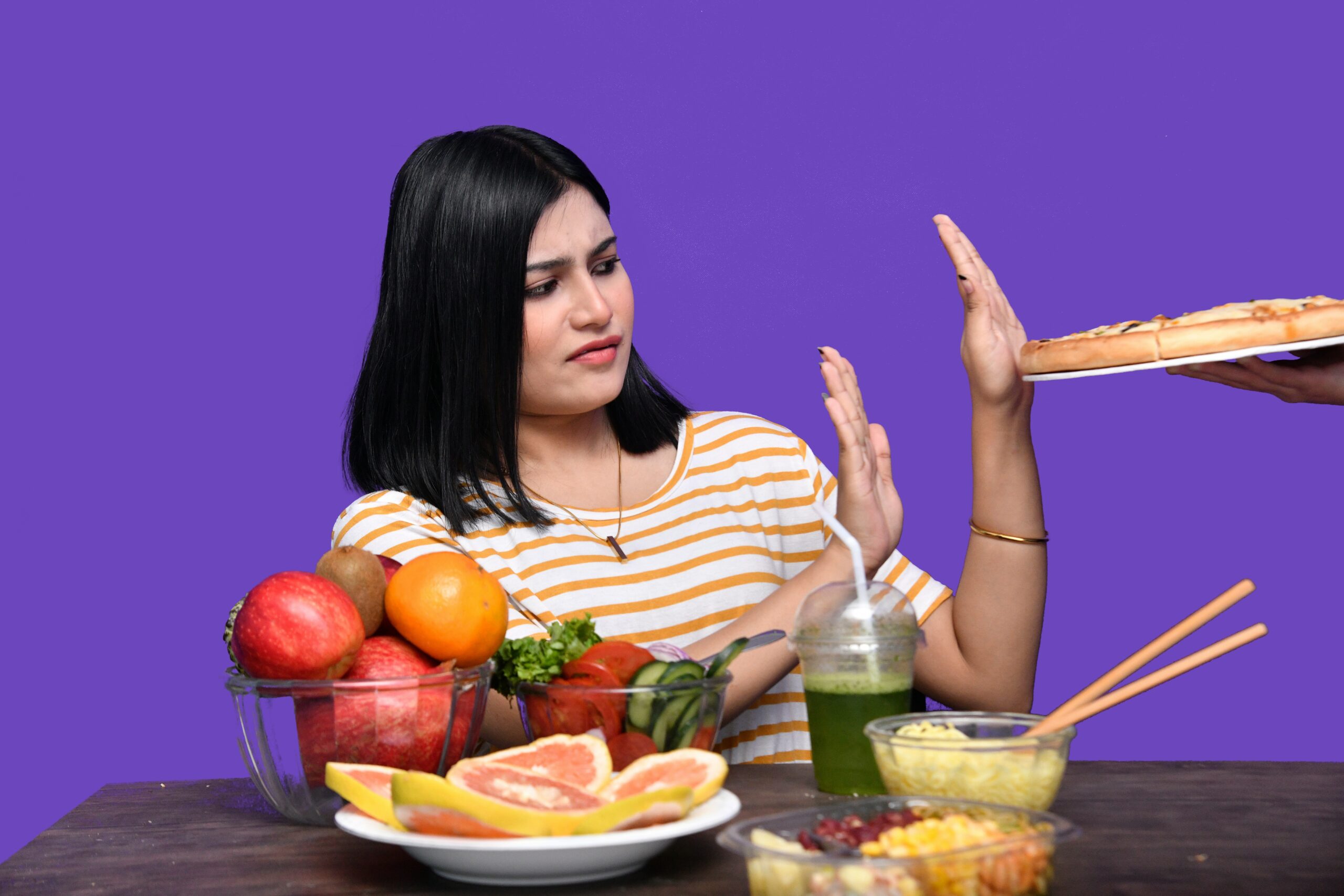
A sugar rush can feel harmless in the moment, then leave your mood paying the bill later. Some people notice they become more irritable, restless, foggy, or impatient after repeated sugar highs and crashes. That does not mean dessert is evil, but daily added sugar can make it harder to protect emotional balance. When you reduce it, your mood may feel less like a swinging door. The change can be subtle, but calmer energy often creates calmer reactions.
It Can Trick You Into Eating Your Feelings
Added sugar often becomes emotional furniture in people’s lives. It sits there after a hard meeting, a lonely evening, a stressful phone call, or a disappointing day. The brain begins to link sweetness with relief, even when the real problem needs rest, honesty, movement, or support. Cutting it back can feel uncomfortable because the feelings no longer have frosting on top. That is also the useful part. You finally notice what you were feeding besides hunger.
It Can Leave Your Brain Feeling Foggy
Brain fog can creep in quietly after too much added sugar. You may still function, but work feels slower, focus feels thinner, and your mind keeps reaching for another quick boost. The issue is not natural sugar from fruit or milk, which comes with nutrients and slower digestion. The bigger problem is refined sweetness that hits fast and fades fast. Once you reduce added sugar, your brain may stop feeling like it is walking through syrup by midafternoon.

It Can Damage Your Sleep Routine
Late-night sugar can make sleep feel less steady for some people, especially when sweet snacks become part of a tired evening pattern. The body may want rest, but the brain still wants stimulation, comfort, and one more bite. Poor sleep can then push you toward more sugar the next day because fatigue loves fast energy. That cycle is frustrating because it looks like a food problem but behaves like a routine one. Breaking it can improve both nights and mornings.
It Can Make Normal Food Taste Boring
Added sugar can raise the sweetness volume so high that ordinary food starts tasting dull. Fruit may seem less exciting, plain yogurt may feel flat, and unsweetened drinks may taste like punishment. That is not proof that healthy food is boring. It is proof that your taste buds may have been trained by heavy sweetness. After a few weeks of reduced added sugar, many people notice that natural flavors become sharper, brighter, and more satisfying than expected.

It Can Make Self-Control Feel Impossible
Many people blame themselves for weak willpower when the real issue is food design. Sweet processed foods are often made to be easy to crave and hard to stop eating. They combine convenience, softness, sweetness, salt, and fat in a way that keeps your hand returning before your brain has voted. Cutting added sugar can rebuild trust because you stop fighting temptation every hour. You start planning, choosing, and eating with more control, rather than reacting on autopilot.
It Can Disguise Stress as Hunger
Stress has a clever way of pretending to be appetite. You may think you need something sweet, but your nervous system may really be asking for a pause, fresh air, water, sleep, or a calmer moment. Added sugar can blur that message because it provides quick relief without addressing the pressure beneath. When you reduce it, you may begin to separate true hunger from emotional urgency. That awareness can change your eating habits more than any strict rule.

It Can Make Balance Feel Harder Than It Should
The goal is not to fear every dessert or act as though sugar must disappear forever. The real danger comes when added sugar becomes a daily coping tool, energy shortcut, and emotional reward system all at once. A balanced approach works better than panic. Start with sweet drinks, then check the labels on snacks, sauces, and breakfast foods. Replace instead of only removing. When your meals include protein, fiber, and real satisfaction, sugar loses some of its power.
Conclusion
Added sugar can affect more than your waistline. It can shape cravings, mood, focus, sleep, emotional eating, taste, and the way you respond to stress. The hardest part of cutting it back is often the first stage, when the brain complains about losing a familiar reward.
The better part comes later. Your energy may feel steadier, your cravings may lose volume, and your choices may feel more intentional. You do not need to become extreme to benefit. You only need to stop letting hidden sugar run the day from behind the curtain.