A free pass sounds simple until the deadline sneaks up on you and the savings disappear. That is the pressure facing California residents now as the state temporarily waives the regular $50 fee for its Historian Passport, opening the door to more than 30 historic parks for families, road-trippers, and curious locals.
The offer gives Californians a no-cost way to visit historic sites tied to Native communities, Black settlements, Gold Rush towns, mission life, mining, early government, agriculture, and old California industry. It comes with one important catch. Residents must claim the pass by July 6, even though they can use it through the end of 2026.
A Free California Parks Pass With a Tight Clock
The special California Historian Passport is available for free download from June 17 through July 6. Once claimed, it can be used from Juneteenth, June 19, through Dec. 31, 2026, at participating historic state parks.
That timing gives families more than a year to plan trips, but only a short window to get the pass. For households trying to stretch summer budgets, that matters. A $50 fee may not seem huge, but for families already paying for gas, food, parking, hotel stays, or kids’ activities, every saved dollar helps.
The pass covers the passholder and up to three guests. That makes it especially useful for families of four, grandparents taking children out for the day, couples traveling with friends, or residents who want to turn a weekend drive into something more meaningful. Californians can review details of free historic passes before planning a trip.
Why California Is Offering It Now
The free pass is tied to two major historical moments. Juneteenth marks the day in 1865 when enslaved people in Texas learned they were free, more than two years after the Emancipation Proclamation. The promotion also connects to the 250th anniversary of the Declaration of Independence, which falls in 2026.
That pairing gives the offer a deeper purpose than a normal travel discount. California is using its historic parks to push residents toward places where history is visible, complicated, and local. These parks are not just old buildings behind gates. They are public memory sites.
For many residents, the pass can turn history from something read in school into something seen up close. A child can stand inside a preserved adobe. A parent can walk through a Gold Rush site and talk about how fast wealth, migration, and conflict changed the state. A visitor can see how Native culture, Black history, Chinese immigration, Mexican-era ranching, and mining all fit into the California story.
Southern California Families Get Useful Day Trips
Southern California residents have several practical options within driving range. For Inland Empire families, California Citrus State Historic Park in Riverside connects local neighborhoods to the region’s agricultural past. Long before warehouse corridors and commuter traffic shaped the area, citrus groves helped define Southern California’s economy and image.
Los Angeles-area residents can look at Los Encinos State Historic Park and Will Rogers State Historic Park as lower-cost cultural stops. Los Encinos offers a look at San Fernando Valley ranch history, while Will Rogers brings together open space, entertainment history, and California ranch life.
The Antelope Valley Indian Museum gives Southern California travelers another kind of trip. It places Native history and cultural collections in a desert setting that feels far removed from the state’s usual beach-and-theme-park version. For families looking for an educational outing that still feels like a real escape, it is one of the stronger options.
Gold Rush Sites Give the Pass Its Biggest Road Trip Appeal
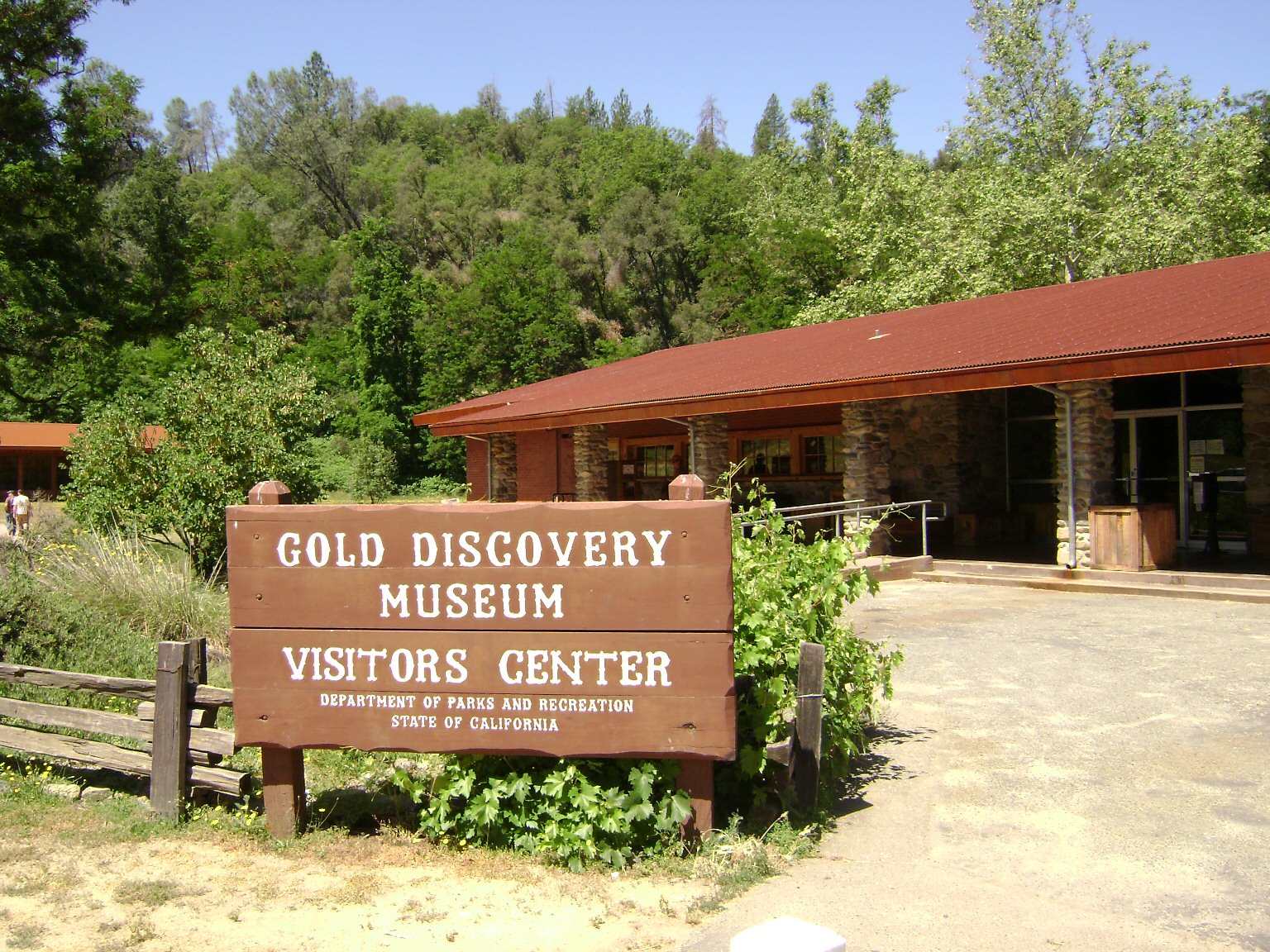
For Northern California and Sierra travelers, the Historian Passport can turn a road trip into a deeper look at the Gold Rush. Marshall Gold Discovery State Historic Park remains one of the key sites on the list because it connects visitors to the discovery that helped reshape California’s population, economy, and environment.
Empire Mine State Historic Park adds another layer. It shows how mining moved beyond scattered prospectors and became a large, organized industry. Visitors can see how labor, capital, machinery, and land all came together in ways that still influence California’s landscape.
Bodie State Historic Park may be the most visually dramatic stop for many travelers. The preserved ghost town gives visitors the feeling of stepping into a place that was left mid-breath. For photographers, families, and history fans, it is the kind of destination that can anchor a full weekend.
Central Coast Stops Add Mission and Coastal History
The Central Coast may be one of the best regions for turning the pass into a themed trip. La Purísima Mission State Historic Park near Lompoc offers a detailed look at mission-era California, including agriculture, religion, Native labor, and Spanish colonial influence.
El Presidio de Santa Barbara State Historic Park gives Santa Barbara visitors a reason to look beyond beaches, restaurants, and shopping streets. It connects the city to early military and colonial settlement history, helping locals and tourists understand how the region developed.
Monterey State Historic Park and San Juan Bautista State Historic Park also fit naturally into a coastal route. Monterey carries the early history of California government, while San Juan Bautista offers a walkable historic setting where mission, plaza, and town life still feel closely tied together.
Black California History Gets a Powerful Spotlight
Colonel Allensworth State Historic Park may carry special weight during the Juneteenth season. The park preserves the story of a town founded and governed by Black Californians in the early 20th century. It is not just a historic stop. It is a reminder that freedom was not only about legal status, but also land, education, leadership, and self-determination.
For families, the site can open a different conversation about California history. Many people think of Black history in terms of the South, the Civil Rights era, or major urban centers. Allensworth shows that Black Californians also built towns, institutions, and futures in the Central Valley.
That local angle makes the free pass more than a travel perk. It gives residents a reason to visit places that may not always appear on standard vacation lists, but still carry deep meaning for the state.
Rules Visitors Should Check Before Driving
The pass is valuable, but it does not work everywhere. It applies to participating historic parks that honor the Historian Passport. Some sites, tours, special attractions, or partner-operated locations may have separate rules or fees.
Visitors should check the official pass rules document before making a long drive. Space, closures, weather, parking limits, and site conditions can affect entry. A pass does not guarantee access if a park is full or temporarily restricted.
People using the digital pass should also keep it easy to show at entrance stations. If there is no attendant, visitors may need to display the pass as instructed. A little planning can prevent a free outing from turning into a frustrating one.
How Residents Can Claim the Pass
The easiest move is to claim the pass before deciding where to go. That way, Californians do not lose the chance while trying to plan the perfect trip.
Residents can download the pass online during the limited free period. Once it is saved, families can map out trips by region, school breaks, holidays, or themes.
A parent in San Diego may want to start with a Southern California site. A family in Sacramento may choose Sutter’s Fort or nearby Gold Country stops. A Bay Area traveler may build a route through Sonoma, Petaluma Adobe, Benicia Capitol, or Fort Ross.
A Bigger Access Story for California Parks
This free Historian Passport also fits into a wider push to make parks easier to reach for more residents. California already has several access programs for students, library users, veterans, seniors, and lower-income residents. Families who miss this offer may still want to look into other free park programs that could help reduce costs.
That matters because park access is not equal for every household. Some families live close to historic sites. Others face long drives, high gas prices, limited time off work, or transportation barriers. A free pass cannot solve all of that, but it can remove one cost from the decision.
For California readers, the value is both practical and personal. This is a chance to save money, see more of the state, and give children a clearer picture of the people and places that shaped where they live.
The Deadline Is the Real Story
California’s free historic parks pass is generous, but it is easy to miss. The travel window lasts through 2026, yet the claiming window closes July 6. That makes the next few weeks the difference between having a year of free historic park visits and paying the usual price later.
For residents who already planned summer trips, the pass can add meaningful stops along the way. For families without big vacation budgets, it can create affordable local outings. For anyone who thinks they already know California, it may point toward a version of the state that is older, more complicated, and much more interesting than the view from the freeway.