Some childhood foods inspire wonderful memories, while others make people wonder how anyone ever considered them delicious. What once appeared on dinner tables across America can seem unusual today, especially to people who never grew up eating those dishes.
American eating habits have changed over the decades, influenced by convenience, food availability, and changing preferences. Some dishes that were once ordinary family meals now divide opinion because of their flavors, textures, or ingredients.
That doesn’t mean everyone dislikes these foods, since many still have devoted fans. But these 10 dishes can provoke surprisingly strong reactions.
1. Liver and Onions
Liver and onions was once a familiar dinner in households where organ meats were part of regular cooking. The liver was usually fried in a skillet and served with caramelized onions, potatoes, or vegetables.
Its biggest challenge has always been its distinctive taste, which some people love and others find overwhelming. Overcooking can also make liver dry and tough, which doesn’t help its reputation.
Yet properly prepared liver remains a valued ingredient in many traditional cuisines. For families who grew up eating it, the dish can still represent a comforting home-cooked meal.
2. Lime Jell-O With Vegetables
Imagine being offered a brightly colored gelatin salad, only to discover that it contains celery, shredded carrots, or other vegetables. Savory gelatin salads were a feature of mid-century American cooking, especially at gatherings where presentation mattered.
The Smithsonian documents how home cooks experimented with molded salads and unusual ingredient combinations. For some people, mixing sweet gelatin with crunchy vegetables is simply too strange.
Others remember the dish as a family tradition that belonged at every holiday table. Its unusual appearance is part of what makes it memorable.
3. Creamed Chipped Beef on Toast
Dried beef, white sauce, and toast made an inexpensive, filling meal that appeared in homes and military dining settings. The ingredients were simple, and preparation required little time.
The problem for some modern diners is the combination of salty meat and thick, pale gravy. It isn’t particularly colorful, and the texture can seem heavy compared with many contemporary breakfast dishes.
Still, people who grew up with it sometimes remember it as one of their favorite comfort foods. Personal experience can make a significant difference in how someone feels about a dish.
4. Canned Spinach
Fresh spinach and canned spinach may come from the same vegetable, but their eating experiences can be remarkably different. Canning softens the leaves and changes their appearance, producing a texture that some people find unappealing.
For children who grew up being told to finish their vegetables, a serving of canned spinach could become an unforgettable dinner-table battle. Others enjoyed it with butter, vinegar, or seasonings that improved the flavor.
Fresh and frozen spinach are common alternatives today, particularly for cooks who prefer a firmer texture. Canned spinach remains available, but it isn’t everyone’s preferred version of the vegetable.
5. Tuna Noodle Casserole
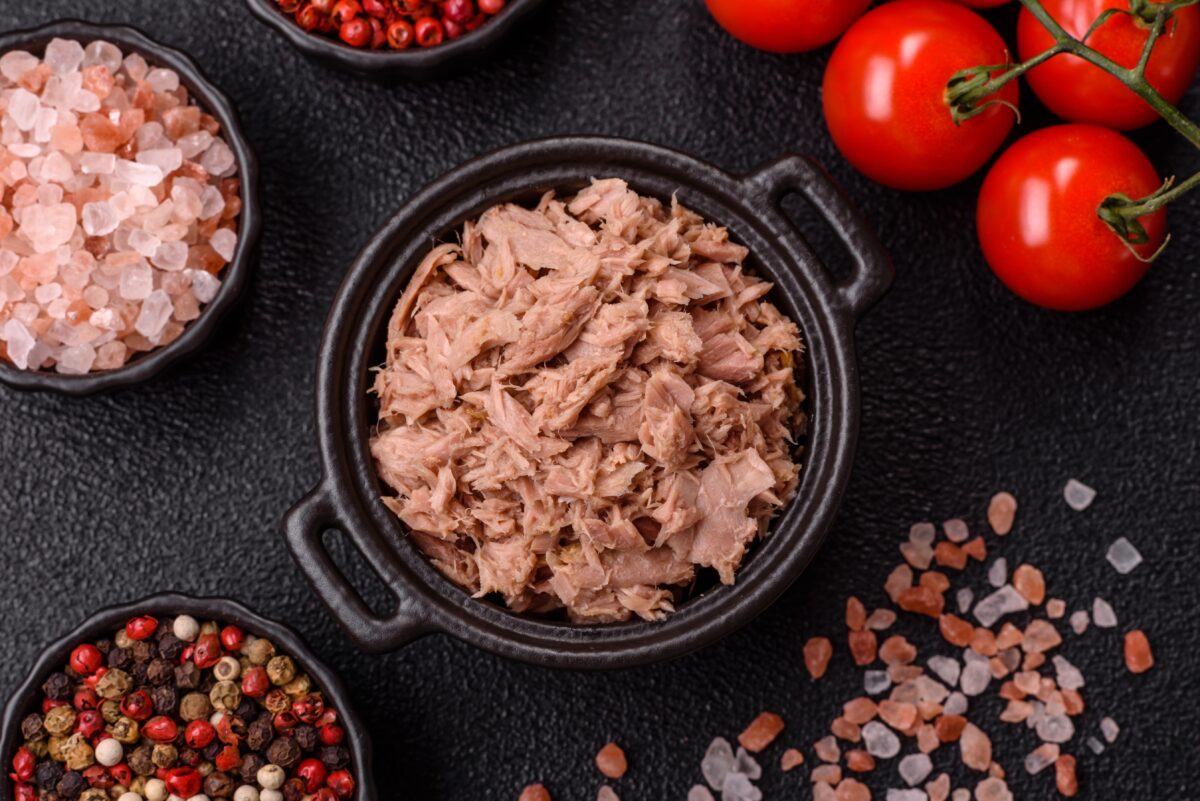
Tuna noodle casserole combined convenience with affordability, making it a practical choice for busy families. A typical recipe included canned tuna, noodles, condensed soup, and a crunchy topping, with some versions adding peas or cheese.
But the combination of canned fish, creamy sauce, and soft noodles isn’t universally appealing. The smell alone can divide a household, especially among people who dislike cooked tuna.
Even so, the casserole remains a practical meal for families who enjoy it. Some recipes have also been updated with fresh ingredients and different seasonings.
6. Cottage Cheese With Canned Fruit
A scoop of cottage cheese topped with canned peaches or pineapple was once a familiar light meal or side dish. The combination brought together tangy dairy curds and sweet fruit syrup.
Its appeal depended heavily on texture, which remains one of the most divisive aspects of cottage cheese. People who enjoy it appreciate the mild flavor, while those who dislike it often find the lumpy consistency difficult to get past.
Cottage cheese has attracted renewed attention as a protein-rich food, but the old-fashioned fruit-and-cheese plate can still receive mixed reactions. Some people prefer blending cottage cheese into smoother dishes instead.
7. Bologna Sandwiches

For many American children, a bologna sandwich was a regular feature of packed lunches. A few slices of processed meat between white bread, sometimes with mustard, mayonnaise, or American cheese, made a quick meal.
Some families even fried bologna in a skillet until its edges curled, creating a different flavor and texture. Although bologna is still sold, people who avoid processed meats may find the classic sandwich less appealing today.
For others, one bite immediately brings back memories of school lunches and family kitchens. Nostalgia can make even the simplest sandwich feel special.
8. Ambrosia Salad
Ambrosia sounds elegant, but familiar American versions often combine fruit, coconut, miniature marshmallows, and whipped topping. Some recipes also contain sour cream or nuts, creating a mixture of sweet, tangy, creamy, and chewy ingredients.
For people who remember it from holiday gatherings, that combination may be exactly what makes it special. For others, calling a mixture of fruit and marshmallows a salad is difficult enough to accept.
The dish remains a holiday tradition in some families, particularly those who follow recipes passed down through generations. Its appeal often has as much to do with memories as taste.
9. Canned Vienna Sausages
Small sausages packed in cans offered an inexpensive, shelf-stable protein option for households seeking convenience. Some people ate them directly from the can, while others heated them or added them to simple meals.
Their soft texture, salty taste, and distinctive smell can make them divisive. Although canned Vienna sausages are still available, they don’t appeal to everyone accustomed to grilled, smoked, or freshly prepared sausages.
For some households, though, they remain a convenient pantry staple. Their portability and long shelf life continue to make them useful in certain situations.
10. Salmon Loaf
Before fresh salmon became a familiar supermarket option in many households, canned salmon was useful for preparing economical meals. One old-fashioned preparation involved mixing canned salmon with eggs, breadcrumbs, milk, and seasonings before baking it in a loaf pan.
The finished dish could be sliced like meatloaf and served with a sauce or vegetables. Its soft texture and pronounced fish flavor may explain why it isn’t a favorite among some younger diners.
Still, it offers an inexpensive way to use canned fish, and families who enjoy it continue making it today. Like many traditional recipes, the appeal often depends on how it is prepared.
Are These Foods Really That Bad?
Taste is personal, and many of these foods remain popular in particular families and regions. What makes a dish appealing often depends on childhood experience, preparation methods, and the ingredients people are accustomed to eating.
For another look at the foods earlier generations valued, Crafting Your Home explores nostalgic dishes that remain meaningful to many older Americans. A food that brings unpleasant memories to one person might remind someone else of Sunday dinner with Grandma.
Perhaps the most interesting question isn’t why people stopped eating certain foods, but why some families never stopped loving them. Those memories help explain why so many old-fashioned dishes continue to inspire strong opinions.