A bottle of barbecue sauce can tell you something about a region, but not everything. In eastern North Carolina, the defining choice is often a whole hog; in Central Texas, it is brisket, sausage, and pork ribs. Memphis gives pork ribs star billing, while Owensboro, Kentucky, has built a reputation around smoked mutton. The differences begin with the animal, the cut and the cooking, not simply whether someone reaches for mustard or molasses.
That makes American barbecue less a single recipe than a collection of related traditions. Some styles emphasize slow-smoked meat, while others cook over hot wood coals. Regional labels are useful guides, but they don’t guarantee every restaurant follows identical rules. To understand what makes a barbecue plate distinctive, start with the smoke, then consider the meat, seasoning, texture and way it is served.
Before the Sauce Debate, There Were People and Pits
Barbecue’s history reaches beyond the familiar restaurant map. Food historian Adrian Miller, author of Black Smoke: African Americans and the United States of Barbecue, traces its development through Indigenous cooking techniques and the work of enslaved Africans in colonial America. Black cooks subsequently helped spread and develop barbecue across the country. Miller also explains that many recognizable regional stylestook shape as barbecue moved from rural gatherings into urban businesses during the 20th century.
That history matters when barbecue gets reduced to competing bottles on a supermarket shelf. “The root of barbecue is community because cooking a whole animal demands community,”Miller told The Bitter Southerner in 2021. Before refrigeration, he explained, preparing a large animal meant gathering enough people to eat it. The restaurant carried that communal role forward, even as different cities and regions developed their own specialties and commercial identities.
The Carolinas: Whole Hog or Shoulder?
Eastern North Carolina barbecue traditionally uses the whole hog, producing chopped meat that can include crisp skin alongside different cuts of pork. Its thin vinegar-and-pepper dressing seasons the meat without coating it in a heavy glaze. In the Lexington or Piedmont tradition, the focus shifts to pork shoulder, which may be sliced or chopped. Tomato or ketchup joins the vinegar-based dressing, and finely chopped cabbage becomes barbecue slaw, changing both the main dish and its companion.
South Carolina adds another layer rather than fitting neatly into one statewide formula. Whole-hog barbecue remains important, while the central “Mustard Belt” is particularly associated with tangy mustard-based sauce. Other parts of the state use vinegar- or tomato-based sauces, and pork may arrive with hash. Calling everything “Carolina barbecue” therefore skips meaningful distinctions: eastern North Carolina, Lexington and South Carolina share connections, but the cut, accompaniments and seasoning can change substantially.
From Texas Brisket to Memphis Ribs, the Meat Sets the Agenda
Texas: One State, Several Traditions
Central Texas is strongly associated with brisket, handmade sausage, and pork ribs, often simply seasoned and smoked over oak. Market-style service and an emphasis on the meat help distinguish the tradition; sauce may be available, but it need not lead the experience. East Texas reflects stronger ties to the broader Southern barbecue tradition, with smoked pork shoulder alongside brisket, sausage, and ribs. Treating the entire state as one brisket-only territory overlooks that variety.
Texas also includes traditions that complicate the usual smokehouse shorthand. West Texas is associated with open-pit cooking, while South Texas includes beef barbacoa, traditionally cooked in a pit from a cow’s head. Those approaches differ from ordering sliced brisket at a Central Texas meat counter. The useful question is not merely “Is it Texas-style?” but which Texas tradition the cook is drawing from, and which cut and cooking method appear on the plate.
Related: What Happens When Texas Barbecue Meets Thai Food? This New Restaurant Is Finding Out
Memphis: “Dry” Does Not Mean Overcooked
Memphis is famous for pork ribs, with both dry and wet preparations. “Dry” describes the seasoning-forward presentation rather than meat that has been cooked until it loses its moisture; wet ribs come with sauce. Pork also appears in chopped sandwiches, while smoked bologna and barbecue spaghetti expand the city’s repertoire. Beyond Memphis, rural western Tennessee maintains a whole-hog tradition, a reminder that one famous city does not represent every barbecue practice in the state.
Kansas City: Variety, With Burnt Ends in the Spotlight
Kansas City welcomes a broad selection of smoked meats, including pork ribs, brisket, chicken, turkey, and pulled pork. Its signature burnt ends come from brisket, offering richly seasoned, smoky pieces rather than a separate cut purchased under that name. Thick, sweet, tomato-based sauce is part of the city’s reputation, but restaurant sauces are more varied than mass-market bottles suggest. The style’s distinguishing feature is therefore abundance and range, not simply sweetness.
The Regional Specialties That Deserve More Attention
Kentucky and Alabama: Look Beyond the Expected Order
In Owensboro, Kentucky, smoked mutton gives barbecue a flavor profile quite different from the more familiar pork-and-beef lineup. Burgoo, a hearty stew, is another important regional accompaniment.Northern Alabama offers a different pairing: smoked chicken with a mayonnaise-based white sauce, especially at Big Bob Gibson’s in Decatur. But Alabama barbecue also includes pork and other meats, so white sauce is a distinctive specialty, not the whole story of what the state cooks.
Chicago and St. Louis: The Cut Makes the Difference
Chicago’s rib tips show how a specific piece of meat can become a local calling card. Cut from spare ribs, the small, cartilage-rich pieces offer a different eating experience from a neatly arranged rack; wood-fired “aquarium” smokers are another feature of the city’s barbecue tradition. St. Louis, meanwhile, is associated with rectangularly trimmed spare ribs and thick-cut pork steaks. A St. Louis-style rib describes the trimming of the rack, not an automatic guarantee of one sauce or smoking method.
Santa Maria: California Belongs in the Conversation
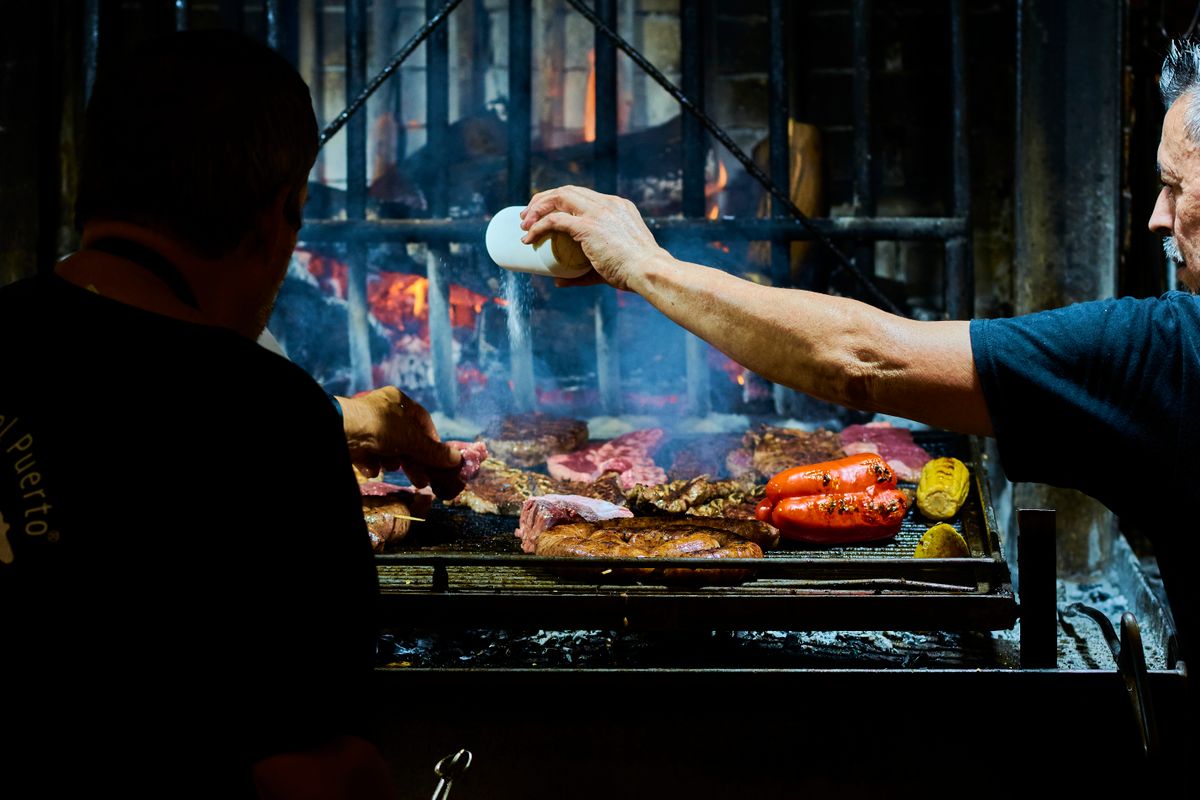
Santa Maria-style barbecue on California’s Central Coast centers on beef, especially tri-tip and top sirloin, seasoned with salt, pepper, and garlic and cooked over wood coals. Its live-fire approach differs from the enclosed, low-and-slow smoking many diners picture when they hear “barbecue.” That difference is precisely why it belongs in a regional guide. American barbecue becomes more interesting when the question changes from “Which sauce wins?” to “What are they cooking, how are they cooking it, and whose tradition does it carry?”
Other Posts You Might Like
- The 10 Best Skylines in the United States
- 10 Hidden Gem Cities in America You’ve Probably Overlooked
- Top 13 Tourist Attractions in the United States You Must Visit