A watermelon looks simple in the grocery cart until we get it home, cut it open, and realize we bought a pale, watery disappointment. That heavy green fruit can be summer’s best bargain or one of the most annoying wastes of money in the produce aisle. We should never treat watermelon like a blind grab-and-go purchase, because ripeness, season, size, variety, storage, and price all matter.
The biggest mistake many shoppers make is assuming every watermelon in the bin has the same flavor. Some are sweet, crisp, and juicy enough to become the star of a cookout, while others taste flat because they were picked too early, shipped too far, or stored too long. A good watermelon rewards careful shoppers, and a bad one punishes anyone who buys only by size or habit.
Shopping for watermelon is also more confusing than it used to be. We now see mini watermelons, seedless watermelons, old-school seeded varieties, yellow watermelons, orange-flesh varieties, and dark-skinned heirloom varieties sitting side by side in stores and farmers’ markets. Before we put one in the cart, we need to know what we are really buying.
Buying Watermelon Too Early in the Season

The first mistake is buying watermelon before the season has truly arrived. Grocery stores may carry watermelon almost all year, but year-round availability does not mean year-round quality. A melon that travels a long distance during the off-season often loses the fresh, sun-ripened character that makes watermelon worth buying in the first place.
We usually get the best results from late spring through summer, especially from the end of May into September. Peak flavor often arrives in July and August, when more domestic and regional watermelons reach stores, roadside stands, and farmers’ markets. During that window, the fruit is more likely to taste crisp, juicy, and sweet instead of bland and watery.
Buying too early can also mean paying more for less flavor. Early-season melons may cost more because supply is still building, and retailers often charge a premium before the main harvest hits full stride. If we want better value, we should treat early-season watermelon as a test buy, not the time to stock the fridge every week.
Ignoring the Yellow Field Spot
The yellow field spot is one of the most useful signs on a watermelon, yet many shoppers overlook it. This spot forms where the melon rested on the ground as it grew, away from direct sunlight. A deeper, creamy yellow or golden spot often indicates that the fruit had more time to mature before harvest.
A pale white or barely visible spot can be a warning sign. It may suggest the watermelon was picked before it developed full sweetness. Since watermelons do not continue ripening the same way bananas or peaches do after harvest, a weak field spot deserves attention.
We should not expect every good watermelon to look perfect, because nature rarely works that way. Still, a strong yellow field spot gives us a better clue than most viral produce tricks. When choosing between two similar melons, the one with the richer field spot usually deserves the cart space.
Trusting the Knocking Trick Too Much
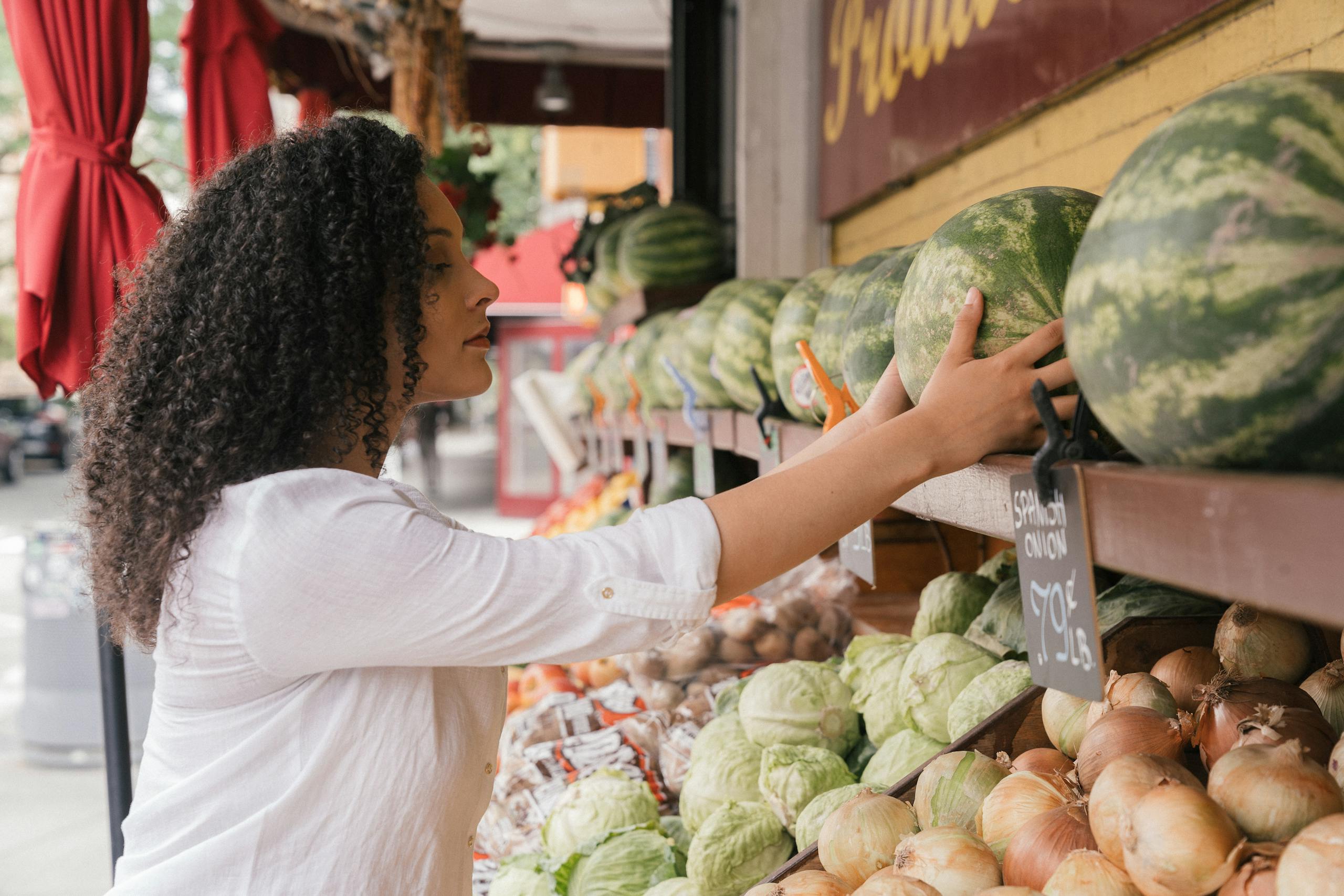
Many shoppers still thump watermelons and listen for a deep sound. The problem is that the knocking method can be unreliable if we do not know exactly what we are hearing. A hollow sound may suggest juiciness, but it does not guarantee sweetness, texture, or freshness.
The thump test also becomes less helpful in noisy stores. Grocery bins, metal carts, music, and other shoppers can make it hard to judge the sound clearly. We may feel confident in the moment, then cut into a melon that tastes no better than the one we ignored.
We should use sound only as a supporting clue, not the main decision-maker. A watermelon with a strong field spot, a heavy feel, a firm rind, and a fresh appearance usually gives us better odds. The best shopping strategy combines several signs instead of trusting one produce-aisle superstition.
Choosing the Biggest Watermelon Without Thinking
A huge watermelon looks impressive, especially before a party or family cookout. Bigger does not always mean better, though. If we cannot finish the fruit before it loses freshness, the large melon becomes a waste problem.
A full-size watermelon works well for families, gatherings, and meal prep. It can give us better value per pound than mini varieties, especially during peak season. The problem starts when we buy one because it looks like a bargain, then throw away half of it after it sits in the refrigerator too long.
We should match the size to our household, not our imagination. For one or two people, a mini watermelon may cost more per pound but save money if it prevents waste. For a large group, a full-size melon is usually the smarter choice because it gives more servings for the price.
Assuming Mini Watermelons Are Always a Better Deal

Mini watermelons are convenient, cute, and easy to fit in the refrigerator. They are often the right choice for small households, apartment kitchens, dorm rooms, and anyone who wants fresh watermelon without wrestling a giant fruit onto the counter. Still, convenience usually comes with a higher price.
We should compare the cost of mini watermelons to that of full-size melons before assuming they are a bargain. A small melon may cost nearly as much as a large one during some weeks, even though it provides far less fruit. That does not make it a bad purchase, but it does make it a choice we should make deliberately.
Mini watermelons make the most sense when we value freshness over volume. If a household regularly wastes large melons, the smaller one may be the wiser buy. If we are feeding several people, the full-size melon usually wins.
Confusing Seedless Watermelon With Better Watermelon
Seedless watermelon dominates many grocery stores because it is convenient. Most people do not want to spit out black seeds at the table, especially when serving children or preparing fruit trays. Still, seedless does not automatically mean sweeter, fresher, or higher quality.
Some watermelon fans prefer seeded varieties because they believe the flavor is richer and more traditional. Seeded watermelons can be harder to find, especially outside the peak summer window, but they are worth watching for at farmers’ markets and stores that carry local produce. They often appear in summer when regional growers have more variety available.
We should read the sticker or bin label carefully. Shape alone does not always reveal whether a watermelon is seeded or seedless. Some seeded melons look longer, but that is not a dependable rule, so the label matters more than guesswork.
Overlooking Yellow and Orange Watermelons

Red watermelon is the standard, but it is not the only option worth buying. Yellow and orange watermelons can be wonderfully sweet, mild, and refreshing. Their flavor is often softer and less sharp than the classic red type, which can make them especially appealing in fruit salads and summer desserts.
The challenge is that yellow and orange watermelons often look similar to regular watermelons from the outside. We cannot always identify the flesh color unless the label tells us. That means we should pay close attention to store signs, produce stickers, and variety names.
These melons are also useful when we want a more interesting table presentation. A tray with red, yellow, and orange watermelon instantly looks brighter and more thoughtful. We should not skip them just because they look unfamiliar.
Missing Dark-Skinned Heirloom Varieties
Some shoppers walk past dark-skinned watermelons because they lack the bright, striped look we expect. That can be a mistake. Varieties such as Black Diamond are known for their deep green to nearly black rind and rich red flesh inside.
These watermelons are more likely to appear during the peak local season. We may see them at farmers’ markets, roadside produce stands, or grocery stores that support regional growers. They are not as common as standard seedless melons, which makes them easy to miss if we only shop the most familiar bin.
A dark-skinned watermelon should still be judged by the same quality clues. We should look for weight, firmness, a healthy rind, and a good field spot. The unusual exterior should make us curious, not cautious.
Ignoring Rind Damage and Soft Spots
A watermelon rind should look firm, sturdy, and healthy. Scratches are usually harmless, but deep cuts, bruises, cracks, leaking juice, or soft areas are warning signs. Once the rind is damaged, the fruit may spoil faster or have a poor texture inside.
We should especially avoid melons with sunken patches or wet spots. These can signal internal breakdown, rough handling, or age. A watermelon is heavy and tough, but it is not invincible.
A dry stem area is not always a problem, and cosmetic marks do not automatically ruin the fruit. Still, the rind should give us confidence. If the melon looks beaten up, we should leave it behind and choose one that looks fresher.
Buying Only by Store Price
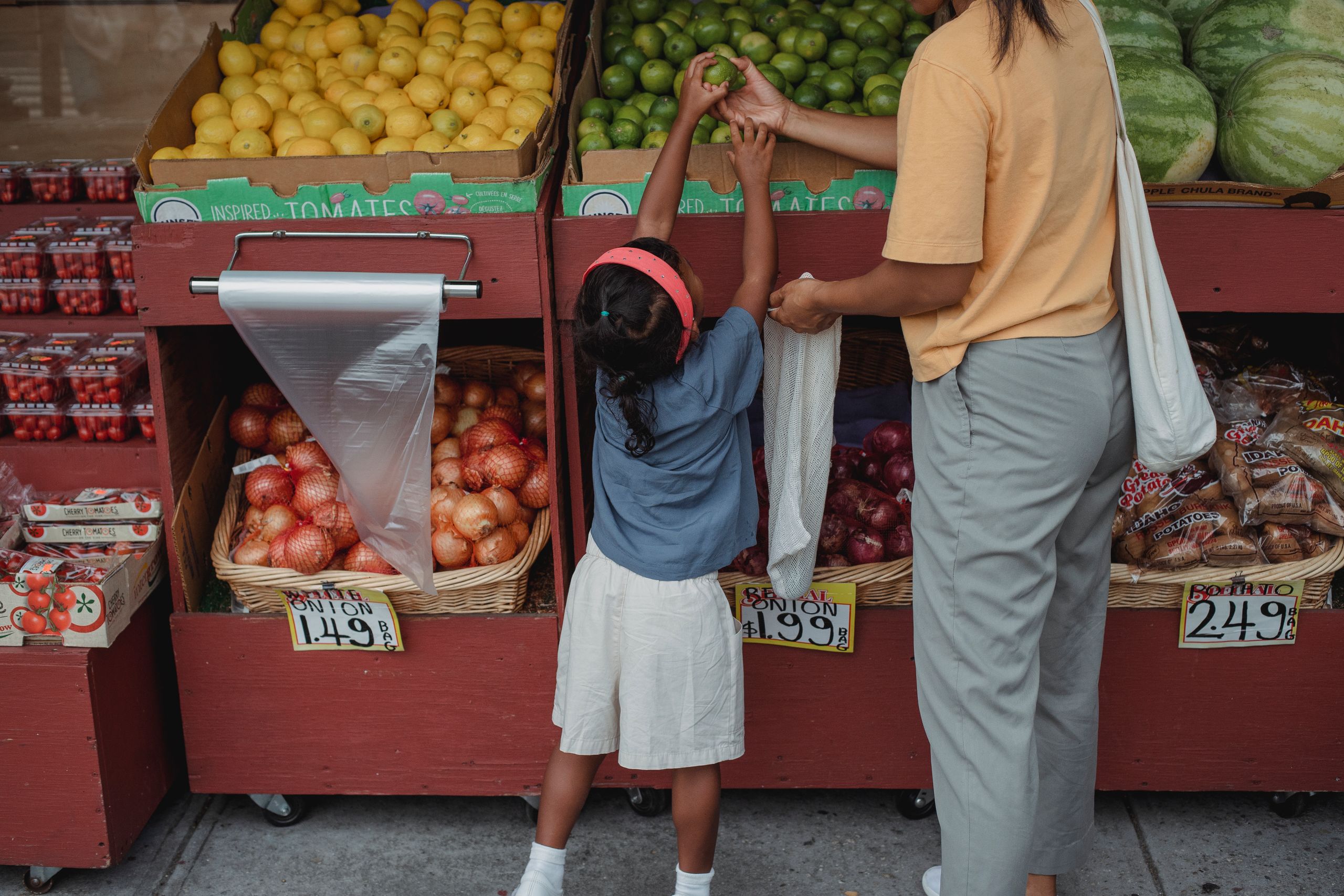
Watermelon prices can vary widely by store, region, size, season, and weekly promotion. A mini watermelon on sale may be a smart grab one week, while a full-size seedless melon may be the better value the next. Shoppers who buy only from one store may miss a better deal nearby.
We should compare the price with the purpose. A low price means little if the watermelon is underripe or too large for our household to finish. A slightly more expensive melon from a local stand may taste better and create less waste than a cheap off-season option.
The best value is not always the lowest sticker price. True value means good flavor, realistic size, and enough freshness to finish the fruit. A watermelon that gets eaten completely is cheaper than a bargain melon that ends up in the trash.
Storing Watermelon the Wrong Way After Buying
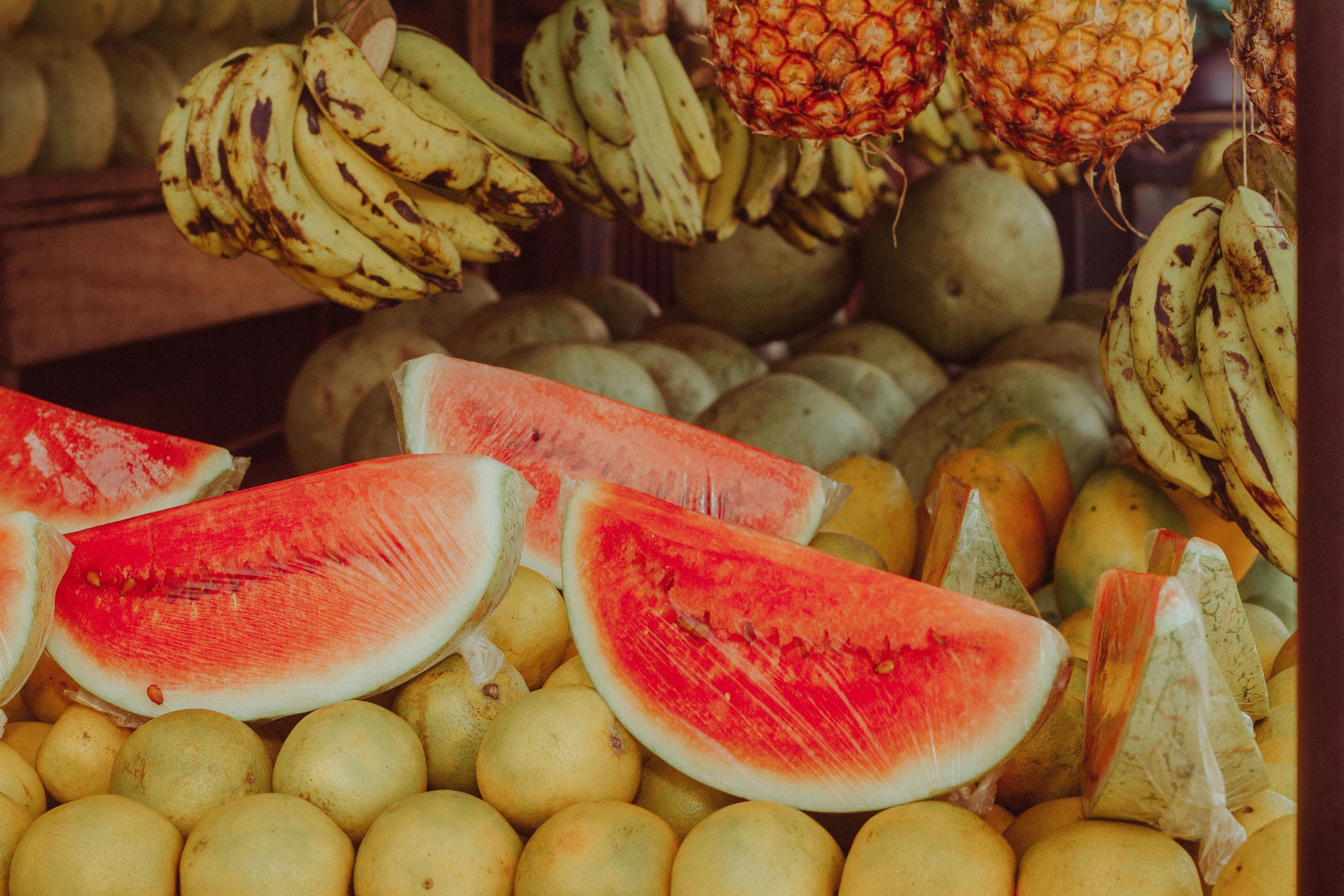
Choosing a good watermelon is only half the job. Once we bring it home, poor storage can ruin the eating experience. A whole watermelon can sit at room temperature for a short period, but cut watermelon needs refrigeration.
After slicing, we should store watermelon in a covered container or wrap it tightly. Cut pieces dry out quickly in the fridge if exposed to air, and they can absorb odors from nearby foods. Clean storage keeps the texture fresher and the flavor cleaner.
We should also avoid cutting more than we need at once. A whole watermelon holds its quality better than a bowl of exposed cubes. For the best taste, we should cut smaller portions more often instead of slicing the whole melon days before serving.
Watermelon Buying Guide for Better Grocery Decisions
The best watermelon strategy is simple, but it requires attention. We should buy during the stronger part of the season, choose a size that matches our household, check the field spot, compare weight, inspect the rind, and read the variety label. Those steps protect both flavor and budget.
We should also be honest about how we eat watermelon. A large family may need a full-size seedless melon every week in July. A single shopper may be better off with a mini watermelon, even at a higher per-pound price, because less food goes to waste.
Watermelon is one of the most rewarding fruits to buy when we choose carefully. It can stretch across snacks, salads, smoothies, cookouts, lunchboxes, and desserts. But the fruit only feels like a bargain when we bring home one worth eating.
Final Takeaway
A watermelon should earn its place in the grocery cart. We do not need complicated tricks, but we do need better habits than grabbing the first round of fruit in the bin. Season, field spot, weight, rind quality, variety, and size all tell us something important before we spend money.
The smartest watermelon shoppers are not chasing perfection. They are reducing risk. When we slow down for thirty seconds in the produce aisle, we give ourselves a much better chance of bringing home the sweet, crisp, juicy melon everyone actually wants to eat.