Wisconsin began enforcing new FoodShare eligibility limits Tuesday, cutting off many refugees, asylees and other legally present immigrants from food assistance they previously could receive.
The change took effect July 1 and is expected to affect thousands of people across the state, with the Milwaukee area facing the largest impact. State health officials estimate 7,200 Wisconsin residents are expected to lose FoodShare, Medicaid, or both under the new federal rules.
FoodShare Cuts Begin Statewide
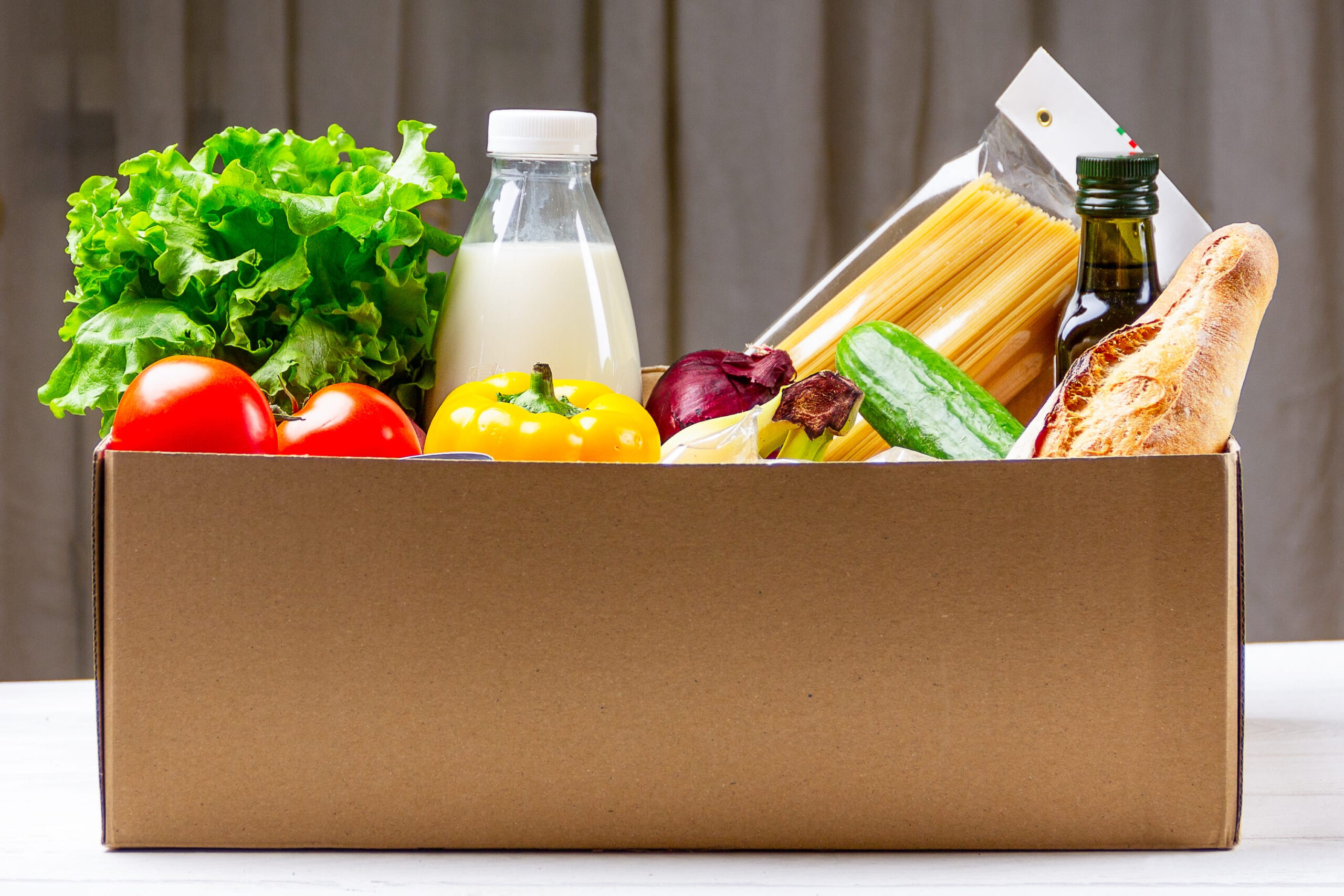
FoodShare is Wisconsin’s version of the federal Supplemental Nutrition Assistance Program, which helps low-income households buy groceries. The program is federally funded but administered by the state.
The Wisconsin Department of Health Services began applying the new rules to new FoodShare applications filed on or after July 1. Current recipients may lose eligibility at their next renewal, or earlier if their immigration status must be reviewed due to another change in their case.
The state’s implementation memo says FoodShare rules took effect for new applications on July 1. The same guidance says households already receiving benefits will be reviewed under the new criteria at renewal.
The revised rules narrow eligibility to U.S. citizens, U.S. nationals, lawful permanent residents, Amerasians, Cuban and Haitian entrants, and citizens of Compact of Free Association nations. That leaves out several humanitarian immigration categories that previously qualified.
Refugees Among Newly Excluded Groups
The groups losing access include refugees, asylees, certain trafficking victims, people paroled into the U.S. for at least one year, VAWA self-petitioners, conditional entrants, and some people granted withholding of removal.
Those categories include people legally present in the United States. Many have work authorization, children in local schools, and pending immigration cases. Legal presence alone no longer guarantees access to FoodShare.
The change comes from federal benefit limits tied to the 2025 budget reconciliation law. The state’s partner guidance says federal law directly affects Wisconsin’s Medicaid and FoodShare programs.
The cutoff does not affect every immigrant household the same way. A lawful permanent resident may remain eligible. A refugee without a green card may not. A U.S. citizen child may still qualify even if a parent loses eligibility.
Milwaukee Area Faces Sharpest Impact
The greatest pressure is expected in southeastern Wisconsin. Nearly two-thirds of affected residents live in the greater Milwaukee area, where refugee resettlement agencies, food pantries, and clinics already serve large immigrant communities.
Local food providers have been preparing for higher demand. One Milwaukee-based food bank official said affected residents would turn to pantries designed to provide supplemental help, not to replace grocery benefits in the long term.
That distinction matters. FoodShare gives families monthly purchasing power at grocery stores and markets. Pantries depend on donations, staffing, storage, and available supplies.
A family that loses FoodShare may not be able to replace the full value of those benefits through emergency food boxes. Families with dietary restrictions, medical needs, or religious food requirements may face additional challenges.
Medicaid Changes Start Oct. 1
The FoodShare cutoff is only the first stage. Medicaid eligibility changes are scheduled to begin Oct. 1 for many of the same noncitizen groups.
Medicaid coverage is harder to replace than food aid. Free clinics and emergency programs can help some patients, but they do not provide the same ongoing coverage as Medicaid.
State guidance indicates that some people without qualifying immigration status may still be eligible for limited emergency medical coverage. Pregnant people may also qualify for prenatal coverage, and children may have separate eligibility depending on status and program rules.
The state’s public health guidance states that emergency coverage may apply in the event of a serious medical emergency. It does not function as regular health insurance for routine care, chronic illness, or preventive treatment.
That gap could affect people managing diabetes, asthma, pregnancy, mental health needs, or other conditions that require regular care. Delayed treatment can increase costs for families, clinics, and hospitals.
Green Card Delays Add Pressure
Some refugees and asylees could regain eligibility if they become lawful permanent residents. But that path can take time.
Refugees typically become eligible to apply for green cards after one year in the United States. Processing delays, documentation problems, and federal restrictions can leave families waiting while benefit eligibility changes around them.
That creates a difficult position for recent arrivals. They may be legally present and working toward permanent residency, yet still lose access to food or health benefits before their immigration cases advance.
Refugee-service organizations have been contacting affected families to explain the changes. Language access is a major concern because benefit letters and renewal notices can be difficult to understand without translation or assistance from a caseworker.
Mixed-Status Families Still Should Apply
Families should not assume everyone in a household loses eligibility. A parent may no longer qualify, but a child may still receive benefits.
In mixed-status households, eligible members can still apply for assistance. U.S. citizen children may continue to qualify for FoodShare or health coverage even when parents do not.
State guidance also says ineligible noncitizens living with eligible household members may still have part of their income and expenses counted in the household calculation. That can affect the final benefit amount.
Families should keep immigration papers, benefit notices, and renewal letters organized. Any change in immigration status, including lawful permanent residency or citizenship, should be reported to the local agency.
Food Pantries Prepare for More Demand
The benefit cuts arrive as Wisconsin’s food assistance system faces other changes. FoodShare has already been under pressure from work-rule changes, administrative costs, and rising demand at local hunger programs.
Starting Oct. 1, Wisconsin is expected to pay a larger share of FoodShare administrative costs. One statewide hunger group said Wisconsin will pay 75% of administrative costs under the new cost-sharing structure.
That shift could add pressure to county agencies and state benefit systems that must process renewals, notices, and appeals. It also comes as families losing eligibility seek help from nonprofit providers.
For children, summer meal programs may offer limited support while school is out. But those programs do not replace household grocery benefits, and they do not cover adults.
State Notices Continue Through Renewals
The latest status is immediate for new FoodShare applicants. Anyone applying on or after July 1 is now screened under the narrowed federal rules.
Current FoodShare recipients will face the new criteria at renewal or when their status must be reviewed. Medicaid changes are scheduled to begin Oct. 1.
The Wisconsin Department of Health Services is expected to continue sending notices to affected members. Families who believe they remain eligible can seek a review through local income maintenance agencies, health care navigators, legal aid groups, or refugee service organizations.
For now, the policy has moved from planning to enforcement. FoodShare cuts have started. Medicaid changes are next. Thousands of Wisconsin residents must now determine whether anyone in their household still qualifies.