State humanities councils and local historical groups are cutting back America 250 events after federal funding disruptions left small museums, libraries and historical societies without expected support for the nation’s 250th anniversary.
The funding fight involves President Donald Trump’s administration, DOGE, the National Endowment for the Humanities and state humanities councils across the country. The cuts are affecting community events planned for 2026, even as a major federal celebration continues on the National Mall in Washington, D.C.
Local Groups Cut Events

Local groups had planned exhibits, oral history projects, public talks, history trails, school programs, and civic events tied to the July 4, 2026, anniversary of the Declaration of Independence. Many projects were designed for small towns with limited cultural budgets.
Some of those plans are now smaller or canceled. In Ohio, the Trumbull County Historical Society scaled back a “passport” program that encouraged residents to visit local historic sites because it could not afford to print more materials.
The funding disruption affected small-town anniversary projects in several states, including Ohio, West Virginia, Alabama, and Washington. Local leaders said the loss landed hardest on groups without large donors or major institutional support.
Humanities Councils Face Pressure
State humanities councils often serve as the link between federal cultural funding and local organizations. They support public history work, library programs, museum events, reading projects, and community education.
The network includes 56 state humanities councils across states and jurisdictions. Those councils received notices in April 2025 that open National Endowment for the Humanities grants had been terminated immediately.
The Federation of State Humanities Councils and Oregon Humanities later sued the NEH and DOGE. The lawsuit challenges the grant terminations and seeks restoration of funding that Congress directed toward humanities work.
Council leaders say emergency support helped some organizations remain open. They also say private aid cannot replace the federal funding structure that supports public humanities programs across the country.
Red States Feel Impact
The cuts have created political friction because several affected communities are in Republican-leaning states. Some of the same areas that supported Trump are now seeing local America 250 plans reduced.
West Virginia offers a clear example. Much of the state’s cultural work depends on small museums, regional centers, county historical groups and local associations. Those groups often operate with limited staff and modest budgets.
When federal humanities funding stops, local groups can lose exhibits, speakers, printing funds, archival work, and school programming. In some counties, those programs are the main public connection to local history.
That makes the cuts different from ordinary budget delays. The losses affect how communities participate in the anniversary and how residents see their own place in the national story.
Congress Approved Funding
The dispute has moved into a legal and constitutional fight over federal spending. Humanities groups argue that the administration cannot withhold or cancel money Congress approved for a congressionally created program.
Congress funded state humanities councils at normal levels for fiscal 2026. Council leaders said less than half of that money had been distributed by June, with warnings that the remaining funds may not arrive.
The legal challenge argues that grant terminations violated federal law and separation-of-powers principles. The case asks a federal court to restore funding and require agencies to follow congressional appropriations.
The administration has pursued broad spending cuts through DOGE since 2025. Humanities organizations say the NEH cuts were abrupt and caused immediate harm to local public programs.
National Fair Moves Ahead
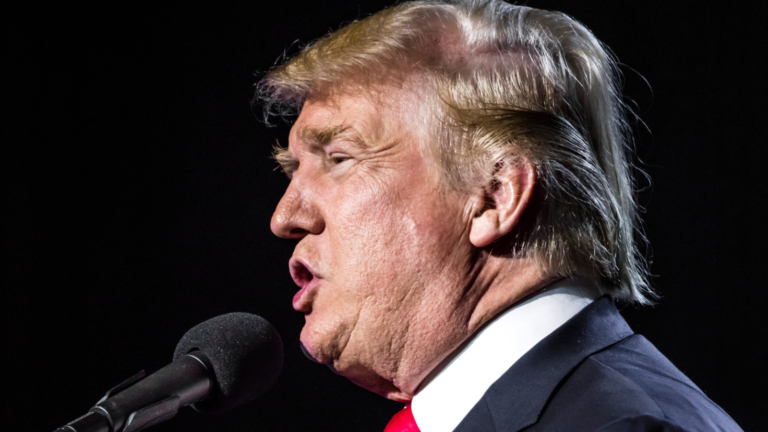
The local cuts stand in sharp contrast to a large national event in Washington. Trump opened the Great American State Fair on June 24 as part of the country’s 250th anniversary celebration.
The fair is scheduled to run from June 25 through July 10 on the National Mall. It includes state-themed exhibits, patriotic displays, food vendors, entertainment, and family attractions.
The 16-day National Mall celebration has also faced criticism over political messaging. Several Democratic-led states declined to participate, citing cost concerns and discomfort with the event’s tone.
Some performers withdrew before the event opened. Trump replaced parts of the entertainment lineup with a rally-style launch that featured patriotic imagery and political remarks.
America 250 Was Built Nationally
The semiquincentennial was not intended to be limited to Washington. Congress created the U.S. Semiquincentennial Commission in 2016 to lead the nationwide commemoration of the 250th anniversary.
The commission’s stated goal is to involve Americans across states, territories and communities. Its official commission work includes planning for a broad anniversary tied to the signing of the Declaration of Independence.
That goal depends on local participation. A national ceremony can draw cameras, but community history programs bring the anniversary into libraries, schools, museums, and town halls.
For many local groups, America 250 was a chance to connect national history with county records, family stories, military service, civil rights history, immigration, labor, faith communities, and local landmarks.
Local History Programs Wait
The latest status leaves America 250 moving on two tracks. Federal celebration events continue in Washington, while many local humanities groups wait for funding decisions, court action, or alternative support.
The Great American State Fair remains scheduled through July 10. State humanities councils continue to press for the release of congressionally approved money and restoration of terminated grants.
Local organizations say the outcome will determine how much community programming can still happen before the anniversary year ends. Without new funding, some events will stay limited, and others will not return to the calendar.