New Mexico Gov. Michelle Lujan Grisham said Monday that the state may pursue billions of dollars in civil damages over allegations that federal drug agents monitored fentanyl shipments but did not seize them before they reached communities.
The governor spoke June 29 in Albuquerque alongside state and local officials, including Albuquerque Mayor Tim Keller. She said New Mexico would press the White House and Congress for answers after DEA agents allegedly monitored fentanyl shipments between 2023 and 2025 without immediately intercepting them.
Governor Targets Federal Response
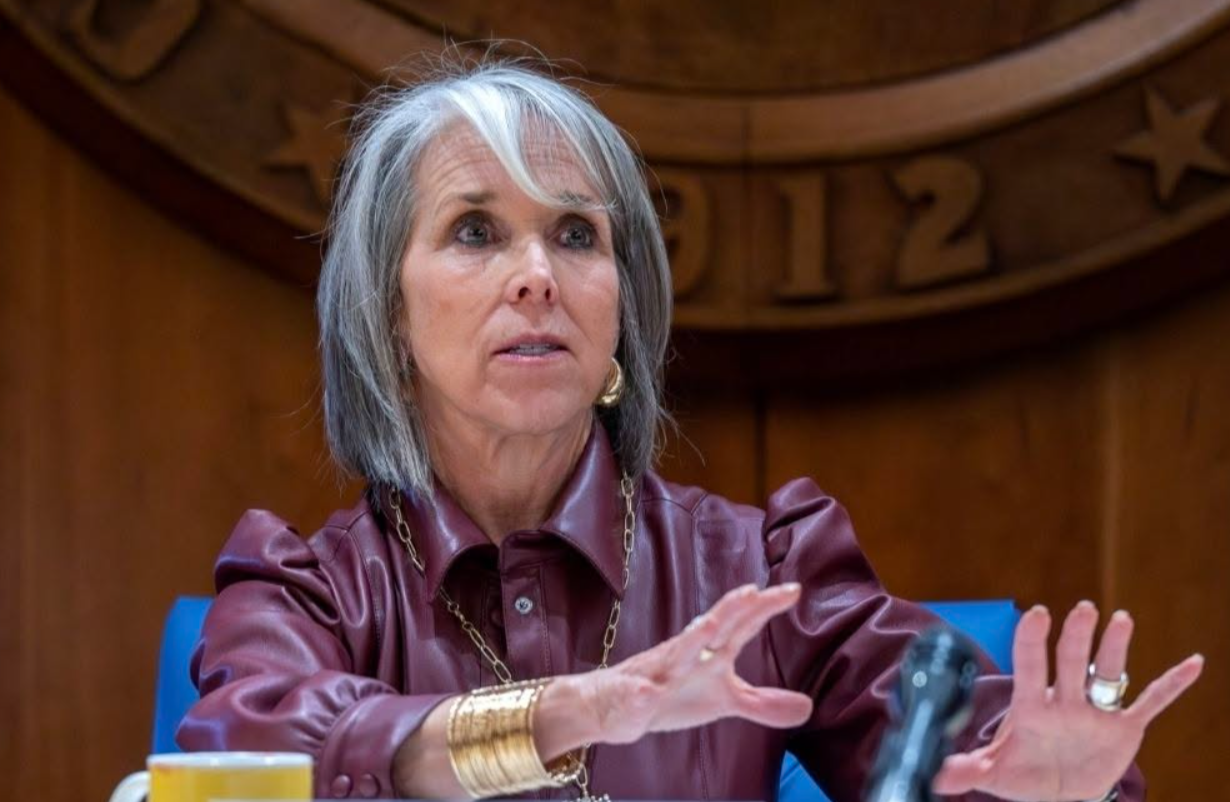
Lujan Grisham called the alleged conduct a failure by the federal government and said the state could seek major compensation for public safety costs. She said New Mexico wants assurances that the strategy has stopped and is not being used in other states.
The governor said the damage could stretch far beyond seized drugs. State officials cited overdose response, emergency services, law enforcement costs, addiction treatment, and pressure on local communities.
No civil lawsuit has been filed publicly. State officials said they are still reviewing legal options and the scale of potential damages.
State Investigation Is Underway
New Mexico Attorney General Raúl Torrez has opened an investigation into whether federal agents violated state law. His office said it would seek documents from the federal government and review whether the alleged actions show a broader pattern.
The attorney general’s office said the inquiry could examine criminal, civil and structural remedies. It said federal agents are not immune from review if their decisions may have exposed residents to harm.
Torrez began the probe after the governor requested state action. Her office said Torrez opened a probe into the allegations and demanded federal accountability.
Allegations Focus on Unseized Pills
The allegations center on a law enforcement tactic in which agents allegedly allowed suspected fentanyl shipments to continue moving while they tried to build cases against higher-level traffickers.
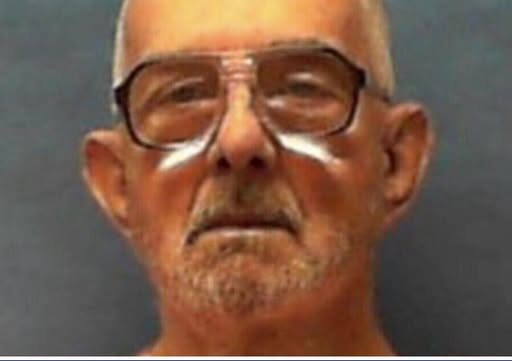
Whistleblower David Howell, a DEA special agent, said he raised concerns internally in 2023. He alleged that shipments were watched but not seized even as fentanyl deaths continued to rise in New Mexico.
One reported shipment involved 74,000 pills delivered to a mobile home park in Albuquerque. Another involved 1.8 million pills that agents allegedly knew about but did not intercept in March 2025.
The claims have not been proven in court. No official finding has linked a specific fatal overdose in New Mexico directly to the alleged DEA strategy.
DEA Seeks Inspector Review

DEA Administrator Terry Cole has asked the Justice Department inspector general to examine the allegations. The request means an independent federal watchdog will review decisions, oversight, and internal handling of the complaints.
The agency has disputed accounts suggesting it knowingly put communities at risk. Federal officials have argued that drug investigations often target broader trafficking networks, not just individual shipments.
That defense has not satisfied New Mexico leaders. They argue fentanyl’s lethality makes delayed seizure far more dangerous than ordinary narcotics operations.
The DEA’s own public messaging has warned that a small dose can be deadly. Its national campaign says counterfeit pills may look like prescription drugs while containing lethal amounts of fentanyl.
Overdose Trend Adds Pressure
The allegations have gained force because New Mexico’s overdose trend worsened while national numbers improved. Federal data released in May showed overdose deaths fell nationally in 2025 compared with the previous year.
New Mexico moved in the opposite direction. The state was among the places where overdose deaths increased by more than 10%, making the alleged DEA conduct more difficult for state officials to accept.
Lujan Grisham has said the state repeatedly asked for more federal support to fight fentanyl. Her office said the administration had declared a public health emergency and deployed the National Guard to Albuquerque and Española.
The governor’s office also cited a June 24 statement saying fentanyl pills entered communities despite the drug’s known danger.
Albuquerque Cites Local Strain
Keller said fentanyl remains Albuquerque’s top public safety challenge. He connected the drug crisis to crime, homelessness, and strain on the health care system.
Local officials said fentanyl affects nearly every part of city government. Emergency responders answer overdose calls. Police investigate drug activity. Courts handle related cases. Hospitals treat victims. Social service agencies deal with the fallout.
Those costs could matter if New Mexico pursues civil damages. The state would likely need to show measurable harm tied to federal decisions.
Political Blame Crosses Administrations
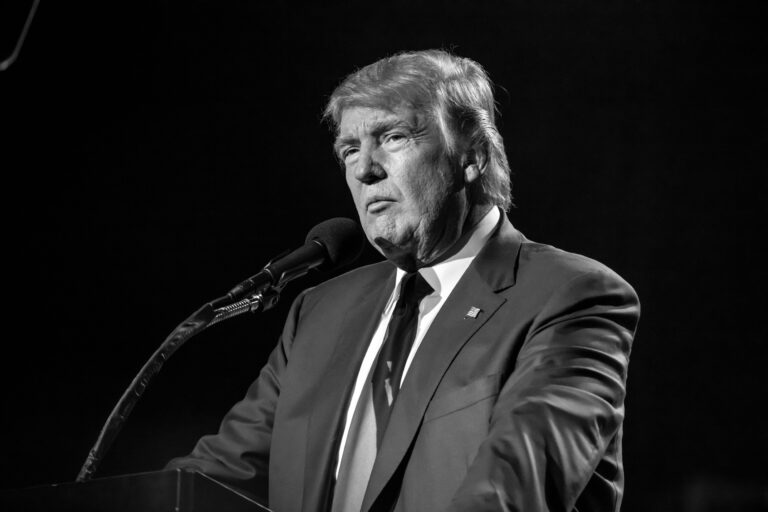
The allegations have triggered competing political responses in Washington. President Donald Trump shared a post tying the controversy to Biden-era Justice Department policies.
The timeline is broader. Howell first raised concerns in 2023, during the Biden administration. The largest shipment cited in the allegations occurred in March 2025, after Trump had returned to office.
Lujan Grisham has criticized both administrations. She said New Mexico’s fentanyl crisis should not be treated as a partisan issue when families and local governments are carrying the damage.
Records May Decide Legal Path
The state’s next steps will depend on records, witness accounts and federal findings. Torrez’s office is seeking documents, while the Justice Department inspector general reviews DEA conduct.
Any civil claim would face a difficult causation test. New Mexico would need to connect alleged federal decisions to specific public costs or legally recognized harm.
For now, state officials say they will continue pressing for records and potential restitution. No federal charges have been announced, and no public court filing has named DEA agents as defendants.