Travel in the United States is no longer predictable. Once affordable weekend escapes and road trips are now hit or miss, depending on where you go. Rising hotel rates, inflated gasoline prices, crowded tourist hubs, and higher restaurant bills are creating sharp divides between states. Some regions demand near-luxury budgets for basic trips, while others still offer value for money. For travelers in 2026, it is no longer enough to plan where you want to go; you have to plan around the cost.
The stark reality is that many of America’s most popular destinations are now punishingly expensive. From California’s coast to Hawaii’s tropical islands, even a simple weekend getaway can burn through hundreds of dollars in fuel, lodging, and meals. Families, solo travelers, and road trippers are all feeling the pinch. Meanwhile, some hidden corners of the country remain surprisingly accessible, rewarding those willing to explore off the beaten path.
California Hits Your Wallet
California has always carried a premium for its scenery, cities, and coastline, but prices have surged even higher. Gasoline and hotel rates are extreme, theme parks and restaurants charge more than ever, and weekend trips anywhere near the coast can break a budget in days. Even inland destinations like Napa or San Diego are no longer cheap alternatives. For most travelers, the Golden State is now a luxury destination disguised as a road trip.

Hawaii Is Beyond Reach
Hawaii remains the dream vacation for many, but it comes at a staggering price. Airfare, rental cars, hotels, and meals have climbed so high that a short trip feels like a major investment. Even gas is expensive, and eating out in tourist areas can turn a simple day on the beach into a costly affair. Travelers need to be creative with rentals or less-visited islands to avoid draining their finances entirely.
Washington Feels Every Penny
Washington state’s natural beauty comes at a cost. Gas prices are among the highest in the nation, and weekends in Seattle or popular mountain towns spike hotel and ferry costs. Visitors who want to see the Olympic Peninsula or Cascade Mountains may find themselves paying far more than expected, especially in peak season. Budget travelers must seek out off-peak periods or smaller towns to avoid financial strain.

Oregon’s Scenic Shock
Portland, Bend, and the Oregon Coast attract crowds, and that popularity has consequences. Hotel prices skyrocket in summer, and high fuel costs add another layer of expense. Even a short trip can be a challenge for those trying to travel responsibly on a budget. The state offers beautiful parks and outdoor activities, but the cost of staying near major attractions is forcing many travelers to compromise on comfort or location.
Colorado’s Mountain Trap
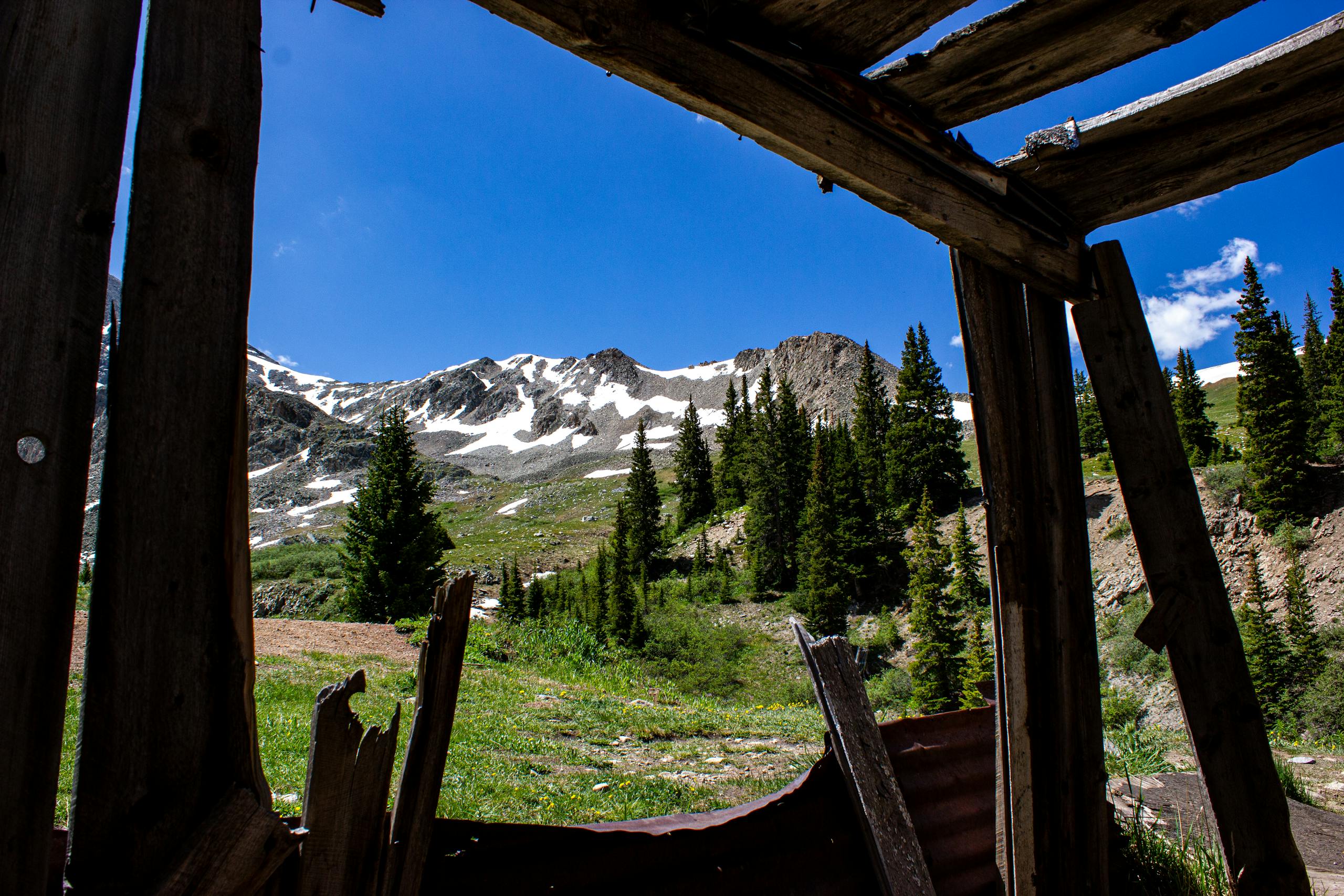
Colorado’s ski towns and mountain escapes are as alluring as ever, but they now carry hefty price tags. Lodging, food, and transport costs are elevated during peak seasons, making even a quick getaway feel extravagant. While the Rockies’ beauty is undeniable, it comes with a price that many casual travelers are unprepared for. Off-season trips may help, but the allure of winter sports and summer hikes keeps demand high.
South Carolina Beaches Are Pricey
The classic Southern coastline has become expensive, too. Charleston, Hilton Head, and Myrtle Beach demand premium rates for accommodations and dining, particularly in peak season. Vacationers looking for scenic coastal fun may need to choose between crowded luxury towns and smaller, less-developed areas that offer better value. What was once affordable family beach travel is now a calculated financial decision.
Affordable Options Still Exist
Not every state is crushing travelers’ budgets. Places like West Virginia, Arkansas, Ohio, Missouri, and New Mexico remain relatively affordable. These states offer natural beauty, cultural experiences, and recreational opportunities without sky-high lodging or fuel costs. Great Lakes beaches, Ozark cabins, and desert landscapes provide memorable escapes that are easier on the wallet. For travelers willing to venture off the popular routes, value still exists, even in 2026.

What Travelers Need to Know
The divide between expensive and affordable travel in the U.S. is sharper than ever. Popular destinations demand more cash than ever before, while lesser-known states offer hidden gems without crushing budgets. Road trippers, families, and solo travelers need to carefully plan when and where they go, consider off-peak travel, and seek alternative lodging and activities. Ignoring costs in the current landscape can quickly turn a simple trip into a financial headache.
The message is clear: traveling in America now requires strategy. High-demand states are no longer casual escapes; they are premium experiences with price tags to match. Meanwhile, affordable alternatives await those who know where to look. For 2026, travel is about choosing wisely, not just choosing where.