A shower might seem like the simplest part of your daily routine. Turn on the water, grab your soap, wash up, and get on with your day. But some everyday shower habits can cause more problems than you might expect.
From using water that is too hot to leaving your contact lenses in while bathing, small mistakes can affect your skin, increase the risk of infections, or even create serious safety hazards. Some habits are so common that people rarely stop to question them.
The good news is that most of these problems are easy to avoid with a few simple changes. Here are 10 things you should probably never do in the shower.
Taking Extremely Hot, Long Showers
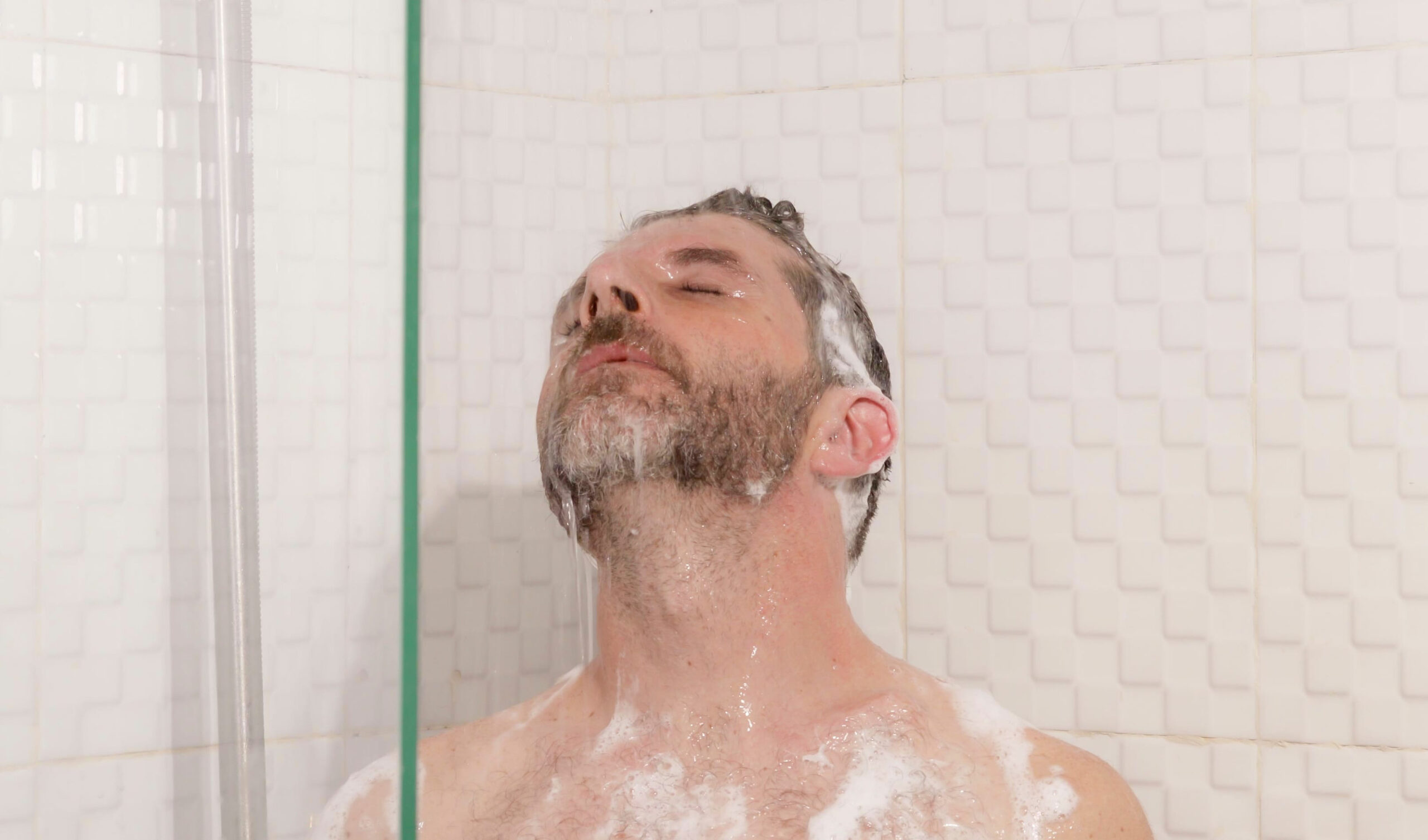
There is something comforting about standing under hot water, especially on a cold morning. However, turning the temperature all the way up and staying there for 20 or 30 minutes may not be doing your skin any favors.
Hot water can strip away the natural oils that help protect your skin. Combined with prolonged exposure, this can leave your skin feeling dry, itchy, tight, or irritated.
The American Academy of Dermatology recommends keeping showers around five to 10 minutes and using warm rather than hot water when managing dry skin.
Extremely hot tap water also creates a scalding risk. According to the Consumer Product Safety Commission, water at 150°F can cause third-degree burns in approximately two seconds.
Try keeping the water comfortably warm instead. When you finish, gently pat your skin dry and apply a fragrance-free moisturizer while your skin is still slightly damp.
Wearing Contact Lenses in the Shower
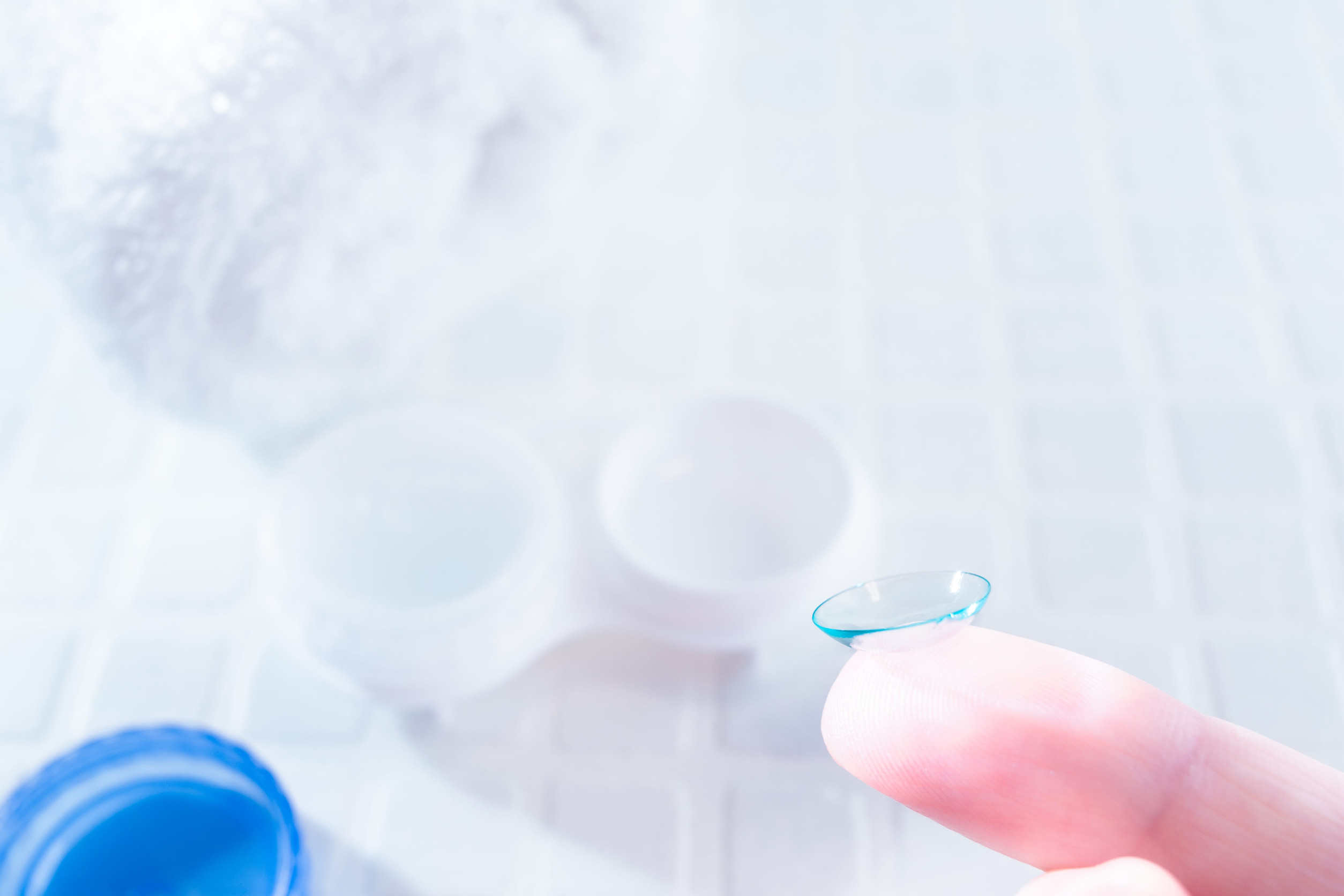
If you wear contact lenses, remember to take them out before stepping into the shower. It might seem harmless to leave them in for a few minutes, but tap water and contact lenses are not a good combination.
Tap water is not sterile. It can contain microorganisms that may attach to contact lenses and potentially cause serious eye infections. Water can also change the shape of soft contact lenses, making them swell or stick to the surface of your eye.
One particularly concerning infection is Acanthamoeba keratitis, a rare but potentially severe condition that can damage the cornea and threaten vision.
The Centers for Disease Control and Prevention recommends removing contact lenses before showering or swimming.
Make it a habit to remove your lenses before bathing. If water accidentally gets onto them, remove them as soon as possible and follow proper cleaning and disinfection instructions before wearing them again.
Showering During a Thunderstorm
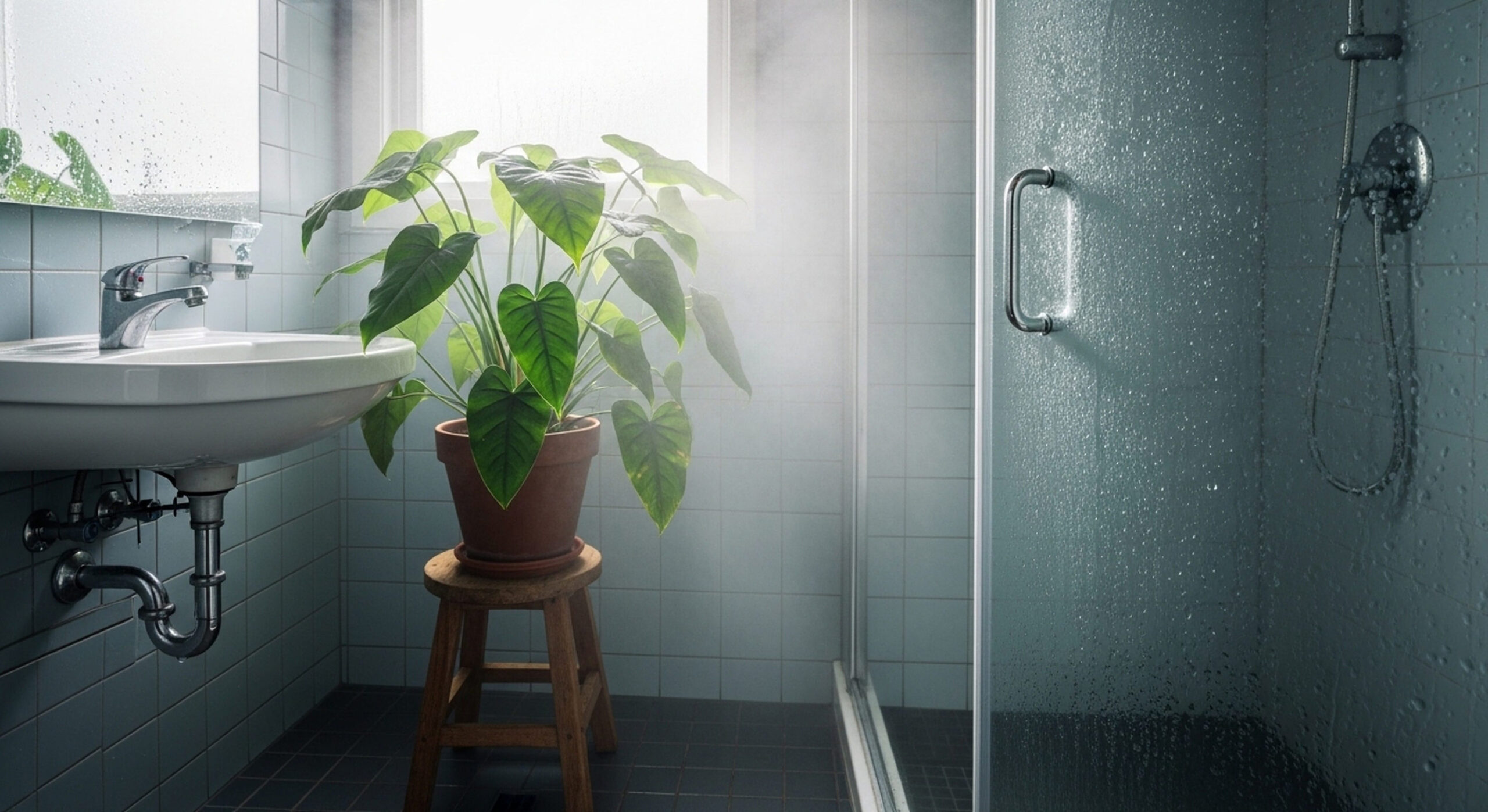
You might assume that being inside your house makes showering during a thunderstorm completely safe. Unfortunately, that is not necessarily true.
Lightning can enter a building through plumbing, electrical wiring, or other connected systems. Since showering involves direct contact with running water and plumbing, it creates an unnecessary risk.
The CDC and National Weather Service advise people to avoid showering, bathing, washing dishes, or using other plumbing during thunderstorms.
Plastic pipes do not make the risk disappear, either. Although they may reduce the likelihood of electricity traveling through plumbing compared with metal pipes, they are not a guarantee of safety.
If you hear thunder, postpone your shower. The National Weather Service recommends waiting at least 30 minutes after the last rumble of thunder before resuming normal outdoor activities and plumbing-related activities.
Relying on a Towel Rack for Support
A slippery shower floor can quickly turn an ordinary morning into an unpleasant accident. One mistake people make is reaching for a towel rack when they lose their balance.
The problem is that ordinary towel racks are designed to hold towels, not support someone’s body weight. Pulling on one during a fall could cause it to detach from the wall, leaving you with even less support.
Bathroom falls are a documented safety concern. A CDC study estimated that 234,094 nonfatal bathroom injuries among Americans aged 15 and older were treated in emergency departments in 2008. Falls accounted for 81.1% of those injuries.
Instead of relying on towel racks, consider installing properly secured grab bars near the shower. Nonslip mats or strips can also improve traction, while a shower seat may help people who have difficulty standing for extended periods.
Bringing Plugged-In Electrical Appliances Near Water
Using a hair dryer or another electrical appliance while standing in the shower is an obvious mistake. However, some people forget that leaving a plugged-in appliance close to the shower can also create a serious hazard.
An appliance does not necessarily become safe just because its power switch is turned off. If it remains plugged in and falls into water, it can still cause an electric shock.
The Consumer Product Safety Commission warns about this danger, particularly with hair dryers and other electrical appliances used near bathtubs and water.
Keep mains-powered grooming appliances away from the shower area. Use them only in dry locations, and unplug them after use.
If an electrical appliance falls into water, never reach in to retrieve it while it remains connected to power. Disconnect the electricity safely first.
Mixing Different Bathroom Cleaning Products
Trying to make your shower extra clean can become dangerous when you start combining cleaning products.
For example, mixing bleach with vinegar or other acidic cleaners can release chlorine gas. Combining bleach with ammonia-containing products can produce chloramine gases.
These fumes can irritate your eyes and respiratory system. Depending on the amount and duration of exposure, symptoms can include coughing, wheezing, chest discomfort, and breathing difficulties.
The Washington State Department of Health specifically warns against mixing bleach with products such as vinegar, certain toilet cleaners, and rust removers.
The safest approach is simple: use one cleaning product at a time and follow its label instructions. Never experiment with combinations because you think they will make cleaning more effective.
If strong fumes develop, leave the area and get fresh air.
Washing Inside the Vagina With Shower Water
Personal hygiene is important, but cleaning the inside of the vagina with a handheld showerhead or water jet is unnecessary.
This practice is known as douching. Some people believe it removes odors, menstrual blood, or normal discharge, but the vagina naturally cleans itself.
Internal washing can disturb the normal balance of bacteria and acidity. It is also associated with an increased risk of vaginal infections and other reproductive health problems.
The Office on Women’s Health and the American College of Obstetricians and Gynecologists advise against routine douching.
Instead, wash the external vulva gently with warm water. There is no need to direct water inside the vaginal canal.
If you experience persistent unusual odor, itching, burning, or changes in discharge, speak with a healthcare professional rather than trying to wash the symptoms away.
Borrowing Someone Else’s Razor
Sharing a razor with your partner, roommate, or family member might seem convenient, especially when you are already standing in the shower. However, it is better to keep personal grooming tools separate.
Razors can carry tiny amounts of blood that are not always visible. Sharing them can create opportunities for transmitting infections, including hepatitis C. They can also spread bacteria associated with skin infections.
The CDC advises against sharing razors, while the American Academy of Dermatology recommends keeping personal-care items separate.
Keep your own razor in a clearly identifiable place. Use a clean, sharp blade and avoid shaving aggressively.
A quick rinse does not turn someone else’s personal grooming tool into your own.
Walking Barefoot in Communal Showers
If you regularly use gym showers, dormitory bathrooms, public swimming facilities, or shared locker rooms, walking barefoot is a habit worth reconsidering.
Damp communal floors can provide an environment where fungi responsible for athlete’s foot spread. You do not have to share shoes or towels with someone to come into contact with contaminated surfaces.
The American Academy of Dermatology recommends wearing shower shoes, flip-flops, or sandals in communal shower areas.
After bathing, wash your feet and dry carefully between your toes. Keeping your feet clean and dry can help reduce the conditions that allow fungal infections to thrive.
You do not necessarily need shower shoes in every private home bathroom, but communal facilities deserve extra attention.
Scrubbing Your Skin Too Aggressively
Using a rough sponge, abrasive mitt, or exfoliating scrub might make you feel exceptionally clean. But scrubbing harder does not automatically mean better skincare.
Excessive exfoliation can irritate the skin and damage its protective barrier. It may also worsen redness, acne irritation, and dark marks in people who are prone to pigmentation after inflammation.
The American Academy of Dermatology explains that exfoliation is not suitable for everyone. It also warns that aggressive methods can cause more irritation, particularly when combined with certain skincare products.
Instead of scrubbing until your skin feels squeaky clean, use gentle cleansing methods. If you exfoliate, choose an appropriate method for your skin type and follow product instructions.
Your skin does not need to feel raw to be clean.
Small Shower Changes Can Make a Big Difference
Your daily shower should leave you feeling refreshed, not create unnecessary problems. Most of these habits are easy to change once you know what to watch out for.
Use warm water, protect your skin, keep electrical appliances away from water, and avoid sharing personal grooming tools. If you use communal showers, wear appropriate footwear, and remember to postpone bathing when thunder is audible.
A few simple adjustments can make your everyday bathroom routine more comfortable and considerably safer.