Americans can forgive a president for being dull. They can forgive bad speeches, awkward moments, and even a few failed promises. What they rarely forgive is a president who seems to fail when the country is scared, broke, divided, or desperate for steady leadership.
That is why some presidents live in history like warning signs. Their names bring up anger, scandal, war, corruption, economic pain, or national shame. These seven presidents drew some of the strongest backlash in American history, either during their time in office or long after the damage became clear.
Donald Trump
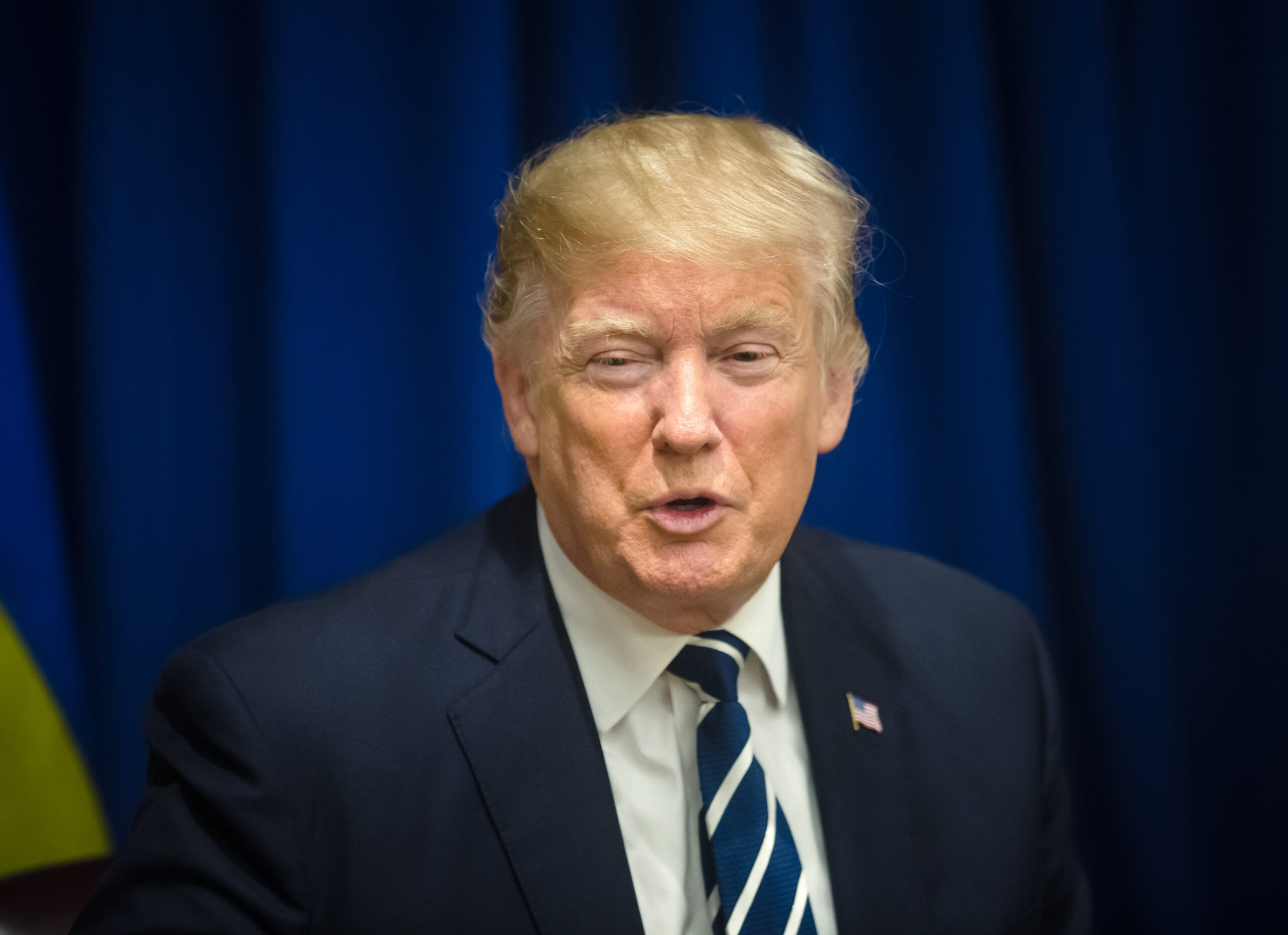
Donald Trump is the current U.S. president, serving as the 45th and 47th president after returning to power for a second nonconsecutive term. That makes his place on this list different from the others. His presidency is still unfolding, so history has not written its final judgment.
Even so, Trump has already become one of the most polarizing presidents in American history. His supporters see him as a fighter who challenges Washington. His critics see him as chaotic, divisive, and dangerous to democratic norms.
The anger around Trump comes from many places. His two impeachments, election denial, January 6, hardline immigration policies, attacks on institutions, and combative style have made him a constant source of national conflict. Recent polling placed him at 35 percent approval, showing how sharply his second term continues to divide the country.
Trump belongs here because he does not simply create disagreement. He turns politics into an emotional battlefield. For many Americans, he is either a rescue mission or a threat to the country’s future.
James Buchanan
James Buchanan carries one of the worst reputations in presidential history because he led the country right before the Civil War. The nation was already tense, but Buchanan failed to calm it. By the time he left office, the Union was breaking apart, and Abraham Lincoln had to inherit a national disaster.
Buchanan’s critics do not see him as merely unlucky. They see him as weak at the exact moment America needed strength. His failure during the secession crisis still stains his legacy. He had experience, but history remembers him as the man who watched the country crack and did too little to stop it.
Andrew Johnson
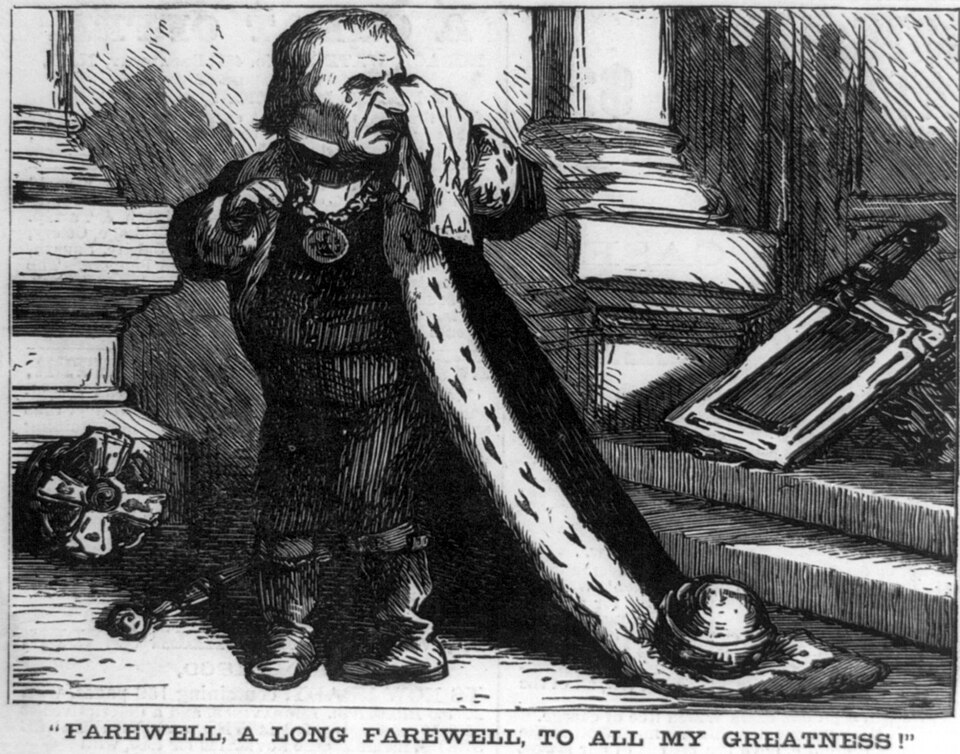
Andrew Johnson became president after Abraham Lincoln’s assassination. That placed him in one of the most fragile moments in American history. The Civil War had just ended, slavery had been abolished, and millions of formerly enslaved people needed citizenship, protection, and real freedom.
Johnson chose conflict instead of healing. He fought Congress over Reconstruction and resisted stronger protections for freed people. His presidency became so explosive that he faced an impeachment trial in 1868, becoming the first U.S. president to do so.
He survived removal by a narrow margin, but his reputation never truly recovered. For many Americans, Johnson represents a lost chance to rebuild the country with justice after the Civil War. His name still carries the weight of betrayal.
Herbert Hoover
Herbert Hoover entered the White House with a strong reputation. Then the Great Depression swallowed his presidency whole. Banks failed, jobs disappeared, families lost homes, and shantytowns nicknamed Hoovervilles made his name a symbol of suffering.
Hoover did not create the Great Depression by himself. Still, presidents often take the blame for the pain people feel while they are in office. Many Americans believed he moved too slowly and showed too little urgency while the country collapsed around him.
His response to the Bonus Army further damaged his image. World War I veterans came to Washington asking for early payment of promised benefits, but the forceful removal of their camps made Hoover seem cold and distant. His legacy remains tied to Depression-era hardship, and that is why public anger followed him long after he left office.
Richard Nixon
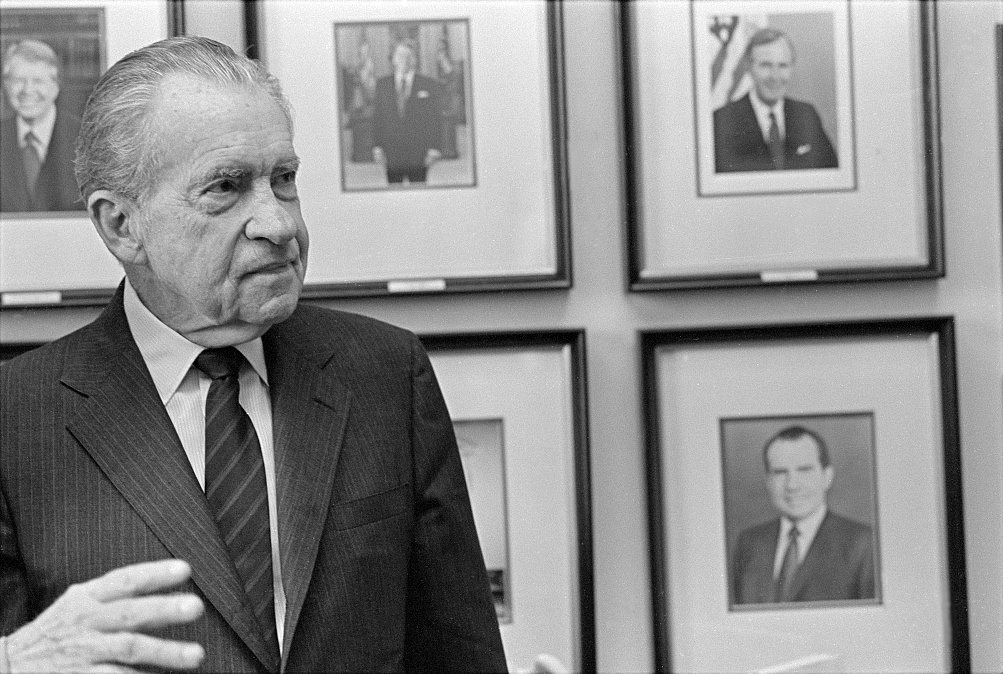
Richard Nixon did not simply become unpopular. He made many Americans feel that the presidency itself had been damaged. Watergate began as a political break-in but grew into a national scandal marked by cover-ups, secret recordings, legal battles, and abuse of power.
The anger around Nixon came from betrayal. Americans watched the scandal unfold through hearings, headlines, and tapes. His approval eventually fell to 24 percent, showing how deeply public trust had collapsed.
Nixon resigned before he could be removed from office. Still, resignation did not save his legacy. To many Americans, he became the symbol of political lies, paranoia, and a White House that believed it could outsmart the law.
Warren G. Harding
Warren G. Harding was not hated in the same fierce way as Nixon or Trump. Many Americans liked him while he was alive. The damage came after people learned how widespread corruption had been under his administration.
Harding’s presidency became linked to cronyism, backroom deals, and officials who treated public office like a private business. The Teapot Dome scandal became the administration’s biggest stain. Federal oil reserves were secretly leased, and a cabinet official was later convicted of taking bribes.
The scandal involving secret oil leases turned Harding’s presidency into a lesson about weak leadership and bad judgment. He may not have inspired the hottest public hatred, but his administration became a symbol of political rot. Americans may forget dull presidents, but they remember when the government starts looking like a thieves’ table.
Franklin Pierce
Franklin Pierce is not a famous villain to most modern Americans. Still, historians often rank him near the bottom because his presidency helped inflame the slavery crisis. His support for the Kansas-Nebraska Act reopened the fight over whether slavery would spread into new territories.
That decision had brutal consequences. The law helped turn Kansas into a battleground between pro-slavery and anti-slavery forces. The violence became known as Bleeding Kansas, and it showed how close the country was to tearing itself apart.
Pierce’s failure was not loud, but it was serious. He misread the country, backed a dangerous policy, and failed to calm a moral crisis. His role in the Bleeding Kansas violence keeps him trapped near the bottom of presidential history.