America loves to sell its cities by skyline. New York has its yellow cabs and restless sidewalks. Los Angeles has palm trees and movie lights. Boston has race day pride. Chicago has neighborhood grit. Atlanta has heat, history, and traffic that can humble anyone before breakfast.
But behind every postcard city is another map, one drawn in police tape, missing posters, emergency calls, courtrooms, and families who learned that one violent act can split life into before and after.
These true-crime stories shook American cities because they felt so close. They invaded places Americans understood too well, including a parked car, a medicine bottle, a family home, a marathon finish line, a gas station, a school route, and a quiet apartment building.
Each case made people ask the question every city fears most. How did danger get this close?
The Son of Sam Murders Made New York Afraid of Parked Cars

New York in the 1970s already felt like a city running on frayed wires. Then David Berkowitz arrived like a nightmare, brandishing a revolver, turning summer nights into something people measured in fear. His attacks killed six people and wounded seven others between 1976 and 1977, leaving New Yorkers terrified of late nights, quiet streets, and parked cars that once felt private.
The fear became personal because the attacks touched ordinary behavior. People changed where they parked, how late they stayed out, and how they looked over their shoulders when the street went quiet. Berkowitz’s taunting letters made the whole city feel like an audience trapped inside a killer’s performance.
When police finally arrested him after an intensive citywide manhunt, New York exhaled, but the city never forgot the feeling of being hunted.
The Night Stalker Turned Los Angeles Homes Into Traps
Los Angeles is supposed to glow at night. Streetlights, pool water, hillside homes, neon signs, and the soft lie that sunshine protects everyone. Richard Ramirez destroyed that illusion. In 1984 and 1985, the man known as the Night Stalker carried out a terrifying series of murders, assaults, and break-ins before residents helped bring him down during a dramatic East Los Angeles capture.
What made the case so frightening was the lack of a neat pattern. He attacked different victims in different neighborhoods, which meant people could not comfort themselves with the thought that danger belonged somewhere else. A window screen, an unlocked door, a quiet hallway, or a sleeping household suddenly felt like an invitation to terror.
The city had a rare ending in which ordinary people helped stop the monster, but the damage had already taken hold in the American imagination. Home no longer felt as untouchable as it once had.
The Atlanta Child Murders Made Parents Fear the Walk Home
Few American crime stories carry the heavy sorrow of the Atlanta Child Murders. Between 1979 and 1981, Black children, teenagers, and young adults disappeared and were found dead, while Atlanta parents lived with a fear that sat at the dinner table with them.
The case involved approximately 29 victims, most of them African American boys, and that number is not just a statistic. It is a roll call of interrupted childhoods.
The case reshaped Atlanta’s sense of safety by targeting the most ordinary routines. A child leaving home. A teen walking through the neighborhood. A family waiting for someone who never came back.
Wayne Williams was later convicted of the murders of two adults, and evidence linked him to murders beginning in 1979, though he was not tried for the child killings themselves. That distinction still matters to many families because justice can feel painfully incomplete when courtroom answers do not cover every grave.
The Chicago Tylenol Murders Poisoned America’s Trust

The Chicago Tylenol murders were terrifying because they did not begin in a dark alley or an abandoned house. They began in medicine cabinets. In 1982, seven people in the Chicago area died after taking cyanide-laced capsules, turning a trusted household product into something lethal.
The horror was brutally simple. People reached for relief and died because someone had made ordinary medicine deadly.
The killer was never convicted, which gives the story its cold, unfinished edge. Chicago felt the first shock, but the fear traveled nationwide because every American understood the vulnerability. The product recall, new safety seals, and tamper-proof packaging that followed became part of everyday life.
The case made shoppers pause before opening bottles, made parents check seals, and made corporations realize that trust could collapse in a single swallow.
Jeffrey Dahmer’s Arrest Exposed a Nightmare Inside Milwaukee
Milwaukee did not discover Jeffrey Dahmer through rumor. It discovered him through evidence so disturbing that the city had to process horror in real time. Dahmer murdered 17 boys and men between 1978 and 1991, and the most unsettling part was the setting.
This was not some remote crime scene hidden far from daily life. It was an apartment in a city neighborhood, surrounded by people who had sensed something was wrong but could not force the full truth into view.
The Dahmer case still haunts America because it exposed more than one kind of failure. Many victims were young men of color, and public outrage focused heavily on whether police missed chances to stop him sooner.
The legal dispute involving a young victim who briefly escaped, later summarized in a police response case, captures part of that painful debate about missed warnings. Milwaukee was left to face the unbearable possibility that the monster not only had hidden well but also remained. He had also benefited from a world too slow to protect the people he targeted.
The D.C. Sniper Attacks Made Errands Feel Like Russian Roulette
The Washington, D.C. region learned a special kind of fear in October 2002. It was not the fear of a dark alley or a bad neighborhood. It was the fear of pumping gas, walking through a parking lot, shopping, mowing the lawn, or standing still for too long. The attacks killed 10 people and critically injured three more, turning everyday errands into moments of pure calculation.
John Allen Muhammad and Lee Boyd Malvo used a modified car as a mobile sniper’s nest, making the violence feel invisible. Parents kept children indoors. People crouched at gas stations. Commuters scanned tree lines and rooftops as if danger might be anywhere, because for a few terrifying weeks it seemed to be.
When authorities arrested the pair after a multi-agency investigation, the region got relief, but not instant healing. The attacks had taught Americans that even broad daylight could feel unsafe when the threat had no obvious face.
The Boston Marathon Bombing Turned a Finish Line Into a Wound
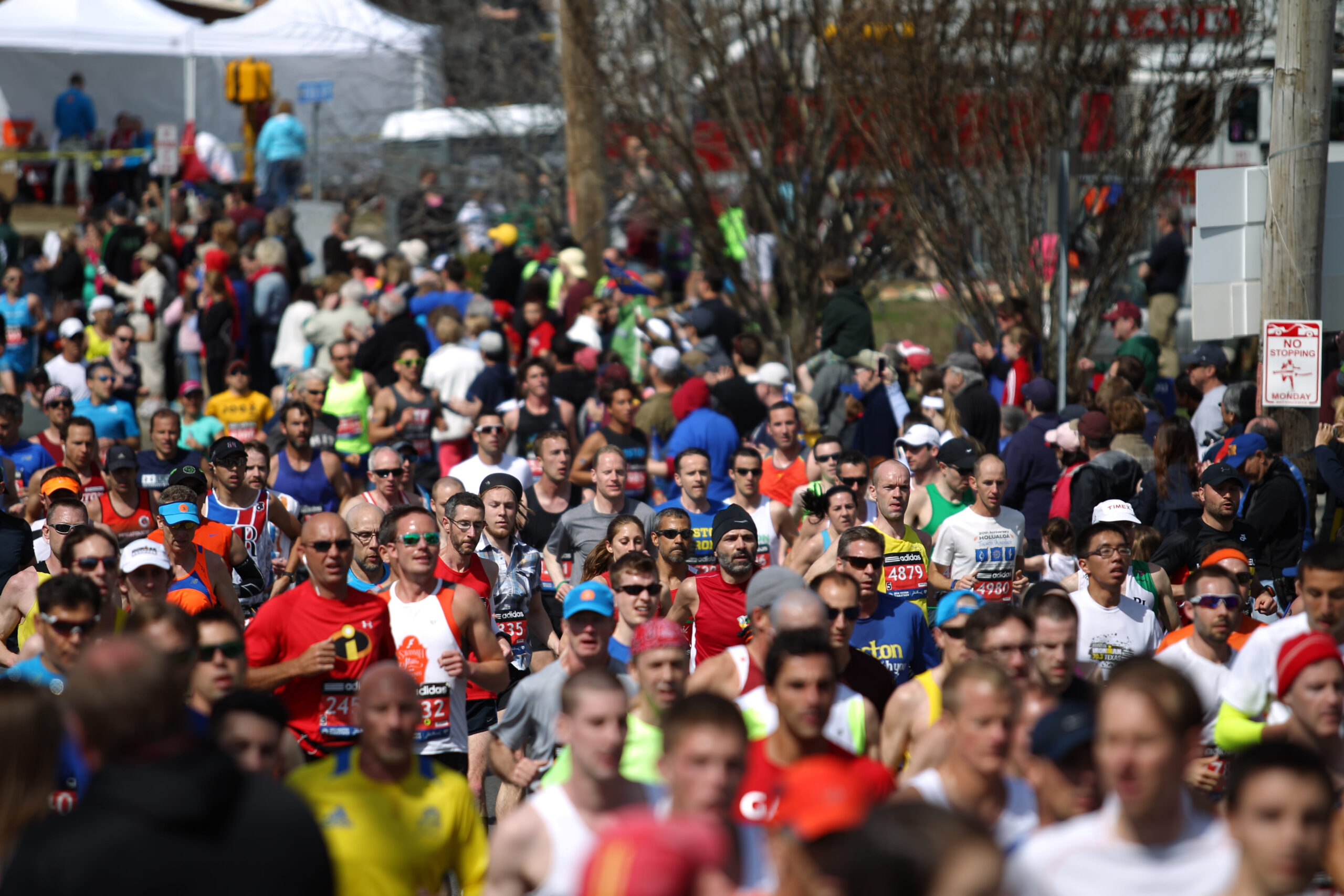
The Boston Marathon is not just a race. It is a city ritual, a springtime roar, a day when strangers become cheerleaders, and exhaustion turns into pride. On April 15, 2013, two bombs exploded near the finish line, killing three people and injuring hundreds during the Boston Marathon bombing. Boylston Street became a scene of smoke, blood, sirens, and strangers trying to save strangers.
The bombing struck Boston so deeply because it attacked the city at its most open-hearted. Marathon day is built on trust. People gather close, cheer loudly, bring children, hug runners, and believe the crowd is part of the joy.
Surveillance video helped identify the suspects, and the search moved through Cambridge and Watertown before the surviving attacker was captured. Boston eventually answered with resilience, but resilience did not erase the trauma. It simply proved the city could stand up while still carrying the wound.
The Oklahoma City Bombing Scarred America’s Heartland
Oklahoma City was not supposed to become shorthand for domestic terror. It was supposed to be an ordinary American city in the middle of an ordinary workday. On April 19, 1995, a truck bomb tore through the Alfred P. Murrah Federal Building, killing 168 people in what became one of the deadliest domestic attacks in U.S. history.
The blast did not just destroy concrete. It destroyed offices, families, childhoods, routines, and the belief that the center of the country was somehow insulated from that level of violence.
The city’s grief became national grief because the crime forced Americans to confront a brutal truth. The danger had not come from across an ocean. It came from inside the country, wrapped in anti-government rage and parked outside a federal building.
The attack later led to convictions tied to homegrown terrorism, but the courtroom ending could never soften what happened that morning. Some places do not need loud language. They already hold the sound of a city breaking.
The Manson Family Murders Destroyed Hollywood’s Safe Fantasy
Hollywood had always known scandal, but the Manson Family murders felt like something else entirely. In August 1969, followers of Charles Manson killed actress Sharon Tate and four others at a Benedict Canyon home, then killed Leno and Rosemary LaBianca the following night.
The murders became a cultural rupture because the crimes were brutal, bizarre, and tied to a group whose leader was later put on trial after the August 1969 killings.
The terror came from the collision between glamour and savagery. A beautiful home, a rising actress, famous neighbors, canyon roads, and the old belief that gates could keep chaos outside all collapsed at once.
The case seemed to announce that the 1960s dream had curdled into something darker. Los Angeles did not just mourn the victims. It mourned a version of itself that believed beauty, fame, and money could buy distance from the worst parts of human behavior.
The Golden State Killer Haunted Sacramento for Decades
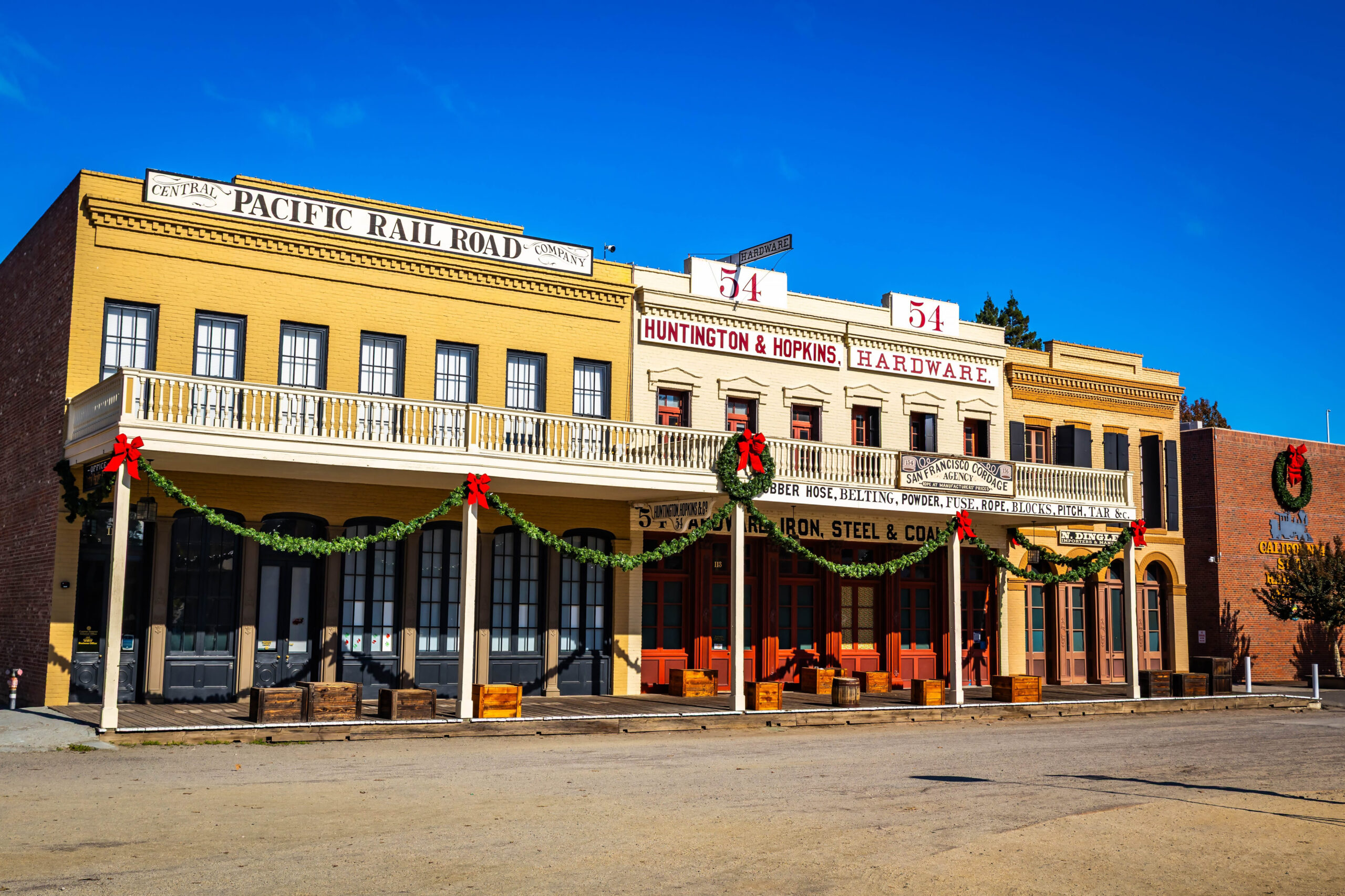
Sacramento lived with a nightmare that refused to end. Before Joseph James DeAngelo became known as the Golden State Killer, communities knew the terror through names like the East Area Rapist and the Original Night Stalker. He broke into homes, attacked victims, and disappeared into decades of silence.
In 2020, he pleaded guilty to 13 murders and admitted to many more uncharged crimes connected to victims across California.
The case changed modern crime-solving through the use of investigative genetic genealogy. His 2018 arrest showed that old evidence could be powerful again when science, persistence, and family tree research came together in a single investigation.
Sacramento and other California communities had spent decades wondering if the man responsible would ever be named. When he finally was, the answer carried both relief and rage. The killer had grown old, but the damage he caused had stayed young in the minds of survivors.
Why These True Crime Stories Still Matter
These true crime stories shook American cities because they touched the places people trust without a second thought. A medicine bottle in Chicago. A parked car in New York. A finish line in Boston. A federal building in Oklahoma City. A bedroom in Los Angeles. A child’s walk home in Atlanta.
They remind Americans that fear becomes most powerful when it enters ordinary life without knocking. But the lasting meaning of these cases does not belong to the killers. It belongs to the victims, the survivors, the families, the detectives who refused to quit, and the cities that had to rebuild their courage in public.
True crime holds attention because it shows how fragile safety can be, but it should also show how fiercely people fight to reclaim it. Every city on this list carries a scar. Every scar tells America the same warning. Evil can hide in familiar places, but memory, justice, and truth can outlast it.