Small enough to disappear into a bowl of oatmeal, chia seeds are gaining attention for the impressive amount of nutrition they offer. These tiny black and white seeds contain fiber, protein, healthy fats, and essential minerals that support everyday health. Their mild flavor makes them easy to add to breakfast, snacks, and even homemade desserts. But what makes chia seeds particularly interesting is how much nutritional value fits into such a small serving.
A Small Serving Packed With Nutrients
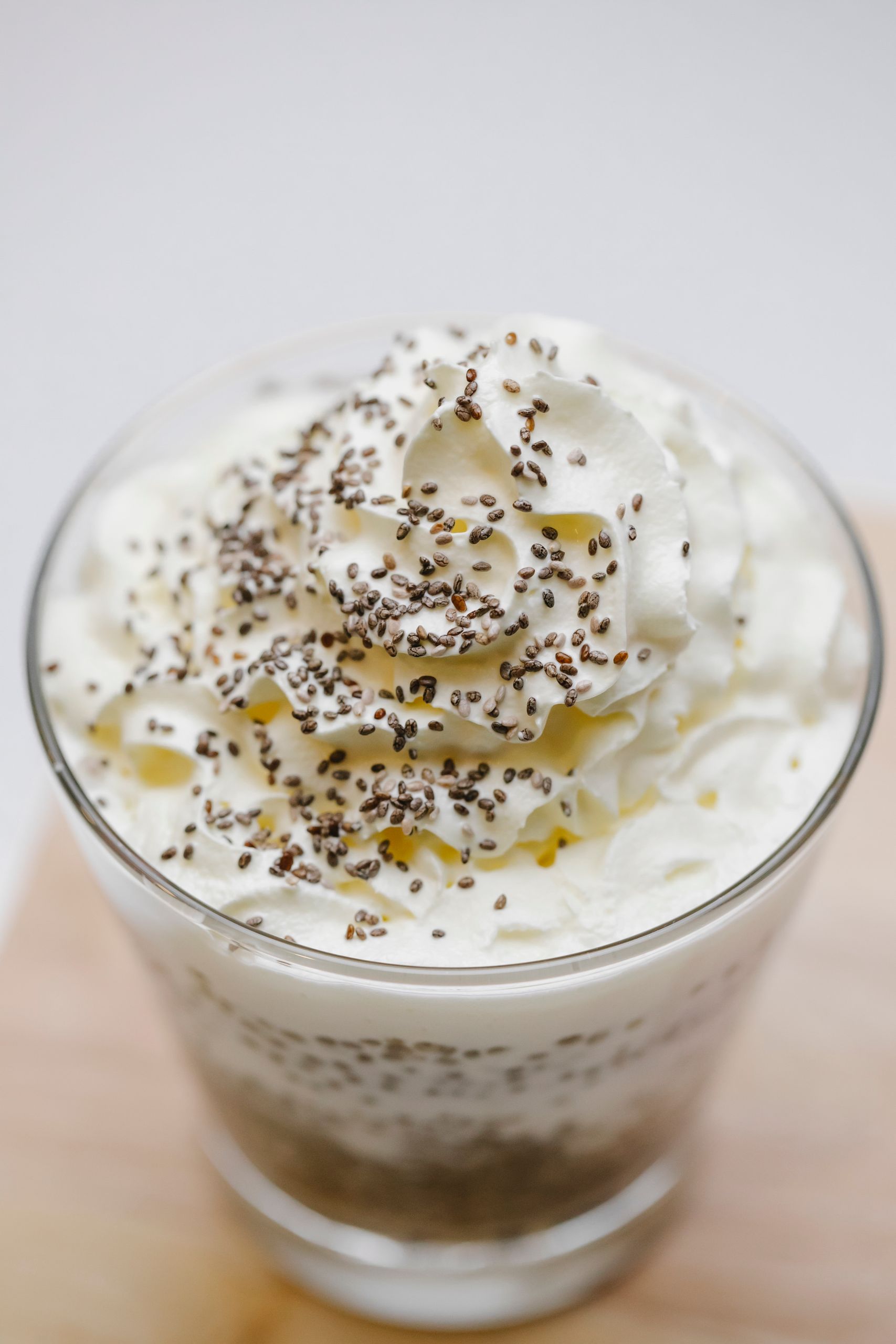
Chia seeds come from the Salvia hispanica plant, which is native to Central America. They have been eaten for thousands of years, including by the ancient Aztec and Maya civilizations. Today, they are widely available in grocery stores and have become a familiar ingredient in smoothies, puddings, and breakfast bowls.
According to USDA nutritional data, a one-ounce serving of chia seeds, roughly two to three tablespoons, contains approximately 138 calories, 4.7 grams of protein, 9.8 grams of fiber, and 8.7 grams of fat. The seeds also provide calcium, magnesium, phosphorus, iron, and zinc.
This combination is appealing because a small serving adds several important nutrients to a meal without complicated preparation.
Their Fiber Content Supports Digestive Health
One of chia seeds’ strongest nutritional features is their high fiber content. A one-ounce serving contains nearly 10 grams of fiber, making it a convenient option for people who want to increase their daily fiber intake.
Fiber plays an important role in keeping digestion regular. It adds bulk to stool and helps food move through the digestive system. Eating enough fiber can also support healthy cholesterol levels and help you feel full after meals.
Chia seeds have an interesting characteristic that sets them apart. When mixed with liquid, they absorb water and develop a soft, gel-like consistency. This makes them particularly useful in overnight oats and chia pudding.
According to MedlinePlus, chia seeds contain insoluble fiber that helps support regular bowel movements. However, anyone unfamiliar with high-fiber foods may find it more comfortable to introduce chia seeds gradually and drink adequate fluids.
A Plant-Based Source of Omega-3 Fatty Acids
Omega-3 fatty acids are essential fats that the body needs but cannot manufacture in sufficient amounts on its own. Chia seeds contain alpha-linolenic acid, commonly called ALA, which is a plant-based form of omega-3.
ALA contributes to normal body functions and is associated with cardiovascular health when consumed as part of a balanced eating pattern. For people who rarely eat fish, chia seeds offer another way to include omega-3 fats in their diets.
However, one important distinction matters. The omega-3 fats in chia seeds differ from the EPA and DHA commonly found in fatty fish. The body can convert some ALA into these forms, but the conversion is limited.
Chia seeds are therefore a useful source of plant-based omega-3 fats, although they do not provide the same fatty acid profile as fish.
Related: 10 Weird Sandwiches From History, Ranked By How Much You Want To Try Them explores more unexpected combinations from American food traditions.
They Provide Protein for Everyday Nutrition
Protein helps maintain muscles, repair tissues, and support the body’s normal functions. Chia seeds provide about 4.7 grams of protein per ounce, making them a useful addition to meals with other protein sources.
Another interesting feature is that chia seeds contain all nine essential amino acids. These are the amino acids the body must get from food because it cannot produce them on its own.
Still, chia seeds should not replace higher-protein foods such as eggs, beans, fish, or dairy products. Their main strength is adding a small amount of protein alongside fiber, minerals, and healthy fats.
For example, stirring chia seeds into Greek yogurt combines the seeds’ fiber and fats with the yogurt’s protein. Adding them to oatmeal or a smoothie can also add nutritional variety to an ordinary breakfast.
Essential Minerals Support Bones and Muscles
Chia seeds contain several minerals that contribute to normal body functions. Calcium and phosphorus are key components of bones and teeth, and magnesium supports muscle function, nerve signaling, and energy production.
An ounce of chia seeds provides about 179 milligrams of calcium, making them a useful plant-based source of daily calcium.
They also contain iron, which helps the body transport oxygen through the blood, and zinc, which supports normal immune function and tissue repair.
However, the presence of these minerals does not mean the body absorbs all of them. Chia seeds contain natural compounds, including phytates, that can reduce the absorption of certain minerals.
A varied diet remains important because no single food provides every nutrient the body needs.
Antioxidants Add Another Layer of Nutritional Value
Beyond fiber and minerals, chia seeds contain naturally occurring antioxidant compounds, including polyphenols.
Antioxidants help protect cells against oxidative damage caused by unstable molecules known as free radicals. This process is part of the body’s normal defense system.
According to Harvard Health Publishing, chia seeds contain several antioxidants that contribute to their nutritional profile.
However, it would be misleading to suggest that eating chia seeds alone can prevent diseases. Their antioxidant content is one reason they can be included in a varied diet rich in fruits, vegetables, whole grains, nuts, and seeds.
Can Chia Seeds Help With Weight Management?
Chia seeds are often promoted as a food that can help people lose weight, largely because they contain substantial fiber and absorb liquid.
Fiber-rich foods can increase feelings of fullness, which may influence how much someone eats during a meal. Chia seeds also form a gel after soaking, creating a thicker texture that some people find satisfying.
However, scientific studies have produced mixed results regarding direct weight-loss benefits.
A 2024 systematic review and meta-analysis of chia seed supplementation found no substantial improvement in body mass index, although some other health markers changed.
This means chia seeds may fit into a balanced weight-management eating plan, but simply adding them to meals does not guarantee weight loss.
Related: Is Your Fruit Going Bad Too Fast? Try These Simple Storage Tricks explains how everyday storage habits can affect the fruit you bring home.
Easy Ways to Add Chia Seeds to Your Meals
One of chia seeds’ biggest advantages is their versatility. Unlike some other seeds, they do not need to be ground before eating, making them convenient for everyday use.
Try stirring them into oatmeal, adding them to yogurt, blending them into smoothies, or sprinkling them over fruit. For a thicker breakfast or dessert, combine chia seeds with milk, refrigerate until the mixture develops a pudding-like consistency, and finish with berries or sliced bananas.
They can also be added to pancake batter, homemade muffins, and other baked foods. Their mild flavor blends easily with both sweet and savory ingredients.
Because chia seeds expand considerably when exposed to liquid, avoid swallowing a spoonful of dry seeds and then drinking water. People with swallowing difficulties should take particular care and choose appropriately hydrated preparations.
The Bottom Line
Chia seeds may be tiny, but their nutritional composition gives them a useful place in an everyday eating routine. Their combination of fiber, plant-based omega-3 fats, protein, antioxidants, and minerals makes them an easy way to add nutritional variety to familiar meals.
Although some health claims surrounding chia seeds go beyond what scientific evidence currently supports, their established nutrient content remains impressive. The greatest value comes from enjoying them regularly as part of a balanced diet rather than expecting them to deliver dramatic results on their own.
How would you add chia seeds to your everyday meals to make them more interesting and nutritious?