Our kitchen can look spotless and still carry hidden trouble. The sink may shine, the counters may smell fresh, and the refrigerator may look organized, yet germs can still move quietly from handles, towels, cutting boards, grocery bags, and forgotten appliance parts into the food we eat every day.
That is what makes kitchen hygiene more serious than a quick wipe after dinner. We are not only cleaning crumbs and splashes; we are interrupting the small, invisible chain that can lead from raw food, damp surfaces, dirty hands, and neglected tools to stomach bugs, food poisoning, mold exposure, and cross-contamination.
Sponges and Dishcloths Can Spread More Germs Than They Remove
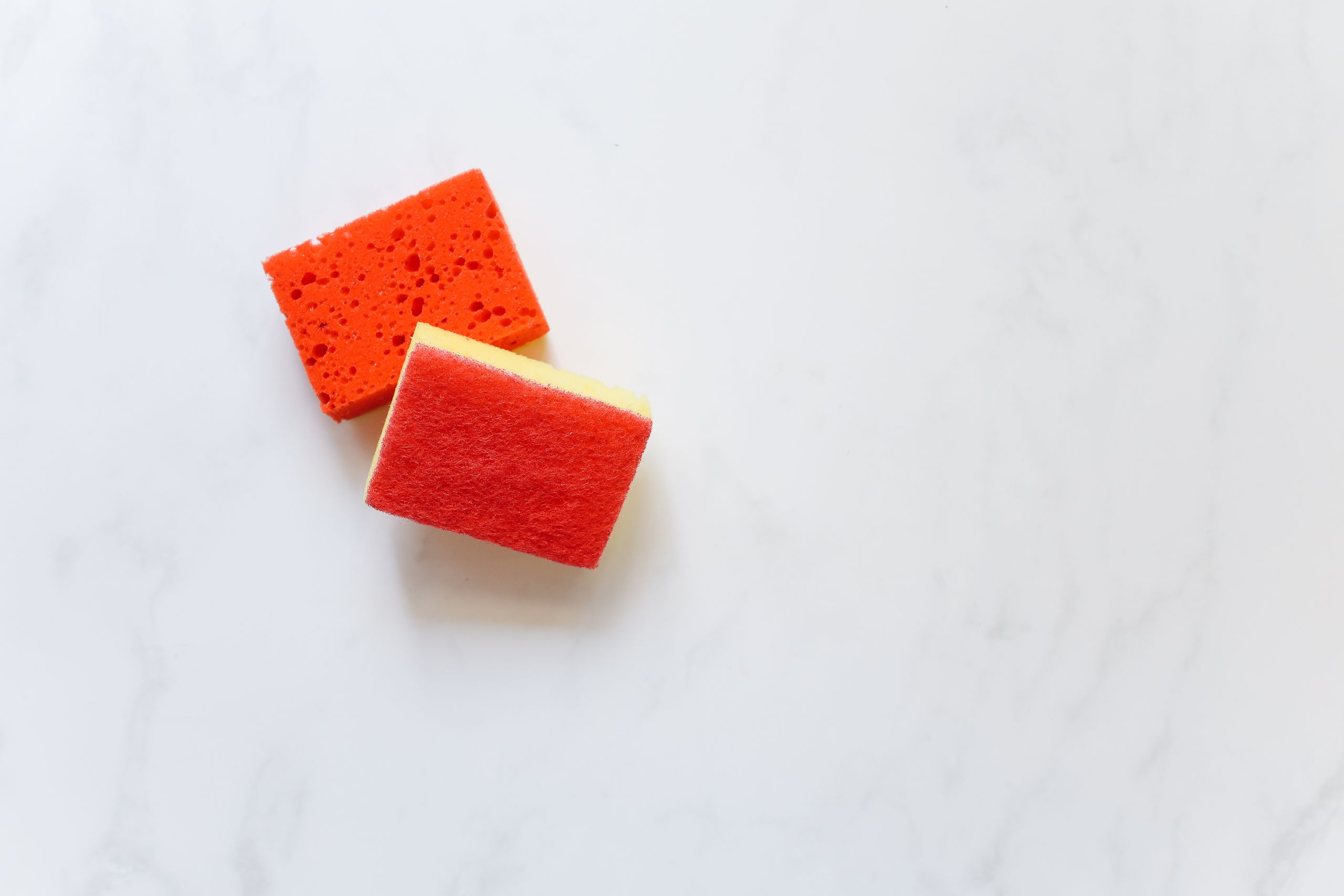
Sponges and dishcloths are supposed to clean the kitchen, but they can become some of the dirtiest items in the room. They stay damp, collect food particles, sit near the sink, and touch counters, dishes, cutting boards, appliances, and hands throughout the day.
The biggest mistake we make is using one sponge for too many jobs. A sponge that wipes raw meat juice from a counter should not later touch a plate, faucet handle, lunchbox, or fruit bowl. Once a sponge smells sour, feels slimy, or looks stained, it is no longer a helpful cleaning tool; it has become a moving germ pad.
We should rinse sponges thoroughly after use, squeeze out excess water, and store them to dry. Dishcloths should be washed often, especially after wiping spills, handling raw foods, or cleaning around the sink. We should also replace sponges regularly because no amount of rinsing can save a sponge that has become deeply worn, torn, or foul-smelling.
Cutting Boards Can Turn One Ingredient Into a Full Meal Risk
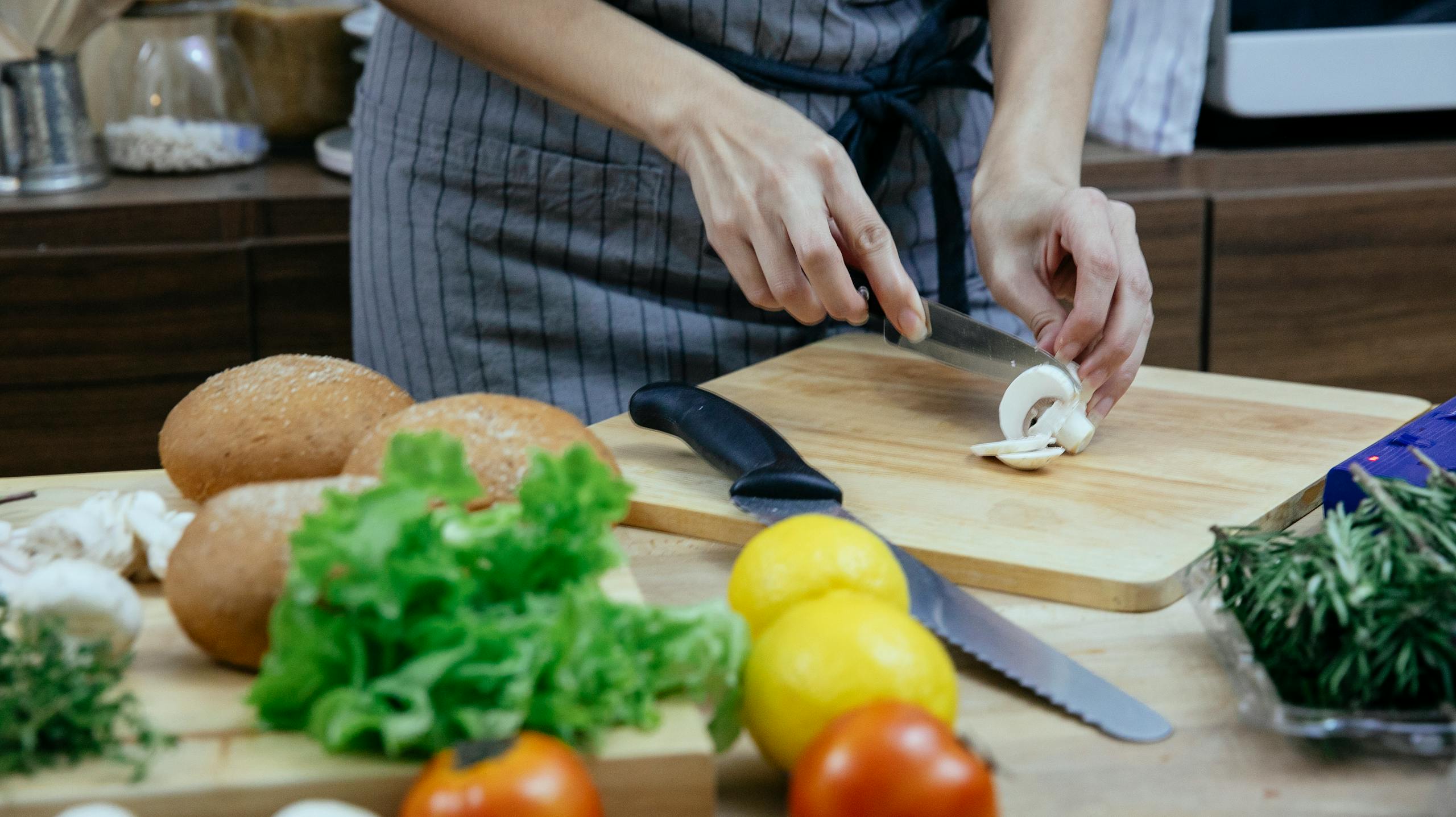
Cutting boards are among the easiest places for cross-contamination to occur. A board used for raw chicken, fish, beef, or eggs can transfer germs to lettuce, tomatoes, bread, herbs, fruit, or cooked meat if we reuse it without proper washing.
Deep grooves make the problem harder to control. Plastic boards can develop knife cuts that trap moisture and residue, while wooden boards can crack if they are soaked, dried poorly, or neglected. Once a board becomes deeply scarred, warped, split, or stained, it becomes harder to clean well.
We should use separate boards for raw meat, poultry, seafood, and ready-to-eat foods. After each food item, boards should be washed with hot soapy water, rinsed, dried, and sanitized when needed. A color-coded board system can help by removing guesswork during busy cooking.
Refrigerator Door Handles Are High-Touch Germ Magnets
The refrigerator handle may be touched more often than almost anything else in the kitchen. We touch it while unpacking groceries, marinating meat, grabbing eggs, pulling out vegetables, tasting food, and cleaning up after dinner. That means germs from hands can collect there even when the rest of the kitchen looks tidy.
The problem becomes worse during meal prep. We may handle raw food, open the fridge, touch a seasoning jar, open a drawer, and return to the food without realizing how many surfaces have come into contact with the food. The handle becomes a quiet middleman between dirty hands and clean food.
We should wipe refrigerator handles daily in busy kitchens and immediately after handling raw foods. The same rule applies to freezer handles, drawer pulls, oven handles, microwave buttons, and cabinet knobs. These small touchpoints deserve the same attention as counters, since we use them constantly.
Coffee Makers Can Hide Mold and Bacteria in the Water Reservoir
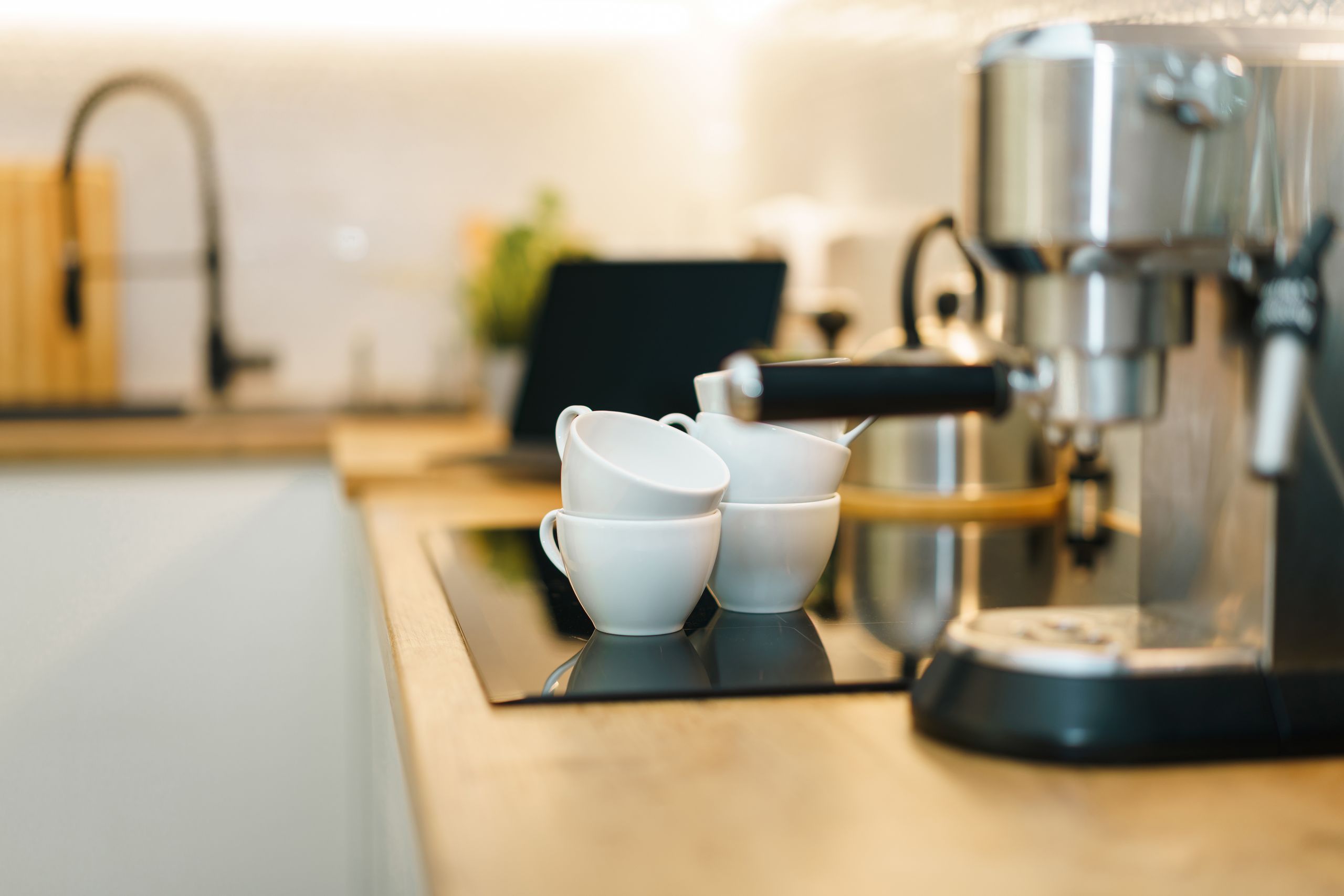
A coffee maker may look clean on the outside but still hide moisture inside the water reservoir, tubes, filter basket, drip tray, and lid. These parts can stay damp for long periods, especially when the machine is used daily but rarely deep-cleaned.
The warning signs are easy to miss. Stale coffee, a musty smell near the reservoir, mineral buildup, cloudy water, or dark residue around removable parts can signal that the machine needs attention. Even if the coffee tastes normal, the internal parts still need routine cleaning.
We should empty standing water, wash removable parts, and let the reservoir air-dry when possible. A regular descaling routine helps remove mineral deposits, while washing the filter basket and drip tray prevents old coffee oils and residue from building up. The cleaner the machine, the fresher the brew and the safer the morning habit.
Can Openers Can Drag Dirt Straight Into Food
A can opener touches the lid of a can, then the blade cuts through that surface and can contact the food inside. If the can lid carries dust, residue, spilled liquid, or bacteria from storage, and the opener is dirty, contamination can move into beans, soup, tuna, tomatoes, or fruit in seconds.
Many people rinse plates and knives, but forget the can opener. The blade, wheel, gears, and handle can collect sticky food residue over time. Once dried food hardens around the cutting mechanism, the tool becomes harder to clean and more likely to be overlooked.
We should wipe the can lids before opening and wash the can opener after use. Manual can openers need special attention around the blade and the turning wheel. Electric can openers should also be cleaned according to the manufacturer’s instructions, as their blades come into contact with food containers repeatedly.
Salad Spinners Can Trap Moisture After Washing Greens
A salad spinner feels like a clean tool because it is used with rinsed lettuce, herbs, and vegetables. However, it can trap moisture, grit, tiny leaves, and food particles in the basket, bowl, lid, and spinning mechanism.
This matters because leafy greens are often eaten raw. If a spinner is used, rinsed quickly, and stored while damp, it can hold moisture until the next salad. That leftover dampness can encourage unpleasant smells, slime, and microbial buildup.
We should take salad spinners apart after use, wash each piece, and dry them completely before storage. The lid deserves attention because water and small food particles can get trapped in the spinning components. A clean salad spinner keeps raw greens fresh instead of turning them into a hidden kitchen hygiene problem.
Kitchen Counters Can Carry More Than Crumbs
Countertops are where everything lands. Grocery bags, phones, lunch boxes, mail, raw food packages, cutting boards, utensils, mixing bowls, and hands all come into contact with the same surface. That makes the counter one of the most important places to clean properly.
A quick wipe is not always enough. If we wipe raw meat juices, egg spills, or unwashed produce dirt with a damp sponge and then move straight into preparing sandwiches or salad, we can spread contamination across the surface instead of removing it. Cleaning removes visible grime, while sanitizing reduces germs after the surface is clean.
We should clean counters after every food prep stage, especially after raw meat, poultry, seafood, eggs, and unwashed produce. Food-safe cleaners, clean cloths, disposable towels, or freshly washed dishcloths can help. The best habit is simple: clear, clean, rinse if needed, sanitize when appropriate, and let the surface dry.
Reusable Grocery Bags Can Bring Store Germs Home
Reusable grocery bags are practical, but they can carry more than groceries. Raw meat packaging, leaking seafood, damp produce, soil from vegetables, spilled dairy, and store cart residue can all end up inside the bag. If the same bag later carries bread, fruit, snacks, or children’s lunch items, the risk grows.
The biggest issue is repeated use without washing. Cloth bags may absorb moisture and spills, while plastic-lined bags can hold residue in seams and corners. Storing bags in a hot car, damp laundry room, or dirty trunk can make the problem worse.
We should separate bags by purpose. One set can be used for raw meat, poultry, and seafood, while another set stays dedicated to produce or packaged foods. Cloth bags should be washed regularly, and non-washable bags should be wiped inside and out with hot soapy water and dried fully before reuse.
Pet Bowls Near the Kitchen Can Increase Germ Exposure
Pet bowls may seem harmless, but they can carry saliva, leftover food, standing water, and bacteria. When pet bowls sit in or near the kitchen, germs can spread through splashes, hands, floors, counters, and nearby cleaning tools.
Dry food crumbs and wet food residue can attract pests, create odors, and leave sticky film around the feeding area. Water bowls can also become slimy when biofilm forms along the sides. If we touch the bowl and then continue cooking without washing our hands, we invite avoidable contamination.
We should wash pet bowls daily and keep them away from food prep areas. The floor around the bowls should also be cleaned regularly. Pet food scoops, storage bins, and mats need attention, too,, because they can harbor residue and germs long after the bowl appears empty.
Microwaves Can Turn Food Splatters Into a Hygiene Problem
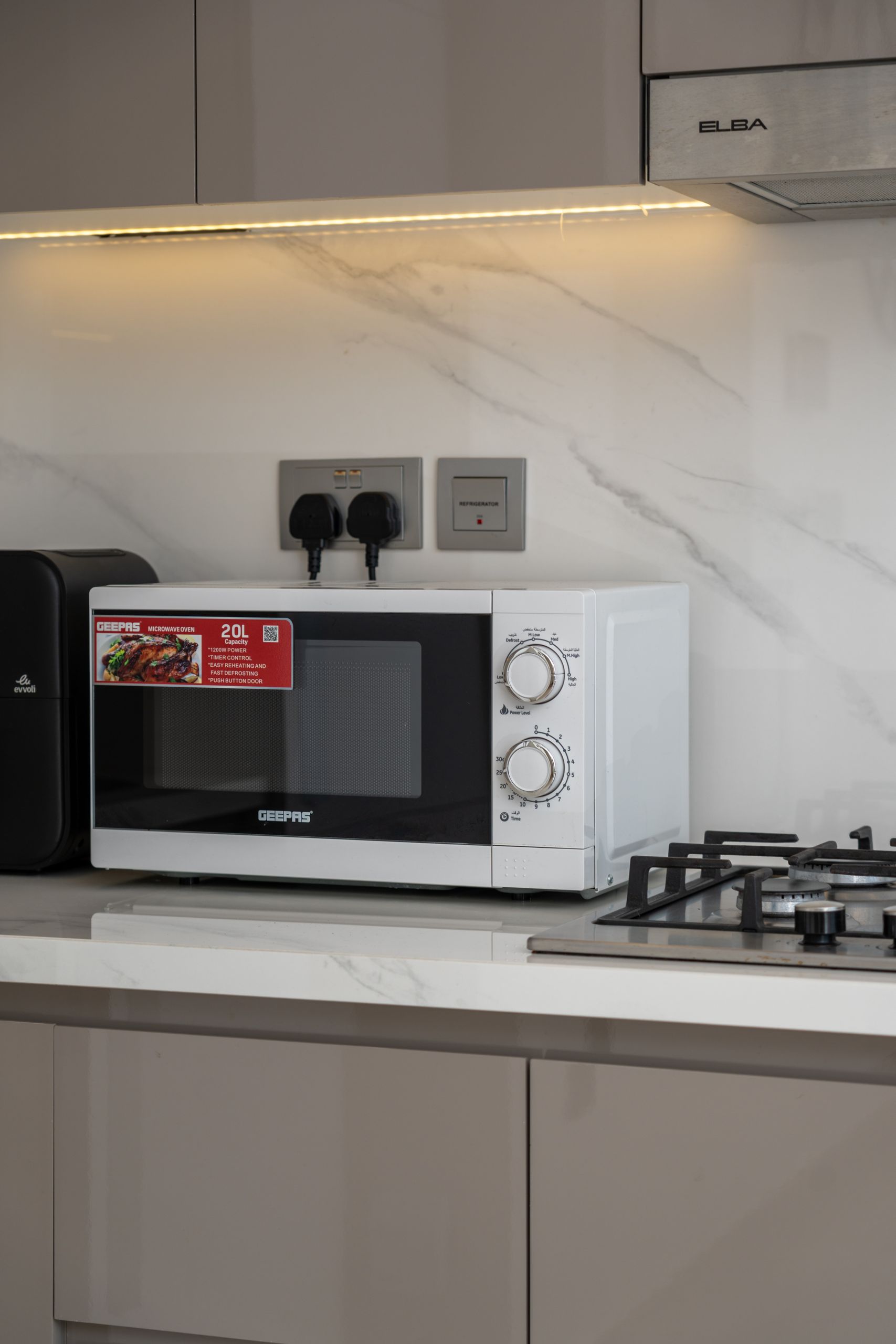
A microwave often hides its mess behind a closed door. Soup pops, sauce splashes, butter sprays, and reheated leftovers can leave film on the walls, ceiling, turntable, and door seal. Over time, those splatters dry, reheat, and create odors.
The risk is not only about germs. Old food residue can affect flavor, attract pests, and make the microwave harder to clean. If the door seal or turntable area stays greasy, the appliance becomes less pleasant and less sanitary.
We should wipe fresh splatters immediately because warm residue is easier to remove than dried crust. A bowl of water heated briefly can loosen stuck-on mess, making the inside easier to wipe. The turntable should be removed and washed often, especially in busy households.
Refrigerator Drawers Can Contaminate Fresh Produce
Refrigerator drawers hold fruits, vegetables, herbs, meat packages, cheese, and leftovers, depending on how organized the kitchen is. When raw meat leaks or produce sheds dirt and moisture, the drawer can collect hidden residue.
Vegetable drawers deserve special attention because produce is often eaten raw. A drawer that has held unwashed greens, carrots with soil, leaking berries, or old lettuce can transfer grime and moisture to new groceries. Mold from one forgotten item can spread quickly to others.
We should empty drawers regularly, discard spoiled food, and wash removable bins with warm soapy water. Raw meat, poultry, and seafood should stay sealed and stored below ready-to-eat foods to prevent drips. Clean drawers help extend food freshness and reduce the chance of hidden contamination.
Blender Gaskets Can Hide Food Residue Under the Blade
Blenders look clean when the jar is rinsed, but the gasket and blade assembly can hide residue underneath. Smoothies, nut butter, sauces, soups, protein shakes, and baby food can leave small particles trapped in the seal.
That hidden residue can become sticky, sour, or moldy if the blender is stored while damp. The risk increases when we blend dairy, fruit, leafy greens, or protein powders because these ingredients can cling to small gaps around the blade.
We should disassemble the blender according to the manufacturer’s directions and wash the gasket, blade base, lid, and jar after use. A quick rinse is not enough for thick blends. Full drying before reassembly is just as important as washing.
Conclusion
The most dangerous kitchen items are not always the obvious ones. A dirty sponge, a damp salad spinner, a neglected coffee maker, a sticky spice jar, a scratched cutting board, or an unwashed grocery bag can quietly move germs through the kitchen before we notice anything wrong.
A healthier kitchen starts with the small things we touch every day. Once we know where germs hide, we can stop giving them easy shortcuts to our plates.