Morning coffee feels innocent because it comes wrapped in routine. We pour it before work, sip it while checking messages, and trust it to drag us out of that sleepy fog. For many people, it works beautifully. The first few sips feel like a switch being flipped back on.
The problem starts when that same switch turns the nervous system up too far. Caffeine can sharpen alertness, but it can also copy the physical language of anxiety. A racing heart, tense muscles, shaky hands, stomach flutters, and restless thoughts can all feel like stress arriving from nowhere. Here are eight ways your breakfast coffee may be amplifying your anxiety before the day even begins.
It Blocks the Brain Chemical That Helps You Calm Down

Caffeine works by blocking adenosine, the brain chemical that helps you feel sleepy, settled, and ready to rest. That sounds helpful at 7 a.m., especially when your alarm feels like an enemy. But adenosine does more than make you tired. It helps the body slow its pace.
When breakfast coffee blocks that calming signal, your brain may feel alert before it feels balanced. For someone prone to anxiety, that alertness can quickly turn into tension. The body starts moving faster than the mind can manage. Suddenly, a normal morning feels like a deadline with teeth.
It Triggers a Fight-or-Flight Feeling Before the Day Starts
Coffee can stimulate the central nervous system, which may increase heart rate, blood pressure, and physical restlessness. That is why caffeine can feel energizing. It wakes the body up quickly and pushes it into action. The trouble is that anxiety uses the same body language.
When your heartbeat climbs after coffee, your brain may read it as a warning sign. You may not be in danger, but your body is acting like something urgent is happening. That can make small problems feel bigger. A slow email response, traffic noise, or a packed schedule can suddenly feel heavier than it should.
It Can Turn Normal Morning Stress Into a Full-Body Reaction
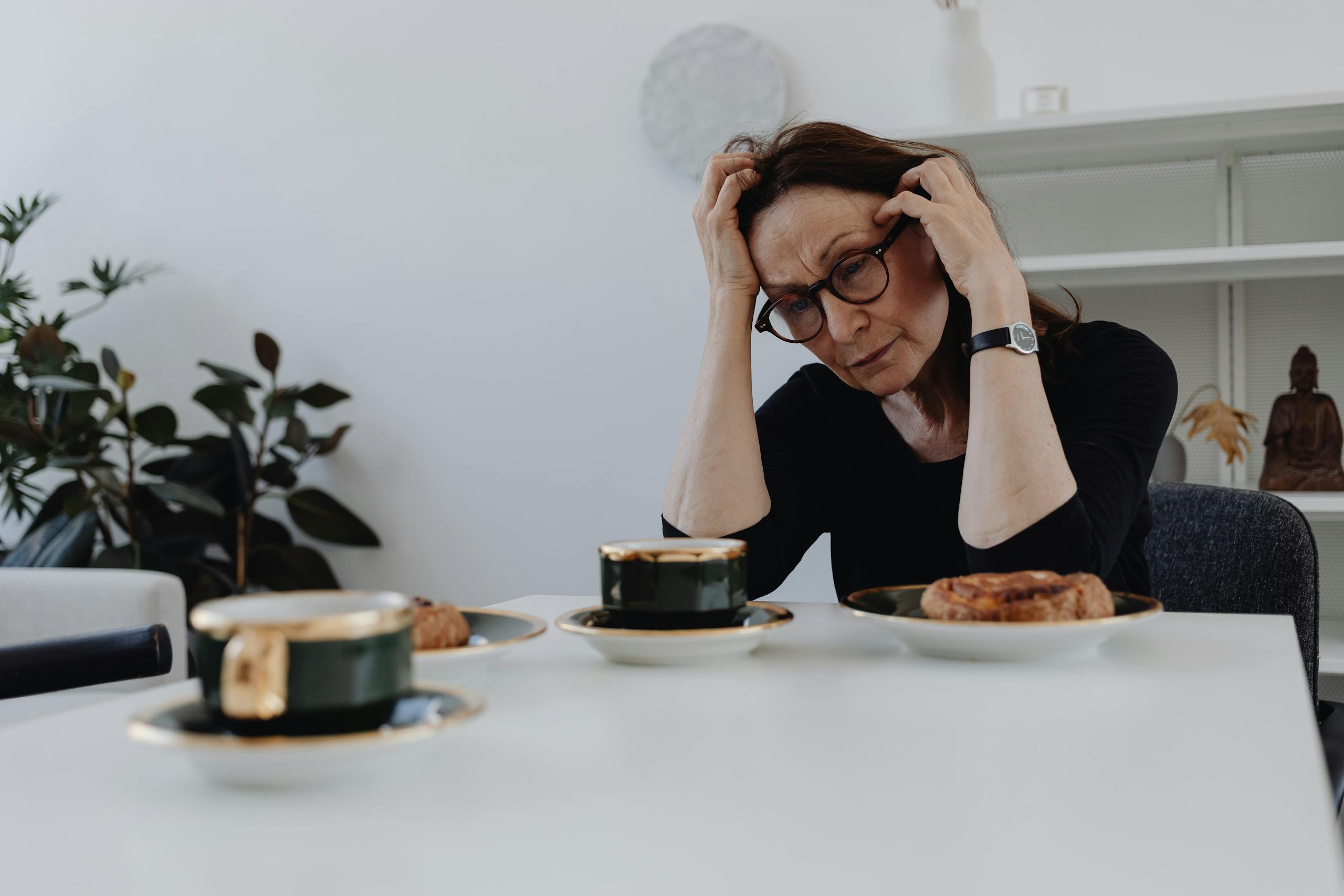
Most mornings already come with pressure. There are bills to remember, children to prepare, meetings to face, messages to answer, and errands waiting in the background. Add coffee to that pressure, and the body may become more reactive. The caffeine does not need to create stress. It only needs to be louder.
That is why breakfast coffee can make anxiety feel confusing. You may blame work, family, or your mood, yet the real amplifier may be sitting in your mug. The stress was already there, but caffeine gave it sharper edges. The result is a morning that feels tense before anything truly difficult has happened.
It Can Make Your Heartbeat Feel Like a Warning Signal
Anxiety often begins with a bodily sensation before it becomes a thought. A fast heartbeat can make the mind search for danger. Shaky hands can make you feel exposed. A fluttery stomach can make the day feel unstable. Caffeine can create or intensify these sensations.
This is especially important for people who experience panic attacks. Panic thrives on misread body signals. If coffee makes your heart pound, your brain may interpret that as a sign that something is wrong. The fear then makes the heartbeat even more noticeable, creating a loop that feels hard to break.
It May Hit Harder When You Drink It on an Empty Stomach
Breakfast coffee is often not breakfast at all. Many people drink coffee first and eat later, especially during busy mornings. That can make the caffeine feel stronger because there is less food in the stomach to buffer its effects. The result may be jitters, nausea, lightheadedness, or a sharper energy spike.
An empty-stomach coffee habit can also make the morning feel more unstable. You get stimulation without steady fuel. Your body may feel wired but underfed, which is a miserable combination for anxiety. A simple meal, even something small, can make coffee feel less like a shock to the system.
It Can Push You Past Your Personal Caffeine Limit

The general adult guideline often used for caffeine is up to 400 milligrams per day, but that does not mean 400 milligrams feels good for everyone. Some people become anxious after far less. Others can drink more and barely notice. Caffeine tolerance is personal, and your nervous system may have a lower ceiling than your routine admits.
The danger is that many people count cups instead of milligrams. A large coffee can contain much more caffeine than a small home-brewed cup. Add tea, soda, energy drinks, chocolate, or certain medications later in the day, and your total intake may climb quietly. Breakfast coffee may be the first domino, not the only one.
It Can Damage Sleep, Then Make Tomorrow’s Anxiety Worse
Morning coffee can still affect anxiety through sleep, especially when your total caffeine intake creeps later into the day. Poor sleep makes the brain more emotional, more reactive, and less patient. When rest suffers, ordinary stress feels harder to carry. Then the next morning arrives, and coffee becomes the rescue plan again.
That cycle is where caffeine becomes tricky. You drink coffee because you are tired, but caffeine can make sleep lighter or later. Then you wake up tired again and need more coffee. Anxiety loves that loop because sleep loss makes worry feel more believable. A tired brain does not argue well with fear.
It Can Make Withdrawal Feel Like Anxiety When You Skip It

If you drink coffee every morning, your body learns to accept it. Skipping it suddenly, and withdrawal can bring headaches, irritability, fatigue, poor focus, low mood, and tremors. Some of those symptoms feel very close to anxiety. That can make you believe you need coffee to feel normal.
The smarter move is not always quitting overnight. For regular coffee drinkers, a slower reduction often feels kinder to the body. You can shrink the cup size, switch to half-caf, delay the first cup, eat before drinking it, or stop adding caffeine after breakfast. The goal is not to fear coffee. The goal is to stop letting coffee control your nervous system.
Conclusion
Breakfast coffee is not the enemy, but it is not harmless for everyone either. It can be a pleasant morning ritual, a useful focus tool, or a hidden anxiety trigger depending on your dose, timing, sleep, genetics, and stress level. The same drink that helps one person feel ready for the day can make another person feel wired, shaky, and emotionally cornered.
The best approach is simple. Watch your body after coffee, not just your mood before it. If your anxiety rises after your first cup, if your heartbeat feels dramatic, or if your sleep keeps getting worse, your morning routine may need a reset. Coffee should help you start the day. It should not make the day feel like it is already chasing you.