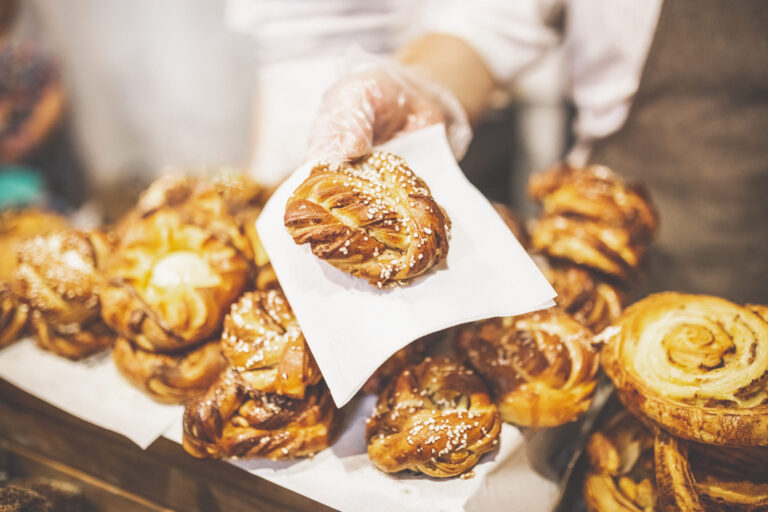
The day has been long, the inbox is still angry, gas is too expensive, and dinner needs to happen before everyone in the house starts circling the kitchen like unpaid critics. That is when comfort food feels less like a choice and more like emotional first aid.
A cheesy slice. A cold soda. A bag of chips opened on the couch. A frozen dinner that saves the night. A drive-thru bag warm enough to fog the car window.
Nobody reaches for comfort food because they want to wreck their health. They reach for it because life is busy, money is tight, and cooking from scratch can feel like one more chore after a day already full of them.
But comfort foods wrecking American diets often do their damage quietly. They taste familiar, feel soothing, and fit easily into busy routines. Then, little by little, they crowd out the foods that help the body feel steady, strong, and well-fed.
Sugary Drinks
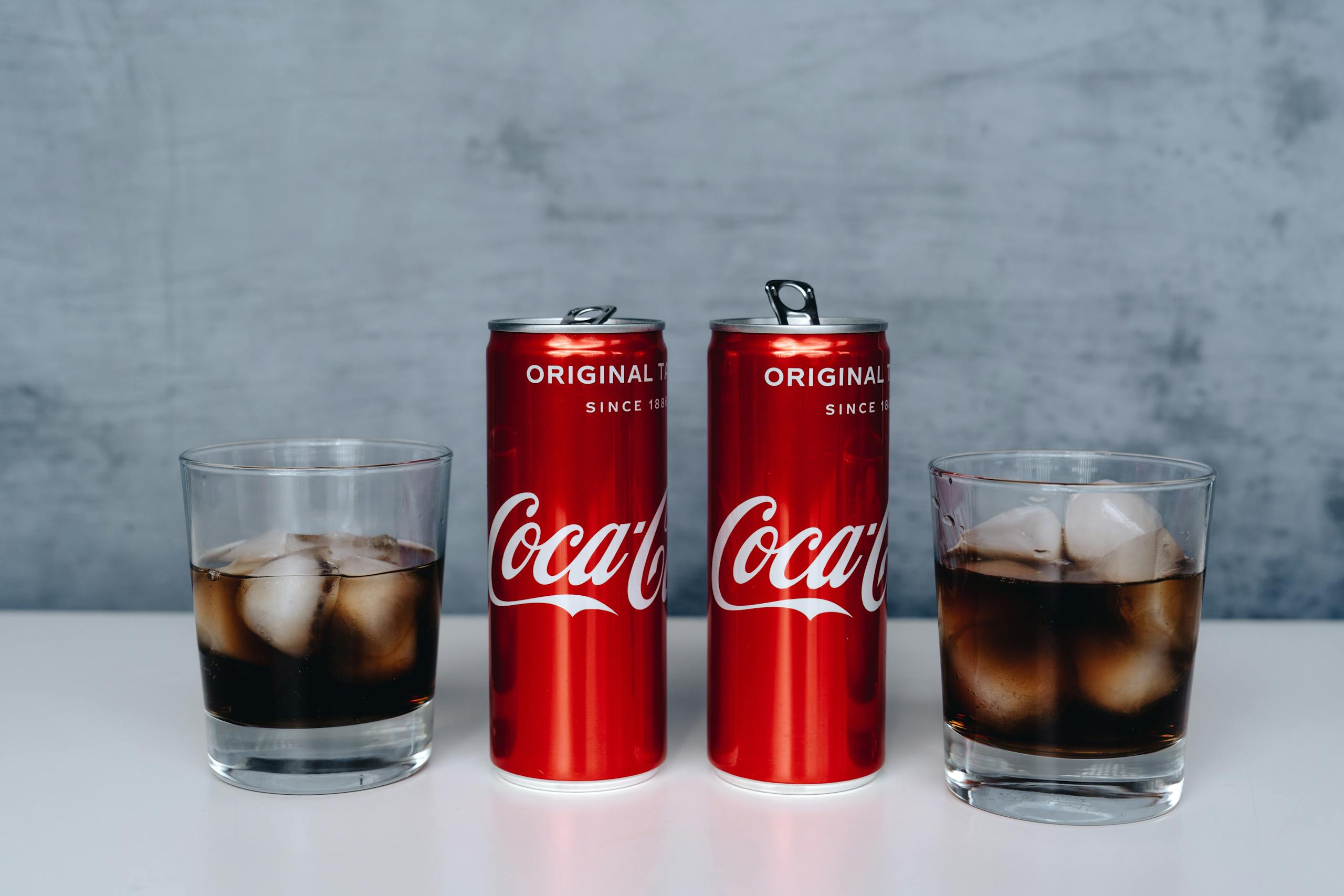
Soda, sweet tea, energy drinks, flavored coffees, and fruit drinks can feel like harmless treats. They are cold, quick, cheap, and easy to pair with almost anything. For many people, the drink is not even counted as food, so the extra sugar slips into the day almost unnoticed.
That is where the problem begins. Sugary drinks can add a lot of calories without making people feel full, which makes them easy to overdo. Regularly sipping sweet drinks can also train the body to expect sugar in response to stress, boredom, or fatigue. Health guidance on added sugar limits makes one thing clear. The sweet stuff adds up faster than most people think.
Pizza
Pizza is one of America’s great comfort foods because it works for almost every mood. Bad day at work. Kids have practice. Friends are coming over. Nobody wants to cook. Pizza arrives hot, cheesy, familiar, and easy to share.
The trouble is that pizza can pack refined carbs, saturated fat, sodium, and big portions into one easy meal. One slice becomes three. Add breadsticks, soda, and dessert, and the comfort turns into a heavy night for the body. Pizza does not have to disappear, but it should not become the family’s default solution every time life gets loud.
Chips
A bag of chips can vanish during a movie, a game, or a stressful scroll through the phone. The crunch feels satisfying. The salt keeps calling. The serving size on the label rarely matches how people actually eat them.
Chips are designed for easy overeating. They are salty, crispy, portable, and rarely filling in a lasting way. Many snack foods also fit into the broader pattern of ultra-processed foods, which tend to be energy-dense, low in fiber, and high in ingredients that make people keep reaching back for more.
Frozen Meals
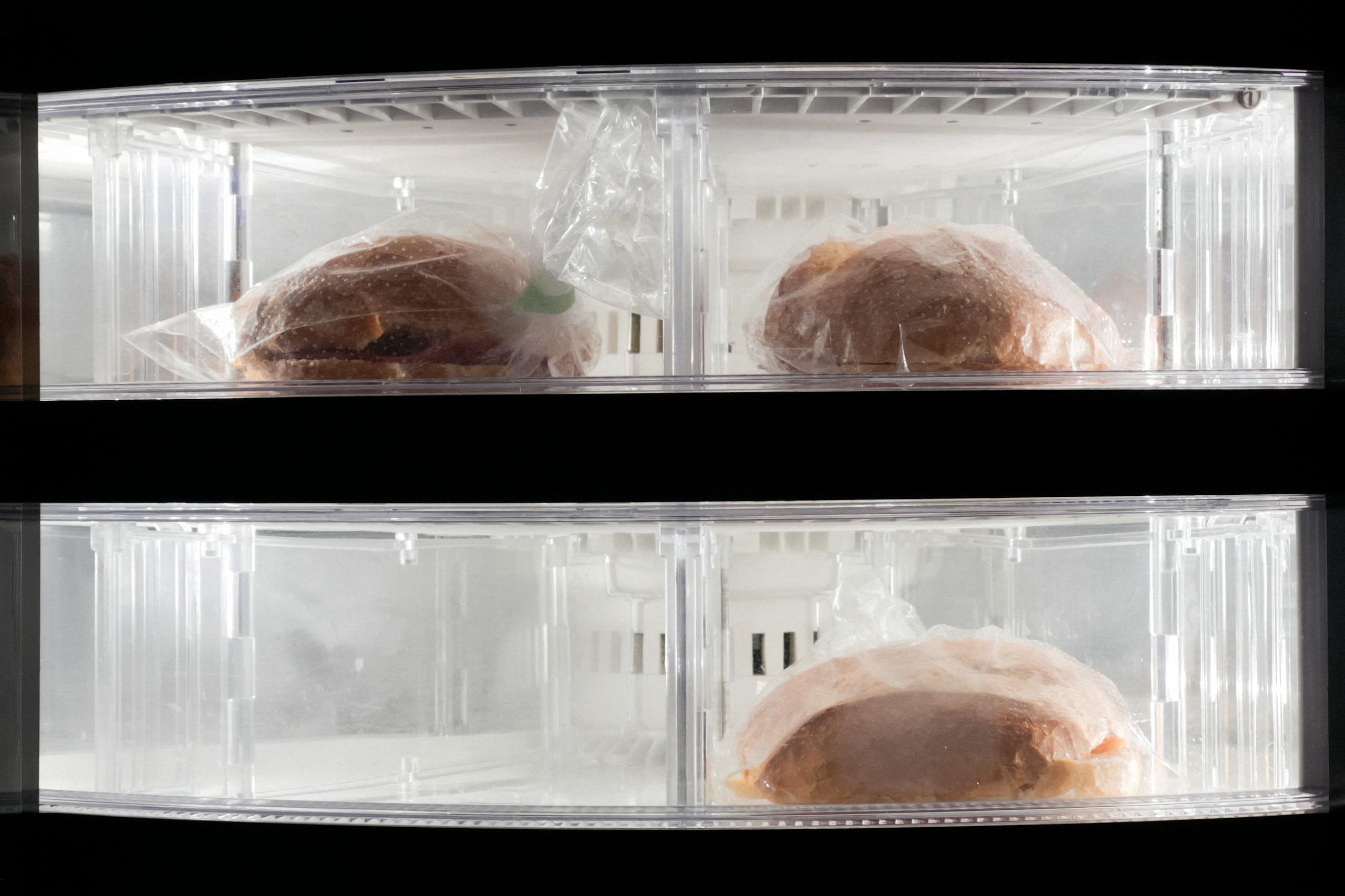
Frozen meals are not always bad. Some are balanced, practical, and helpful on hectic nights. The problem comes from comfort versions that rely heavily on creamy sauces, refined carbs, processed meats, and high-sodium ingredients.
Many Americans are surprised to learn that most of the sodium they consume does not come from the saltshaker. It often comes from packaged prepared foods, including meals that look convenient and harmless. A frozen dinner may solve tonight’s schedule, but eating them too often can quietly push the diet toward more salt and fewer fresh ingredients.
Fast Food
Fast food is not popular because people are lazy. It is popular because America is tired. Parents are rushing between work and school pickup. Workers are eating in cars. Students are grabbing meals between classes. A burger, fries, and soda can feel like the only affordable pause in a packed day.
The problem is frequency. Fast food often delivers large portions, refined carbs, added sugars, sodium, and saturated fat in one neat bag. Once it becomes the default response to stress, the body starts paying the price with energy crashes, cravings, and long-term strain.
White Bread
Toast, sandwiches, biscuits, rolls, and soft white bread can feel cozy because they are familiar. They show up at breakfast, lunch, dinner, and late-night snacking. They are also cheap, easy, and comforting in a way that whole foods sometimes are not.
The issue is that refined carbs are quickly digested, leaving people hungry sooner. That can lead to more snacking and bigger portions later. Less healthy carbohydrate choices like white bread and pastries can make it harder to maintain steady energy when they replace whole grains, beans, fruits, and vegetables too often.
Ice Cream

Ice cream can feel like comfort in a bowl. It is the breakup food, the bad-day food, the late-night reward, and the family treat after dinner. There is nothing wrong with enjoying it sometimes.
The trouble starts when ice cream becomes a regular emotional escape. It can bring sugar, saturated fat, and large portions into the diet before the brain fully registers what happened. Eating straight from the carton makes it even easier to lose track. Comfort is fine, but the body needs more than sweetness when stress is the real hunger.
Fried Chicken and Fries
Fried foods hit several comfort buttons at once. They are crispy, salty, warm, and rich. A basket of fried chicken, fries, onion rings, or mozzarella sticks can feel like a reward after a hard week.
But fried comfort foods can quickly crowd out better meals. They often come with large portions, sugary drinks, creamy dips, and very little fiber. The bigger problem is not one fried meal. It is when fried foods become the emotional answer to exhaustion, celebration, boredom, and stress all at once.
Boxed Mac and Cheese
Boxed mac and cheese has a powerful hold on American households. It is cheap, fast, nostalgic, and kid-friendly. For busy parents, students, and tired adults, it can feel like survival in a saucepan.
The danger is letting it become a frequent substitute for a fuller meal. Many versions lean heavily on refined pasta, sodium, and creamy flavor with little protein or fiber unless families add something extra. It can still have a place, but it works better alongside vegetables, beans, tuna, chicken, or a salad than as the main dish every other night.
Conclusion

Comfort foods wreck American diets, not because they are evil, but because they are easy. They fit into tired evenings, short lunch breaks, tight budgets, family routines, and emotional moments when people want relief more than discipline.
The answer is not to ban pizza, ice cream, chips, or mac and cheese forever. That kind of all-or-nothing thinking usually fails by Friday night. The smarter move is to make comfort less automatic and more intentional.
Keep the foods you love, but give them boundaries. Add protein to the meal. Drink water with the pizza. Put chips in a bowl instead of eating from the bag. Choose smaller portions. Build more meals around a healthy dietary pattern that includes real variety, not just whatever is fastest.
Comfort should still have a place at the table. It just should not be the whole menu.